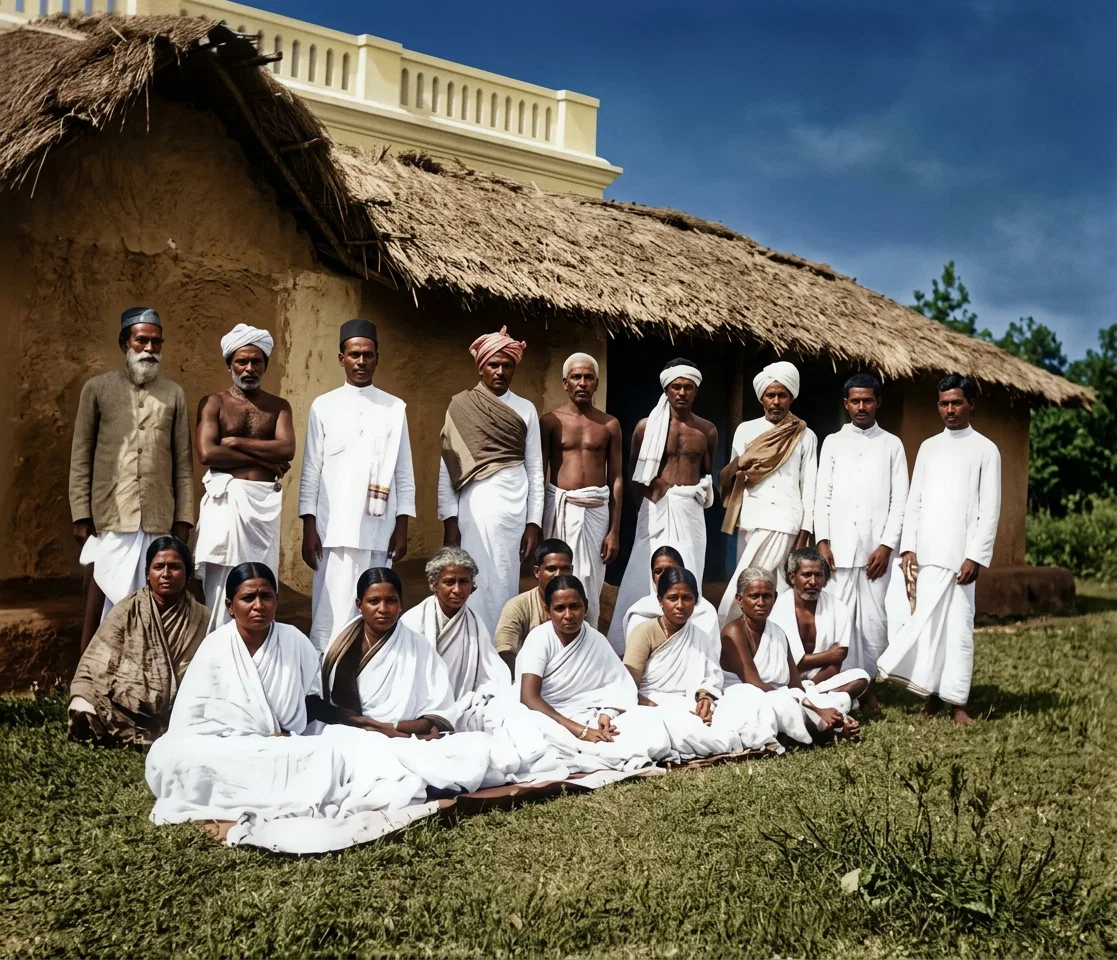
SINCE my last report in the REVIEW, our work among the Tamil people has been moving steadily forward, and the blessing of the Lord has been with us. Our hearts were greatly encouraged by the arrival of Elder G. G. Lowry and wife in December, 1909. They came to us full of courage and energy, fresh from a cool, invigorating climate, eager to enlist their strength in gathering a harvest of souls for the Lord’s return.
The mastery of the language is by far the most important part of a missionary’s first duties, and experience proves that the first year in the country is the most important time for one to make rapid strides in accomplishing this end. It was therefore considered wise not to burden the new workers with detail work until they had had an opportunity to spend at least one year on the language. Elder and Mrs. Lowry are working hard at this task, and are making encouraging progress. To one who comes out to a field like this, anxious to get to work, and seeing so much to do on every hand, it is very hard to sit down for a whole year to struggle with the difficulties incident to learning one of these tongues. But in the end it is found to be time and labor saved, and a greater degree of efficiency gained.
Early in January of this year I began a Bible class among the Hindu Christians, which occupied every night in the week except Friday and Sunday. It was my purpose in this class to bring before these people such phases of truth as would be most suitable to the peculiar position which they occupy. They have been widely referred to as the Tamil Sabbath-keepers, but in teaching them we have had to lead them out from practical heathenism. Their religious experience has consisted of a vain display of names, Christian and otherwise, combined with a multitude of ceremonies gathered from Hinduism, Judaism, and a perverted Christianity, the meaning of which neither their leaders nor they themselves understood, and in nine cases out of ten were incapable of comprehending.
FIRST CONVERTS BAPTIZED AMONG THE TAMILS
This Bible class was well attended from the first, and the people seemed to take a great interest in the subjects presented. The Spirit of the Lord was present in our meetings, and hearts were touched. About two weeks ago several began to ask for baptism, and we felt the time had come to bind off the class with such a service. Twenty persons handed in their names for baptism, all of whom were personally examined beforehand. Every candidate seemed to realize the nature and importance of the step to be taken.
Sabbath afternoon, April 2, the entire congregation assembled at the usual time for service at our bungalow, and together we marched to the bank of an artificial lake about a mile distant, where, just as the Sabbath was closing, I had the privilege of burying these dear souls with their Lord in baptism. At the water’s edge Elder Lowry spoke briefly about the baptism of Christ, and vividly pictured the event that occurred at the River Jordan two thousand years ago, which we were about to imitate in obedience to the Lord’s command. The school children sang several songs to Christian tunes, and never did you hear children put so much spirit and earnestness into melody. Indeed, we all sang from hearts filled with joy and gladness; for it was a day to proclaim liberty from darkness and shout victory. While a deep earnestness seemed to take hold upon all, yet on every face was seen an expression of happiness and surrender.
To illustrate how deeply conscious some were of the change wrought in their lives, I will relate one incident. Many of the people, when babies, were named after heathen gods or received other names of heathen significance.
While examining candidates for baptism, I asked one woman her name, whereupon she dropped her head as if in shame, and would not reply. When pressed for an answer, she said it was a heathen name, and she did not want to be called by it now that she had become a Christian. I told her to choose another name more to her liking. After thinking a moment she chose a name which in Tamil means “a woman of gold.” May she prove to be such. Three changed their names, and took others more in keeping with hearts enlightened by God’s truth. The experience of Jacob while at Bethel was thus brought vividly to mind.
Of the twenty who were baptized, fourteen are men and six women. Nineteen of the whole number came from heathenism, and one from a Christian church. The first heathen young man with whom I became personally acquainted in India was the first to be baptized. His father is a leader in the Hindu-Christian society. Upon returning home after the baptism, his father met him with these words: “I once had a son, but now my son is dead. Should any one ask about my son, I will tell them I have no son; he is dead.” After saying this, he kicked the door, and the boy came over to our bungalow for a home and sympathy. The second to be baptized was my teacher and interpreter, a young man from the Church of England, who has stood faithfully by my side through all the storms we have encountered since the first day we put foot in this district to begin work. He is a9young man of exceptional ability, and seems to have a firm hold on the truth.
Thus, after two years of earnest and untiring labor under adverse circumstances, the Lord has graciously sealed to us this fruit. To his name and power be all the praise. This number can now truly be called Tamil Sabbath-keepers and Seventh-day Adventists; for they believe the Lord is soon coming, and this thought alone has moved them to turn from the vanities of the world and serve the living God. They are as brands plucked from the burning. They have come out into the light of God’s truth with their faces bearing the hideous scars and deformities of a cruel barbarism. They come to us with little or no learning, with their minds dwarfed and cramped, but with a desire to know and do the right. But this is not the end of this good work. We rejoice to know that others are about to take their stand with us, and we hope to have another baptism before long.
Our responsibility to these people has not been discharged by their baptism. On the contrary, we are drawn closer to them, that we may help them in overcoming their weaknesses, which are many. We owe much to their children, whom they have so freely given us to educate for some place of usefulness in the Lord’s vineyard. I know they share a large place in your hearts and prayers. Praying and giving for the work in these dark lands will one day bear fruit in the kingdom of God. May we all be faithful in doing our part until we meet one another there.