British New Guinea

9%

Review and Herald Publishing Association · Takoma Park Station, Washington, D. C. · Nov 3, 1910

FromReview and Herald, Vol. 87, No. 44.

Read the full edition

British New Guinea

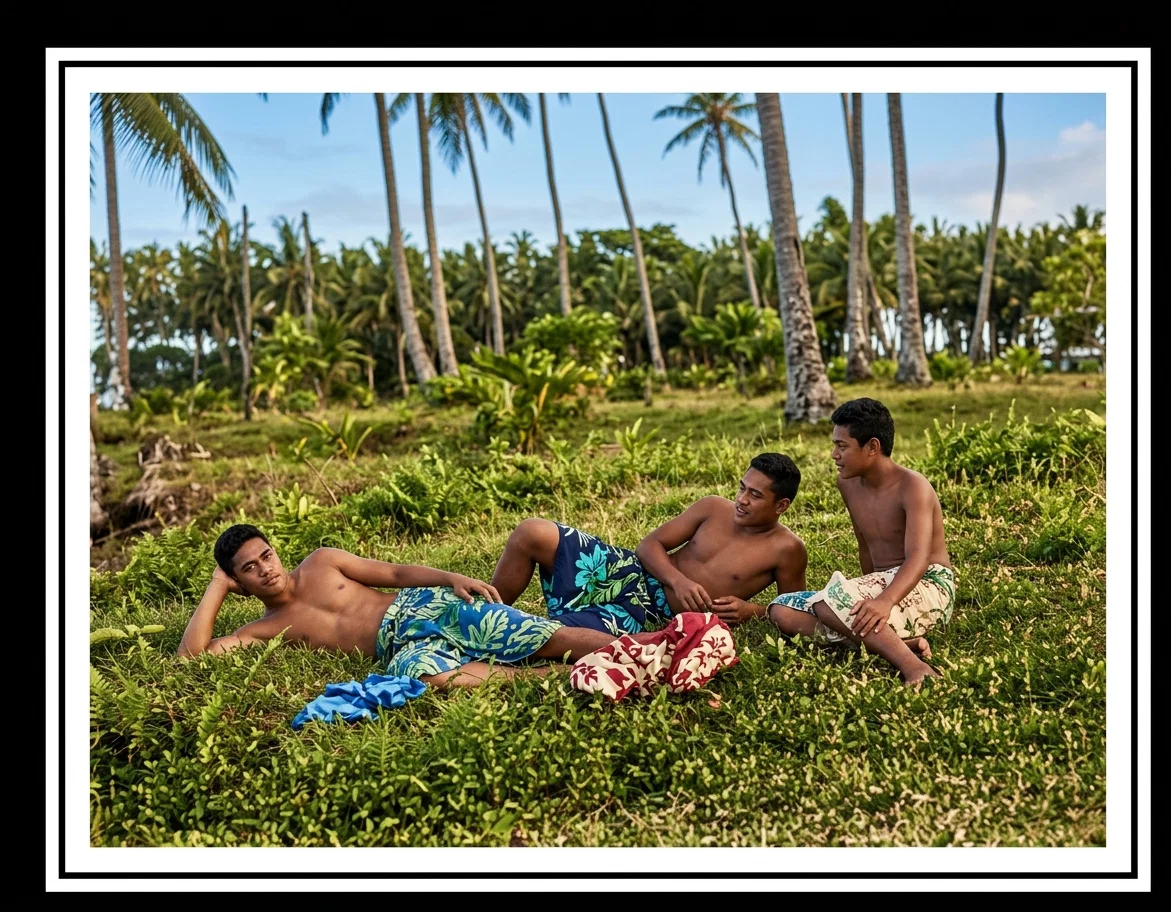
YOUNG SAMOANS
YOUNG SAMOANS
WE have been granted land for a new station established. This is truly a dark island.
While recently about one hundred fifty miles east of Port Moresby, I visited, in a lakatoi, several villages. The Papuan lakatoi consists of two or more canoes lashed together, and boarded over.
We ran up a small river to a native village to purchase food. The houses were all grouped around the dabu, or men's house, which no woman is ever allowed to enter.
In the semidarkness of this building, I soon had a number gathered, and with the aid of an interpreter was able to tell them the old, old story of the cross. With what interest they listened as the story was told in Motuan, and interpreted into their dialect! How strange it all seemed to them—God in heaven, his Son sent to earth as a little child, his life of good words and works, his cruel death, his resurrection and ascension, and the promise of his speedy return to gather his children!
Exclamations of wonder escaped their lips, especially when the resurrection was mentioned. How could such a thing be possible? All knelt in prayer to hear from the lips of the misineri a fervent petition for the Father's blessing upon the words spoken in weakness, and that the darkened minds of the hearers should not long remain in heathen ignorance.
The day following, the same story was told to a gathering on the beach near another village, and was listened to with the same interest.
One's heart goes out to them in their darkness and ignorance. There is no missionary, white or black, along seventy miles of coast, and none inland. Apparently this was the first time that any of those present had heard the gospel of salvation.
S. W. CARR.
Port Moresby.