The Indians of Bolivia

8%

Review and Herald Publishing Association · Takoma Park Station, Washington, D. C. · Nov 3, 1910

FromReview and Herald, Vol. 87, No. 44.

Read the full edition

The Indians of Bolivia

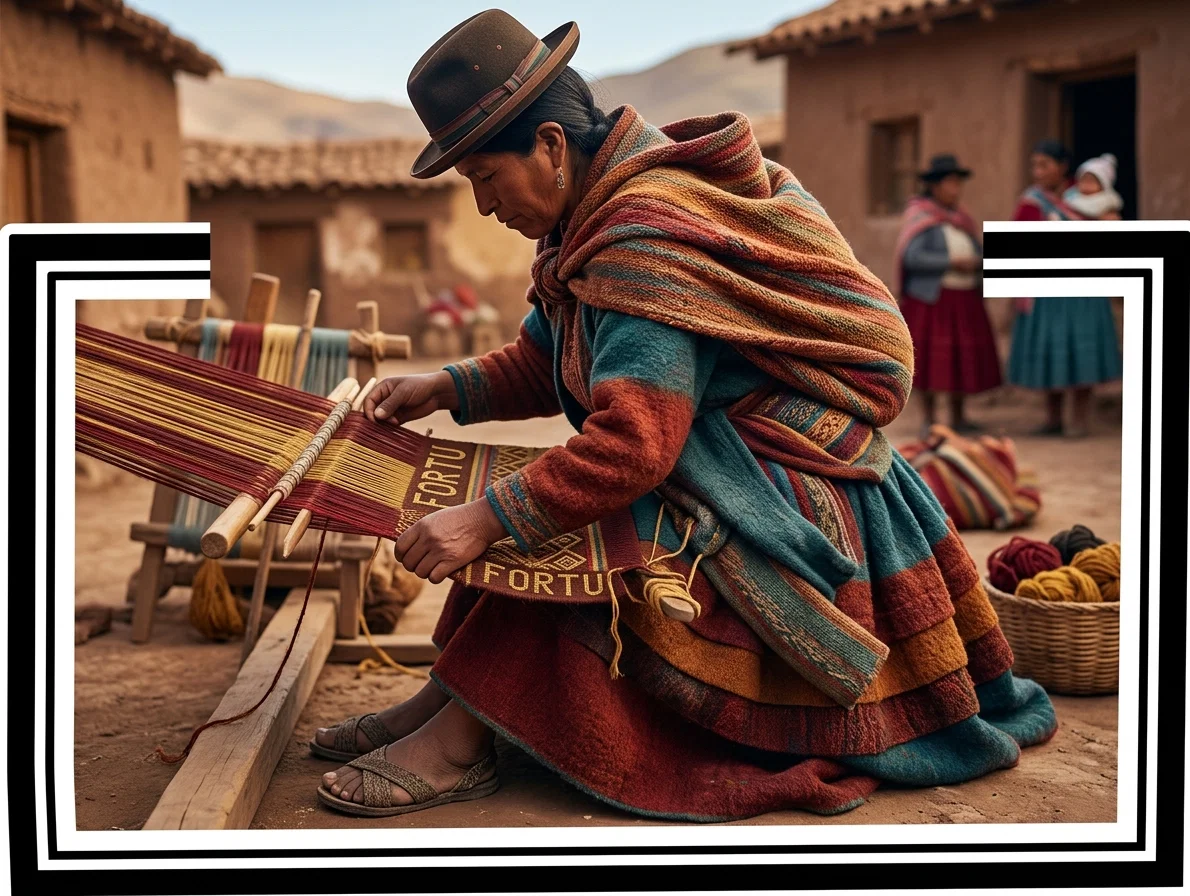
THERE are two classes of Indians in Bolivia, the Aymaras and the Kechuas. There are many Aymaras in La Paz, where we live. They are a peaceful, hard-working people, most of the work in the city being done by them. They build the houses, and even make the bricks, drying them in the sun. I have seen some of them remove hills, from twenty to thirty women carrying earth in their shawls, day after day, for months, using their hands as shovels.
The streets and walks in La Paz are all paved with small stones, the paving being done by the Indians. All the farming is done by them. If you purchase anything, an Indian carries it to your home.
Most of these Indians live on the mountain or the mountainside, the home consisting of a small piece of land and a mud hut of one room. As a rule, the family is large. There are no beds, no chairs, no tables; they sit, sleep, and eat on the floor. They use no spoons, but eat with their fingers. Their food consists mostly of white bread, dry beans, and very small potatoes called chuno and tunta, which have gone through a process of freezing. They also eat what is called ahie; made of red and green peppers ground between two stones. Both men and women chew coca, the dried leaves of a native shrub, which contains a powerful stimulant. They believe that without it they would be unable to work.
These Indians are under the complete control of the Roman Catholic Church, and are kept in ignorance. They have no schools, and most of them can not even tell how old they are. But they have their feast-days, which are all controlled by the church. Then the men and women drink pure alcohol, and play and dance. I have seen them keep this up for a whole month, day and night. Many lose their lives. Mothers, with their babies on their backs, drink and dance until they fall, and in that way end their lives.
A BOLIVIAN INDIAN WOMAN WEAVING
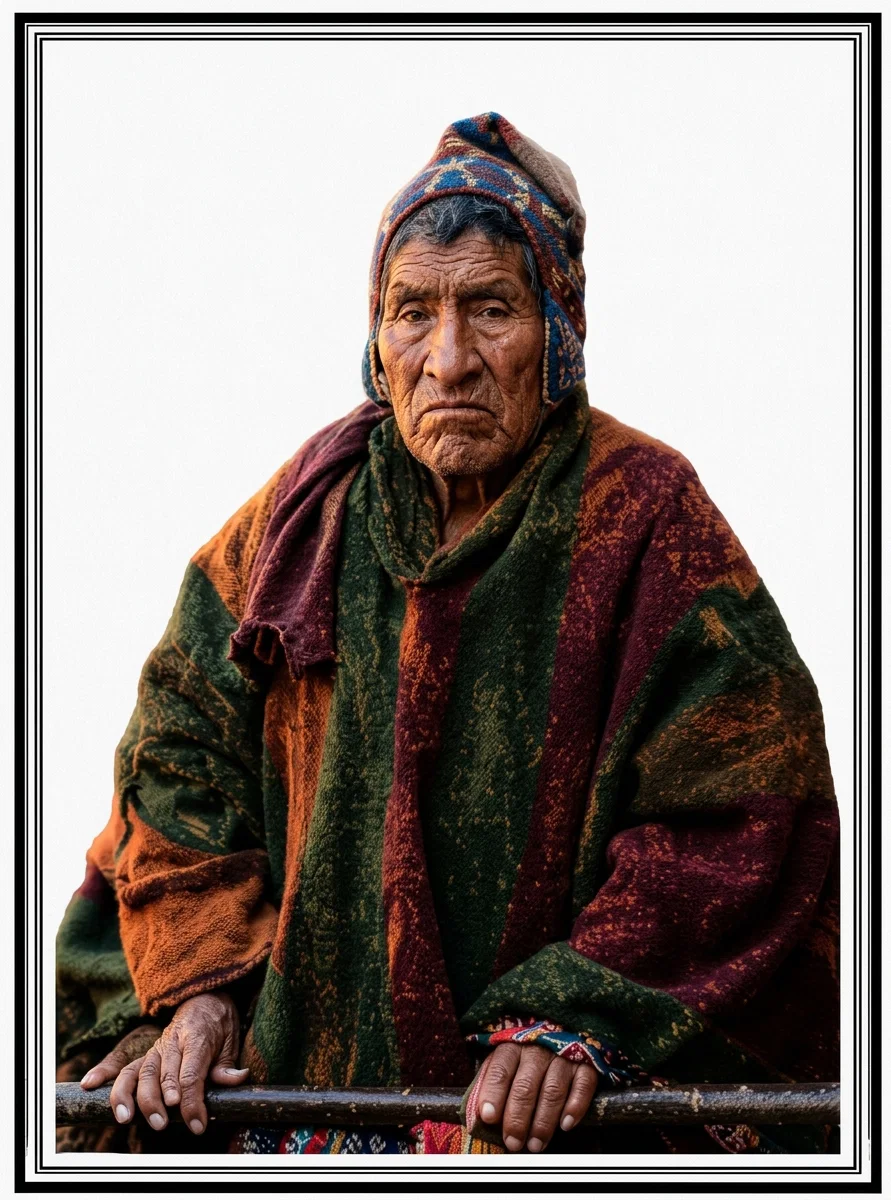
AN OLD INDIAN OF BOLIVIA
They do not desire to be in this condition; but once under the influence of alcohol, they become fiends, and have no power over themselves. In passing one of their places of feasting, my daughter noticed an Indian woman who lives on our place, and called to her not to drink but to come home. The poor woman said, “Take me home, and lock me securely in my house until to-morrow; for if they call for me, and I can open the door, I can not resist the temptation.” My daughter did as she had requested, and the woman was able to go to her work next day.
Are these people in darkness? Do they need the saving gospel message? Is it not worth while to give some of your means, and even your life, if need be, to save these poor souls? How thankful we are for the promise that those who sit in darkness shall see a great light. We need more means, more workers, and your prayers for Bolivia.
MRS. F. A. STAHL.
La Paz.
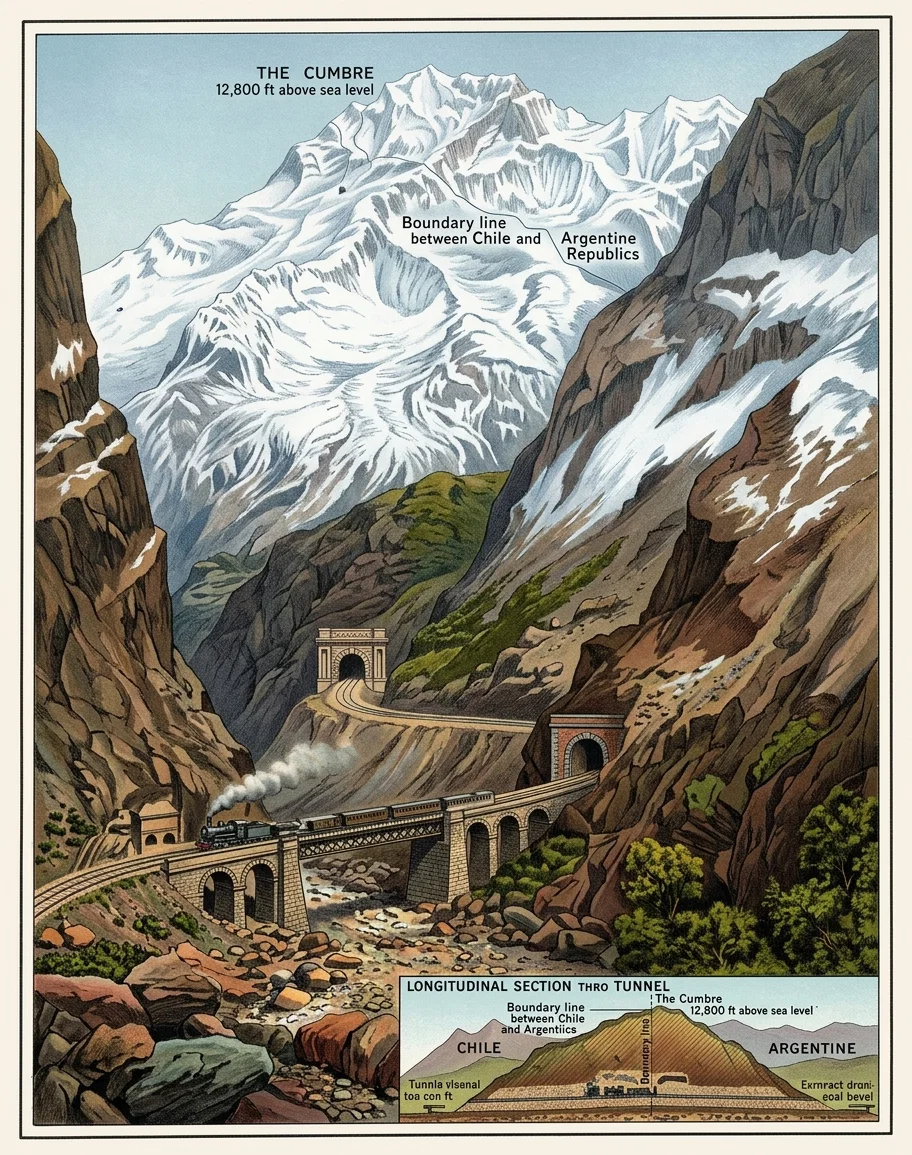
THE NEW TUNNEL JOINING ARGENTINA AND CHILE, FORMALLY OPENED APRIL 5, 1910