The Love of Christ

9%

Pacific Press Publishing Association · Mountain View, California · Feb 11, 1913

FromSigns of the Times, Vol. 40, No. 6.

Read the full edition

The Love of Christ

By Mrs. E. G. White
(Concluded)
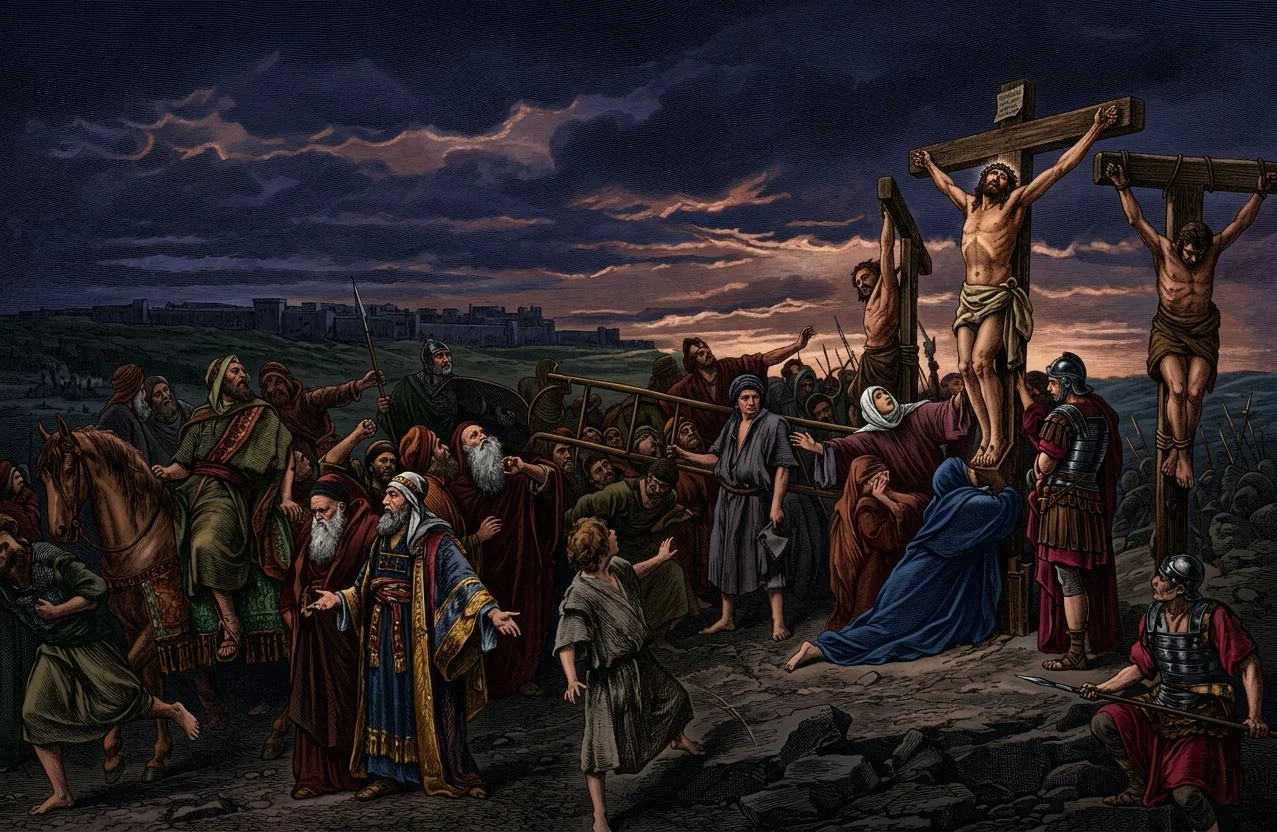
MUNKACSY'S GREAT PICTURE OF THE CRUCIFIXION
MANY who profess to be Christians become excited over worldly enterprises, and their interest is awakened for new and exciting amusements; while they are cold-hearted, and appear as if frozen in the cause of God. But here is a theme, poor formalist, which is of sufficient importance to excite you. Eternal interests are here involved. The scenes of Calvary call for the deepest emotions. Upon this subject you will be excusable if you manifest enthusiasm. That Christ, so excellent, so innocent, should suffer such a painful death, bearing the weight of the sins of the world, our thoughts and imagination can never fully reach, so that we can comprehend the length, the breadth, the height, and the depth of such amazing love. The contemplation of the matchless love of the Saviour, should fill and absorb the mind, touch and melt the soul, refine and elevate the affections, and completely transform the whole character. The language of the apostle is, “I determined not to know anything among you, save Jesus Christ, and Him crucified.” And we may look toward Calvary, and also exclaim, “God forbid that I should glory, save in the cross of our Lord Jesus Christ, by whom the world is crucified unto me, and I unto the world.” Considering at what an immense cost our salvation has been purchased, what will be the portion of those who neglect so great salvation? What will be the punishment of those who profess to be followers of Christ, yet fail to bow in humble obedience to the claims of their Redeemer, and who do not take the cross, as humble disciples of Christ?
Some have limited views of the atonement. They think that Christ suffered only a small portion of the penalty of the law of God, and that while the wrath of God was felt by His dear Son, they suppose that He had, through all His painful sufferings, the evidence of His Father’s love and acceptance, and that the portals of the tomb before Him were illuminated with bright hope. Here is a great mistake. Christ’s keenest anguish was a sense of His Father’s displeasure. His mental agony because of this was of such intensity that man can have but faint conception of it.
With many the history of the humiliation and sacrifice of our divine Lord does not stir the soul and affect the life any more, nor awaken deeper interest, than to read of the death of the martyrs of Jesus. Many have suffered death by slow tortures. Others have suffered death by crucifixion. In what does the death of God’s dear Son differ from these? It is true He died upon the cross a most cruel death; yet others for His dear sake have suffered equally, as far as bodily torture is concerned. Why, then, was the suffering of Christ more dreadful thanthat of other persons who have yielded their lives for His sake? If the sufferings of Christ consisted in physical pain alone, then His death was no more painful than that of some of the martyrs.
But bodily pain was only a small part of the agony of God’s dear Son. The sins of the world were upon Him, and also the sense of His Father’s wrath as He suffered the penalty of the law. It was these that crushed His divine soul. It was the hiding of His Father’s face, a sense that His own dear Father had forsaken Him, which brought despair. The separation that sin makes between God and man was fully realized and keenly felt by the innocent, suffering Man of Calvary. He was oppressed by the powers of darkness. He had not one ray of light to brighten the future. And He was struggling with the power of Satan, who was declaring that Christ was in his hands, and that he was superior in strength to the Son of God, that God had disowned His Son, and that He was no longer in the favor of God any more than himself. If He was indeed still in favor with God, why need He die? God could save Him from death.
Christ yielded not in the least degree to the torturing foe, even in His bitterest anguish. Legions of evil angels were all about the Son of God, yet the holy angels were bidden not to break their ranks and engage in conflict with the taunting, reviling foe. Heavenly angels were not permitted to minister unto the anguished spirit of the Son of God. It was in this terrible hour of darkness, the face of His Father hidden, legions of evil angels enshrouding Him, the sins of the world upon Him, that the words were wrenched from His lips, “My God, My God, why hast Thou forsaken Me?”
We should take larger, broader, and deeper views of the life, sufferings, and death of God’s dear Son. When the atonement is viewed correctly, the salvation of souls will be felt to be of infinite value. In comparison with the enterprise of everlasting life, every other sinks into insignificance. But how have the counsels of this loving Saviour been despised by many! The heart’s devotions have been to the world, and selfish interests have closed the door against the Son of God. Hollow hypocrisy and pride, selfishness and gain, envy, malice, and passion, have so filled the hearts of many that Christ can have no room.
He was eternally rich, “yet for your sakes became poor, that ye through His poverty might be rich.” He was clothed with light and glory, surrounded with hosts of heavenly angels awaiting to execute His commands. Yet He put on our nature, and came to sojourn among sinful men. “Behold, what manner of love the Father hath bestowed upon us, that we should be called the sons of God.” Here is love that no language can express. Our souls should be enlivened, elevated, and enraptured with the theme of the love of the Father and the Son. “And every man that hath this hope in Him purifieth himself, even as He is pure.” The followers of Christ should learn here to reflect back in some degree that mysterious love, preparatory to joining all the redeemed in ascribing “blessing, and honor, and glory, and power, be unto Him that sitteth upon the throne, and unto the Lamb forever and ever.”