The South Russian Conference

8%

Review and Herald Publishing Association · Takoma Park Station, Washington, D. C. · Jan 21, 1909

FromReview and Herald, Vol. 86, No. 3.

Read the full edition

The South Russian Conference

GUY DAIL
EVERY Russian field in which the third angel’s message is spreading, has its own problems and peculiarities. The South Russian Conference dates from Jan. 1, 1908. It is composed of the governments of Bessarabia, Kherson, Kharkow, Yekaterinoslaf, Taurien, and Don District No. II, with over fourteen million of “Little Russians,” Cossacks, Germans, Armenians, Jews, and Bulgarians. It is in the “black soil” district, and is one of the most productive parts of Russia.
Of the fifteen churches and companies in this field, thirteen were represented at the first annual session of the South Russian Conference (Oct. 21-25), held in Alexandrovsk on the Dnieper. There were one hundred forty of our brethren in attendance. The week preceding the conference was occupied by a workers’ institute, conducted by Elder J. T. Boettcher, assisted by Elders H. J. Loebsack and D. P. Gaede. As there has been little opportunity to give the laborers and church officers such teaching in the past, the institute was beneficial and was appreciated. Church organization, order, and discipline, and methods of work were given careful consideration.
In view of its natural advantages, this field offers many inducements favorable to the location of the Russian union school within its territory. There has already been some attention given to this matter here, and two places were visited by several of the leading men, to ascertain if they would answer our needs. At this meeting, the South Russian brethren raised about nine hundred fifty rubles in pledges and cash toward the enterprise. The young people here are deeply interested in the proposed school, and are showing their earnestness by actual missionary work in the circulation of our literature. Six regular colporteurs are in the field, and four others will devote a part of their time to this department of the Lord’s cause. At the Sabbath afternoon meeting the solemn ordination of our first native Russian minister took place. This is an event we hail with joy, for we havebeen looking forward anxiously to such an occasion for years. Besides Brother C. Schamkow, who was thus set apart to the gospel ministry for the Russians, there are four other evangelical workers here, and five hundred sixty-two members, one hundred thirty-eight of whom have accepted the truth during the last nine months. A number were baptized at this meeting.
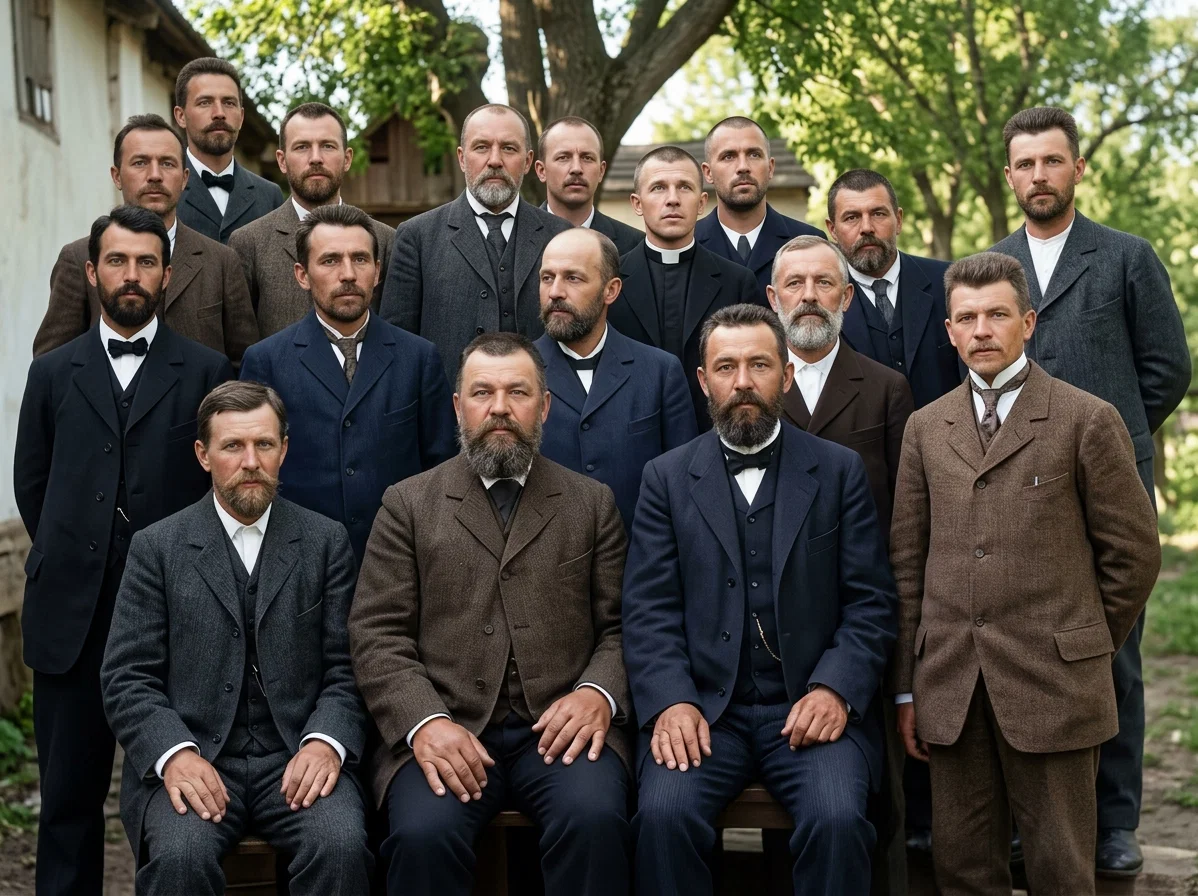
WORKERS ATTENDING THE CAUCASIAN CONFERENCE
The advantages gained for the message by first thoroughly spreading our literature is well illustrated in the experience of our brethren in Sebastopol. The orthodox missionaries came to the people with publications calculated to create prejudice against us, but as some had already read the truth, and tested it by the Scriptures, they did not care to accept the false teaching: it is much better first to sow good gospel seed in the heart than to wait until the tares of unbelief and prejudice have been scattered. We have a young, live, growing Russian church in Sebastopol.
The eagerness of the people to drink in the Word spoken at Alexandrovsk aroused the orthodox clergy to do all they could against us. From three hundred to seven hundred fifty persons not of our faith were in the hall each evening, many of them compelled to stand, and they gave the most earnest attention. The government had approved the subjects we asked permission to consider, but the governor stated that the slightest deviation from the program would warrant the closing of our conference. The four priests and one missionary who came to the public lectures wished to force us into a debate, knowing how easily they could put questions to us that would involve us in trouble, perhaps create a turmoil, and make necessary the closing of our meeting. The third evening they demanded the privilege of addressing the people. This being refused, they tried to compel the already dismissed audience to sit down and listen (they had no legal right to reopen a closed meeting), but were unsuccessful, and so were compelled to take up a discussion of our work in their regular Sunday services. While they were doing this, we held our closing public lecture, at the end of which the strangers warmly thanked the brethren for thus breaking to them the bread of life. One of the officers who had been at the meetings, in addressing small squads of men who had surrounded him, enthusiastically spoke of the difference between our meetings, where the Bible is intelligently expounded, and the formality of the orthodox religious routine.
The owner of the hall we had used was at first rather unfavorable to our having the place, evidently fearing a repetition of the revolutionary experiences the city had in the troublous times through which Russia has been passing; but at the close of the Sunday afternoon service he reduced the rent ten rubles, and told us to come any time we wanted the hall again.
All these omens show that God is at work for his message, and that just now is the time for his people to push the battle to the front more vigorously than ever before.
Brother D. Isaak was again chosen president of the South Russian Conference. He, with suitable help, will follow up the interest awakened in Alexandrovsk. The brethren and workers leave this place, feeling that this meeting has been a blessed experience to them, and they are encouraged to do more than ever to carry the message to those in darkness. May God be with them by his Spirit, and give them still richer rewards for their labors among these people.
Lodz.