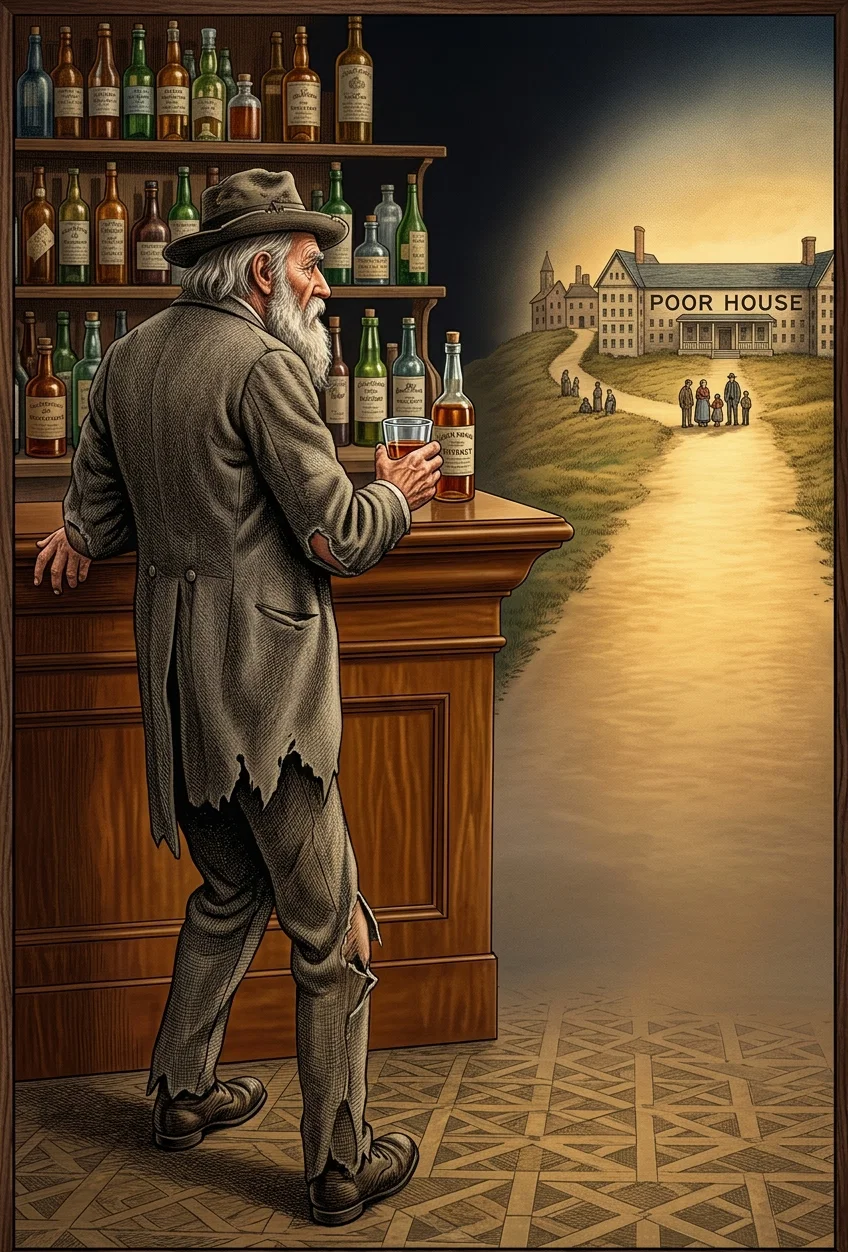
UNDER the head of stimulants and narcotics is classed a great variety of articles that, altogether used as food or drink, irritate the stomach, poison the blood, and excite the nerves. Their use is a positive evil. Men seek the excitement of stimulants, because, for the time, the results are agreeable. But there is always a reaction. The use of unnatural stimulants always tends to excess, and it is an active agent in promoting physical degeneration and decay.
Condiments
In this fast age, the less exciting the food, the better. Condiments are injurious in their nature. Mustard, pepper, spices, pickles, and other things of a like character, irritate the stomach and make the blood feverish and impure. The inflamed condition of the stomach is often pictured as illustrating the effect of alcoholic liquors. A similarly inflamed condition is produced by the use of irritating condiments. Soon ordinary food does not satisfy the appetite. The system feels a want, a craving, for something more stimulating.
THE END THEREOF IS THE WAY OF DEATH
Tea and Coffee
Tea acts as a stimulant, and, to a certain extent, produces intoxication. The action of coffee and many other popular drinks is similar. The first effect is exhilarating. The nerves of the stomach are excited; these convey irritation to the brain, and this in turn is aroused to impart increased action to the heart, and short-lived energy to the entire system. Fatigue is forgotten; the strength seems to be increased. The intellect is aroused, the imagination becomes more vivid.
Because of these results, many suppose that their tea or coffee is doing them great good. But this is a mistake. Tea and coffee do not nourish the system. Their effect is produced before there has been time for digestion and assimilation, and what seems to be strength is only nervous excitement. When the influence of the stimulant is gone, the unnatural force abates, and the result is a corresponding degree of languor and debility.
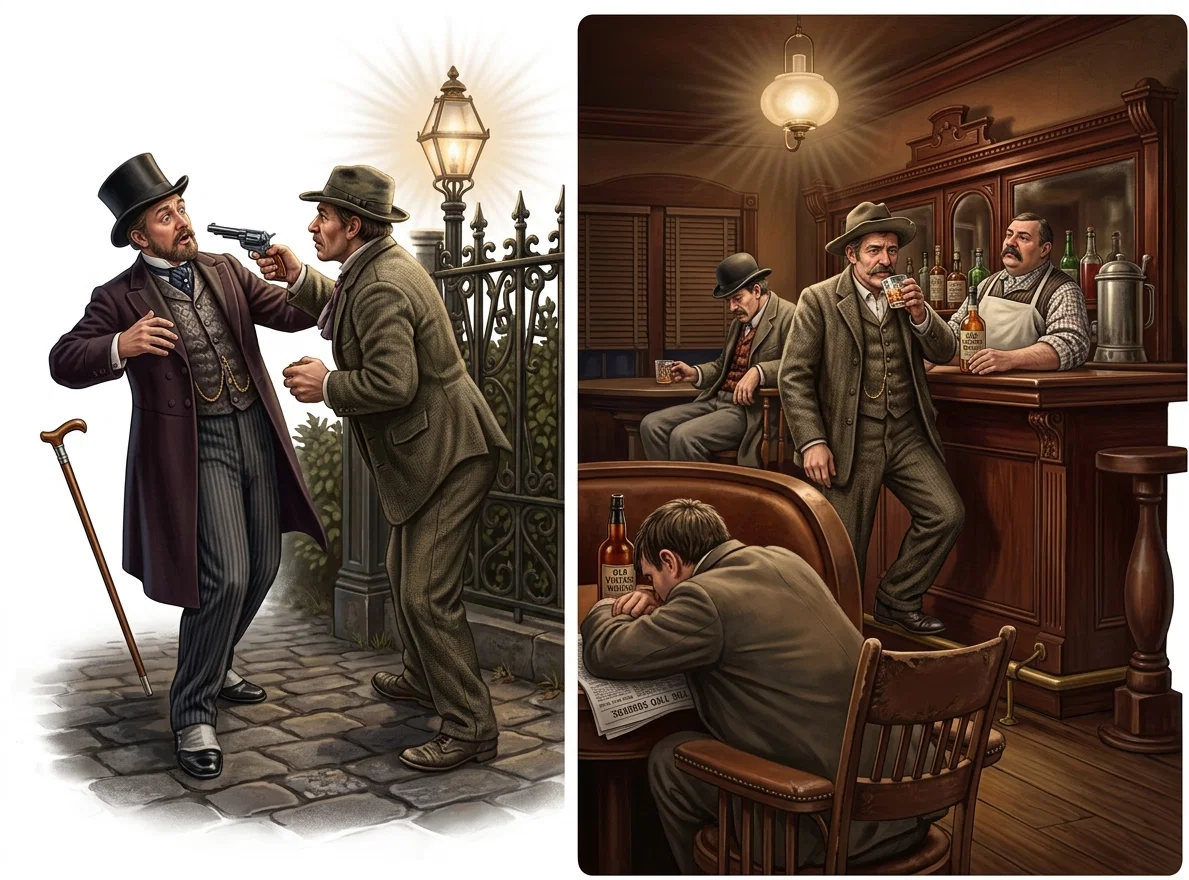
Your Money or Your Life! Your Money and Your Life! THE TWO ROBBERS
The continued use of these nerve irritants is followed by headache, wakefulness, palpitation of the heart, indigestion, trembling, and many other evils; for they wear away the life forces. Tired nerves need rest and quiet instead of stimulation and overwork. Nature needs time to recuperate the exhausted energies. When her forces are goaded on by the use of stimulants, more will be accomplished for a time; but, as the system becomes debilitated by their constant use, it gradually becomes more difficult to rouse the energies to the desired point. The demand for stimulants becomes more difficult to control, until the will is overborne, and there seems to be no power to deny the unnatural craving. Stronger and still stronger stimulants are called for, until exhausted nature can no longer respond.
The Tobacco Habit
Tobacco is a slow, insidious, but most malignant poison. In whatever form it is used, it tells upon the constitution; it is all5the more dangerous because its effects are slow, and at first hardly perceptible. It excites and thus paralyzes the nerves. It weakens and clouds the brain. Often it affects the nerves in a more powerful manner than does intoxicating drink. It is more subtle, and its effects are difficult to eradicate from the system. Its use excites a thirst for strong drink, and in many cases lays the foundation for the liquor habit. The use of tobacco is inconvenient, expensive, uncleanly, defiling to the user, and offensive to others.
Intoxicating Drinks
“Wine is a mocker, strong drink is raging: And whosoever is deceived thereby is not wise.” Prov. 20:1.
“Who hath woe? who hath sorrow? who hath contentions? who hath babbling? who hath wounds without cause? Who hath redness of eyes? They that tarry long at the wine; They that go to seek mixed wine. Look not thou upon the wine when it is red, When it giveth his color in the cup, When it moveth itself aright. At the last it biteth like a serpent, And stingeth like an adder.” Prov. 23:29-32.
Never was traced by human hand a more vivid picture of the debasement and the slavery of the victim of intoxicating drink. Enthralled, degraded, even when awakened to a sense of his misery, he has no power to break from the snare; he “will seek it yet again.” Prov. 23:35.
No argument is needed to show the evil effects of intoxicants on the drunkard. The blessed, besotted wrecks of humanity—souls for whom Christ died, and over whom angels weep—are everywhere. They are a blot on our boasted civilization. They are the shame and curse and peril of every land.
And who can picture the wretchedness, the agony, the despair, that are hidden in the drunkard’s home? Think of the wife, often delicately reared, sensitive, cultured, and refined, linked to one whom drink transforms into a sot or a demon. Think of the children, robbed of home comforts, education, and training, living in terror of him who should be their pride and protection, thrust into the world, bearing the brand of shame, often with the hereditary curse of the drunkard’s thirst.
Responsibility of Parents
Often intemperance begins in the home. By the use of rich unhealthful food the digestive organs are weakened, and a desire is created for food that is still more stimulating. Thus the appetite is educated to crave continually something stronger. The demand for stimulants becomes more frequent and more difficult to resist. The system becomes more or less filled with poison, and the more debilitated it becomes, the greater is the desire for those things. One step in the wrong direction prepares the way for another. Many who would not be guilty of placing on their table wine or liquor of any kind will load their table with food which creates such a thirst for strong drink that to resist the temptation is almost impossible. Wrong habits of eating and drinking destroy the health and prepare the way for drunkenness.
The Liquor Traffic and Prohibition
“Woe unto him that buildeth his house by unrighteousness, and his chambers by wrong; . . . that saith, I will build me a wide house and large chambers, and cutteth him out windows; and it is ceiled with cedar, and painted with vermilion. Shalt thou reign, because thou closest thyself in cedar? Thine eyes and thine heart are not but for thy covetousness, and for to shed innocent blood, and for oppression, and for violence, to do it.” Jer. 22:13-17
The Work of the Liquor Seller
This scripture pictures the work of those who manufacture and who sell intoxicating liquor. Their business means robbery. For the money they receive, no equivalent is returned. Every dollar they add to their gains has brought a curse to the spender.
With a liberal hand, God has bestowed his blessings upon men. If his gifts were wisely used, how little the world would know of poverty or distress! It is the wickedness of men that turns his blessings into a curse. It is through the greed of gain and the lust of appetite that the grains and fruits given for our sustenance are converted into poisons that bring misery and ruin.
Every year millions upon millions of gallons of intoxicating liquors are consumed. Millions upon millions of dollars are spent in buying wretchedness, poverty, disease, degradation, lust, crime, and death. For the sake of gain, the liquor seller deals out to his victims that which corrupts and destroys mind and body. He entails on the drunkard’s family poverty and wretchedness.
Houses of prostitution, dens of vice, criminal courts, prisons, almshouses, insane asylums, hospitals, are all, to a great degree, filled as a result of the liquor seller’s work. Like the mystic Babylon of the Apocalypse, he is dealing in “slaves and souls of men.” Behind the liquor seller stands the mighty destroyer of souls, and every art which earth or hell can devise is employed to draw human beings under his power. In the city and the country, on the railway trains, on the great steamers, in places of business, in the halls of pleasure, in the medical dispensary, even in the church, on the sacred Communion table, his traps are set. Nothing is left undone to create and to foster the desire for intoxicants. On almost every corner stands the public house, with its brilliant lights, its welcome and good cheer, inviting the workman, the wealthy idler, and the unsuspecting youth.
Who Will Help?
The honor of God, the stability of the nation, the well-being of the community, of the home, and of the individual, demand that every possible effort be made in arousing the people to the evil of intemperance. Soon we shall see the result of this terrible evil as we do not see it now. Who will put forth a determined effort to stay the work of destruction? As yet the contest has hardly begun. Let an army be formed to stop the sale of the drugged liquors that are making men mad. Let the danger from the liquor traffic be made plain, and a public sentiment be created that shall demand its prohibition. Let the drink-maddened men be given an opportunity to escape from their thraldom. Let the voice of the nation demand of its lawmakers that a stop be put to this infamous traffic.