Mexico

8%

Review and Herald Publishing Association · Takoma Park Station, Washington, D. C. · Jan 25, 1912

FromReview and Herald, Vol. 89, No. 4.

Read the full edition

Mexico

A GROUP of workers gathered in one of the suburbs of Mexico, Nov. 8, 1911, to spend a little time studying how they might best reach the descendants of the ancient Aztecs with the last warning message. From the very first the Lord's blessing was with us in our meetings.
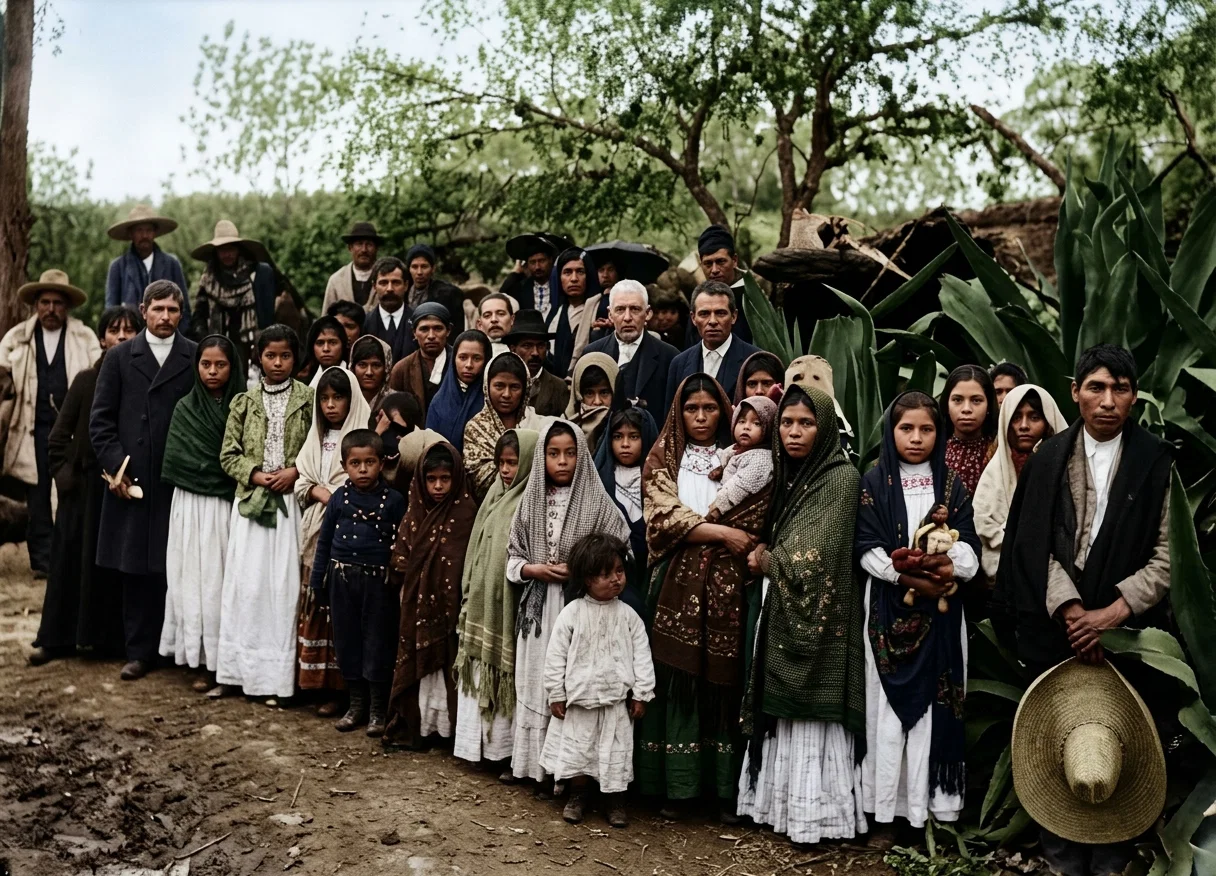
MEXICAN WORKERS AND SABBATH-KEEPERS
The time was occupied in studying “Patriarchs and Prophets,” the book which the canvassers in this field will handle during 1912, and the general principles underlying the canvassing work. The average attendance at the institute was about ten. At its close the workers went to their respective fields with renewed courage, determined to push the battle more zealously than ever before. Brother H. H. Hall of the Pacific Press and the writer assisted in the work of the institute. The studies in “Patriarchs and Prophets” conducted by Brother Hall were very helpful.
At the close of the institute I spent a few days in Guadalajara. Notwithstanding the unfortunate experiences that Guadalajara has had, the believers there are of good courage. They regret that after so much money has been spent in that city, there are only two native Sabbath-keepers in the place, but they are hoping for better things in the future. The mission owns a building of about fourteen rooms in the city, in which a medical mission has been conducted for some time. Dr. Alice M. Swayze is at present conducting the work in this mission. The brethren are anxious to get an energetic medical graduate to come in and take hold of the medical work, which gives good promise of success if it could be properly cared for and pushed.
I also visited Dr. J. W. Erkenbeck, who is in private practise in a mining town about twenty miles from Guadalajara. He is very much interested in the progress of the message, and hopes in time to be connected again with the organized work.
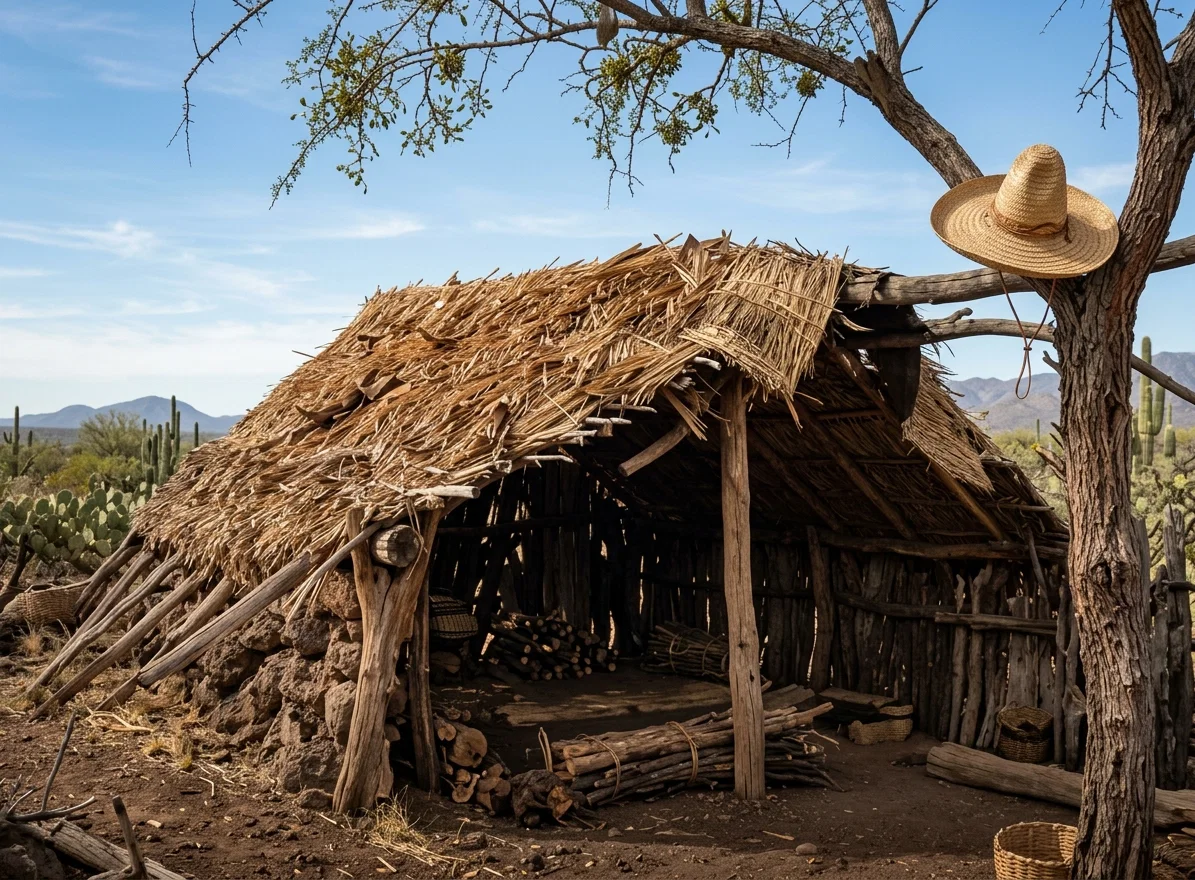
My next visit was to San Luis Potosi, where a good work has been begun among the natives. The first Sabbath after my arrival we held a meeting in a native colony about fifteen miles from the city. The brethren gathered there from San Luis and from two or three places in the country. Sixteen brethren and sisters went out from San Luis on donkeys, starting at two o'clock in the morning in order to be on time. When they were ready to start it was raining hard, but this did not deter them. I was more fortunate, as Brother Julius Paulson took me out in his automobile. We had a congregation of fifty, about thirty-five of whom were Sabbath-keepers. The accompanying cuts show the “Templo” in which our meetings were held, and our congregation. When the readers of this report see these pictures, they will understand why the brethren are anxious to have a different place in which to meet. Two hundred dollars (gold) would probably build them such a house as they desire for a place of worship.
On Sunday morning Brother Marchisio and I started on a four days' trip to visit other companies north of San Luis. Our first visit was at Moctezuma, where there are six members who have been baptized. We held a meeting with them in the evening, and spent the night at the home of one of these native brethren. The following day Brother Paulson joined us, and we visited another company of interested people in Matehuala, a mining town still farther north. The Quakers have had work established there for many years, and have conducted a good-sized school. Several of these Quakers are now interested in the truth. At our meeting in the evening a large number attended, including the Quaker minister.After spending the night there, we went about fifteen miles farther into the country, with a mule-team, to visit another company.
Through the efforts of Brother Marchisio a company of about twenty has been brought out from the Catholic Church in this place, sixteen of whom have already been baptized. A plot of ground has been bought by the mission here and a little stone building erected, at a cost of about $250, which serves for school and meeting purposes. These brethren are very poor in this world's goods, but they are enthusiastic in the truth and are active in missionary work. We spent the night with them, returning the following day to Matehuala, where we held another evening meeting, and took the train at one o'clock in the morning for San Luis, reaching our destination Thursday morning in time for a nice Thanksgiving dinner at Brother Paulson's. In the city of San Luis, Brother Paulson is carrying on a successful bakery and canning business. He had a hard time in getting started a few years ago, having even to pawn his watch and some of his clothes to get money to buy flour; but at the present time he is selling one hundred fifty dollars' worth of bread a day, and about thirty to thirty-five thousand dollars' worth of fruit a year. He bakes two batches of bread on Friday, so as to close his bakery on the Sabbath. His bakers and other employees like this arrangement, as it gives them one day free.
MEXICAN “TEMPLO” WHERE MEETINGS WERE HELD
Brother Paulson's heart is in the work, and his help in the meetings in San Luis is very much appreciated. There are about twenty believers in the city of San Luis.
There are favorable openings for missionary work in several places in and around San Luis. The mission committee has asked the General Conference to send them a man to help develop these interests, and also for two others to locate in centers, where the interests are said to be still more promising. Notwithstanding the revolution through which the country has passed, and the unsettled state of things which still exists, the book sales for 1911 will amount to over $25,000, Mexican, as against $14,000 the previous year and $11,000 in 1909. The prospects for an abundant harvest of souls in Mexico never were brighter than they are at present.
N. Z. T.