DAMASCUS

17%

Review and Herald Publishing Association · Washington, D. C. · Aug 31, 1905

FromReview and Herald, Vol. 82, No. 35.

Read the full edition
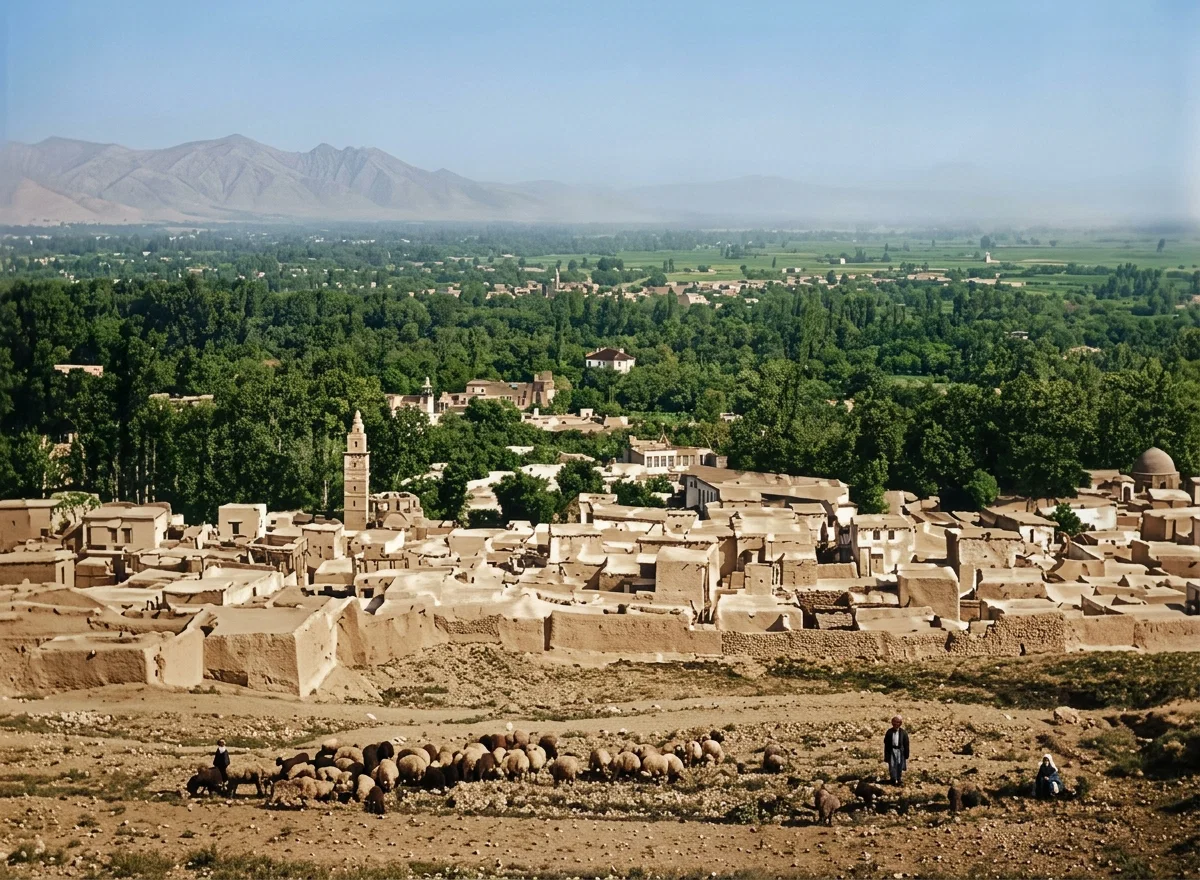
DAMASCUS

This celebrated city of Syria is one of the most ancient cities in the world, having been in existence as early as the time of Abraham. It is situated in the midst of a very fertile plain, at the foot of Mt. Libanus, about fifty miles from the sea, and is nearly surrounded by hills. The city and suburbs are well watered by fountains and streams, and the natural beauty of the place was such that in ancient times it was considered one of the four paradises of the East.
Damascus occupies a prominent place in sacred history. The city was taken by King David, but was lost to the dominion of Israel near the close of Solomon's reign. Rezin and Benhadad were two of its kings who are mentioned in the Scriptures. The city was many times besieged, and often changed masters as a result of the fortunes of war, yet it never permanently suffered from these vicissitudes. Since the time of the Crusades it has remained under the Ottoman dominion.
Damascus was the center of important events in the days of the apostles. It was close to Damascus that Saul, “breathing out threatenings and slaughter” against the Christians in the city, was converted by the sudden vision that fell upon him, and became Paul the apostle. The street called Straight, to which Ananias was directed in his vision, is still a principal street of the city, extending east and west across the city and suburbs to a length of about a league in a direct line. The traveler is shown the places where, according to tradition, Paul lodged in the city, and where he received his sight; also the place which tradition marks as that where Paul was let down from the wall in a basket to escape from the Jews.
The present population of Damascus is between one hundred thousand and one hundred and fifty thousand. The Greek Church has the strongest following in the place outside of Mohammedanism. The houses are mostly of poor appearance externally, but are said to have quite magnificent interiors. About three miles from the city is the celebrated “plain of roses,” a large tract devoted to the careful culture of rose trees, from which place comes the “attar of rose” perfume.