Palestine

8%

Review and Herald Publishing Association · Washington, D.C. · Sep 28, 1905

FromReview and Herald, Vol. 82, No. 39.

Read the full edition
Palestine
M. E. KERN
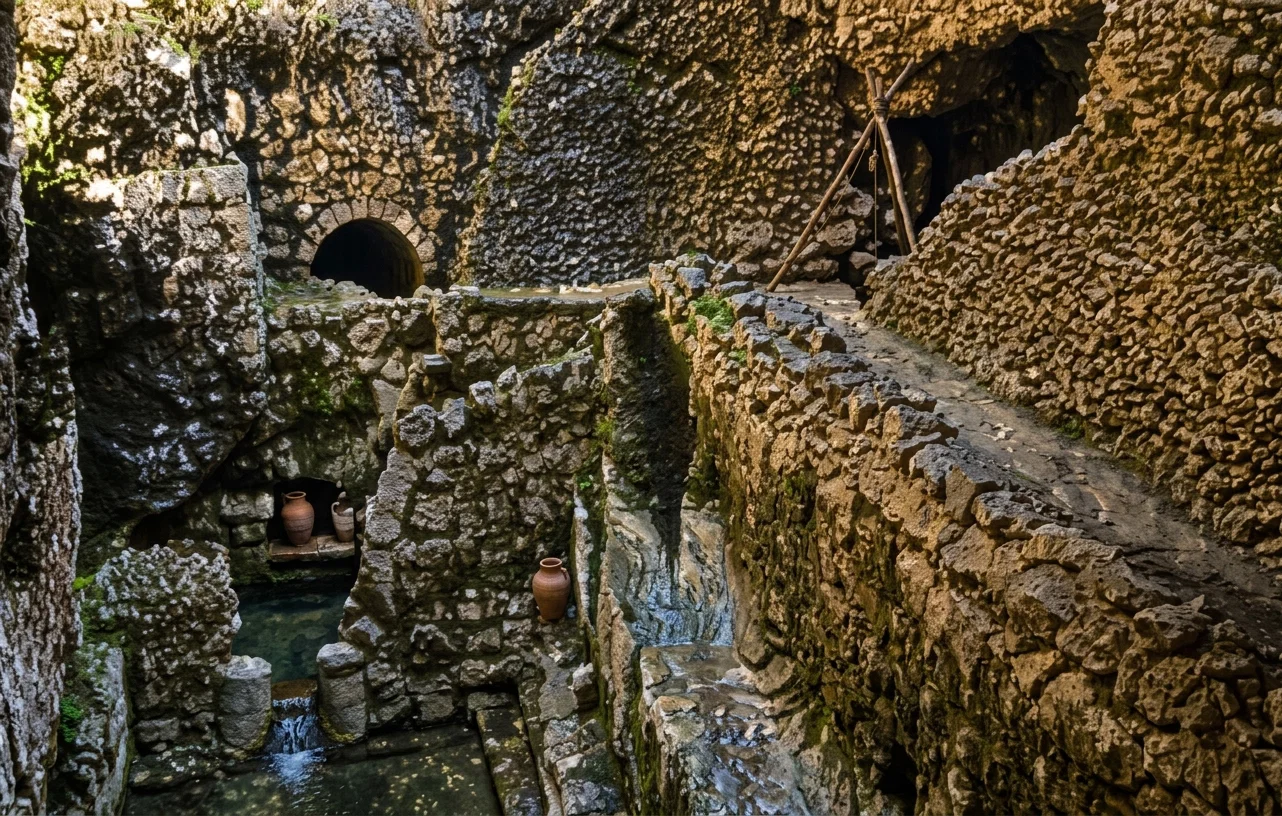
THE POOL OF SILOAM, SHOWING OUTLET OF THE CONDUIT IN WHICH THE SILOAM INSCRIPTION WAS FOUND
The land of Palestine has not yet revealed much archeological material. Doubtless it will reveal more as the Palestine exploration society and others proceed with their work. In 1880 two boys bathing in a conduit that empties into the Pool of Siloam found an inscription on the side of the conduit cut in the rock. The picture shows the old pool and the outlet of the conduit. The inscription refers to the digging of the conduit and its completion; how the workmen, working from both ends, heard each others' voices when three cubits distant from each other, and how they suddenly met. The conduit was probably built in the time of Hezekiah, and the inscription shows considerable skill in engineering.

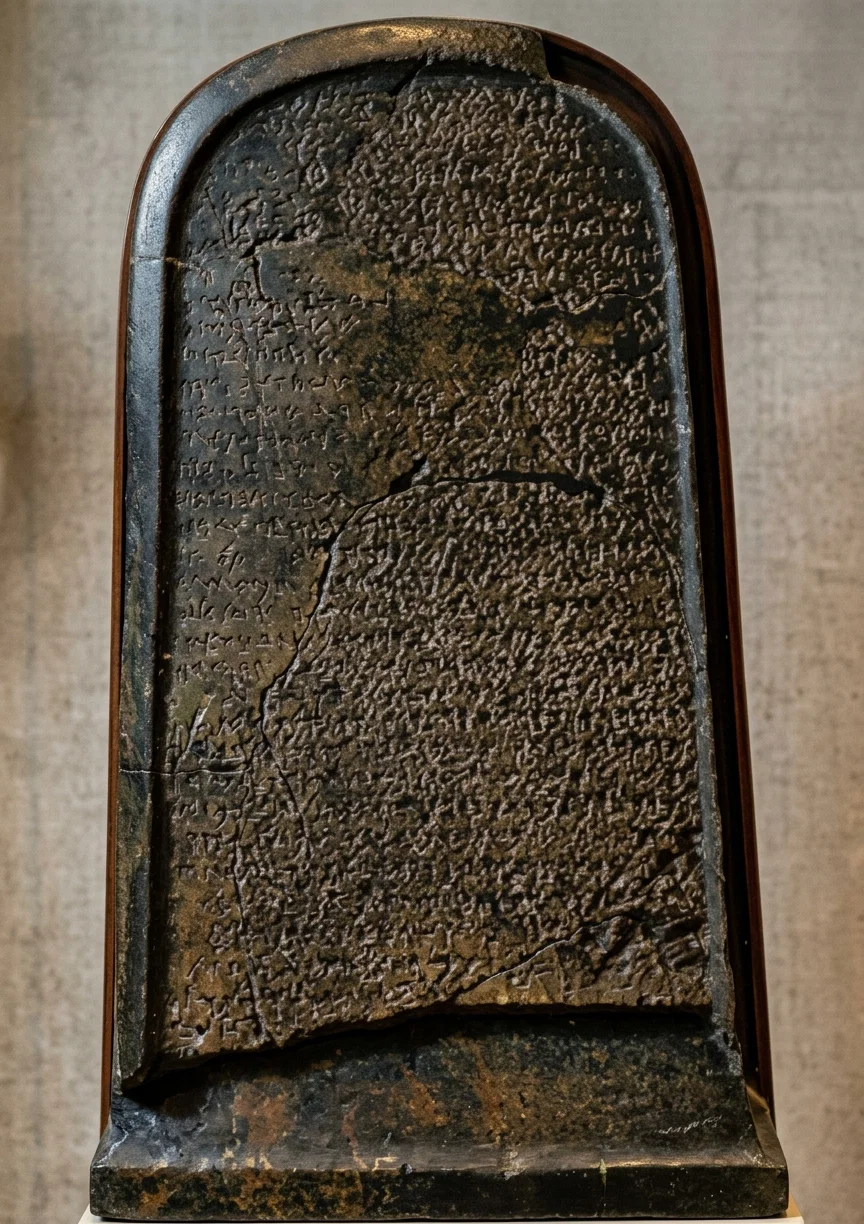
The Moabite Stone

THE MOABITE STONE
THE MOABITE STONE
In 1868 there was found at Dibon, in Moab, by a German missionary, a black stone two feet by four feet and fourteen inches thick, which contains the most ancient Hebrew writing known, and is a supplement to 2 Kings 3. After much negotiating, the missionary purchased the stone, but through interference of the French it was not delivered, but was broken into pieces by the Arabs and distributed among them, they thinking there was some charm about so valuable a stone. The pieces were afterward nearly all collected and put together, and the stone can be seen in the Louvre at Paris. It is an inscription of Mesha king of Moab to commemorate his deliverance from the yoke of Israel, 850 B. C. It is indeed a remarkable inscription.

Conclusion

So we might go on. Enough has been said to show that Oriental archeology does indeed throw light upon the Old Testament. Day by day as the work proceeds, new light is thrown on the Sacred Word. The narrative of the Old Testament, whenever tested by contemporaneous documents, has been shown to agree in the minutest details. While inscriptions are found which supplement and illuminate the Bible, none are found which in any way seriously contradict it. On the other hand, apocryphal books like Tobit and Judith, or the histories of the East preserved in the old classical writers, will not bear the test of appeal to the native inscriptions. But the Bible stands. In the words of Professor Sayce, 'The long-forgotten empires of the ancient East have arisen out of the grave of centuries to testify to the truth of the oracles of God.'
I hope that what I have written may increase the interest of the reader in these things, and lead him to a closer study of this subject, a subject not without difficulties, as I have pointed out, but one yielding rich returns. Every point of truth must be defended, and we need every ray of light that can be thrown upon the Sacred Word in this faithless generation.
College View, Neb.