The Chileans

8%

Review and Herald Publishing Association · Washington, D. C. · Mar 16, 1905

FromReview and Herald, Vol. 82, No. 11.

Read the full edition

The Chileans

MRS. ELVA KETRING
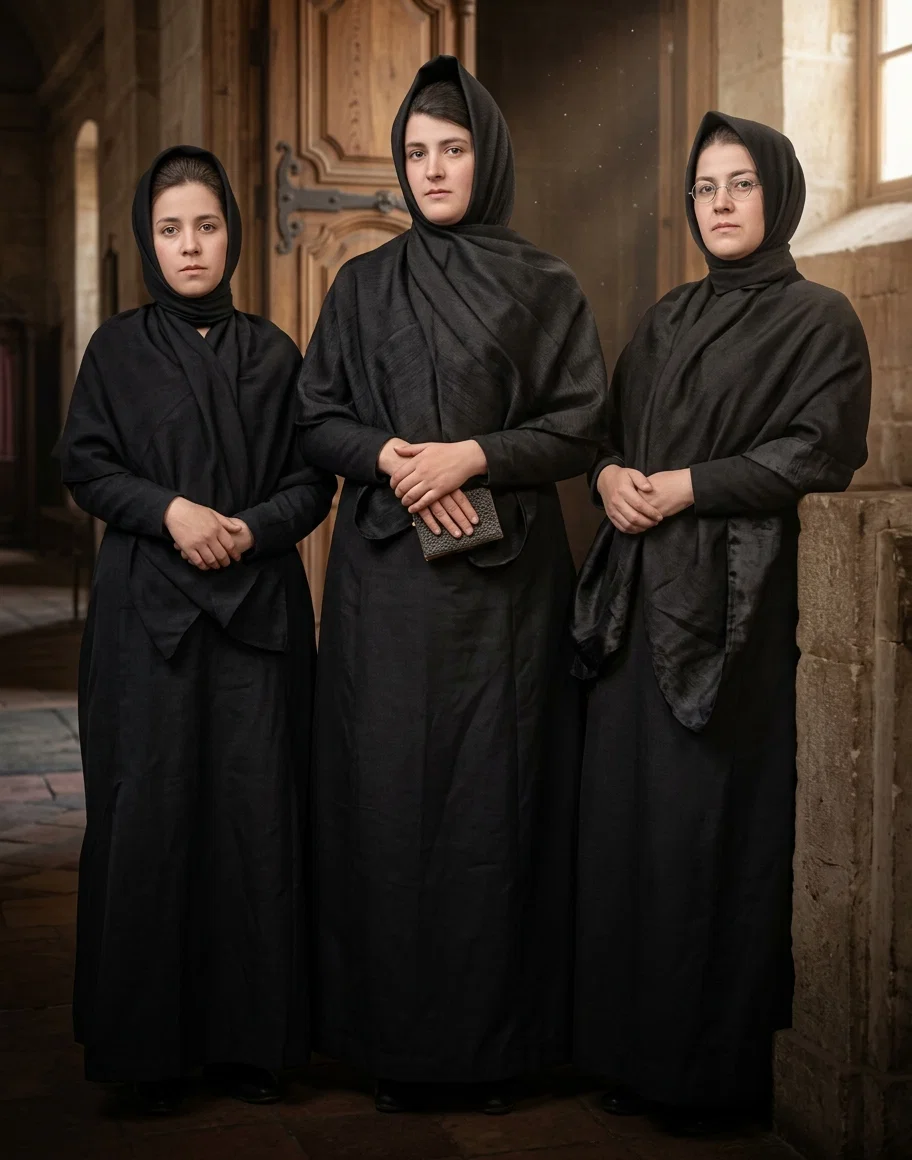
OUR illustration shows the typical Chileans, with manta. In this dress you will see the Chileans tripping to the Catholic church early Sunday morning. The manta is a large piece of black cloth, and may be of cotton or silk. It is used summer and winter, and is worn by some very gracefully. In this modest dress the churches present quite a different aspect from our churches in the United States, where the latest styles and heavily trimmed hats are worn.
NATIVE CHILEAN HEAD-DRESS
The manta also serves equally as well for a street costume, especially in the morning. And the poorer class use it at all times, or go bare-headed. With a well-powdered face, it is conveniently thrown over a dirty garment to hide it, and the lady is dressed for shopping.
As they are not allowed to enter the churches in any other dress, rich and poor bow alike together. The services are mostly attended by women. If the men go at all, it is to accompany them home after service, when they meet them at the door. For a young girl to walk on the street alone is considered improper. The moral condition of the country makes it necessary to be careful in this respect. Even when accompanied by a young gentleman friend, she must also have her father, mother, or some other friend with her.
For a Chilean not to be a Catholic, is to be out of caste; and those who have been converted are made to suffer. The children are taunted as they pass, being told that one “can see the smoke rising from them;” that “the devil is just behind them,” etc. This may seem to us only a light matter; but when we consider the darkness and superstition in which they have been raised, we shall see why it means more to them than it would to us. Many, even of the grown people, yes, a large portion of them, are not able to read the Bible for themselves, and can not tell their own age.
A minister who was passing the house of an English family, being fond of children, took a little girl of twelve on his horse, and asked her if she loved Jesus. The innocent reply came that she did not know him. “Where does he live?” she asked.
It is among these that we have been holding a Sabbath-school; and the children eagerly listen to the Bible stories, and readily learn their lessons. We have all ages in the same class—from fifteen down to four years. Even the oldest are not able to read, so they must all be taught in the same way. But instead of becoming restless at the end of twenty minutes or half an hour, they beg for another lesson. It is rather amusing sometimes to see the larger ones singing “Little feet, be careful.”
The grown men among the poorer class of the natives are indeed only “boys grown tall.” But many of them are glad to learn of the One who loves them.
One of our poor neighbors asked, the other day, “How much would it cost to enter this religion?”
“Come over and help us”—the cry still comes.
Valparaiso, Chile.