An Industrial School in the Orient

9%

Review and Herald Publishing Association · Takoma Park Station, Washington, D. C. · Jun 9, 1910

FromReview and Herald, Vol. 87, No. 23.

Read the full edition

An Industrial School in the Orient

R. B. THURBER
We are happy to sound a note of courage from Meiktila, Burma, in our first report to the readers of the REVIEW. At the last General Conference, Elder H. H. Votaw made a strong plea for a teacher to start an industrial school at this place in central Burma. We were sent in answer to this call, and arrived in Meiktila on January 11 of the present year.
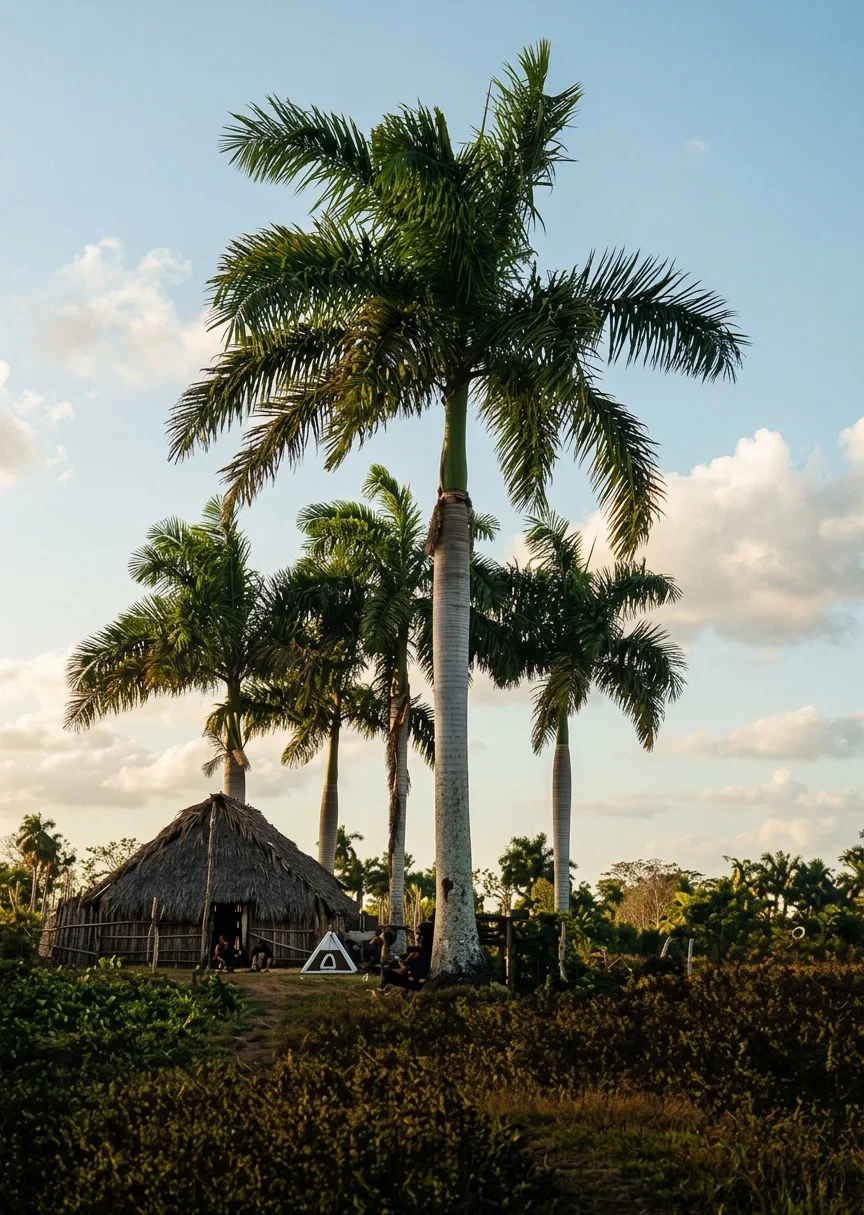
ROYAL PALMS, CUBA
ROYAL PALMS, CUBA
We believe God has opened the way for a good work to be done here among the Burmese. Seemingly by accident the truth came here, one influential man accepting the message, and telling its principles to all whom he met. The people were especially impressed with our health and educational principles. They urged that we start a school, and have worked enthusiastically in its behalf. They believe that eight thousand dollars can be raised here in the field to erect buildings. Several hundred dollars has already been contributed. A grant of seventeen acres of land has been secured from the government, adjoining which is much low rice-land, which can be purchased at a low rate, and irrigated.
Elder R. A. Beckner is with us for a time, also David Hpo Hla, our Burmese worker, who is also our Burmese teacher. According to the general plan, we settled down to study the language, that we might be better able to work for these people. We expected no interruption for the first year; but the Burmese urged us to begin our work, even in a small way, to show the people that we were in earnest, so that more money would come in. Besides, their children had been taken out of other schools, and were waiting. After considering the matter carefully, it seemed the Lord’s leading, so we consented to give them three hours a day for the present. They rented a large store in the center of the town, and we began school on March 15, with fifteen boys, ranging from ten to twenty-five years of age. We are discouraging a large attendance, but many want to come. The school is held from seven to ten in the morning, thus being over before the heat of the day, and we have the rest of the day for language study.
Not the least of our troubles is in the line of discipline. The time-worn habit of shouting their lessons aloud still clings to them, and they can not be made to understand that comparative quiet must be preserved. We have only crude benches and tables, and not enough of them. But we are purchasing some tools and lumber, and, with the help of the boys, will make properly shaped seats and desks.
The Burmese desire to have the work started on a right basis, so we have better facilities in the way of maps, etc., than many schools in America. A signal victory was gained in persuading them to introduce our “True Education Series” of school readers. The system of correlation taught in them is excellent for our work here. More and more schools are destined to be established beyond the seas.
We have heard that some of the parents object to our teaching the Bible in the school, but we made it plain that such teaching is a part of our plan. However, we told the boys at first that they need not enter the Bible class unless they wished. Then we endeavored to make the wonderful story of creation and salvation interesting to them, and now all are glad to stop everything and listen intently.
We are fitting up the schoolroom for meetings, and soon will begin to proclaim the truth from the pulpit. Brother Hpo Hla will speak himself, or will interpret for us. We find it well to begin with the health principles; for the Buddhists feel that we have special light in that line.
The language is hard to learn, and not easily picked up, like the Hindustani, which latter tongue is spoken by the servant classes here. Yet the Burmese can be acquired, and we hope by the close of the year to be doing some work in the vernacular.