Nagoya, Japan

9%

Review and Herald Publishing Association · Takoma Park Station, Washington, D. C. · Sep 21, 1916

FromReview and Herald, Vol. 93, No. 47.

Read the full edition

Nagoya, Japan

F. H. DE VINNEY
NAGOYA is two hundred and thirty-four miles west of Tokio, and is the fourth city of Japan in population and importance. Near here Kato Shirozaemon made his kiln in the thirteenth century, and originated the Japanese pottery art, and its chief products yet are porcelain and cloisonné. In the city is the famous Nagoya Castle, with the golden dolphins glittering in the sun from the top of the five-storied donjon. It is said that the fish scales were made from 17,975 pieces of old Japanese gold coins valued at $175,000. The castle dates from 1610, and is one of the best preserved in Japan, now being a detached imperial palace.
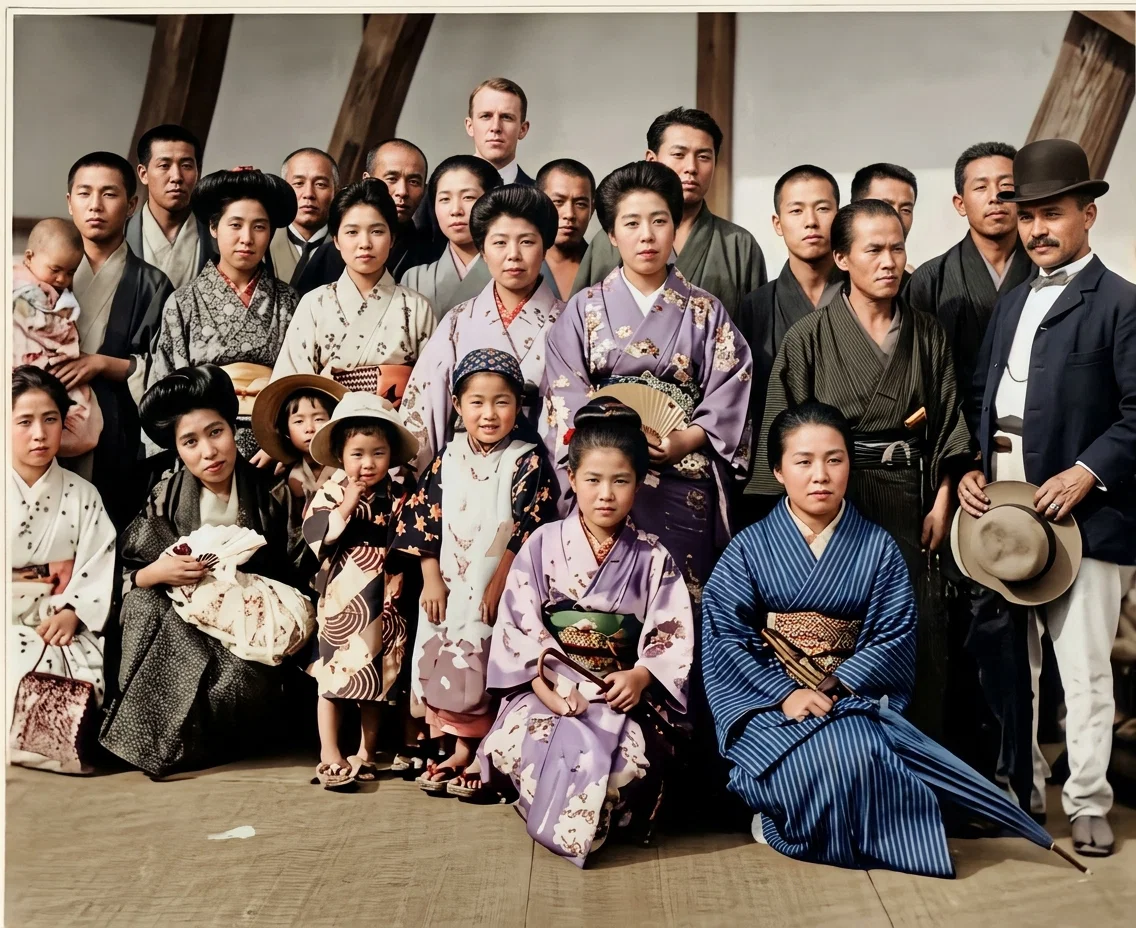
THE NEW CHURCH COMPANY AT NAGOYA, JAPAN
Our work in Nagoya began in the year 1911, when Brother Y. Watanabe went to the city to canvass and do Bible work. He found it very difficult to get started in Bible work, as no homes were open to him; but by perseverance he found here and there a person willing to come to his home to listen to the message, and occasionally he gained access to a home to study with some member of the family. This continued until the summer of 1914, when a tent and some additional workers were sent to assist him, and public work was begun to develop the interest which his private work had created.
Two series of meetings were held in different parts of the city the first season. This was repeated the second year, when Elder B. P. Hoffman, having been appointed director of that district, assisted in the tent work a portion of the tent season. In all, four public efforts were made with the tent, and each resulted in some taking their stand for the truth. After the work in the tent, the interest was followed up by personal work, and public meetings in a kogisho, or preaching place, where the little company have been meeting for worship and instruction on the Sabbath and midweek.
Among the first converts through the personal labors of Brother Watanabe was a business man of middle age, who, when a young man, was quite prominent in the agitation for a constitutional government. As the result of the violence of a few hot-headed ones connected with the movement, he with some others was arrested, tried, and sentenced to death. A number were executed, but he succeeded in obtaining a commutation of his sentence to imprisonment for life. After the promulgation of the constitution, he, having served ten years in a Hokkaido prison, was pardoned and given his liberty. During the second tent season, and since then, though entirely self-supporting, he has been doing the same work as a paid laborer of the mission, and much of the success of the work in Nagoya is due to his efforts and influence.
On June 22, 1916, in company with Elder T. H. Okohira, I went to Nagoya, where we met Elder Hoffman by appointment. In the evening the company of believers and interested ones were instructed in the ordinance of baptism, by Elder Okohira, and the next day all went out of the city nearly three miles to the riverside, where Elder Hoffman baptized six adults. On the morrow, Sabbath, an all-day meeting was held in the kogisho. Lunch having been provided, all remained through the day. After Sabbath school the Nagoya church was organized, with a membership of eighteen. Officers were elected and ordained. Elder Hoffman spoke on the ordinances of the Lord's house, after which they were celebrated by the new church.
This little company are well instructed in the points of our faith. They are full of zeal for the Lord's work, and we hope and pray that all may be faithful and help finish the work in Japan. The membership reported does not include seven or eight others who have come into the truth here through the faithful labors of the Nagoya workers, as they have removed from the city, and are members of other churches, but nearly all are connected with the mission as canvassers or Bible workers.
We greatly rejoice over the addition of this splendid church to the few we have in Japan. While not large in membership, it is as great a triumph of grace, and represents as great effort, as many a larger church in more favored fields.
While our work in Japan seems much like the gleaming of the field, yet we believe there are still many others just as precious as these, who will yet hear and obey, and the evidence the Lord gives us from time to time that he is with us, encourages us to press on and labor and endure to the end.