IN THE BALKANS

10%

Review and Herald Publishing Association · Takoma Park Station, Washington, D. C. · Oct 9, 1913

FromReview and Herald, Vol. 90, No. 41.

Read the full edition
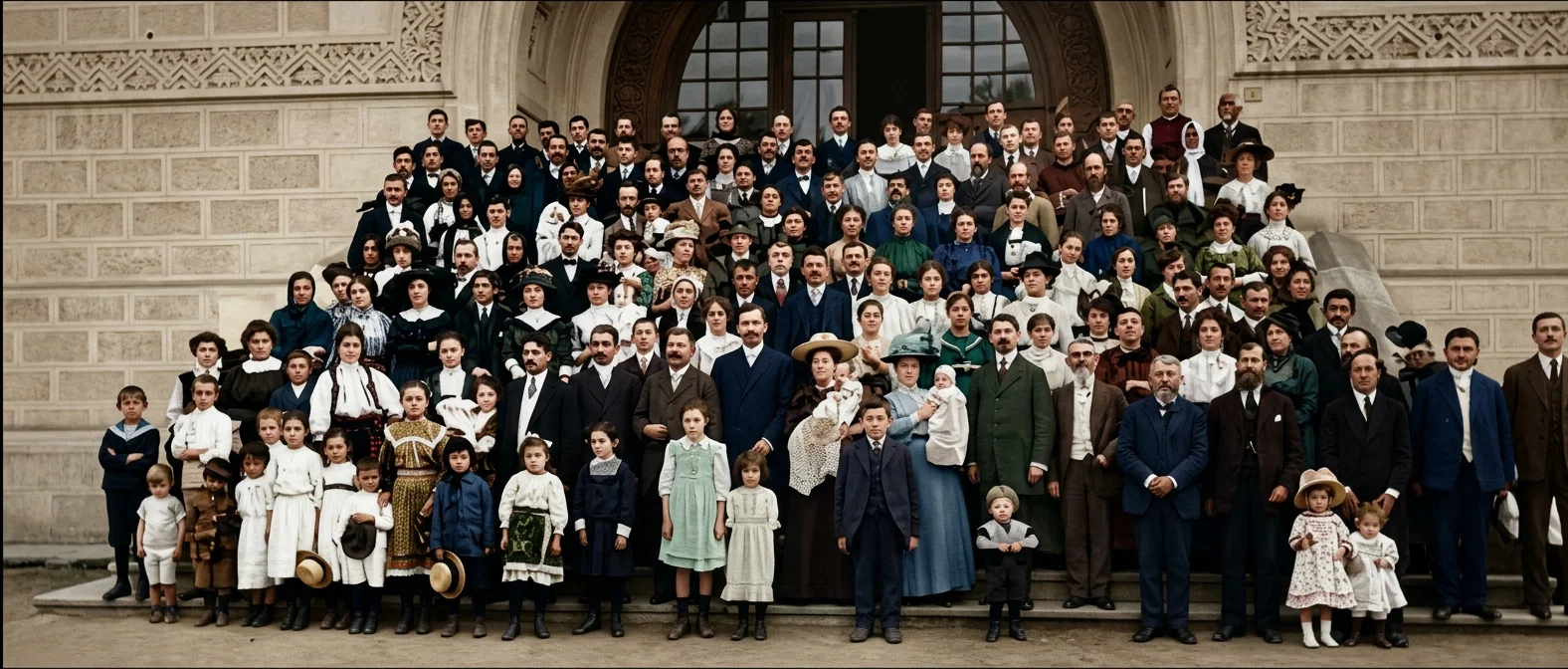
MEMBERS OF CHURCH IN BUKAREST, CAPITAL OF ROUMANIA

IN THE BALKANS

In Little-Known Albania and Greece
LIVING among his mountain fastnesses, the Albanian has cared little, if anything, for the outside world. For years he has been leading a life of half-warrior, half-farmer, just about as ready for one occupation as for the other. He may be a Mohammedan, Greek Orthodox, or Roman Catholic, but he is still a good Albanian patriot. No doubt he has been a thorn in the flesh to Turkey, which has sent expedition after expedition against him, which, though apparently successful, have never really subdued him. He loves his homestead and village, and his world has pretty well lain within the surrounding mountains.
Coming down farther south, into Epirus, we find the population largely composed of Greeks. Here it is very interesting to watch the country people coming into town to buy their provisions. The man generally rides on a pony or donkey, while his wife trudges along quite happily by his side. When she brings the baby, she brings the cradle too, and has both strapped on her back. This leaves her hands free to spin or knit as she walks along.
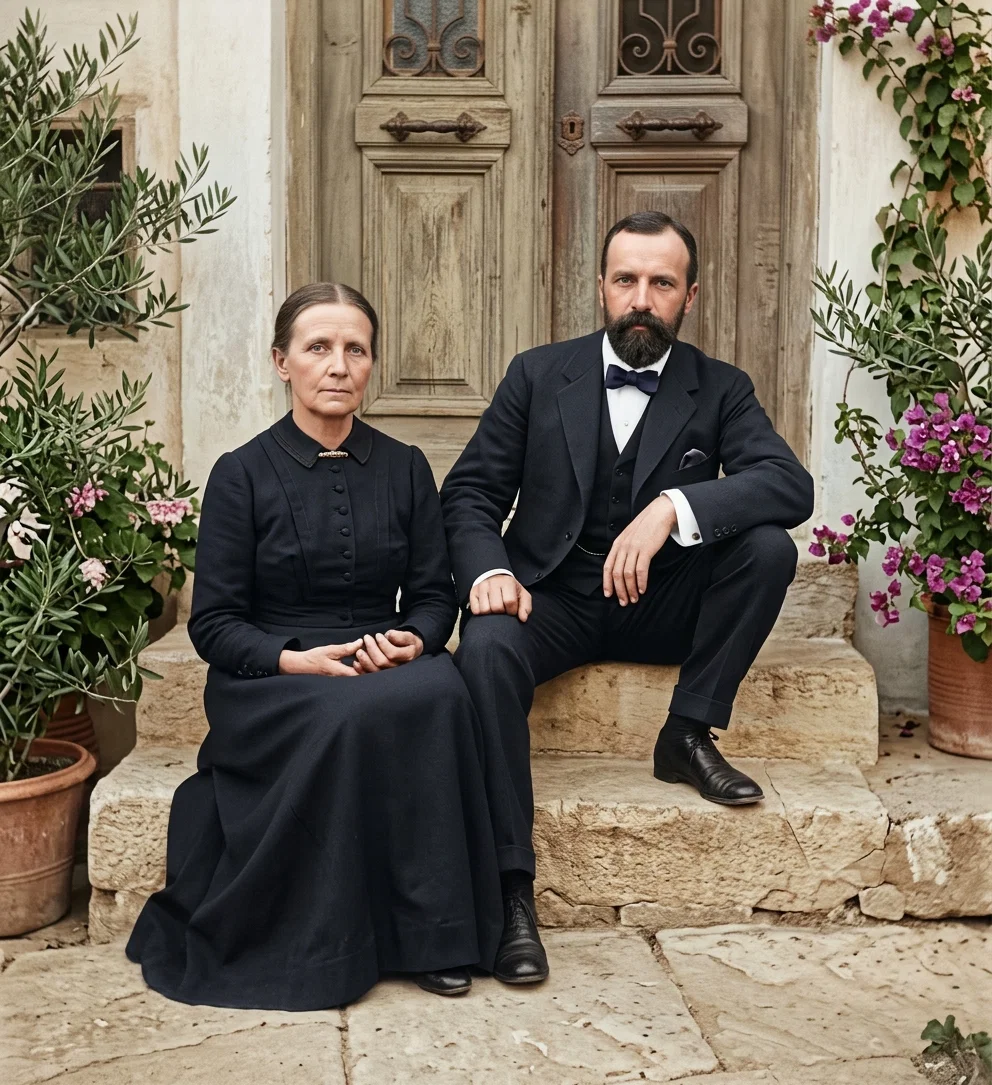
R. S. AND MRS. GREAVES, GRECIAN MISSION
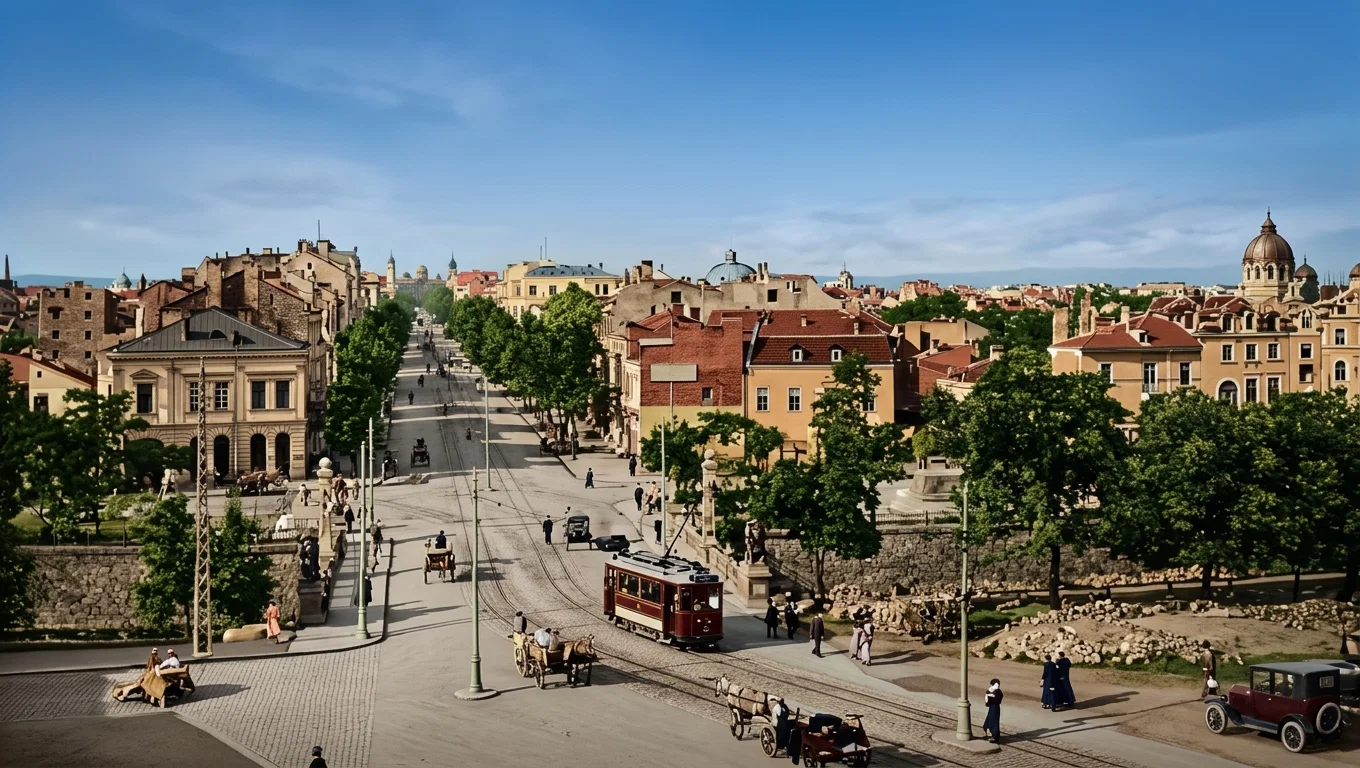
SOFIA, CAPITAL OF BULGARIA
Crossing the old Turkish border and entering Greek territory, one finds the religion just the same, except that the people do not close their stores or stop work on most of the holy days. In the large cities the people are becoming indifferent to religious affairs, and what attention they do give is more from a national standpoint. A patriotic Greek must be a member of the Orthodox Church, and to leave the church is looked upon as being unfaithful to the country.
In some respects we find the Greeks have changed very little from what they were nearly two thousand years ago. They look upon the missionary much as their fathers looked upon Paul when they said, “What will this babbler say? . . . He seemeth to be a setter forth of strange gods.”
The Word of God is practically withheld from the people. It is allowed to be published only in the ancient Greek language, which the common people do not understand. The need of the living Word is great, and we must pray and work to plant the leaven of truth among these people. At times the way seems so barred that we know not how to start. Then we seek the Lord, and he hears, praise his name! R. S. GREAVES.