In Siberia and Turkestan

11%

Review and Herald Publishing Association · Takoma Park Station, Washington, D. C. · Oct 9, 1913

FromReview and Herald, Vol. 90, No. 41.

Read the full edition

In Siberia and Turkestan

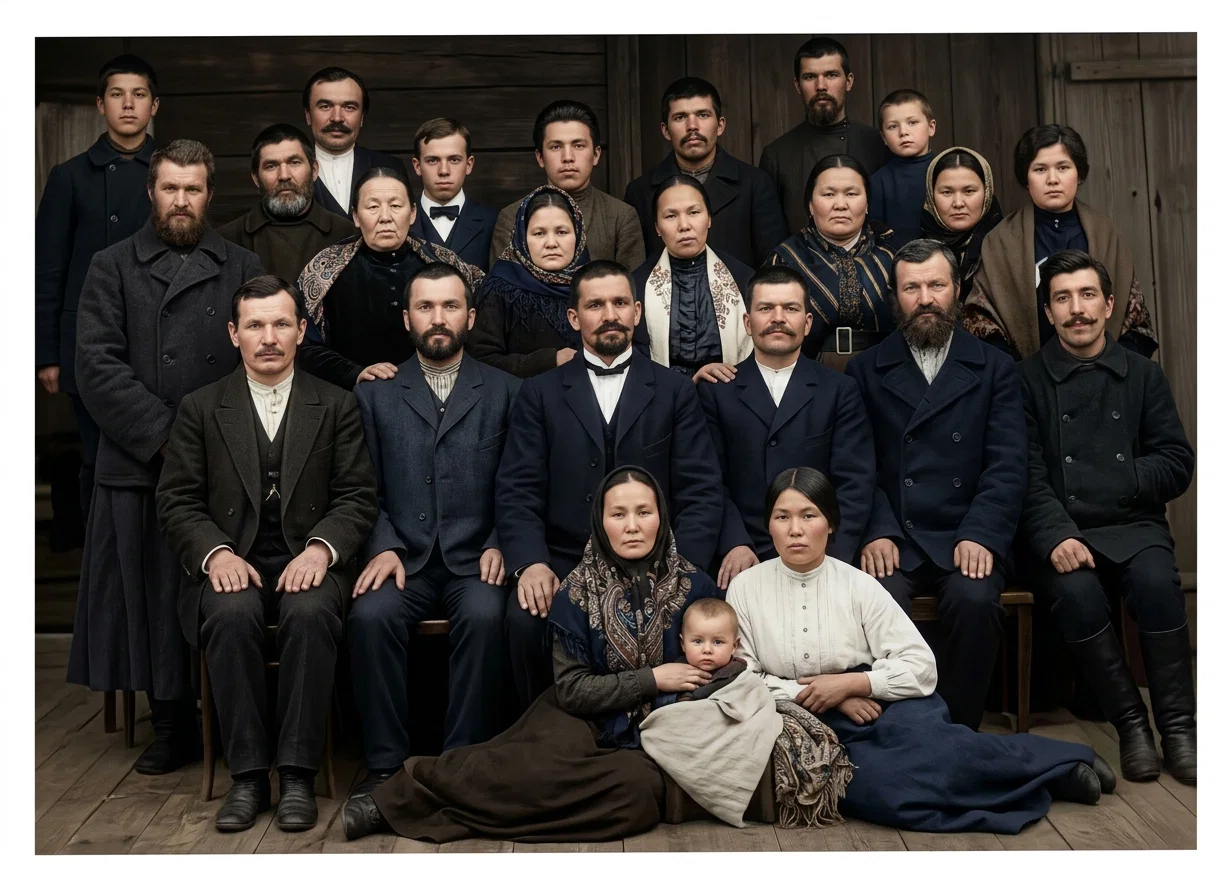
GROUP IN IRKUTSK, SIBERIA
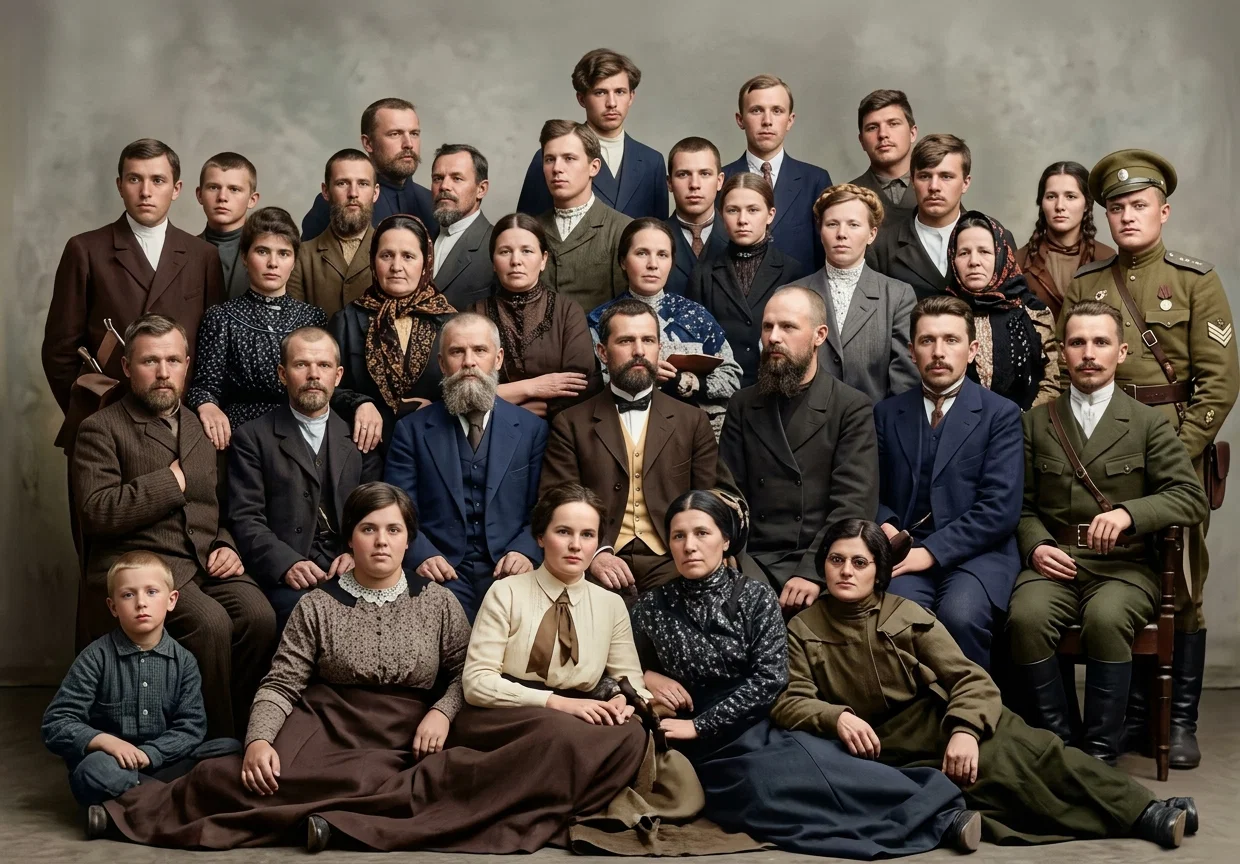
BELIEVERS IN HARBIN, RUSSIAN MANCHURIA
After a visit to churches in Simbirsk and Samara, in Siberia, I went on to Tashkend, in Turkestan. The journey is made comfortably by railway. After a few days we were in the wilderness indeed. The land looks like the rolling surface of the sea for hundreds of miles, nearly as far as Tashkend itself. I met with our workers and believers in the city and regions round about, and then went on to Orlof, toward the Mongolian border.
It was a week's journey to Orlof—by team. The rain had laid the dust, we were thankful to find. In the dry times, one can scarcely see the horses' heads before one's wagon. At night we usually stopped in some settlement of the Kirghis or Tartar people, though we preferred to sleep in our own wagon, feeling safer.
Arrived in Orlof, we found the believers of good courage, representing the “blessed hope” of the Lord's soon coming in that far interior of Asia. We had good, well-attended meetings, holding services every night in a schoolhouse. Some were baptized, and all were revived. We find the message spreading in Siberia, east and west, and in Turkestan and the south. Especially just now in eastern Siberia there is a longing for the advent message. One of our evangelists in Russian Manchuria reports that he is receiving letters from all sections to come and preach the message. At one place a company of fifteen has begun to keep God's Sabbath, and at another twenty, none of these ever having seen a minister. He pleads for more workers.
Russian Turkestan is also a land of romance, where years of war, strife, and massacre paved the way for the downfall of the Mohammedan civilization and the advent of Russian dominion. Here we meet with the famous cities of Tashkend, many of whose earth-covered roofs are laid out in flower beds; Samarkand, full of old architectural ruins, and containing the tomb of the renowned Oriental conqueror Timur Bey, of fourteenth-century fame. In the former city there are twenty-seven members in our church, and two persons are representing the message in the latter city.
G. Perk.
Saratof.