Najibabad, India

9%

Review and Herald Publishing Association · Takoma Park Station, Washington, D. C. · Apr 20, 1911

FromReview and Herald, Vol. 88, No. 16.

Read the full edition

Najibabad, India

S. A. WELLMAN
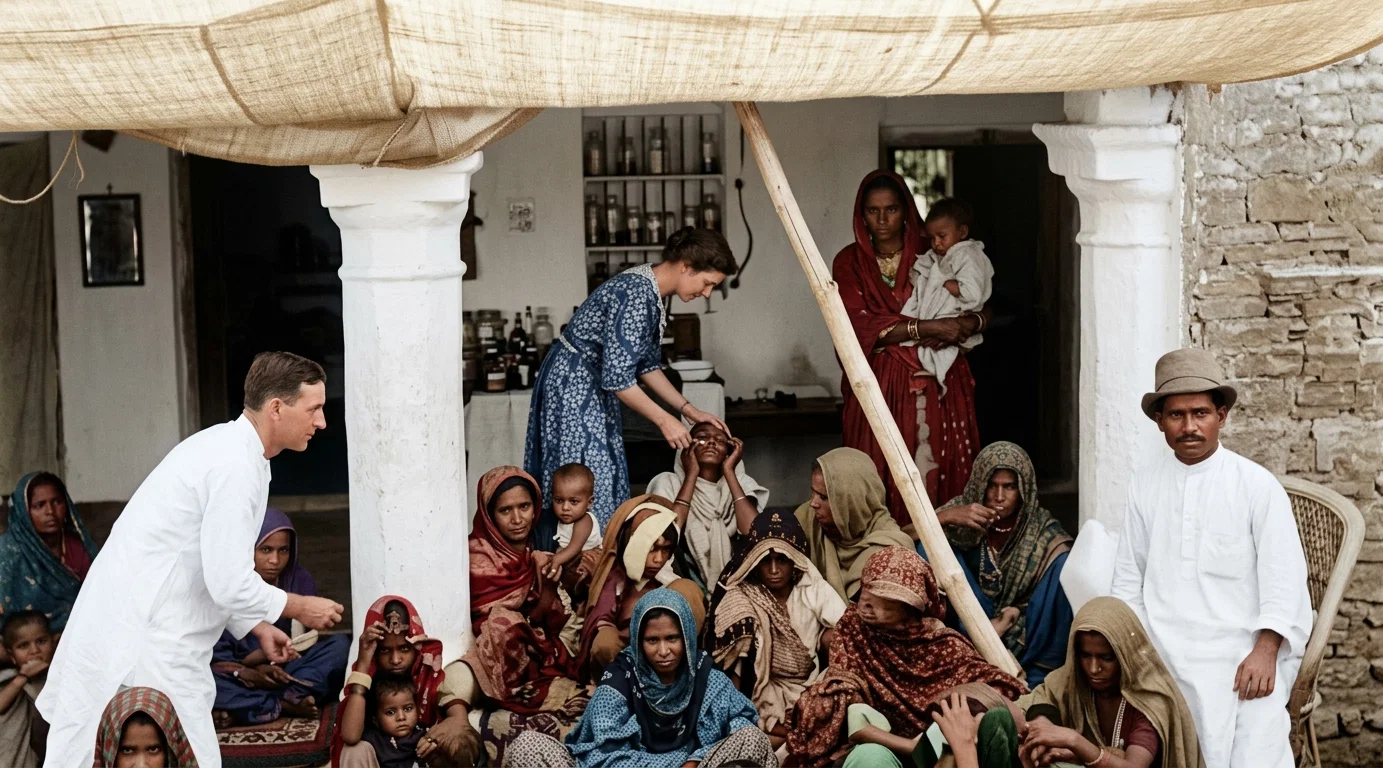
One year ago plans were laid for opening a dispensary at this place, a native city of two thousand inhabitants in the northern portion of the United Provinces. It is located on the plains near the foothills of the Himalayas, and has the advantage of a good climate. It has been worked but little by other missions.
Photo by S. A. Wellman
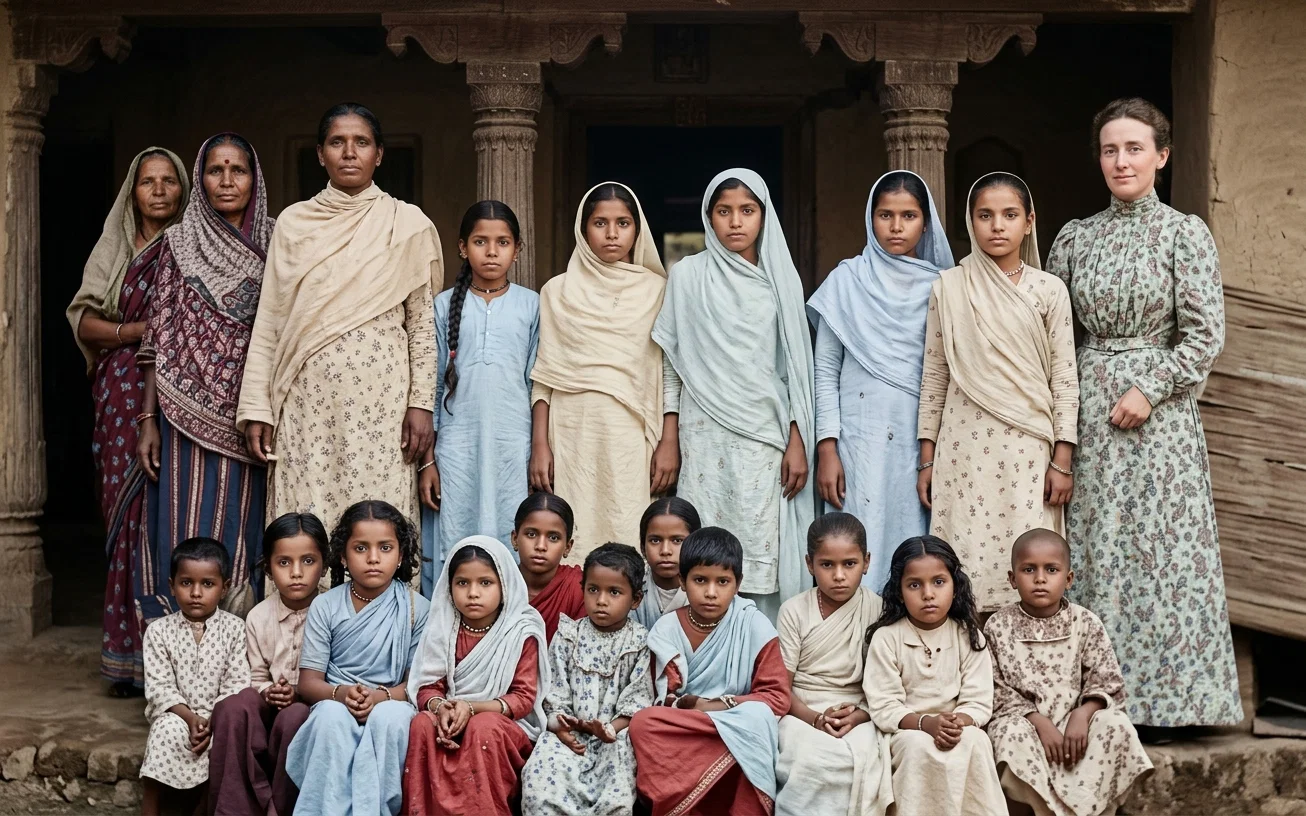
In March, 1910, the dispensary was opened, and about the same time the Girls’ School was transferred to that place from Dehra Dun. The work was carried on in both these branches until November.
Our dispensary, under the supervision of Sisters B. M. Kurtz and M. B. Shryock, with native assistants, has been a source of great blessing, and has done much to allay prejudice, and make warm friends among the people. One case in particular comes to mind. A Mohammedan woman from a village eight miles from Najibabad came to the city to obtain help at the time her child was to be born. Having been given up by the native midwives, and hearing of our workers, she came to this city. Being unable to find our dispensary, she went to the Mohammedan inn, expecting to die, when some one came in who knew our workers, and directed her husband to them. The nurses immediately went to her assistance. Although the child did not live, they were able to save the life of the mother. In a day or two she went home, after begging our workers to come to their village, not only to help them physically, but to teach them from the Bible concerning the Saviour. Later our workers visited the village, and found their hands full until late in the evening, and the people willing to listen to the truth, as well as to be helped in their bodily infirmities.
The reasons for the temporary abandonment of so favorable a location for our work are these: The workers were surrounded by native houses. Disease in every form could not be properly guarded against. Then came the epidemic of bubonic plague. Among the first to succumb was the son of our native brother. Our workers attended him carefully, in spite of the danger to themselves. For two weary months they remained, bravely doing their work, while the plague carried off its victims all about them. At night the silence would be broken by the wailing of those who had lost their loved ones, the weird cries and screams piercing the heart as one realized the cause of the sorrow. Conditions grew worse, until from twelve to fifteen were dying daily in this little city, and it was deemed best temporarily to call the workers from the station.
Word was sent them; but before they could leave, Sister O’Conner was taken with the dreadful disease. A telegram from Sister Shryock came to us in Lucknow, during the general meeting, just before the Sabbath service, telling us of the new development. Unitedly we sought God, who graciously brought deliverance, and our sister recovered. After two weeks’ isolation in grass huts, all our workers were brought from this station, with the hope that we might be able to renew the work in the city at an early date, when the plague should cease.
The proper way to work such places is to have buildings of our own outside the city proper, in a place where we can have good yards, plenty of fresh air, and be a little way removed from the unsanitary and at most times filthy conditions of the native quarter. Days spent in such surroundings while laboring for the people are sufficiently dangerous to health and life without having to spend the whole time facing death. As our workers go out into these places, they sacrifice much; but should they be expected to take their lives constantly in their hands? There is not one who is not looking forward to the day when the big fund will be raised, and we shall have the means to put up plain little homes for the workers, in good, open locations, from which they may go forth to their labor of love. Then we hope it will not be necessary to abandon stations to save the lives of the workers.
Lucknow, India.