West Indian Union Conference

4%

Review and Herald Publishing Association · Tacoma Park Station, Washington, D. C. · Jun 16, 1910

FromReview and Herald, Vol. 87, No. 24.

Read the full edition
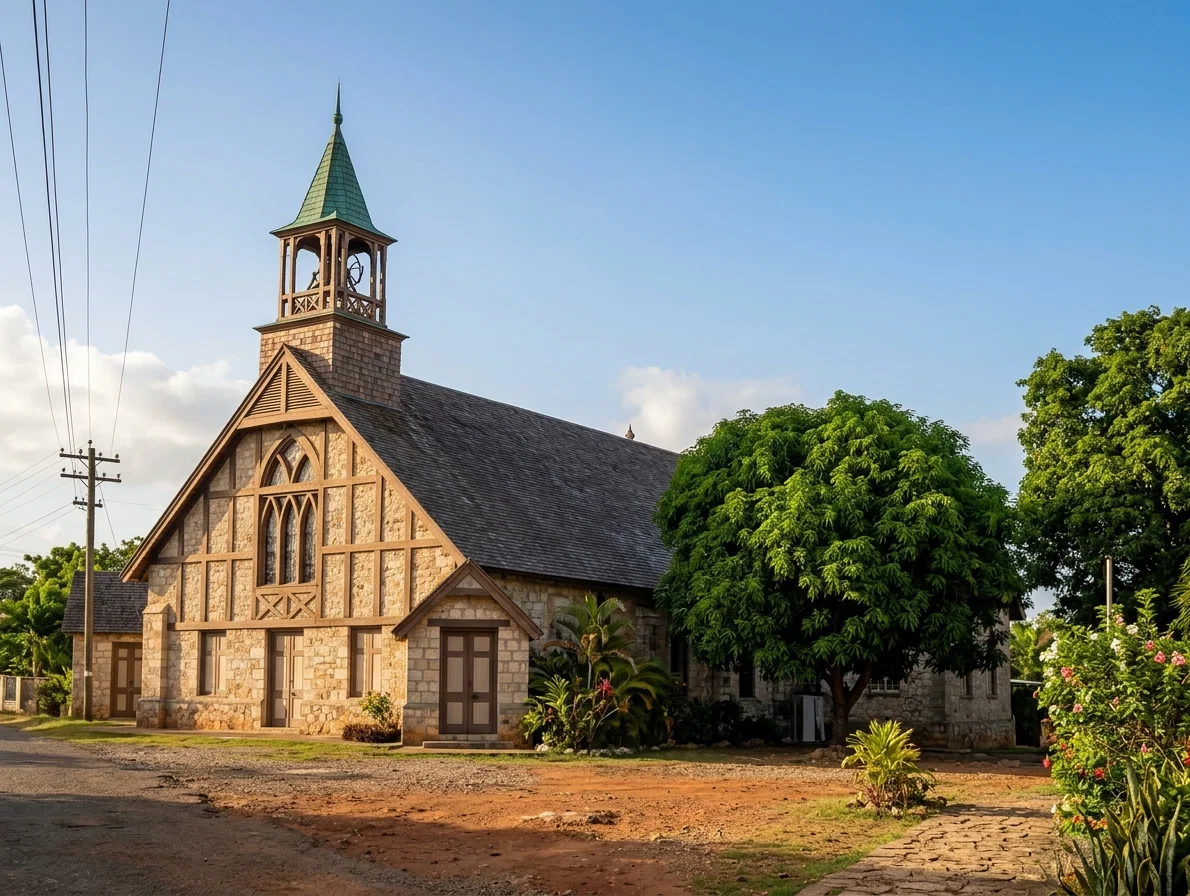
SEVENTH-DAY ADVENTIST CHURCH, KINGSTON, JAMAICA

West Indian Union Conference.

WITH the narrowing space at our command, we must summarize very briefly the report of this union conference, which, nevertheless, represents a large and active union. The territory comprises all the West Indian Islands, including Cuba and Porto Rico, Central America, British Guiana, Colombia, and Venezuela. Round this circle of the Gulf and the Caribbean Sea we have about four thousand Sabbath-keepers. Elder U. Bender, president of this union conference, says:—
These islands and the coast of the mainland contribute an interesting chapter to the history of the New World. Having been discovered by Spain, the banner of the Roman Church was unfurled at every point. While settlements were made in the interests of mission work, history reveals the fact that the church gathered wealth and increased in power, while the simple Indian people were wasted until at the present time but few remain. With the turning over of many of the islands to the English, Protestant customs and institutions came as a blessing to the people.
We have two million French-speaking people, four million English-speaking, and ten million Spanish in our field. At the present time no island of importance except Guadeloupe and Martinique (French possessions) are without a living representative of this message. Panama and all the Central American republics have been entered except Salvador. Venezuela and Colombia are unentered save by our literature.
We have a well-equipped printing-office at Cristobal, Canal Zone, where monthly issues of a Spanish and an English journal are printed. The union training-school is at Riversdale, Jamaica. Nearly all of the students work their entire way on the farm. They are an earnest, devoted band of students. At the time of the week of prayer, one of the girls having a desire to give to missions, but no money, offered for sale a penny postage-stamp to one of the teachers, and put in the price as her offering. It was all she had. I am sure the penny thus secured and given as an offering was as precious in the Lord's eyes as the widow's mite.

Haytian Mission

The director, Elder W. J. Tanner, of Cape Haytien, writes:—
Though the year has been spent in strengthening places already occupied, over thirty-five adults have professedconversion to the truth during the year. With one or two exceptions, all of these came from the Roman Catholic Church, which makes the number all the more significant. That which brings us greater joy, however, is the spirit of progress we have noted in our three churches and four companies.
Wherever we go, we get a good hearing, the interested ones being made up mainly of those who are anxious to find something that can successfully combat the two great systems of superstition, Catholicism and voodooism, the latter being a tremendous power in the island. At present our native preacher, M. Nord-Isaac, is holding a series of meetings in Port au Prince, the capital, with a good interest. We are in great need of another French worker.

Porto Rico and Santo Domingo Mission

On the removal of the Spanish publishing work from Porto Rico to Panama, Porto Rico was left without a worker until August, 1909, when Elder William Steele and wife, formerly of Ecuador, landed to take up the work. Elder Steele says:—
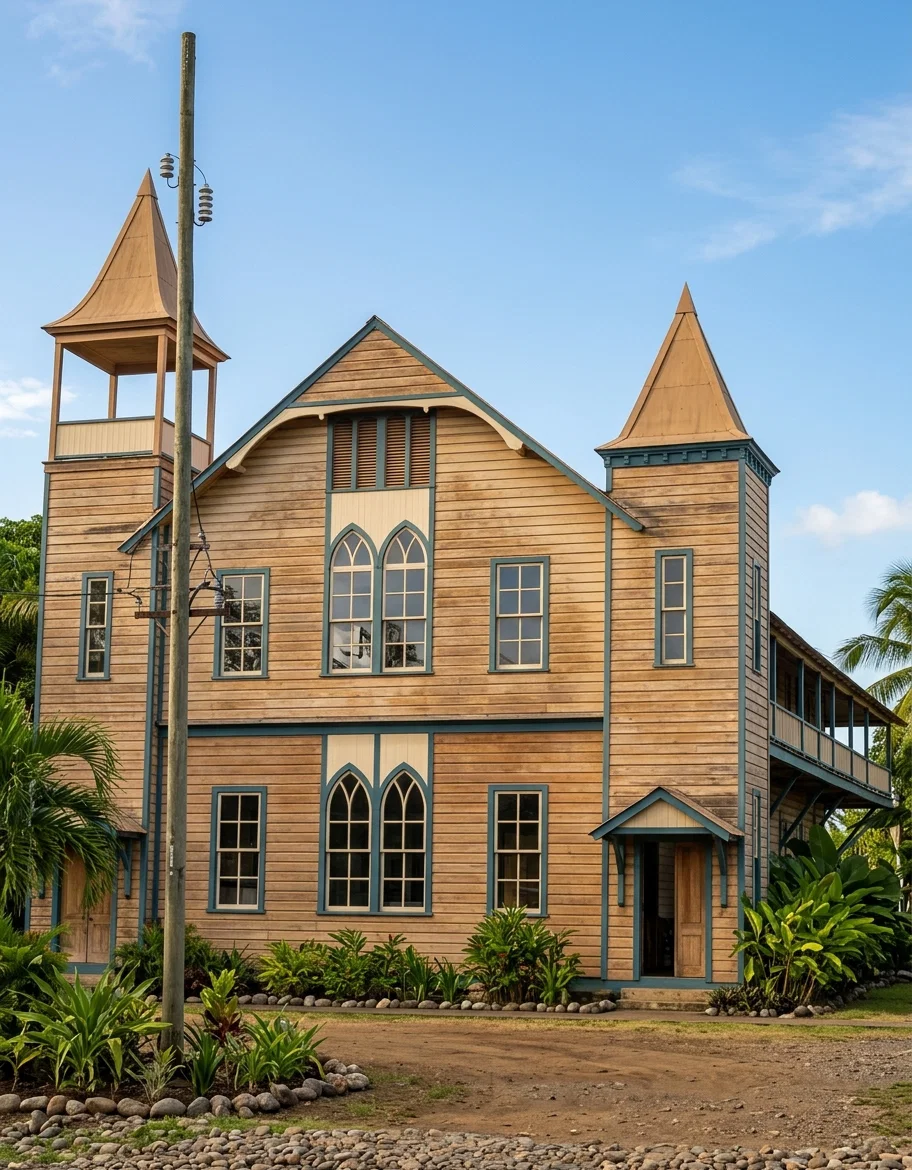
OFFICE, CRISTOBAL, CANAL ZONE
Many in a way hold to the Catholic religion, but the greater number are indifferent to truth. We located in Mayaguez, on the western coast, and have done some house-to-house work. At Arecibo we have held a few meetings with very good results. Several are desiring baptism, and others are interested. In order to demonstrate what can be done in the canvassing work, I have spent a month at it with excellent results, and trust that the scattering of our Spanish books may lead to further investigation. I am planning soon to visit Santo Domingo, where we have some believers, but no workers. We are expecting some canvassers in 1910, and hope another year to have more to report.

Cuban Mission

Elder E. W. Snyder, superintendent of the Cuban Mission, has reported encouraging results during 1909. There are churches at Omaja, in eastern Cuba; San Claudio, fifty miles from Havana; and in Marianao, a suburb of Havana, where the mission headquarters is located. The two former churches are composed of brethren who have moved in from the States. Of the quarterly meeting with the Marianao church, held just after the end of the year, Elder U. Bender, who was present, says:—
It was an all-day meeting. Sabbath-school was followed by examination of candidates for baptism. Seven were then baptized, and on returning from the river quarterly services were held until sundown. All the speaking was in Spanish or by interpretation. This church is almost entirely composed of Cubans, who have embraced the truth during the year.
Elder Snyder reports many others interested, and calls coming from various parts of the island. He has been the only ordained minister in the field. Several schools are being conducted, one at San Claudio by Brother S. H. and Sister Carnahan, and one at Las Tunas, by Brother J. E. Anderson. At Minas, in eastern Cuba, where Brother Guy Holmes has been working at his trade of carpentry, at the same time distributing literature and teaching the truth, ten or twelve are keeping the Sabbath. The year has been a good one in Cuba.
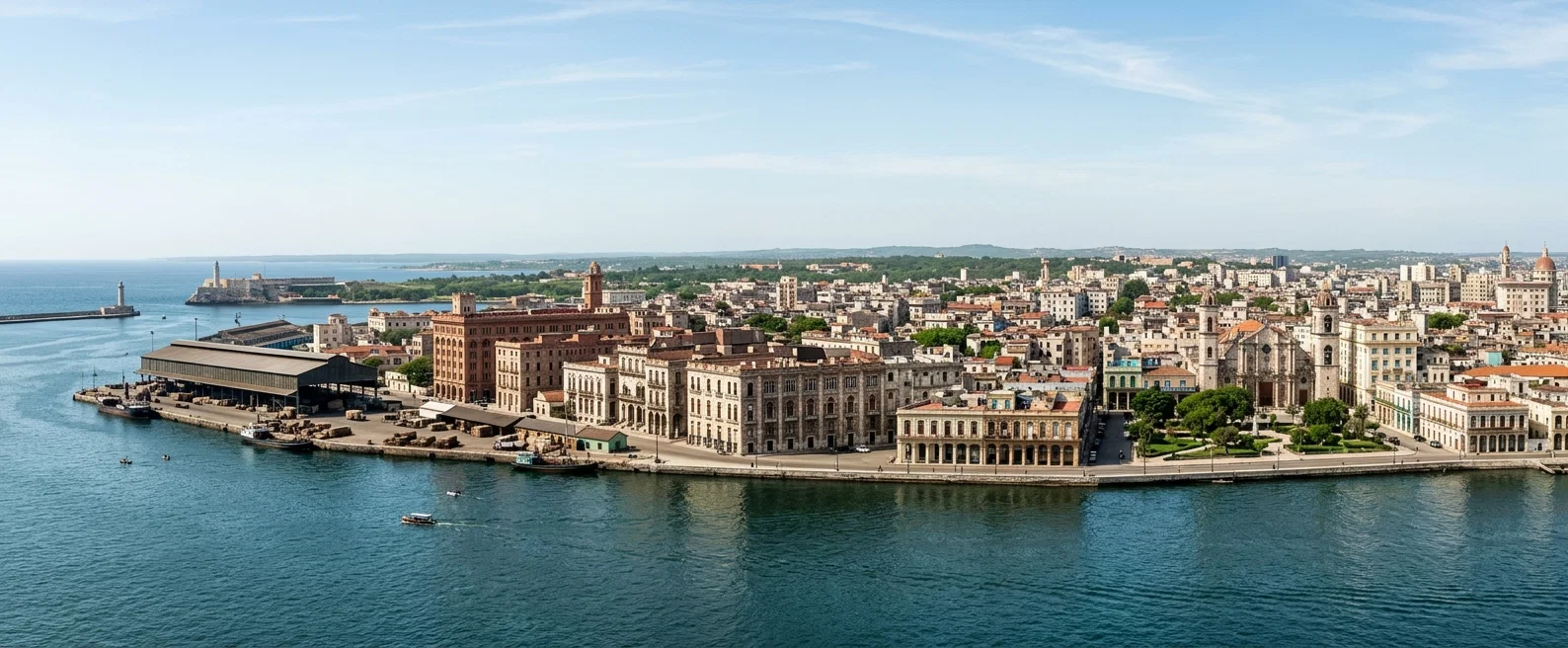
WATER FRONT, HAVANA, CUBA

Central American Conference

The work in this conference, which includes Honduras, Guatemala, and Salvador, has been much broken into, owing to the fact that the president, Elder E. L. Cardey, was compelled to return early in the year on account of his wife's health. A new president was not found until 1910. In the meantime Brother C. E. Morgan has been keeping in touch with the field as well as conditions allow from the Guatemala office, and Brother W. E. Hancock and his associates have been conducting an English school in Guatemala City. Elder L. E. Wellman joined the staff during the year, locating in Guatemala. Most of the believers in this conference are in the English-speaking Bay Islands, with others on the mainland of Honduras and in British Honduras. There are a few Spanish believers at La Ceiba and in the interior. The workers appeal earnestly for more laborers and the means with which to open up work among the million and more Indians of Central America almost untouched by any missionary effort.

General Word

We must pass, in a word, the reports from other portions of the West Indian Union Conference field. There have been additions to the believers, churches completed or newly erected, and a good sale of publications reported from the West Caribbean Conference, the South Caribbean Conference, and the East Caribbean Mission. British Guiana, by Elder O. E. Davis, reports a new church organization one hundred sixty miles up the Barama River, a new district for our work. Another mission site has been purchased one hundred miles up the Demerara River. There are more openings than the workers can possibly fill.