India Mission

3%

Review and Herald Publishing Association · Tacoma Park Station, Washington, D. C. · Jun 16, 1910

FromReview and Herald, Vol. 87, No. 24.

Read the full edition

India Mission

EARLY in 1909, Prof. J. L. Shaw was compelled to retire from the superintendency on account of health. Elder W. W. Miller has been acting director during the year. Our India headquarters is at Lucknow, where the Oriental Watchman press is located. During the yeara monthly health journal has been started, and a new press bought.

South India

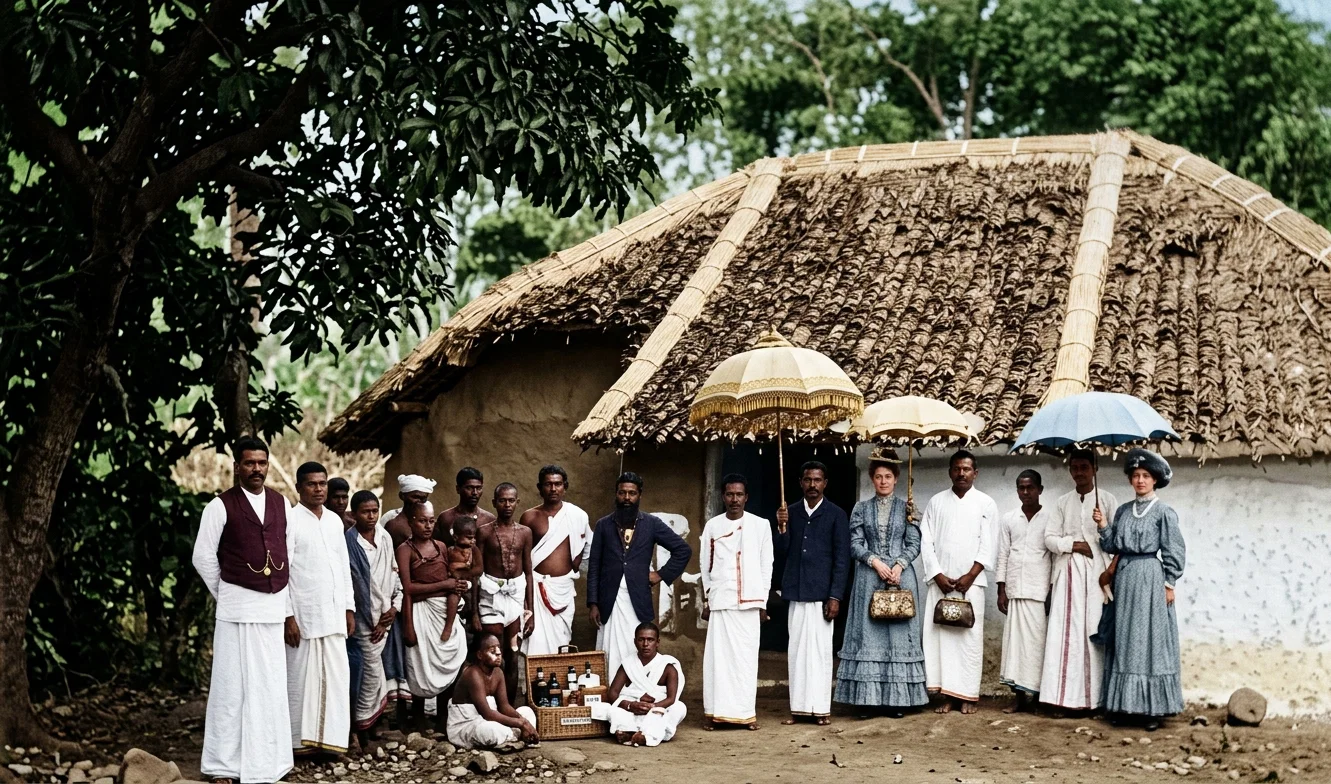
From among the sixteen millions of Tamil people in the extreme southern point of India, Elder J. S. James writes:—
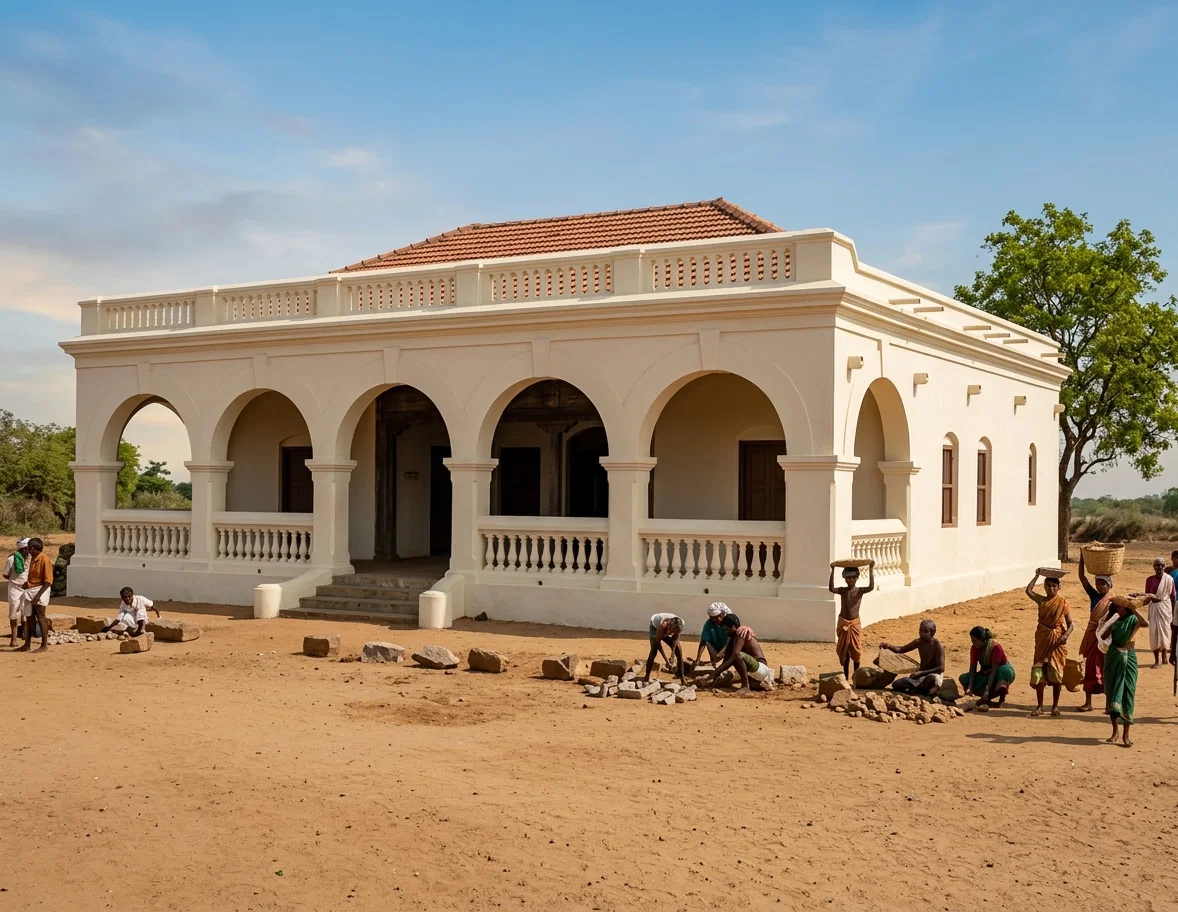
MISSION BUNGALOW, TINNEVELLI
The past year has witnessed a remarkable movement forward in the Tinnevelli District. Eighteen months ago we had not a foot of land in these parts, nor a shelter under which we might rest without fear of eviction. To-day we own two acres of land, with a comfortable yet modest house, convenient to the center of our work, but free from the noise and disease of the village. Eighteen months ago our medical work was confined to house-to-house visiting with a few fomentation cloths and a fountain syringe. With these the Lord worked wonders, and forged the bonds of friendship and love which afterward were to bring us through an important crisis. To-day we operate a dispensary under the charge of a trained nurse, with three native workers assisting. From seventy-five to one hundred twenty-five persons receive help of some kind every day. Scores of calls are answered from surrounding villages. A year ago we had no school and no prospect of one. To-day we have a well-organized school of seventy-eight bright boys and girls under three earnest, qualified teachers.
DISPENSARY, TINNEVELLI

BREAKING THE BANDS

The most important event of the year was a movement on the part of one hundred forty men, women, and children, in which they broke away from a grotesque form of heathenism and spiritual wickedness that had held them in bondage for over fifty years. These people have placed themselves wholly under our instruction and guidance, pay to us their tithe, free-will offerings, and other contributions, attend our services regularly, and send their children to our school. As far as they know, they have given upall their heathen customs and ceremonies. Best of all, a number of young men desire baptism, and ask for a training to enter some part of our work. We intend to prepare them for this at our earliest opportunity. We must develop new workers to fill the openings that are calling loudly for help all about us.

THE HEATHEN CALL FOR HELP

In October, a company of six leading men from a village eighty miles south of us called on me. They informed me that some sixty heathen families were ready to throw away their idols and follow Christian teachings if we would send some one to teach them. Later I visited the village and looked over the situation. The place contains about seventy-five families, only one of which is Christian. There is no school or church of any description in the place. The only public buildings consist of eight or ten dilapidated old shrines. They offer to give us land and other help if we will build a small church and school. Why should not this place have a witness for the truth? Whence shall come the men and means to fill these calls? In another village still farther south, fifty families petition us to come and establish a school and place of worship for them, pledging themselves to furnish the land free of cost and the timber to put up the buildings. Doors seem to open to our work in every quarter.
We have been preparing various tracts in the Tamil. All of “Steps to Christ” has been translated, and three chapters are in type. Our Tamil tracts have gone to Burma, Ceylon, Travancore, and the Malay Peninsula. Among our gains we count the arrival of Elder and Mrs. G. G. Lowry, who are giving their attention to school work, and assisting in the evangelical work in general.
By some means reports from other parts of India must have miscarried. From correspondence, however, we give a few items of progress.

Bengal

We have a small English church in Calcutta, that city of a million inhabitants, and a Bengali church. Treatment-rooms have been conducted by Brother J. H. Reagan, and a health-food work.
A Bengali paper was established this year, Juga Lakhyan (Signs of the Times), edited by Brother L. G. Mookerjee, whose labors for the Bengali people have been blessed.

East Bengal

Elder J. C. Little and Brother J. H. Watson have been located in a new center for East Bengal, the important city of Barisal. Of the journey by boat, in search of a location, Elder Little wrote:—
On our way we passed thousands of villages swarming with Bengali people. The vast majority of them know nothing of Christ. Our two families are alone in East Bengal, with twenty-five millions of people, in one of the most densely populated tracts of country in the world. What are we among so many?

West Bengal

At our old station of Karmatar, formerly the orphanage school, Miss Della Burroway, later joined by Miss Louise Scholz, have been doing Bible and medical missionary work, and the first converts in the villages have been reported. Late in the year Brother W. A. Barlow returned from a long furlough in England to his work among the Santals. These are an aboriginal hill people of Bengal. Several converted from heathenism in the work at Simaltala station three or four years ago, have remained firm for the truth.

North India

The mission and school work for the Hindustani people in North India has made headway during the year. A number have been baptized, and some native canvassers developed. Brother L. J. Burgess and wife have been working on translations. Elder S. A. Wellman, who went out in the autumn of 1909, is to join in this Hindustani work.
In Mussoorie, in the Himalaya Mountains, Dr. H. C. Menkel and his associates have conducted sanitarium work, with encouraging results, even though ininconvenient rented quarters. A native dispensary, with Bible work, has also been a blessing. A number of baptisms were reported, the result of meetings during the year at this hill station.
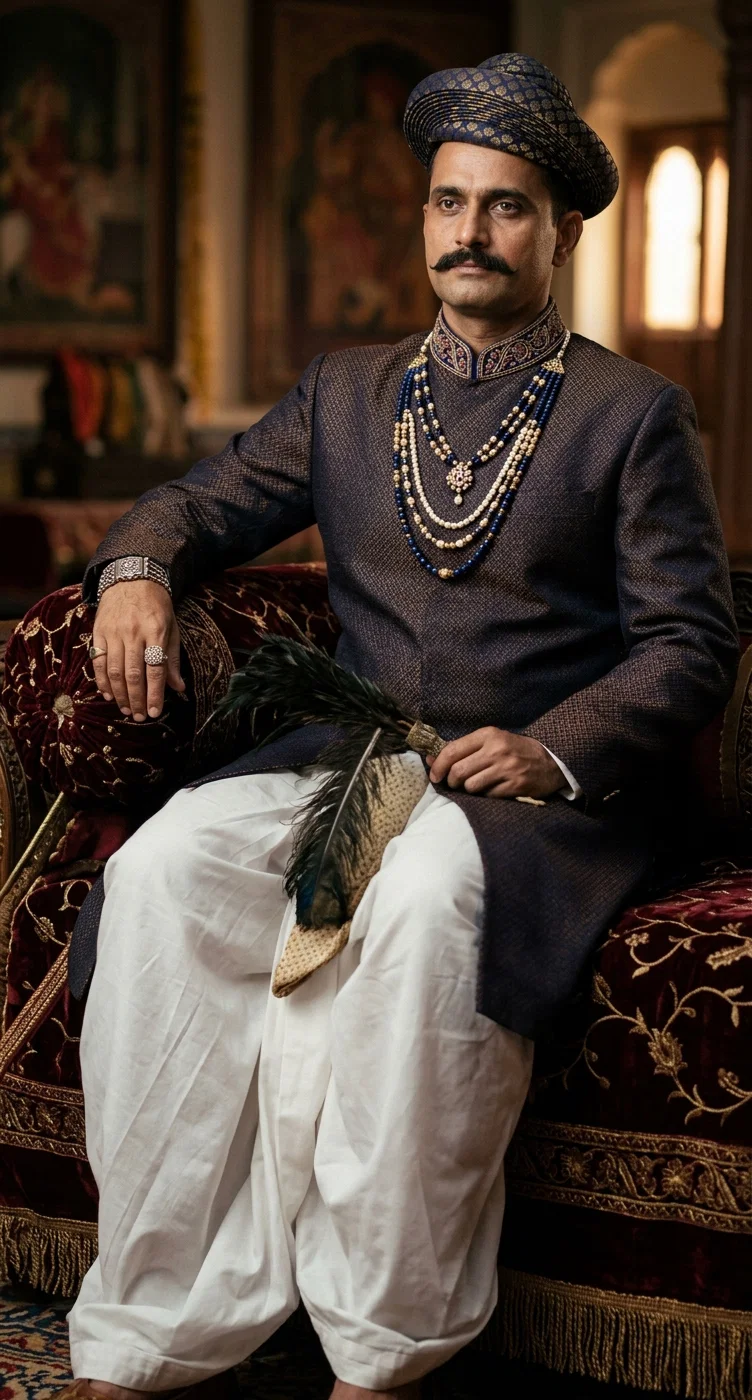
A MARATHI, WESTERN INDIA

Western India

Aside from some canvassing in English, we have not until this year made a start in the work for western India. After a year and more in language study, the close of 1909 found Elder G. F. Enoch looking for a location among the Marathi-speaking people of the Bombay Presidency. He has found a location where there are villages of people who have never heard the name of Christ, and now he hopes to see a station planted and a work established in 1910.

Burma

Elder R. R. Cook, of Rangoon, reports:—
We can see marked advancement during the year. Eleven have been baptized and added to the church in Rangoon. Others are keeping the Sabbath. The tithe has more than doubled. Our hearts have been cheered by the coming of Prof. R. B. Thurber to develop the school work at Meiktila, north of Rangoon, where the Buddhists have long been asking us to start a school. A grant of land has been offered us, and Buddhists and Mohammedans are raising a fund to help.
Dr. Ollie Oberholtzer, who has been working mostly in Moulmein, writes of changes in Burma:—
When I arrived in Rangoon two and one-half years ago, there was a Sabbath-school of about fifteen members. Now their hall is well filled with as earnest a company as you will find anywhere — who demonstrate by their offerings that they love the message. There are Sabbath-schools also in Moulmein and Meiktila. For these we thank God.
Photo by R. A. Beckner
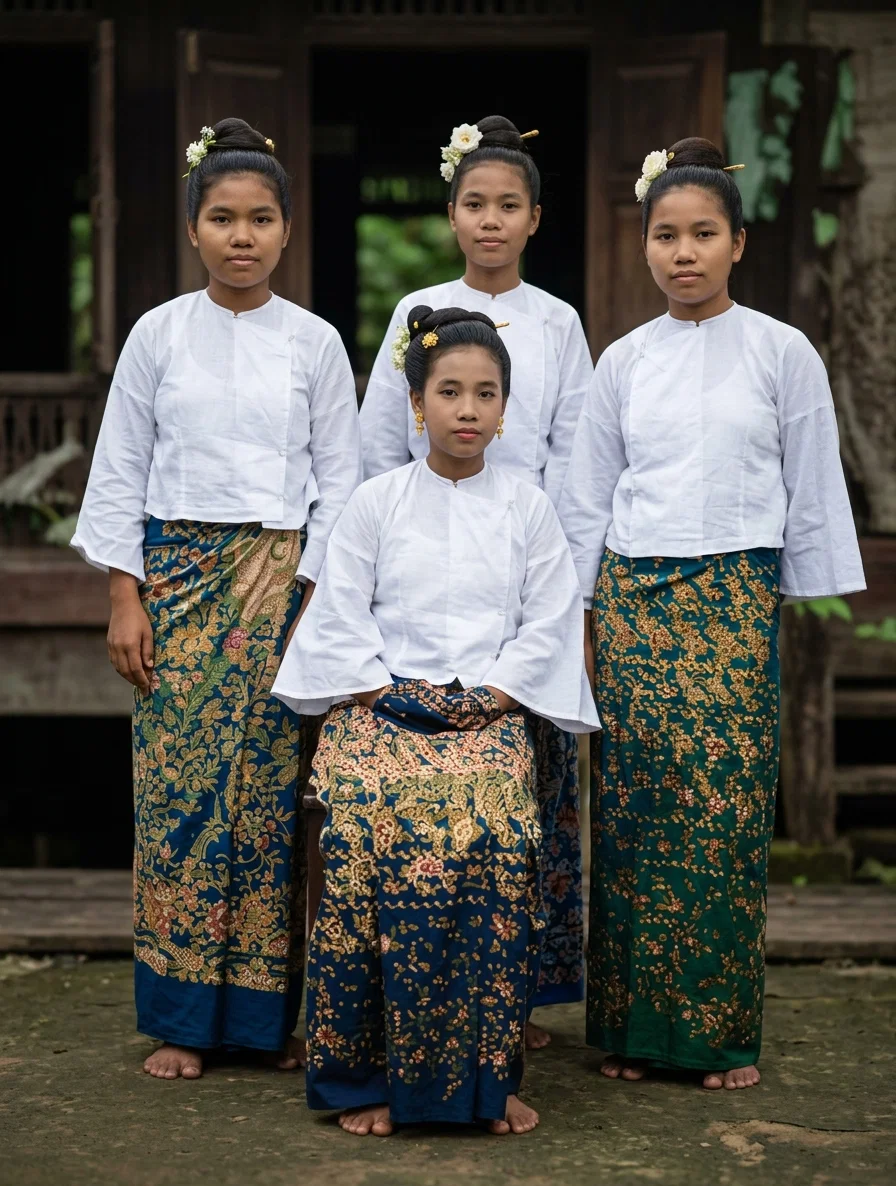
BURMESE GIRLS: THREE OF THEM SABBATH-KEEPERS
Photo by R. A. Beckner BURMESE GIRLS: THREE OF THEM SABBATH-KEEPERS