The Pua (Chile) Sabbath-School Convention
6%

Review and Herald Publishing Association · Takoma Park Station, Washington, D. C. · Feb 10, 1910

FromReview and Herald, Vol. 87, No. 6.

Read the full edition

The Pua (Chile) Sabbath-School Convention

MARY T. WESTPHAL
In the country, about three miles from a small station called Pua, is located our mission school. Each year a canvassers' course is held in connection with it, closing with an institute. This year the Chile Conference committee was called for a session at the close of the institute, so it seemed an opportune time to hold a Sabbath-school convention while all the workers were together. September 10-12 was the date appointed, and we invited the Sabbath-schools in the vicinity to attend.
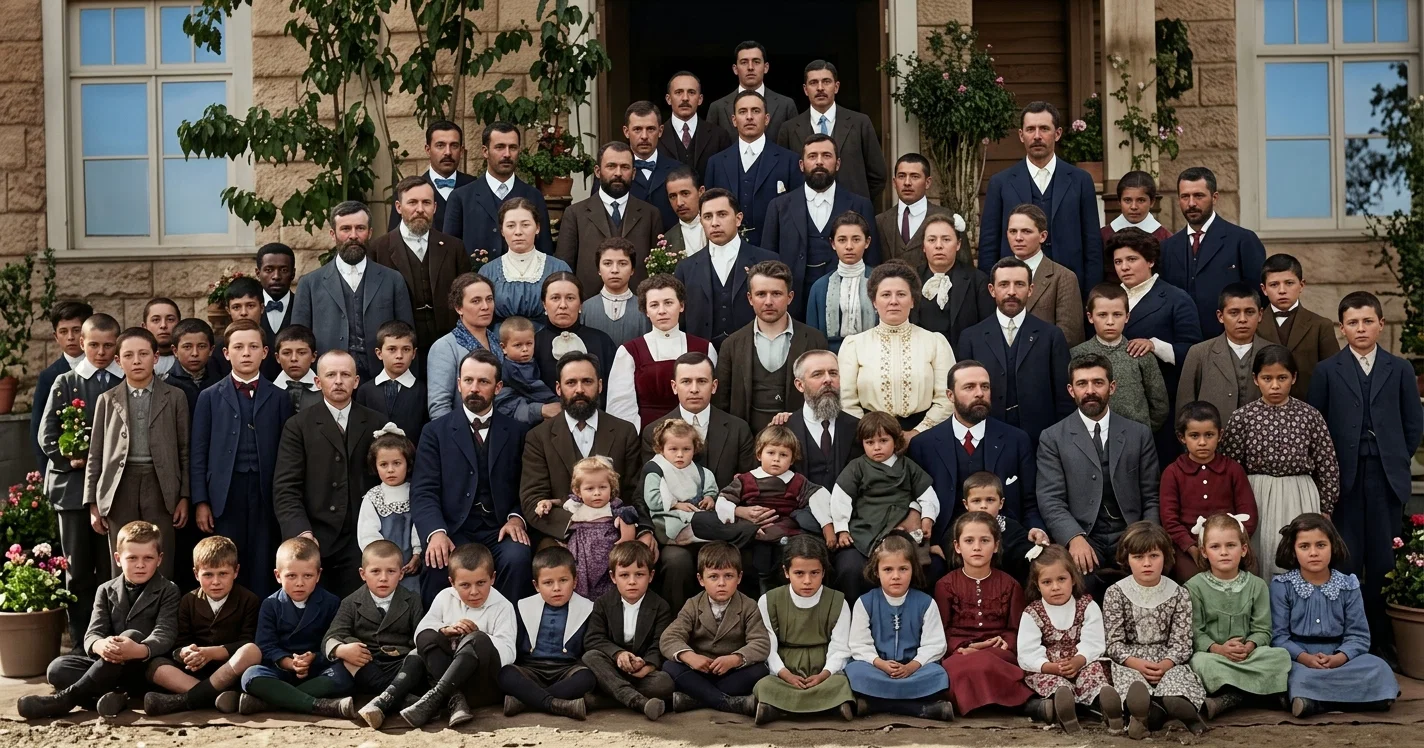
THE SABBATH-SCHOOL CONVENTION AT PUA, CHILE
We arrived Friday morning. We had Brother T. H. Davis's two motherless little girls with us, so he came with my husband to meet us. Several others from the school were at the station. Our luggage was sent out on the school ox cart, and we walked. When part way out, we were met by some brethren who had arrived before us, and farther on by the lady teacher, her sister, and another sister. They were on horseback, and after greeting us, took the little girls on the horses with them. The custom in Chile of meeting people on the way, and of going a short distance with them when leaving, cheers the heart, and lends sweetness to life.
When we arrived at the grounds, we saw a pretty green arch over the gate. Here the matron of the school and others met us, and as we passed along, we were greeted by the pupils. The porches and rooms were prettily decorated with green and flowers. Everything said to the heart, “Welcome!” Those there had done all they could to prepare for entertaining those coming, and their kind efforts were appreciated.
Among the subjects assigned to various persons were the following: “Importance of Bible Study,” “Object and Importance of Sabbath-school Work,” “The Sabbath-school a Means of Educating Workers,” “Duties of Sabbath-school Officers,” “How to Increase the Sabbath-school Offerings.”
The convention opened Friday evening, with a good sermon from Brother E. Balada, our Spanish minister. Sabbath morning at six o’clock, Brother E. Thomann gave an interesting talk on what he heard and saw at the General Conference. He continued his talk at the same hour Sunday morning. At nine o’clock, Sabbath-school opened, and we tried to make it a model Sabbath-school, bringing in exercises to show how the program can be varied. After the usual opening exercises, Elder G. W. Casebeer, director of the mission school, made a few remarks in regard to Sabbath-school work, then made a freehand illustration on the blackboard: a large river, with many tributaries (dimes and dollars), or small streams, swelling the great stream (the sum total). Another illustration was a thermometer, showing the rise and fall of the financial pulse in the Sabbath-school. All decided they would rather see the pulse rise continually than to drop. The children's division then passed into another room, and was reviewed by Brother Thomann, while the seniors were reviewed by Brother D. Soto, our Chileno minister.
After the class exercise, the children returned, and I had Brother Davis's two little girls, aged five and seven, sing “Once a Shepherd Band,” one stanza of which is:—
“Drop the pennies in, dimes and dollars, too, Bring the shining gold God has lent to you; These can cross the sea, these can preach and sing Of a Saviour's love, of a coming King.”
Then the collection was taken. To bring the kindergarten work before us, we had Sister Reiner give a ten-minute exercise on Abraham's sacrifice. We brought a few of the little children to the front. All were much interested.
We closed with a hymn and a short prayer, or benediction, as is the custom here. Following, Elder F. H. Westphal gave a sermon on conversion, and some of the students arose, expressing their desire to serve the Lord.
In the afternoon, two papers were read and discussed. At five o’clock the young people's society of the school gave a program, closing with a musical trio—organ, violin, and zither. In the evening, the duties of officers was presented, and Brother Balada followed with a Bible talk and blackboard illustration.
The time on Sunday was well utilized. Among the papers presented was one by Brother Davis, director of the canvassing work, on “How the Canvassers Can Assist in the Sabbath-School Work.” At the conclusion of its reading, the colporteurs came to the front, and sang a beautiful hymn appropriate for the occasion. One very interesting paper was given by Sister Casebeer, showing the importance of the home Sabbath-schools. In the evening, a committee which had been appointed to suggest means to further the Sabbath-school interests presented an interesting report.
All the exercises were varied by recitations and music—choruses, quartets, and duets in Spanish, English, and German. The testimonies at the closing praise service Sunday evening showed that the meeting had been a great blessing. All seemed to have been refreshed and encouraged in Sabbath-school effort.
The session was considered such a success that the committee voted to hold another in Santiago in December. Here is located the largest church in Chile, and several other Sabbath-schools are near enough to attend. In January or February we hope to hold another at a church at the seaside, in the south. I thank God for the blessings of Sabbath-school conventions.
Santiago, Chile.