India

9%

Seventh-day Adventist Publishing Association · Battle Creek, Mich. · Jun 24, 1902

FromReview and Herald, Vol. 79, No. 25.

Read the full edition

India

As a medical worker in a native town I have been kept busy receiving patients daily at our dispensary. Some days, with the help of one young assistant, I have given from fourteen to eighteen treatments. As I am still unable to speak the language of the people, I have to work with an interpreter.
Since coming here, I have had a great burden to learn how to teach the gospel to people who feel no need of it, and do not care for it. I asked a native man a few days ago why he thought we left friends, home, and country to come over here, and care for their sick. He was thoughtful for a while, and then answered that we came over to make a great name, and that if his child got well, he would tell everybody what a great doctor lived here. Another to whom I put the same question thought we came over because we had nothing else to do. Again another said we came to teach them our religion. This, he felt, was an imposition on them, since they are as well satisfied with their religion as we are with ours.
We treated about two hundred poor native people the last month, and have enjoyed the work; they seem so pleased with what we do for them. We have been too busy at home to answer many calls from outside. When, however, a native prince, or rajah, called, and asked us through an interpreter to go to see his daughter-in-law, who was very ill, we accepted it as an opportunity to enter a high-caste zenana, and perhaps bring some ray of light to the class of women who are of all beings the most unhappy.
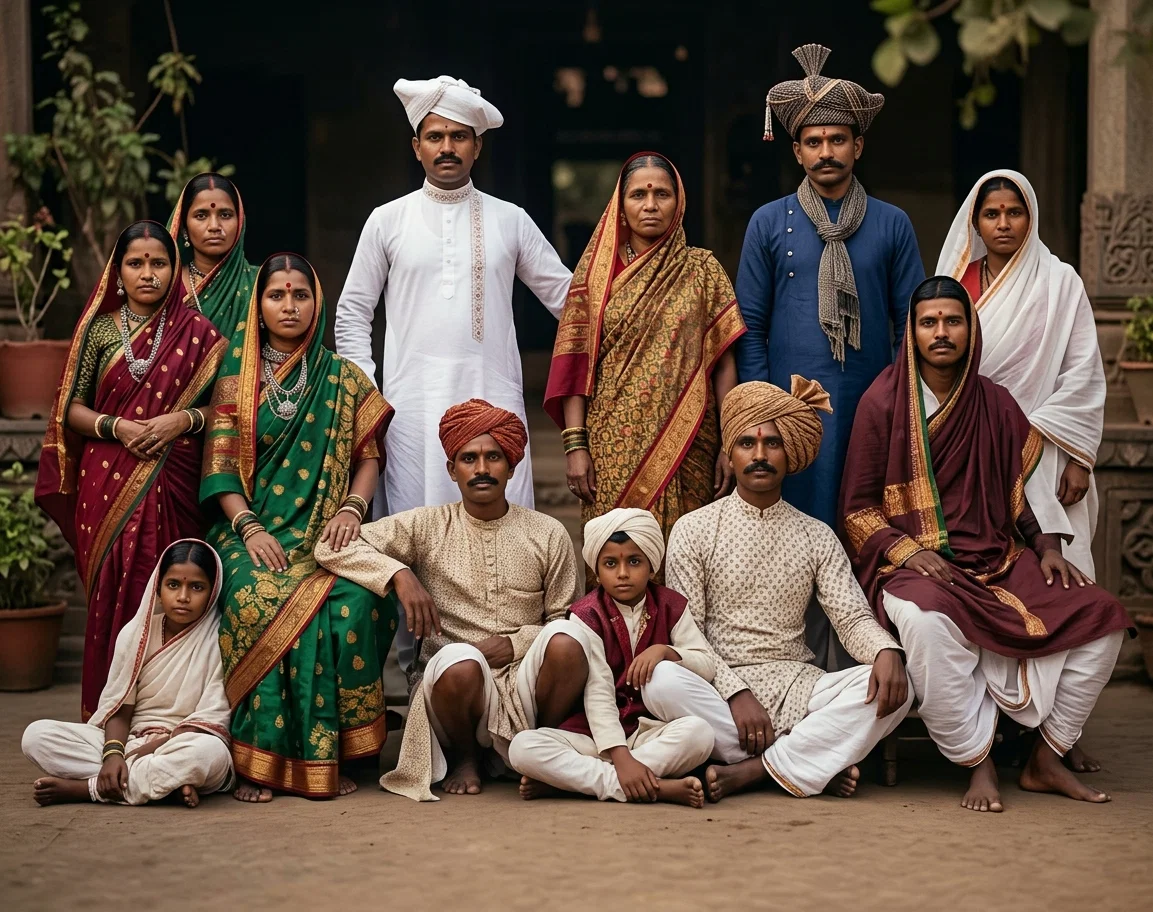
A GROUP OF HINDUS
A GROUP OF HINDUS
At the appointed time a number of servants arrived with a native carriage, the palkee, which is only a long box with doors, carried on the shoulders of four men. There was also a maid along, and a servant of higher grade on horseback to escort us. Taking along a supply of articles necessary for treatment, and asking the Lord to give me wisdom to meet these sick sisters of the East, whom I was to see for the first and perhaps the last time, I entered the palkee, and lay down, for the six-mile ride. As but one palkee was sent, the young woman who went with me as interpreter had to go on horseback.
As we passed through the villages, people came running after us to see us, and even to ask advice. At one place a man came with a large boy in his arms, asking me to please do something for his child, who had been deaf and dumb for three years.
On arriving at the court of the rajah, we were seated on the only two chairs in sight, and a servant sat down in front of us, fanning us as gracefully as though this was the only work she ever did. Men were seated on the floor on carpets, smoking, and children were playing about.
After a while we were taken into the women's court, where I made a careful examination of my patient, and found that she needed a surgical operation and other treatment. I could do very little for her there, but gave her some counsel as to diet, and then spent some time visiting with the women. They told me that I was the first foreign woman they had ever seen, and they studied me from head to foot. My interpreter, a bright young Eurasian girl, asked them if they would like to have us sing to them. They were delighted when we sang two hymns. There were about twenty women present, eagerly watching every movement. Their faces lighted up with interest as I told them of the great, beautiful ocean, and of the country far in the West, and of the sisters over there who had sent us to tell them of a God who loves even women. My heart was sad as I looked about on this group of women who could neither read nor write, who have no object whatever in life but to pass their time smoking and gossiping. They wanted me to promise to come again, and I wish I could, but there is so much work to be done, and O, so few workers!
They had asked us in the morning to bring with us a servant to prepare us food, as this is the native custom, but we did not do it. They thought we must be hungry, so they sent a servant with a tray on which were two glasses of milk and some sweets, and a basin of water to dip our hands in. As we did not eat the sweets, it gave us opportunity for a long conversation on diet while waiting for our bearers. The prince himself, a very large man with heavy eyebrows, seemed much interested. He said that other Europeans did not eat like that. The nearest white neighbor, eight miles away, used tobacco, liquor, etc. I told him that that did not make it any better, and that we could not expect to cure any unless they were willing to give up smoking and to discard the hot spices, which are so commonly used here. Several of the men present spoke of their different ailments, and one very intelligent-looking man whom I had noticed smoking intensely, came forward, asking advice for his headache. Thus the way opened for us to preach the gospel of health where it had never been taught before. We had also an opportunity to talk with them about the worship of idols. They claimed that it was necessary to have an intercessor, just as it was needful for me to have an interpreter, and that the object was worshiped with this intent. The people have some truths, but superstition and tradition have perverted what they have. Pray that the Lord may use us as light-bearers in the dark places of the earth.
THECKLA BLACK.