A Device for Teaching the Multiplication Table
7%

Review and Herald Publishing Association · Takoma Park Station, Washington, D. C. · Dec 12, 1907

FromReview and Herald, Vol. 84, No. 50.

Read the full edition

A Device for Teaching the Multiplication Table
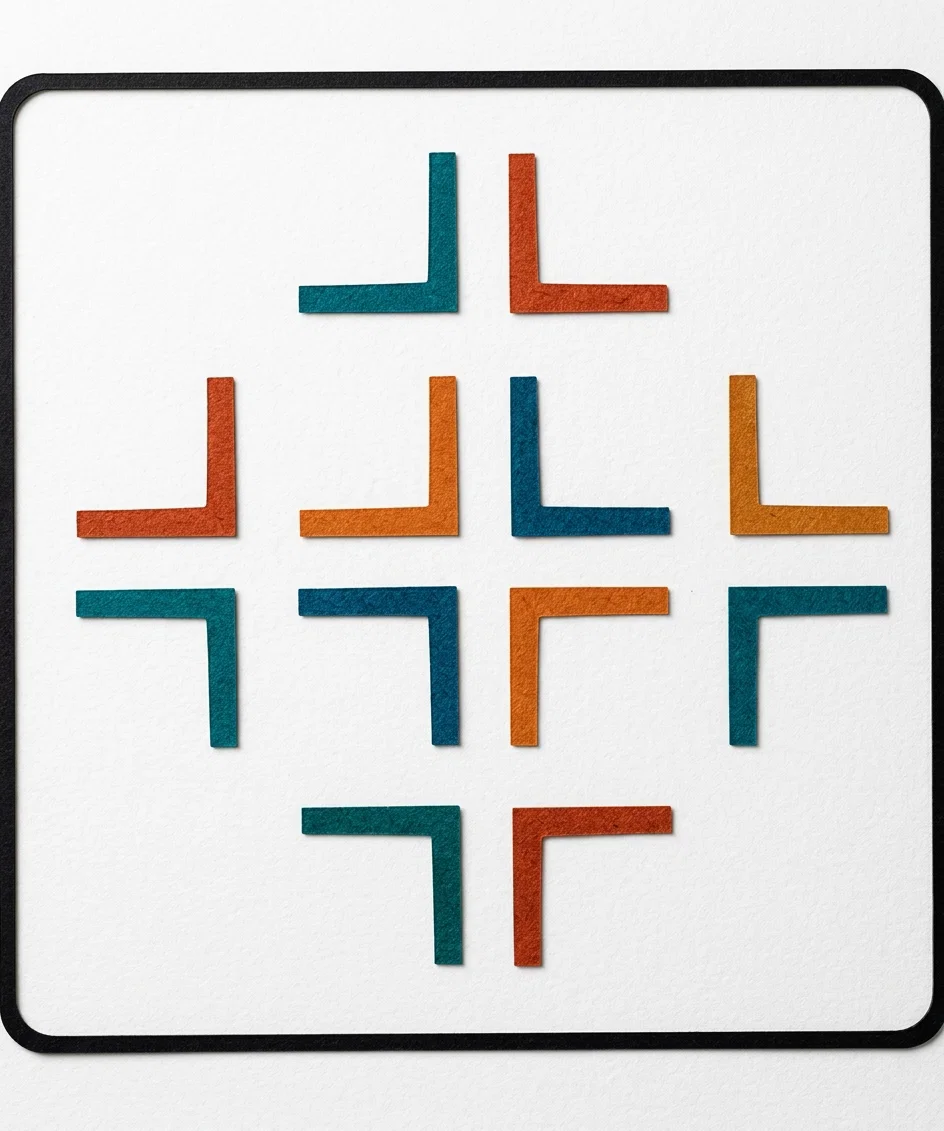
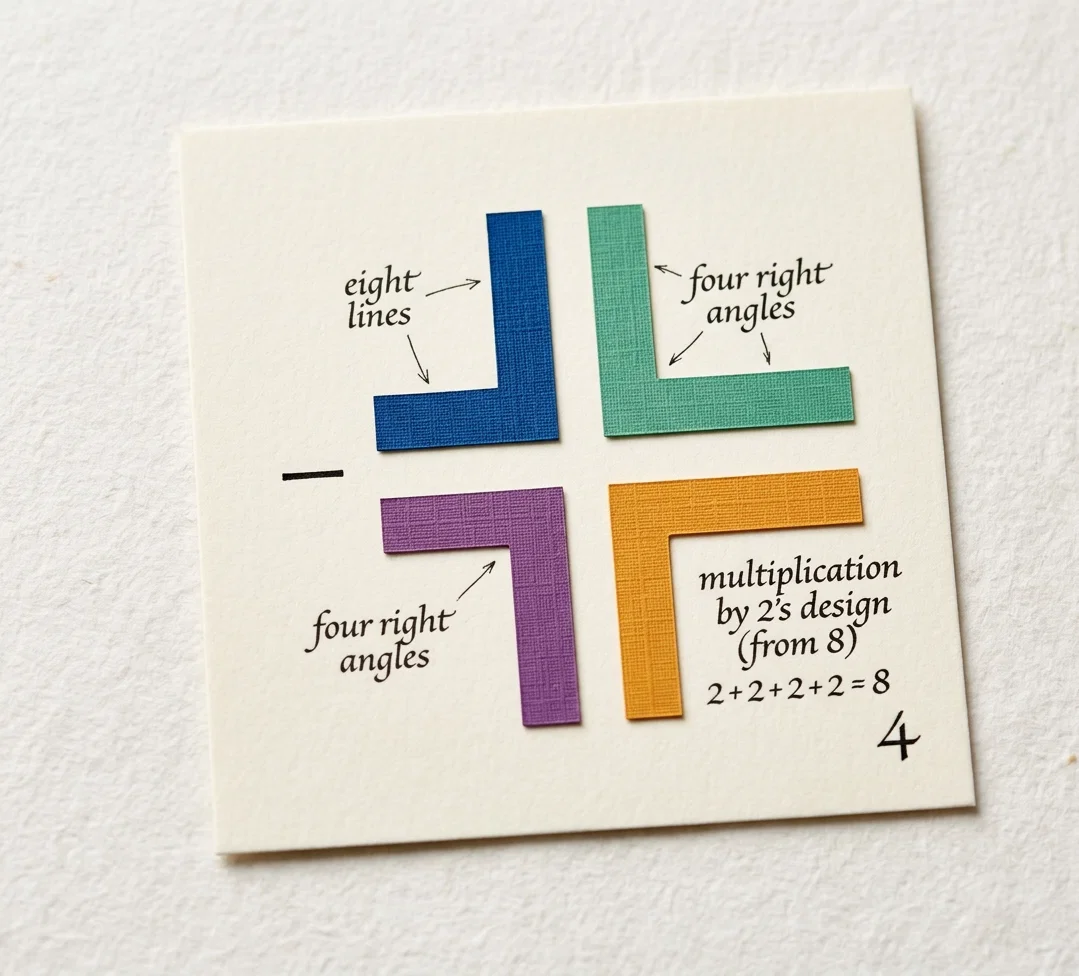
Not long ago a mother came to a teacher, much grieved over the fact that her little eight-year-old girl did not have a “natural liking for arithmetic.” The teacher told her that very likely the child would develop a liking for it later in life. The teacher took particular pains not to teach arithmetic. All books of that nature were laid aside for a time, and they began studying lines and angles. They talked about the different kinds of angles,—acute, right, and obtuse. They made them by putting their two forefingers together at different angles. They noticed that it took just two fingers each time. They drew them in different positions on the board and on paper. Right angles were made of strips of colored paper, and mounted upon cards, forming designs and borders, the number of angles used depending upon the number being studied. For example, in studying the number two, they would compare it with eight. They used four angles, having eight lines, arranging them on a card.
Several combinations or simple arithmetic were drawn from this design; for instance, two, and two, and two are eight; eight less two, less two, less two are two; two taken four times are eight. How many two’s in eight? One fourth of eight is what? Two eighths is what? Three fourths of eight is what? These were sometimes clothed in stories. Other angles were added as fast as new combinations were learned, until a design of twelve angles was completed.
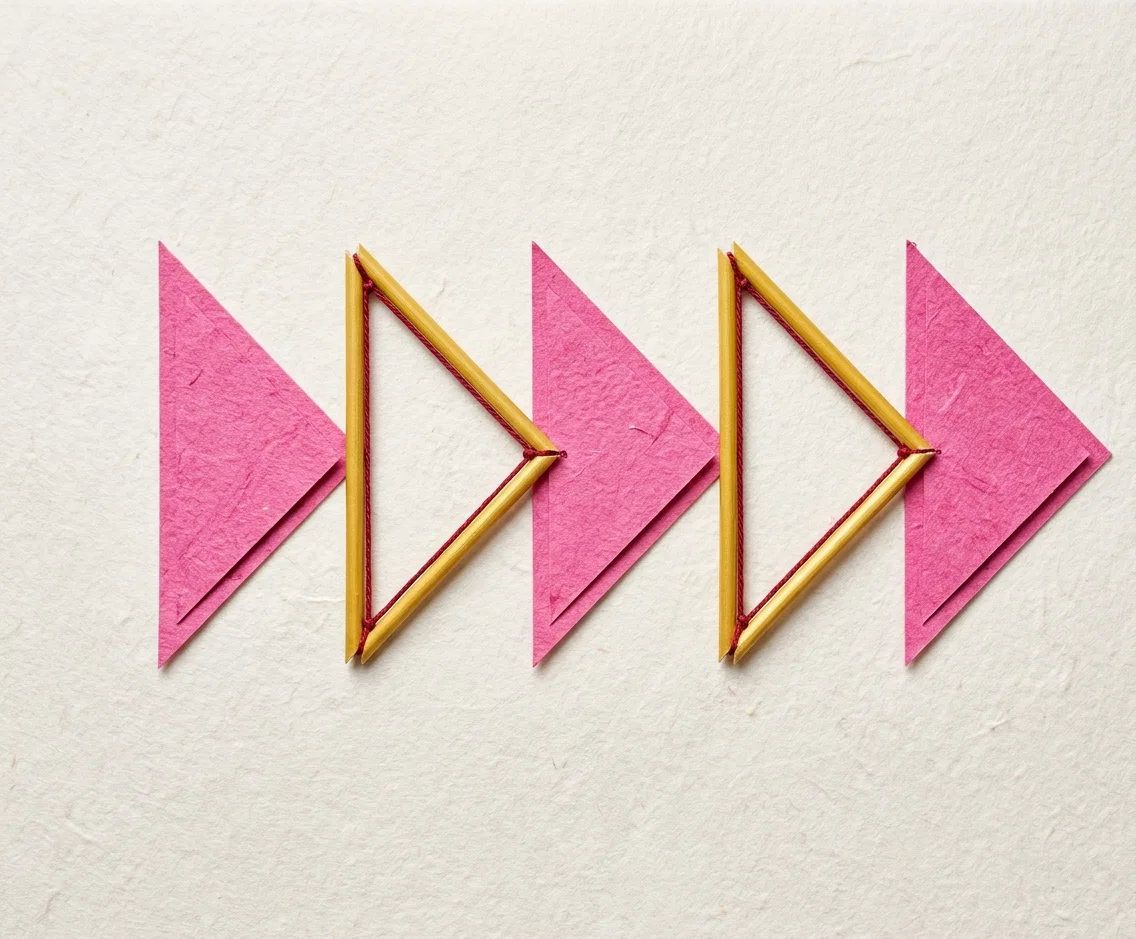
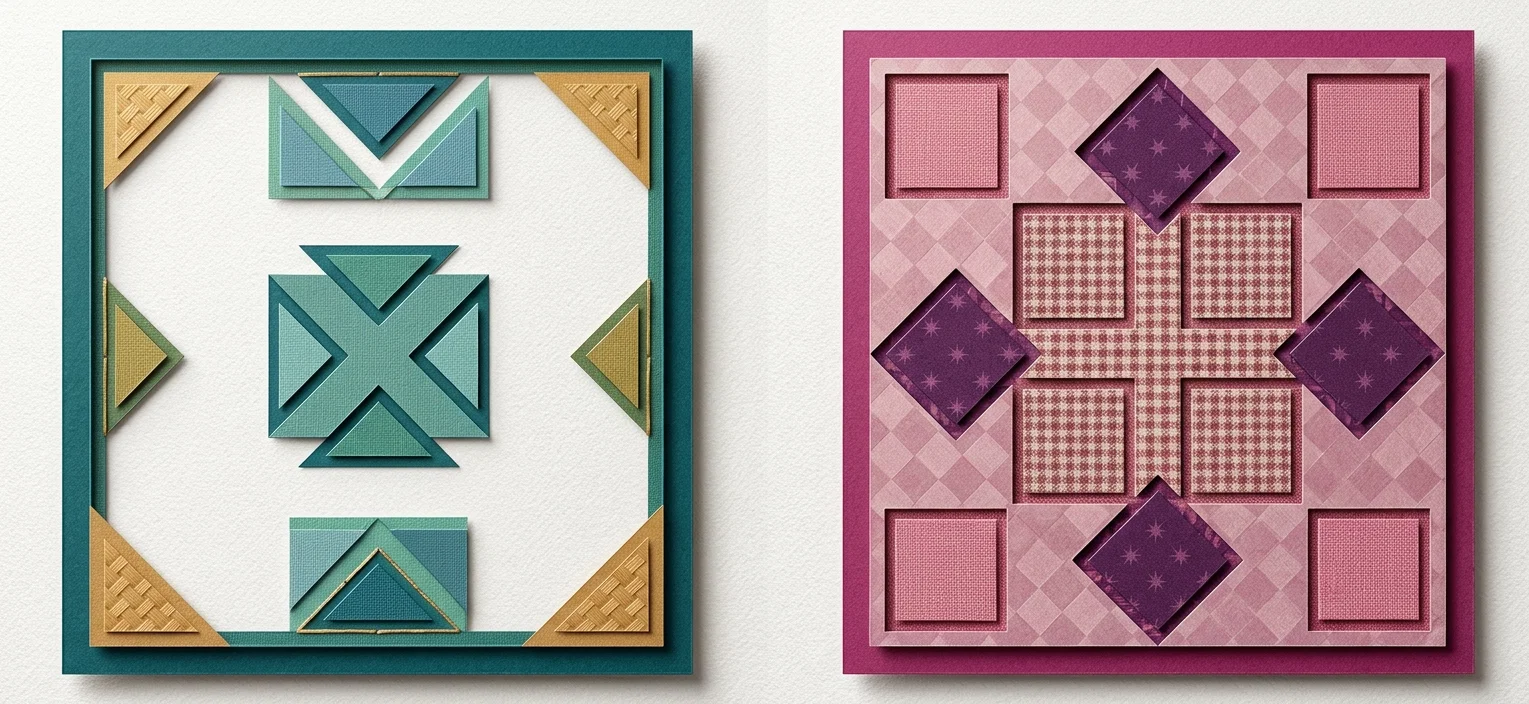
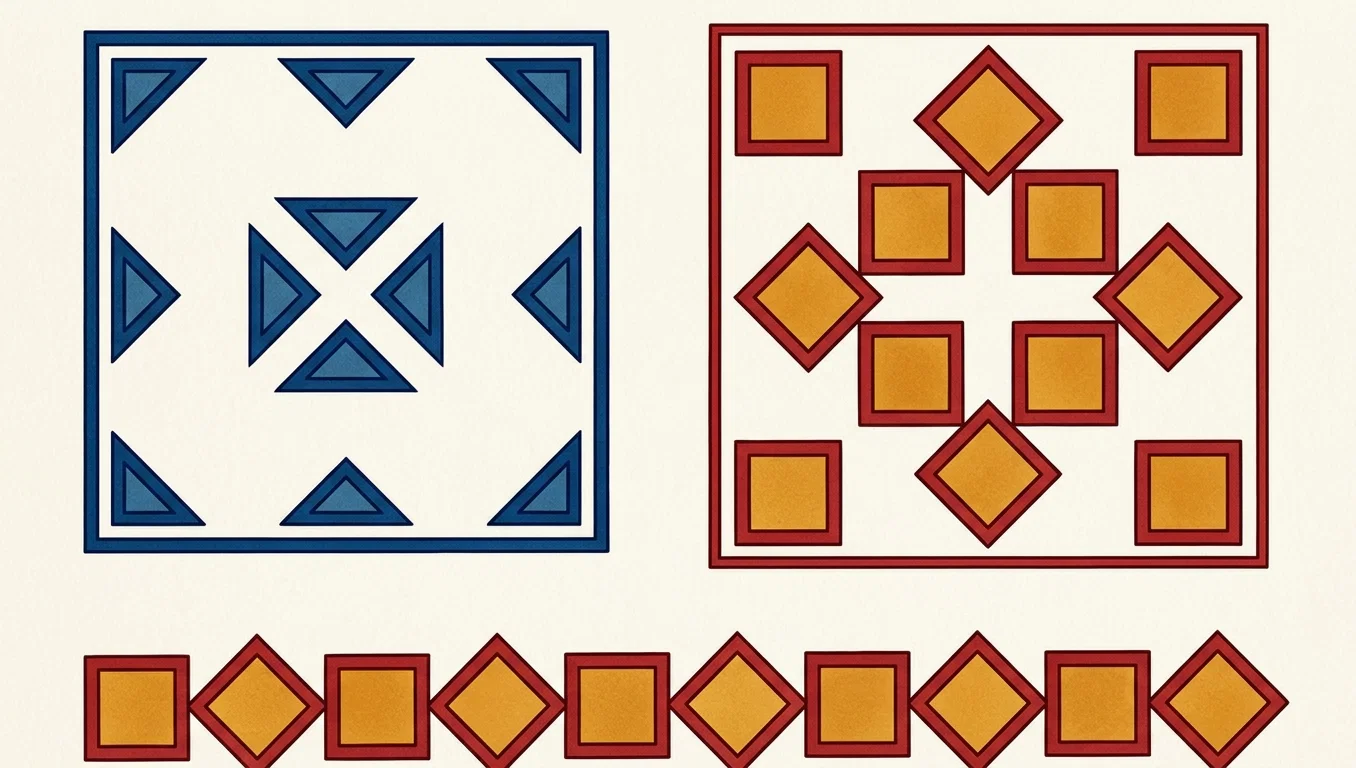
After the number two was learned, the number three was taken up in the same manner, using the triangle or half square to represent the number three. Triangles were cut from pink paper, and mounted to form borders and designs. Triangles were made of three-inch straws strung on red cord and tied together until a string of twelve triangles was ready to hang on the wall.
A happy day that was; for the table of three’s was mastered and the design complete.
The square was used to develop the table of four’s. A string of twelve squares was made of four-inch straws, and the design and borders were complete.
After a few weeks had been spent on this kind of work, the above-mentioned little girl, when given a group of angles or triangles, would write a page of combinations and problems. At the close of the term she still said she did not like arithmetic, but that she “just loved to work with angles and squares.”
FANNIE P. JOHNSON.