In Spanish Honduras

5%

Review and Herald Publishing Association · Washington, D. C. · Nov 10, 1904

FromReview and Herald, Vol. 81, No. 45.

Read the full edition

In Spanish Honduras

HERBERT A. OWEN
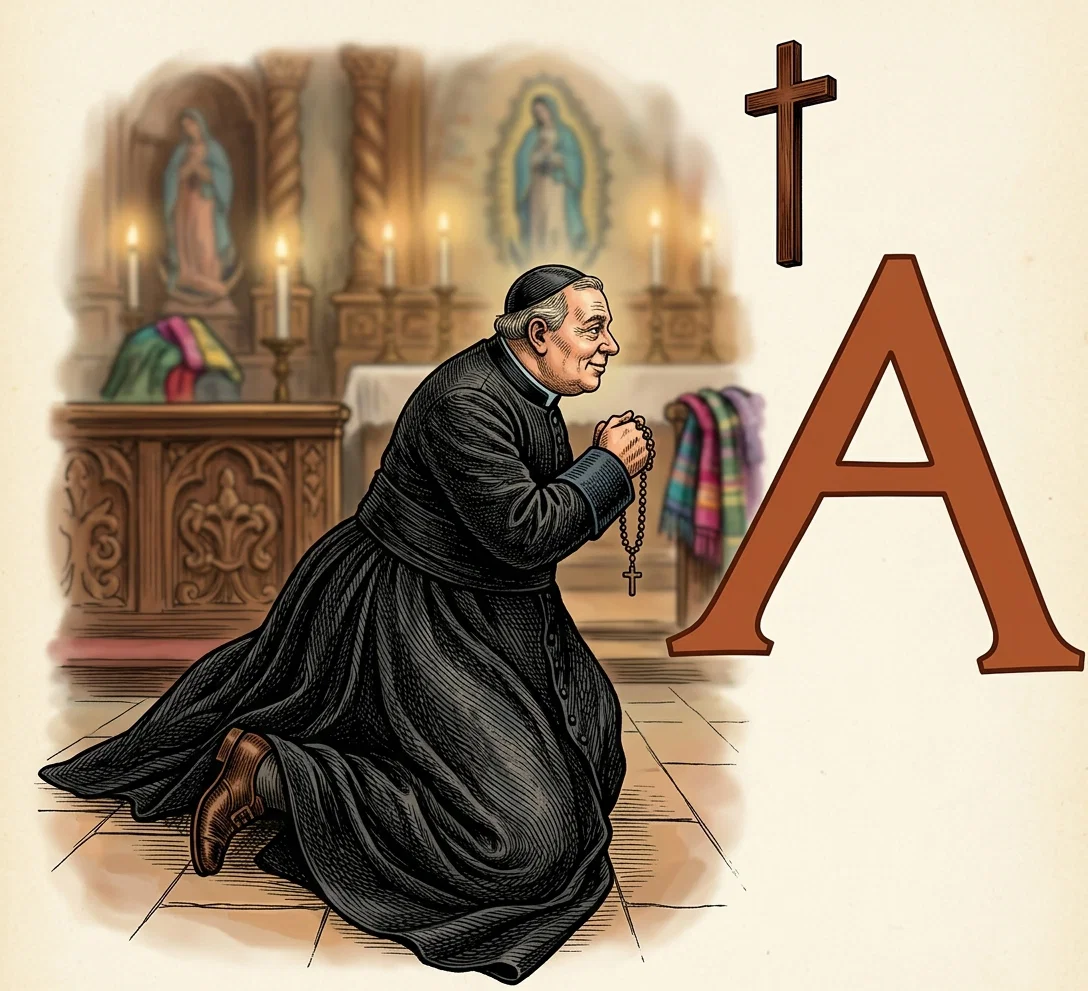
VERY religious people are our neighbors of Honduras. The fat old priest does not forget his devotions, and the little child learns early to repeat his prayer to the Virgin Mary.
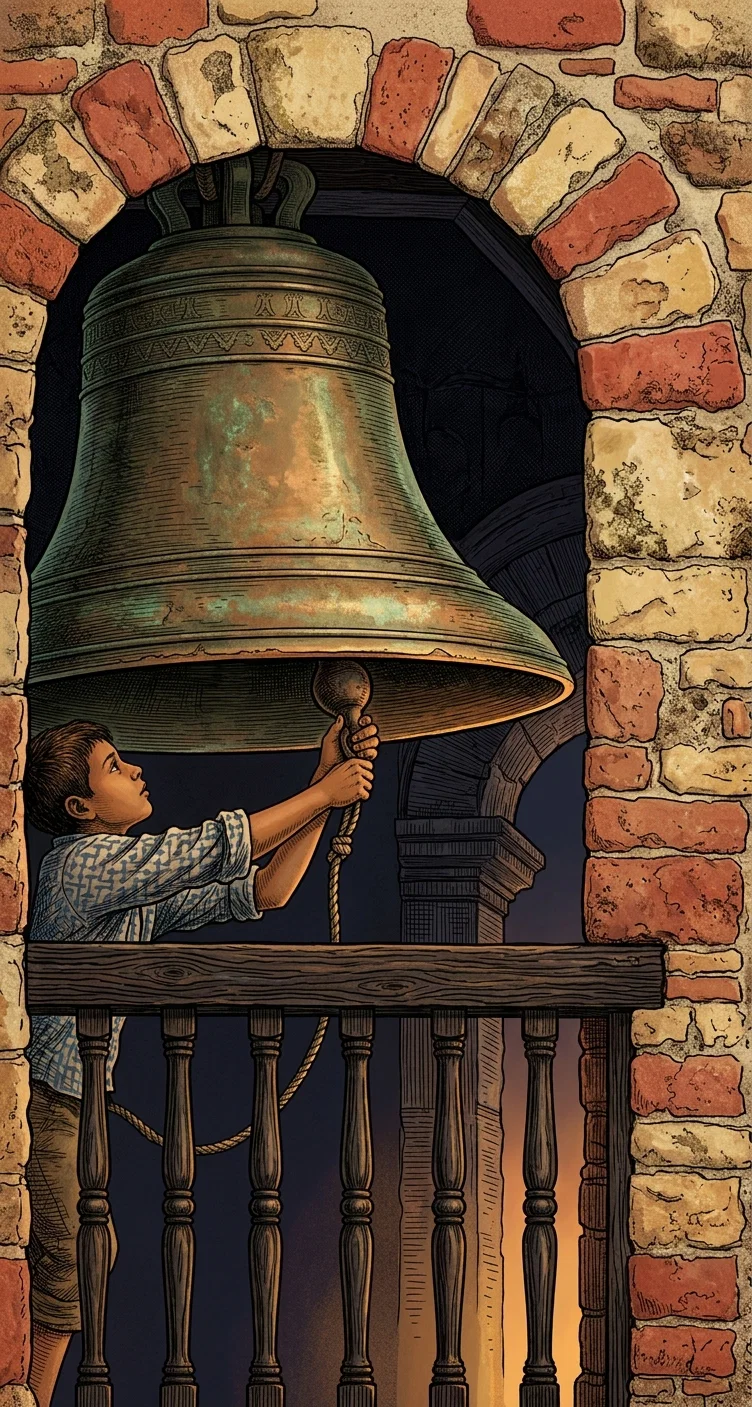
When the boy climbs the belfry tower at vespers, the women and children gather in the large living-room for prayers; and before children can talk, they often ask for a blessing by patting their little heads, and mumbling a formula taught them. When you meet a man upon the road, he greets you, Adios!—to God,—which means, translated freely, “I would to God a safe journey for you.” The most ungodly man will tell you that he will do this or that “Dios primero,” an equivalent for our phrase, “Providence permitting.” Profanity, as we hear it on the streets in the United States, is almost unknown here, for there remains among this people a strong feeling of respect for the forms of their religion.
They know that Jesus came to the earth and died, but it has been so long since their religious teachers have studied their Bibles that they think Mary, the mother of Jesus, will answer their prayers more quickly than Jesus himself. They have forgotten why Jesus was resurrected and went unto his Father. They know nothing of the work of our Saviour in the heavenly sanctuary. They say they believe in the second personal advent of Christ to the earth, but that coming means nothing to them. They would be more greatly stirred if assured that Mary would come again in person.
The religious service here is a misuse of the kindergarten idea. In the church they have pictures and images of saints to hold their attention while they repeat their prayers. Each worshiper carries a string of beads, arranged on the decimal system, around her neck.
Here is the evening prayer: “Holy Mary, mother of God, pray, Lady, for us sinners now and in the hour of our death. Amen, Jesus,” alternating in responses of the following: “God save thee, Maria, full of grace; the Lord is with thee. Blessed art thou among women, and blessed is the fruit of thy womb, Jesus.”
After the repetition of the first formula by the leader, who is usually the mother or grandmother, the family join in the second part, and one bead is slipped on the rosary. When this has been done ten times, a large bead is the next in the string, and this is slipped with these words: “Our Father who art in heaven, hallowed be thy name. Forgive us our debts as we forgive our debtors. Amen, Jesus.”
Then the first two verses are repeated ten times in reverse order,—“God save thee, Maria,” being said by the leader, the family repeating Holy Mary, etc. This order is followed until the beads are all slipped, when worship is over, and cigarettes are lighted.
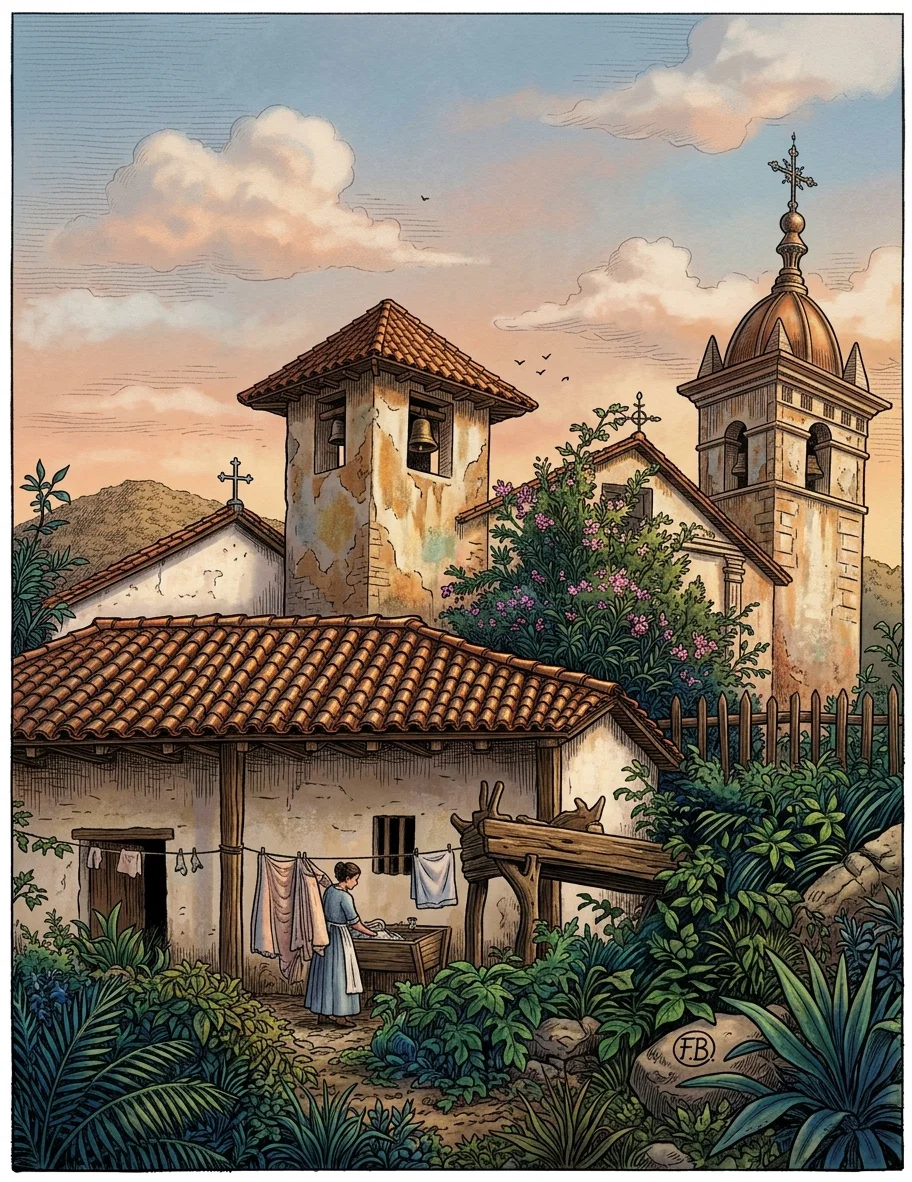
Families usually retire early. Among the poor and those of moderate means the house is one large room, the kitchen being built apart. Around the four walls of the big room the cedar bedsteads, covered with cowhide, are ranged. A dim light of pitch-pine serves for retiring; and when all is quiet, one can locate the older members of the family by their cigarettes.
OUR NEIGHBORS IN SANTA LUCIA
Before daylight the daughters are up. One takes hulled corn from a huge wooden dish under her bed, and begins milling tortillas in the kitchen. Two of the younger ones find their yoguals (cloths used in forming a circular cushion under the water-pot when placed on the head), and are off to the river for water.
The young men are up next. Passing around in front of each bed that has an occupant, they make a polite bow, and say, Bueno dies (good morning). The old people and visitors are the last to arise, but it is barely daylight. The air is fresh and cool outside, where preparations are being made for milking. The calves of a few of the best cows have been kept up overnight, and are now tied to the forelegs of the cows that are considered extra good milkers if they give three or four quarts at a milking.
The horses about the place seem to have scant tails, and we understand why when two of the boys bring out a curious spinning-wheel and a lot of long horse-hair, and begin to spin twine for ropes and halters. These are not the only kind of ropes made, but they are prized because mules will not chew a hair halter.
These rancheros are a kind-hearted people. Last week a friend of mine was thrown from a vicious mule in a lonely spot far from home. A stranger came along, lifted him onto his mule, and walked beside him until a house was reached, where he was cared for tenderly, his bruises bathed and bound in hot leaves greased with tallow. Tea was made from fever grass; and when the long night was passed, the old ranchman brought out a gentle mule, put the injured man on it, and brought him home, refusing pay for any service except a very small allowance for the mule. Thus these Spanish-Indian inhabitants of Honduras are our neighbors.
This article is now so long that I will not tell you much about our personal work. Underneath us are the everlasting arms. Over and over again are we proving the precious promises of God, and they never fail. This country is behind the other Catholic countries of America in that it has not been worked by any Bible Society. Our daily prayer has been that we might work among these people so wisely that they would not be frightened. Distributing or selling our papers and books containing references and allusions to various parts of a Book that the people do not possess,seemed to me like selling keys to maps without the maps.
At last, Bibles are being sold in Honduras, and a shipment from San Salvador has reached Tegucigalpa for us. We are able constantly to preach the truth to these people in such a way that they say, “What do these things mean?” We have some of the best families in Juticalpa reading, and the poor are asking questions. My soul goes out in gratitude to God that I am permitted to labor in his vineyard, even in this out-of-the-way corner.
Juticalpa, Honduras, C. A.