W. G. KNEELAND

13%

Review and Herald Publishing Association · Washington, D. C. · Mar 31, 1904

FromReview and Herald, Vol. 81, No. 13.

Read the full edition

W. G. KNEELAND

Grenada

W. G. KNEELAND

THIS island, twenty-one miles long by twelve miles wide, containing about one hundred and twenty square miles, was discovered by Columbus, Aug. 15, 1498. It is ninety miles north of Trinidad and one hundred miles southwest of Barbados, in about twelve degrees north latitude. The island is supposed to be of volcanic formation, and its general surface is quite rough. Several of the mountains are over two thousand feet high; and one reaches a height of 2,749 feet. The island is well watered, and has several good harbors.
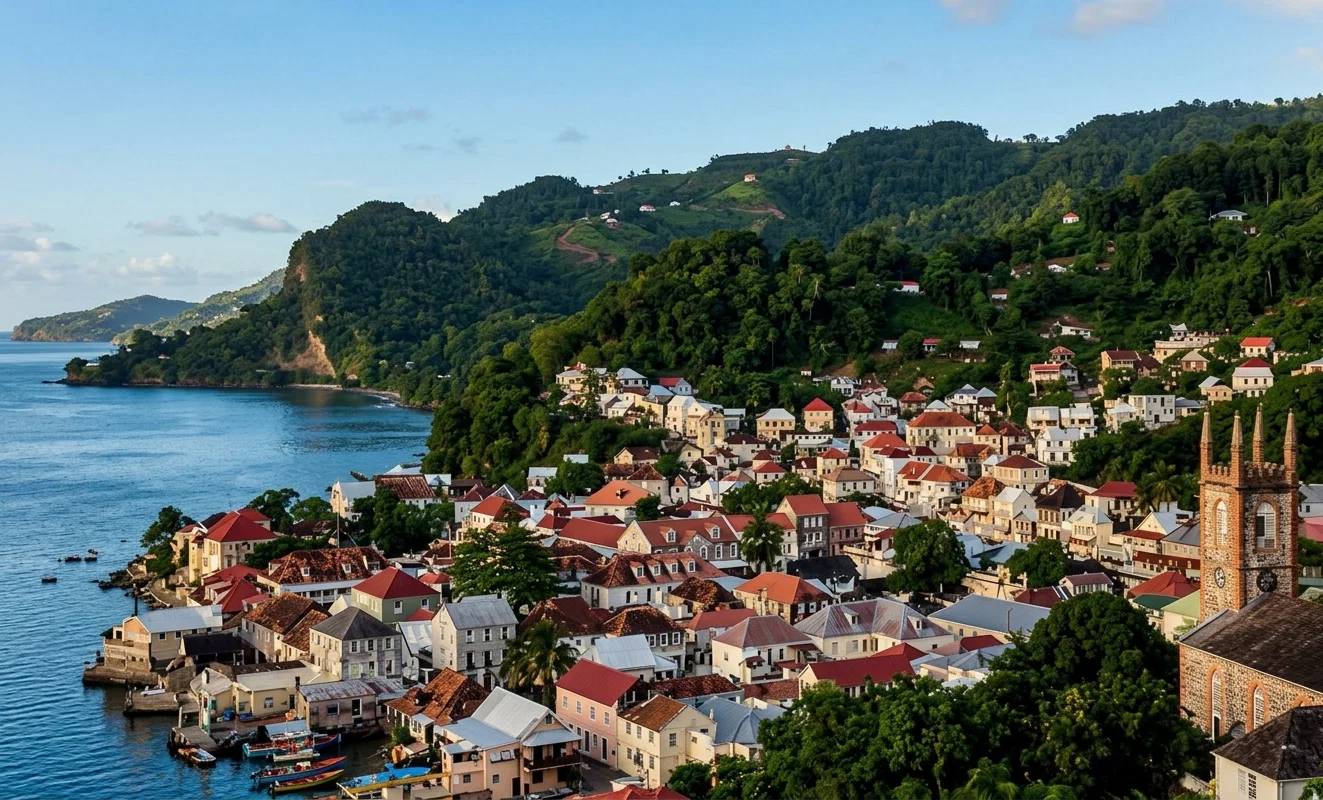
ST. GEORGES, GRENADA, W. I.
Its climatic conditions are good for the tropics. The dry season is usually from February to May, and the wet season the rest of the year. The average rainfall is seventy-nine inches. The average highest temperature during the hot weather in the hills is eighty-three degrees, and on the plains ninety degrees.
Its population of sixty-five thousand six hundred are divided in their religious professions, as follows: Roman Catholic, 36,437; Anglican, 22,477; Wesleyan Methodist, 3,584; Presbyterian, 580; not including a few East Indians. Educational advantages are better than in some of the other islands. In the chief town, St. Georges, there are two high schools and a free public library. Agriculture is the leading industry of the island, and cocoa and nutmegs are the chief exports.
Our literature has been well received by all classes. Two have partly accepted our message, and many are convinced, as a result of the labors of the faithful canvassers. We expect to open public work in the island soon, and trust that a good harvest of souls will be gathered from this island for the Master's soon return. Remember us in your prayers.