THE NEW WORLD OF SOUTH AFRICA

2%

Pacific Press Publishing Association · Mountain View, California · Jan 4, 1916

FromSigns of the Times, Vol. 43, No. 1.

Read the full edition

THE NEW WORLD OF SOUTH AFRICA

Pioneering and Pioneer Life in That Dark Continent—Building Homes in the Frontier Wilderness—Explorations and Discoveries, and What They Mean
This is the first of twelve interesting articles we have in hand from Elder Spicer, descriptive of his recent visit among our workers in South Africa. Next week, he will tell of “Colonial South Africa.”
EDITOR.
It was in a new world, truly, that I found myself, making the rounds of our South African mission stations.
The trip takes one over karoo,—like our sagebrush country,—through desert, and across veldt, on northward beyond the Zambezi, two thousand miles from Cape Town.
In all parts, there is the spirit of the new country; and on the far frontiers, the pioneer and the settler are still home-making in the wilderness.

THE NEW WORLD OF AFRICA

Yes, it is new. The Western Hemisphere does not hold all the New World. Long hidden from the eyes and knowledge of Europe, this South African world was brought to light in the era of navigation and exploration that came with the Reformation.
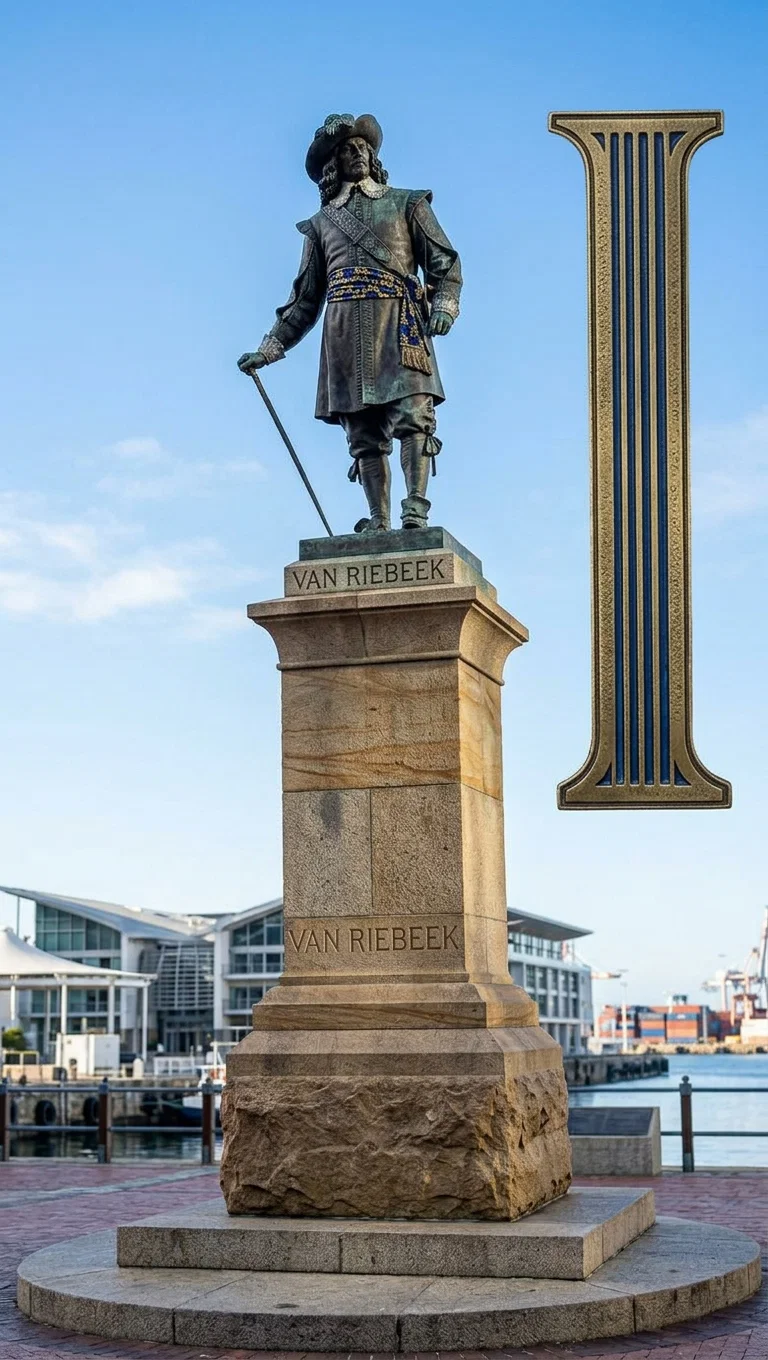
STATUE OF VAN RIEBEEK
CAPE TOWN
STATUE OF VAN RIEBEEK CAPE TOWN
The reform era was an era of world discovery. No sooner had the time come for light to stream forth from the newly opened book of God, than the hand of Providence beckoned men to go forth and open doors into all continents, so that the light might shine in upon all nations and tribes.

TWO OF THE GREATEST EVENTS

In the old book “The Wealth of Nations,” Adam Smith says: “The discovery of America, and that of a passage to the East Indies by the Cape of Good Hope, are the two greatest and most important events recorded in the history of mankind.”—Book 4, chapter 7.
In 1486—six years before Columbus discovered America—the Portuguese navigator Bartholomeu Dias landed at a little bay five hundred miles north of the southernmost cape of Africa. The name he gave the bay is still on our maps—Angra Pequeña, “Little Bay.”

SEARCHING A WATER ROUTE TO INDIA

Dias, like Columbus after him, was searching for a water route to India. He very nearly succeeded. Having been driven south and around the cape by storms, he made the east coast of South Africa by sailing northward. He would have pushed on eastward still; but his crew were fearful, and demanded that he turn back.
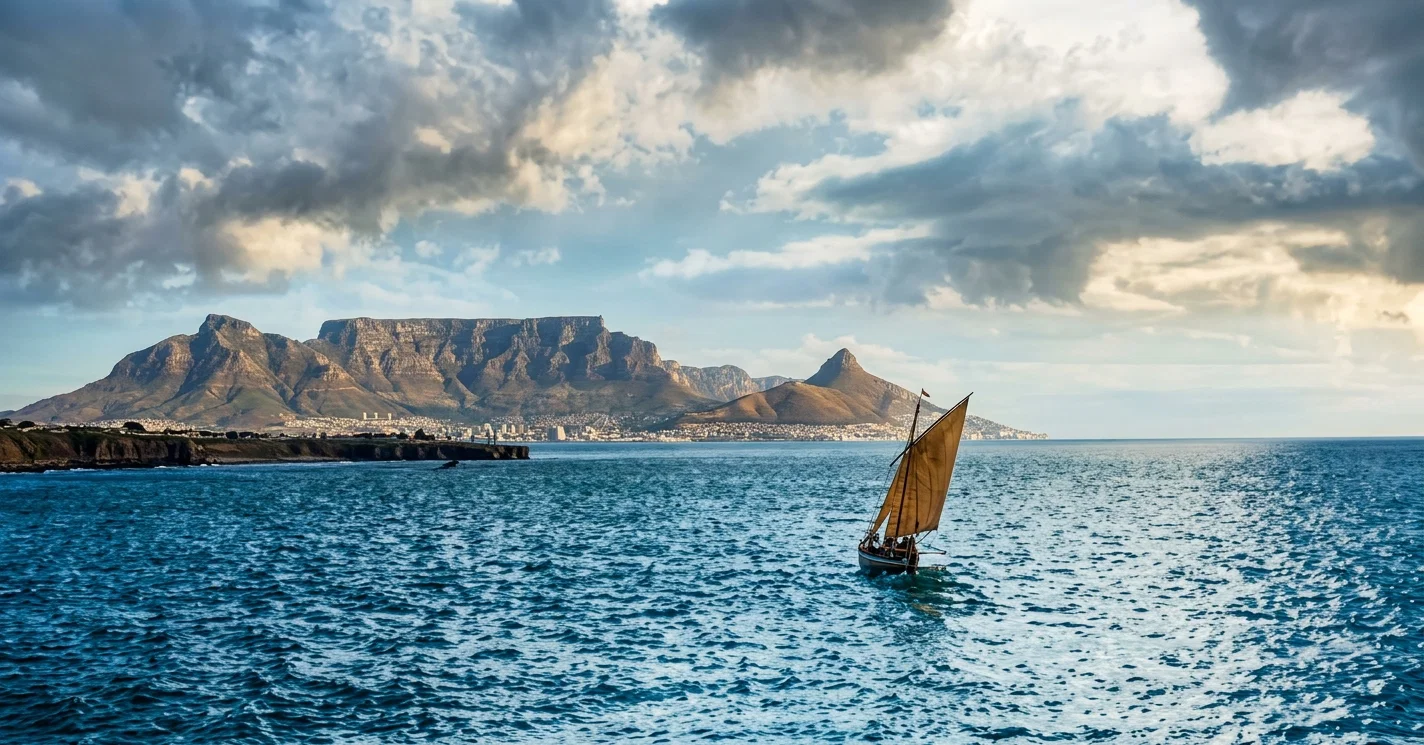
So from about the spot where the Indian Ocean glitters within sight of our Maranatha Kafir Mission, Dias sailed for Europe. On the return, he coasted around the magnificent promontory of which Table Mountain is the chief ornament. He named this point the Cape of All Storms, tormentos being the expressive Portuguese word. But in joy at the discovery of the southernmost part of Africa, with open sea to the eastward, the king of Portugal renamed it Cape of Good Hope, as it is to this day, the doorway through which hope and light have found their way into regions before unlighted.
“Cape of Storms, thy specter fled, See, the angel Hope, instead, Lights from heaven upon thy head.”
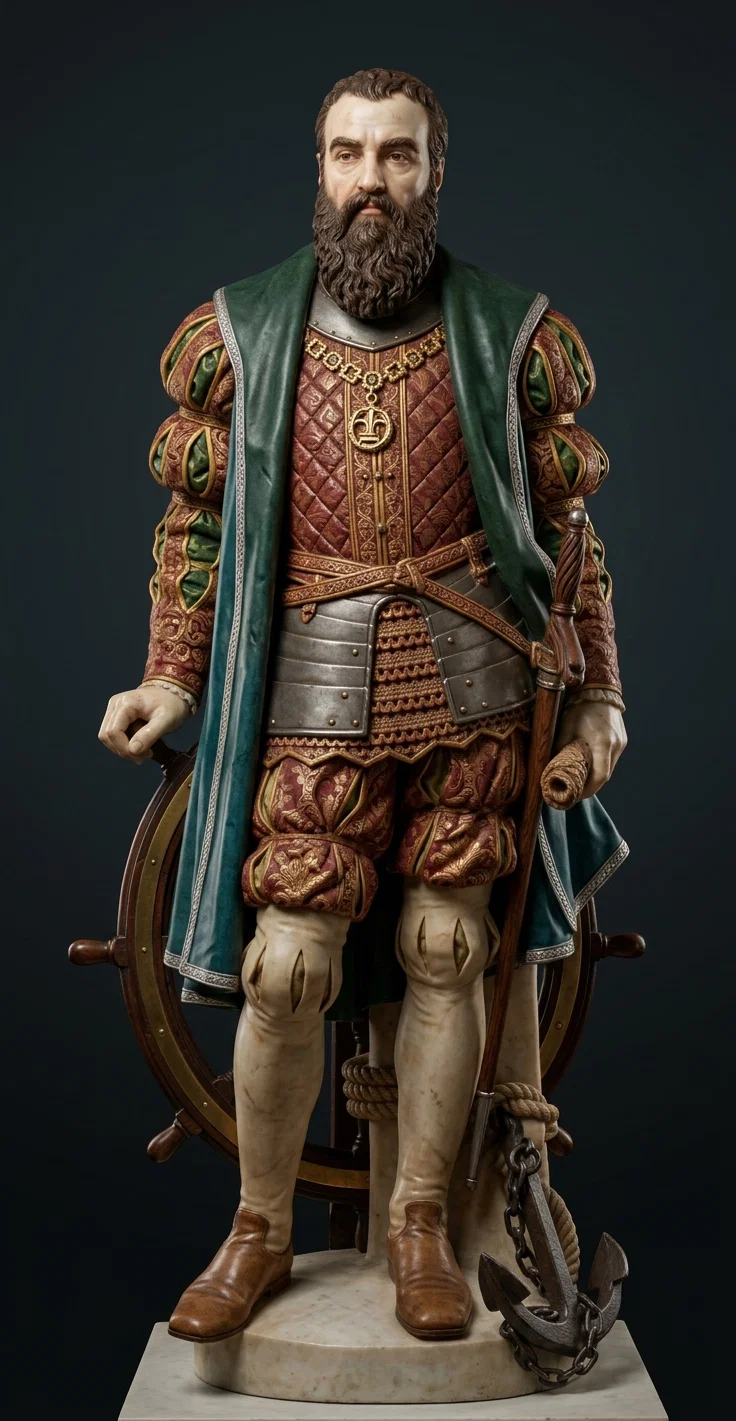
In 1497, ten years after the return of Dias, another and larger expedition sailed from Lisbon, to search for the route to India by the southern seas. Vasco da Gama commanded. Six months later, he anchored in Table Bay. Rounding the cape, he worked up the east coast to the Arab settlements about the mouth of the Zambezi, where he found a pilot who steered his squadron to India. Second only to the discoveries of Columbus, and of greater immediate results to commerce, this achievement was celebrated with great rejoicings when the expedition sailed up the Tagus to Lisbon once again. So Da Gama’s is the statue that stands looking seaward from Lisbon, memorial of Portugal’s leading part in world discovery.

SIX MONTHS REDUCED TO EIGHTEEN DAYS
To-day on the swift mail boats of the Union Castle Line, we leave the chalk cliffs of England behind, and in eighteen days or less, may anchor alongside Table Mountain, under that famous constellation, the Southern Cross. In those old times, the voyage meant six or eight months of tossing in the tiny wooden hulls. In a marvelous way, the road has been opened up for us to the ends of the earth in this time when the gospel is due to reach all peoples. And while rejoicing at the facilities and comforts of world travel in our day, we can the more gladly recognize the brave spirit of the old navigators who were impelled to dare the perils of the unknown seas in order to make the first paths for the new time.
“Oh, ye that now in giant barks o’er subject oceans speed, Give to the men that dared them first their peril-purchased meed! Oh, ye to whom, in later times, the sea brings few scant fears, Honor as best befits their fame those staunch old pioneers!”
“Oh, how those sailors’ simple hearts with pious hope beat high, When first they saw the sacred cross hung in the southern sky! And soon the gladdening tidings had leaped from lip to lip, That heaven itself was smiling on the devious voyaging ship.”
“Deep was the joy that crowned their hopes, when high above them reared, Wreathed in its folded films of fog, the mountain bold and weird— The mountain under whose bleak brow the great seas bask or break, And round whose rock-built basements now vast fleets their courses take.”
Table Bay, South Africa
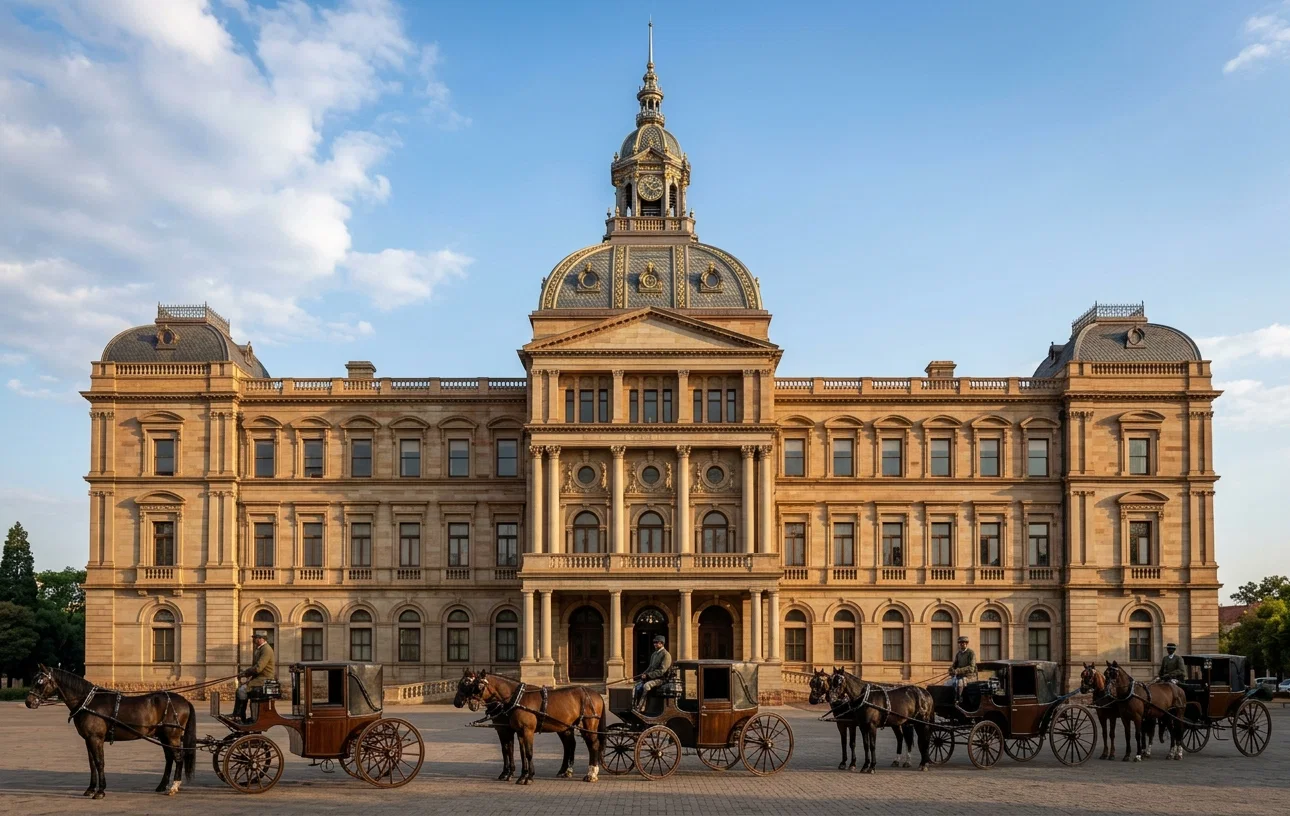
GOVERNMENT BUILDING, PRETORIA, TRANSVAAL
The Portuguese founded no settlement at the cape. Thus the history of South Africa really begins with the coming of the Dutch. The sturdy Netherlands people had a large trade with the East Indies; and as their ships called at Table Bay for water, it seemed wise to found a permanent settlement. So in 1652, a company arrived from Holland, to make homes in the new world of South Africa. Dr. Jan van Riebeek was their leader; and he proved himself equal to the task of cheering the colonists on through privations and sicknesses, until the foundations of a new commonwealth were laid. He is honored as the father of the new country, and the local poets celebrate lovingly even his frailties.
STATUE OF VASCO DA GAMA,
LISBON
STATUE OF VASCO DA GAMA, LISBON
“Quick tempered, keen of eye and ear, the little doctor seems— In belted coat and buckled shoe—more of romance and dreams.”
This work began about forty years after that other Netherlands expedition had founded the New Amsterdam, on Manhattan Island, which was to grow into the great city of New York. The South African pioneers had the wilder region to subdue.
“The lions roared by garden gates, the leopard watched the path, And the vanished pools of Cape Town were the lumbering hippo’s bath.”
Now the statue of Riebeek, on the harbor front, looks toward Table Mountain, over one of the fine cities of the world. Cape Town is the legislative or parliamentary capital of the Union of South Africa. The executive capital is Pretoria, in the Transvaal.
In Cape Town I found the headquarters of our own work in South Africa, the offices of the South African Union Conference. This union conference organization is composed of the Cape Province, Orange Free State, and Natal-Transvaal conferences, with missions to the Kafirs of the Cape Province, the Basutos of Basutoland, the Zulus of Natal, and the missions among the tribes of southern and northern Rhodesia and of Nyasaland.
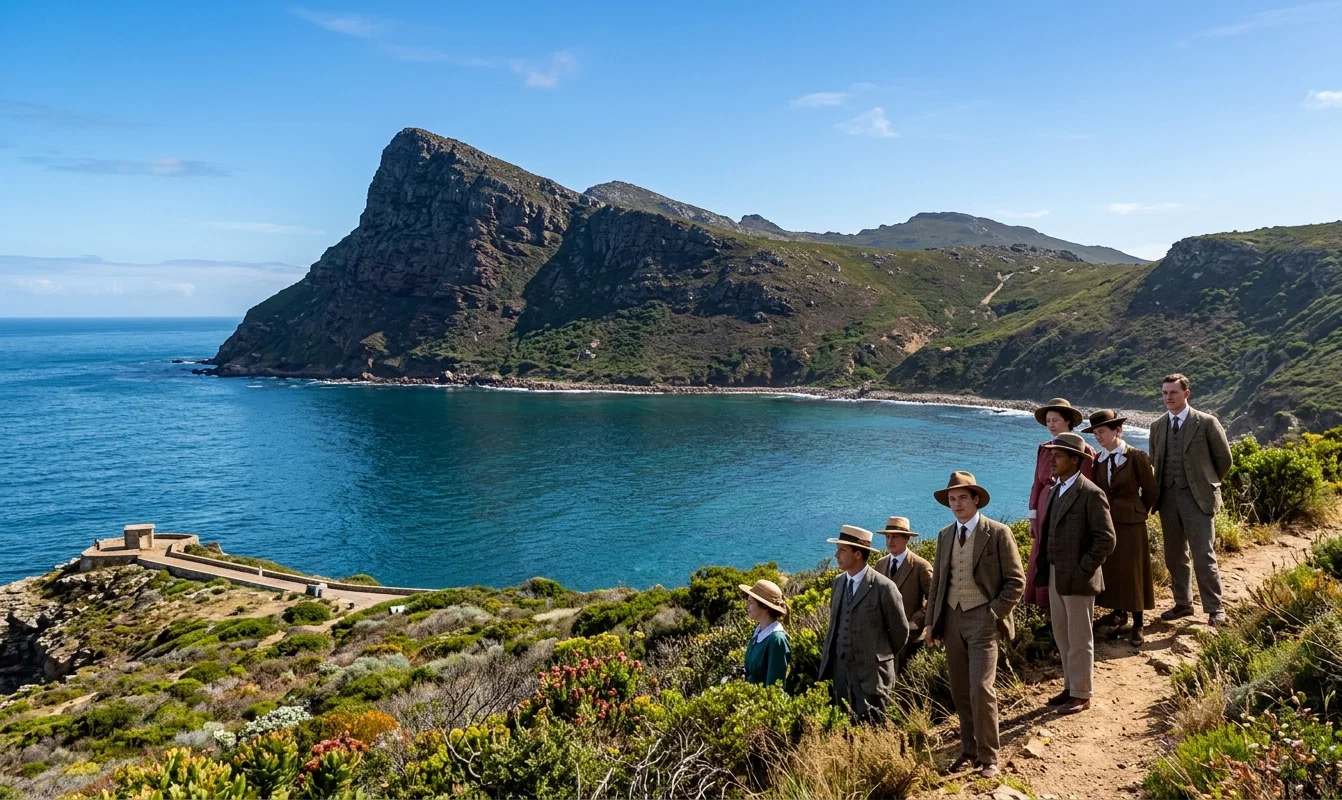
Cape of Good Hope
Cape of Good Hope
As Cape Town has been the historical base in the founding of this over-sea British dominion, so it has been the base of our missionary operations. Landing in the city after a ten-thousand-mile journey, I found myself at home among believers in the “like precious faith.”
The first hours ashore took me into the Wednesday evening prayer meeting at the old Roeland Street church. As I listened to the songs of Zion and to the prayers and the testimonies, I said to myself again, How true are those words of Paul, “The word of the truth of the gospel; which is come unto you, as it is in all the world; and bringeth forth fruit, as it doth also in you.”
I heard the same note of joy and thankfulness for the truths for which this Advent Movement stands, that is heard in other lands. One after another, some with deep emotion, told what a blessing this message of Christ’s soon coming had been to them. It had brought a deeper experience to those who before had known Christ, it had saved others from the world, and had wrought reformation of lives. To all, the bright hope of the soon-coming Saviour was the dearest hope on earth, and the power that was leading them to devote their lives and every resource to the spreading of the good news of the coming kingdom.
And this ringing keynote that I caught at Cape Town as I landed for the first time in South Africa, I heard repeated in all parts of the dominion.
The “sure word of prophecy” nearly two millenniums ago said that when the last days came, a people keeping “the commandments of God and the faith of Jesus” would be springing up in all lands, proclaiming the message of preparation for the coming of the Lord. That word of prophecy is fulfilling before men’s eyes to-day.
W. A. S.
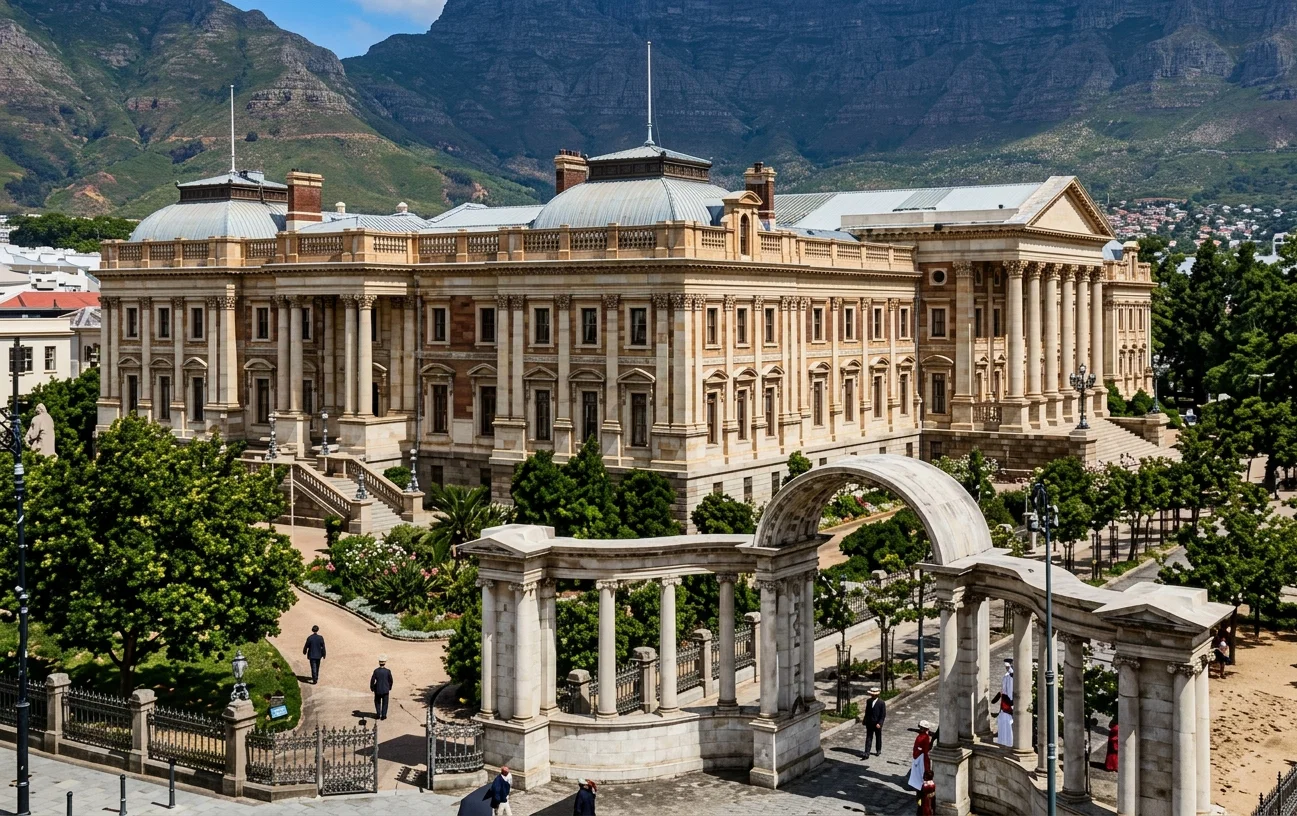
PARLIAMENT HOUSE, CAPE TOWN