THERE has been considerable discussion, throughout the world, of the reported interview of Latapie with the pope. This is one among the many things that show how the world is turning toward the papacy and is anxiously seeking to know where the pope will stand upon great international problems. English papers have demanded that the pope express himself on such matters as the sinking of the Lusitania, and kindred questions that are receiving so much public attention.
The English cardinal Bourne seemed to think that the discussion had become sufficiently strong to demand his defense of the pope’s position. A very significant sentence in Cardinal Bourne’s utterances is the following:
“It is a strange phenomenon to find that men representative of English thought, who once upon a time would have derided the very idea of appealing to the holy father in such a crisis, are now the very first to condemn what they regard as the political silence of the sovereign pontiff.”
The attention that is given to the pope in this time is indeed a striking phenomenon. The appalling calamities of the war raging in Europe are causing many people to turn toward religion who have been both godless and irreligious in the past. These people reflect that the pope has great power because he has such an immense following, and naturally they turn in multitudes to him for his leadership and to learn his opinions on great vital questions. But this power of the papacy, while outwardly spiritual in appearance, and as the calamities come upon the world more and more, it will be found that the people will turn stronger and stronger toward the papal church.
It is indeed significant, as Cardinal Bourne remarks, “that men representative of English thought, who once upon a time would have derided the very idea of appealing to the holy father in such a crisis, are now the very first to condemn what they regard as the political silence of the sovereign pontiff.”
The very fact that England, since the beginning of this great war, sent Sir Henry Howard as an envoy to the Vatican, speaks whole volumes. Millions of the common people in England are strongly Protestant in their sentiments; but this act of sending Sir Howard to the Vatican shows that the government of England has turned toward the papacy.
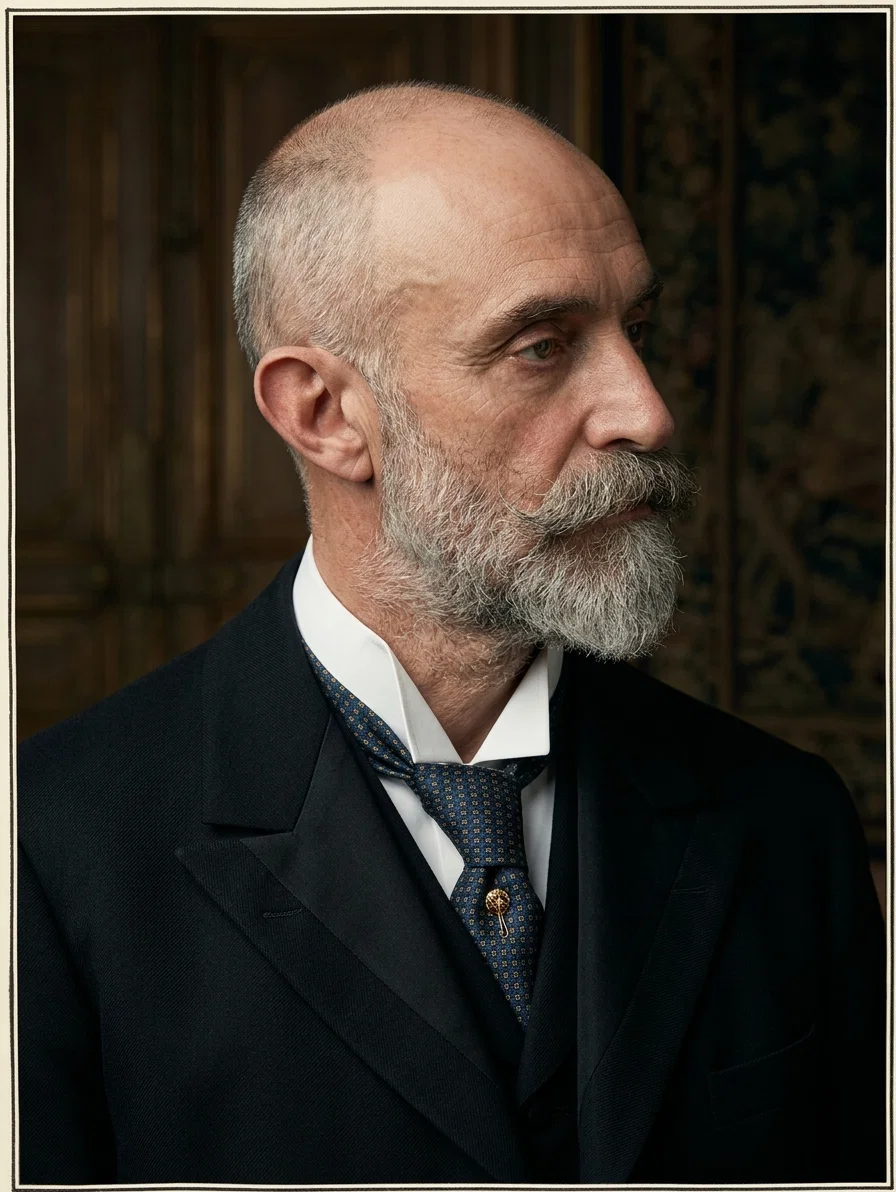
The duke of Genoa, the acting ruler of Italy while the king is at the battle front.
As we view these strikingly marked tendencies of this time, how significant is the prophecy which states, in the clearest language, that when the last generation is reached, all the world will wonder after the beast! This is not a question of theory, but it is a question of fact and of prophecy, and we would that these matters might be so discussed that no one, be he Catholic or Protestant, would have any feeling over them whatever, but would calmly weigh the evidence and take his stand accordingly. This is no time for bitter denunciations or acrimonious discussions. We are standing in the presence of the greatest climax, in the fulfillment of prophecy, that the world has ever seen. A new religious despotism is forming. It will have but very brief duration, but it will be as cruel and oppressive as anything that the world has ever seen; and the sad part is that all the factions of nominal Protestantism, as well as those of Catholicism, will unite in bringing it about.