Great Bible Scholar at Kadesh-Barnea—In the Presence of the Mighty Deeds of That Place—The Eternal Canaan Just Ahead
In the Homiletic Review for May, Prof. Camden M. Cobern, a recognized authority on the archeology of Bible lands, tells in a most interesting way of a flying trip made to the regions of Kadesh-Barnea, that point from which Israel turned again into the wilderness for the long wandering, and to which they came again just before making the journey around Edom into the promised land. It lies about five days’ journey south of Jerusalem by quick Arab horses.
His Findings and Impressions
The region is mostly desert, and still dangerous because of marauding bands of Bedouins, the desert Arabs who live by plunder. The following paragraphs from Professor Cobern’s description of his findings and his impressions at the famous spot give surely a modern setting to the inspired history:
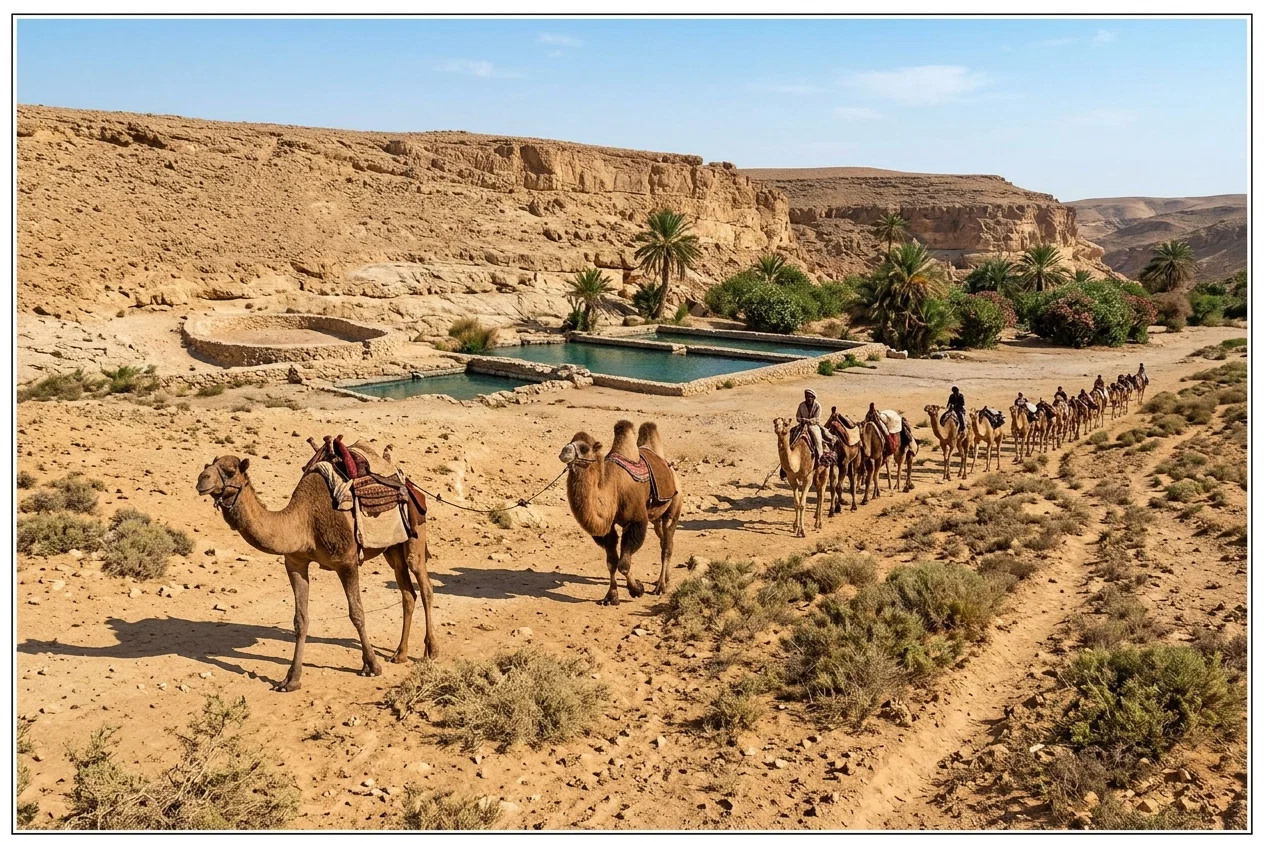
“There are really three springs, with ten other places from which water bubbles out of the earth, though the latter probably all center in the head springs. What separates this from almost every other water-supply in the Sinaitic peninsula and makes it seem to the Arabs a magical or divine creation is that these are living fountains, not wells. They are near the surface, and are of perpetual strength. . . .”
The Original Fountain
“The two most prominent springs were six feet deep and stoned up from the bottom with time-worn rocks, but the one nearest the cliff was dry. The suggestion was forced upon me on the spot that this upper dry spring, which even yet sometimes contains water, as was proved by Professor Robinson, was the original fountain the drying up of which caused the assembled hosts to become crazed with thirst and cry out against Moses and Jehovah. In that case these other two springs would have been brought to light when Moses struck the rock twice. Ex. 17:1-7; Num. 20:7-13. At any rate, there can be no doubt, this being Kadesh-Barnea, as Bible scholars generally concede, . . . that one of these is the En-Mishpat, ‘spring of judgment’ (Gen. 14:7), by the side of which Moses administered justice.”
“I SAT ALONE AT NOON UNDER THE SHADE OF THE TWO FIG-TREES, . . . LOOKED ABOUT ME, AND DREAMED OF THE GREAT EVENTS WHICH HAD TRANSPIRED HERE.”
The Ghosts of the Centuries about Him
“I sat alone at noon under the shade of the two fig-trees which my Arab said no man had ever planted; and while the Syrian dragoman slept, I looked about me, and dreamed of the great events which had transpired here in the mystic, mighty past. And as I sat there, I may have fallen asleep, for it seemed that the ghosts of the centuries rose up about me. I smelled Oriental incense, and saw blood sacrifices, and heard weird chants, and beheld passing over the sands a strange procession of priests in white robes, and brave warriors with sharp weapons, and Arab sheiks riding on prancing chargers and lazy camels, and the ark of God was in the midst, and Moses and Aaron doing great acts and speaking great words, for which the people may have cared little then, but which the world has never been able to forget.”
“I heard the sound of Miriam’s timbrel, and later the wailings of the congregation as they carried this first sweet singer of Israel to her tomb. I saw the new ritual of worship established, and the daily drill by the ‘captains of hundreds and of fifties’; and I heard the groaning of camels, and the shrill whistle of goatherds, and the confusion and babel of the camp, when at last, after long, hard years of waiting, the order was given to once more take up the march toward the longed-for ‘land of milk and honey.’ Num. 20:14-24.”
“And just then I awoke, and the tumult was a dream, and all about me was the silence of peace; yet what I saw was even more wonderful than what I had dreamed.”
Like a Fairy-Land in the Desert
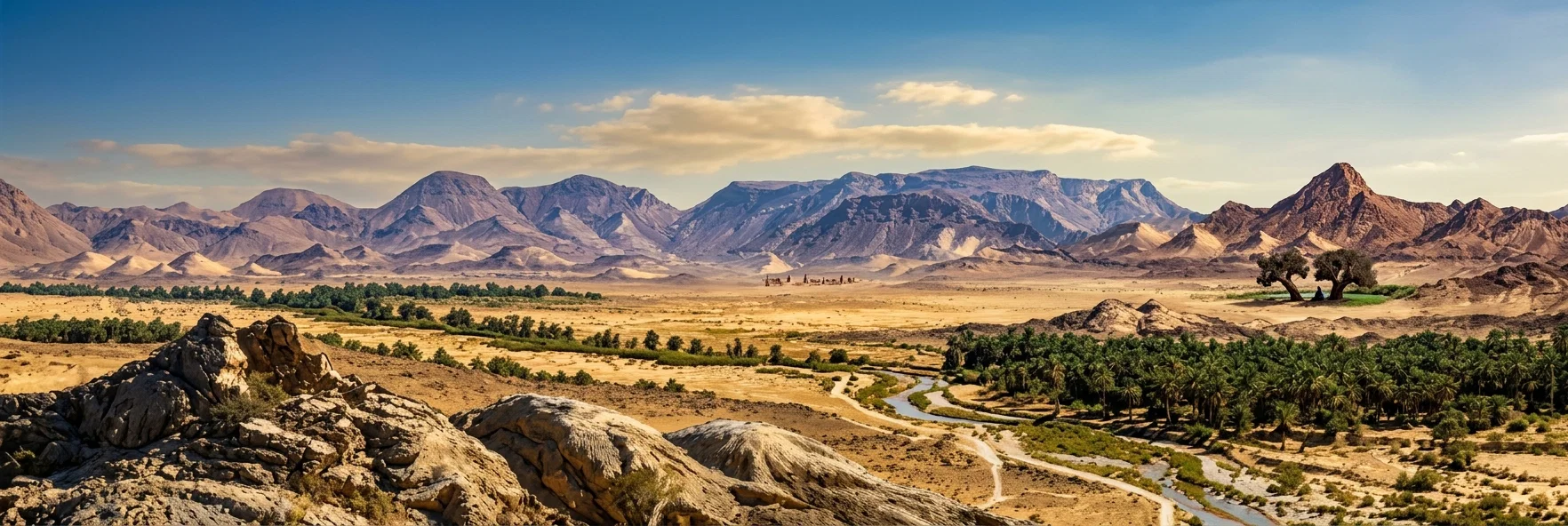
“The oasis is like a fairy-land. The sight of waving grass and gurgling water and the odor of flowers and hum of bees and flutter of birds seem impossible in this desolation. Yonder is a jagged chasm torn in the earth which may have been rift when Korah and his band were swallowed up as by the explosion of some subterranean mine. Numbers 16. . . .”
“It is no dream, but a certainty, that under the shadow of these hills mighty acts were performed and mighty words spoken that the world can never forget.”
It Is No Dream
Truly it is no dream, the deliverance from bondage in Egypt, the giving of the holy law, the wanderings until at last the Lord426led the people of Israel into the earthly Canaan, promised to their fathers. And just as truly as all these things took place in the development of God’s purpose in the plan of salvation, just so surely the Lord is leading a people out from the bondage of sin to-day. He is calling His children again to keep His commandments, and to prepare to enter the land of promise, this time the eternal Canaan, for which all the saints have looked through all the ages. With Christ’s glorious coming “even at the door,” we are on the borders of the promised land. The Lord is setting His hand “again the second time to recover the remnant of His people.” Isa. 11:11. Happy those who follow with that commandment-keeping remnant in the way of faith and righteousness.