Our London Letter

3%

Pacific Press Publishing Association · Mountain View, California · Mar 1, 1910

FromSigns of the Times, Vol. 37, No. 9.

Read the full edition

Our London Letter

(From our own correspondent, Mr. W. T. Bartlett, editor of Present Truth, London)
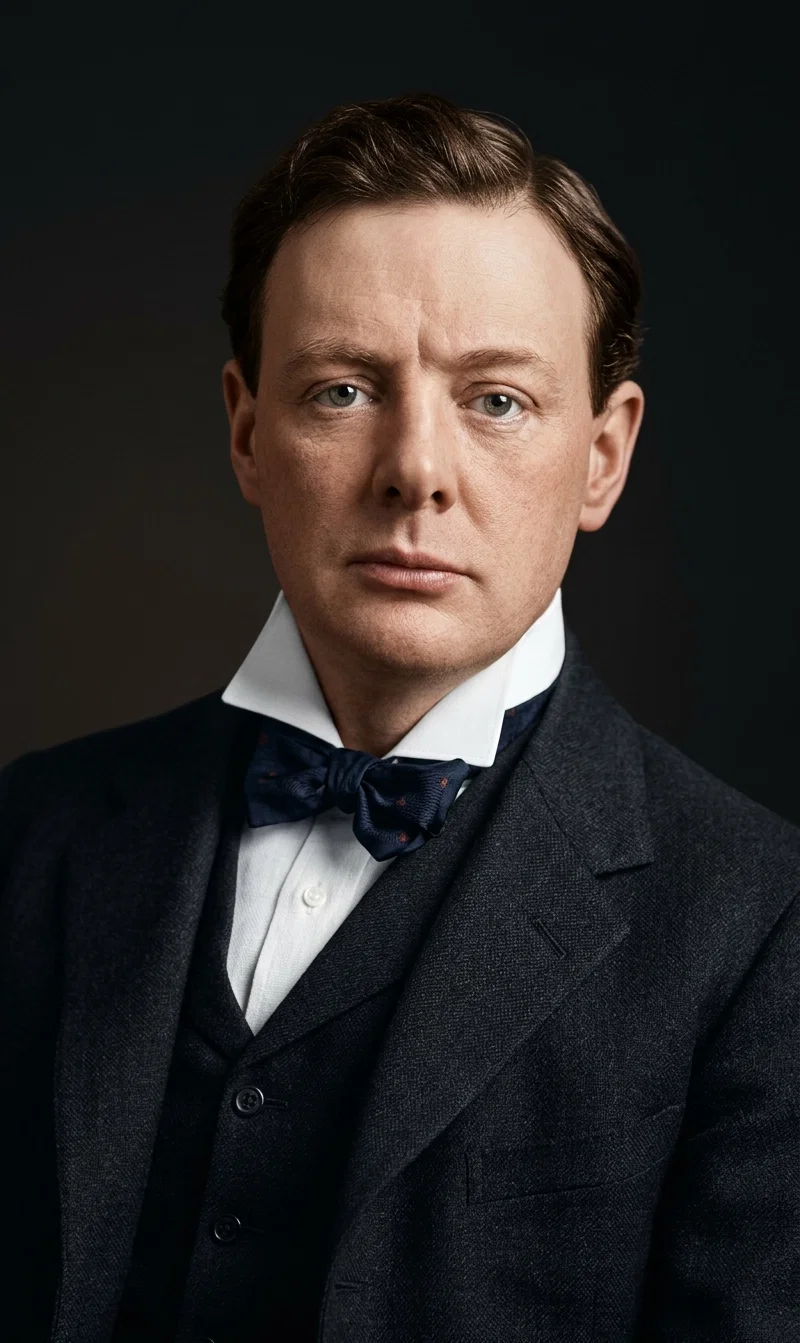
The Right Hon. Winston Spencer Churchill, M.P., a member of the Liberal cabinet
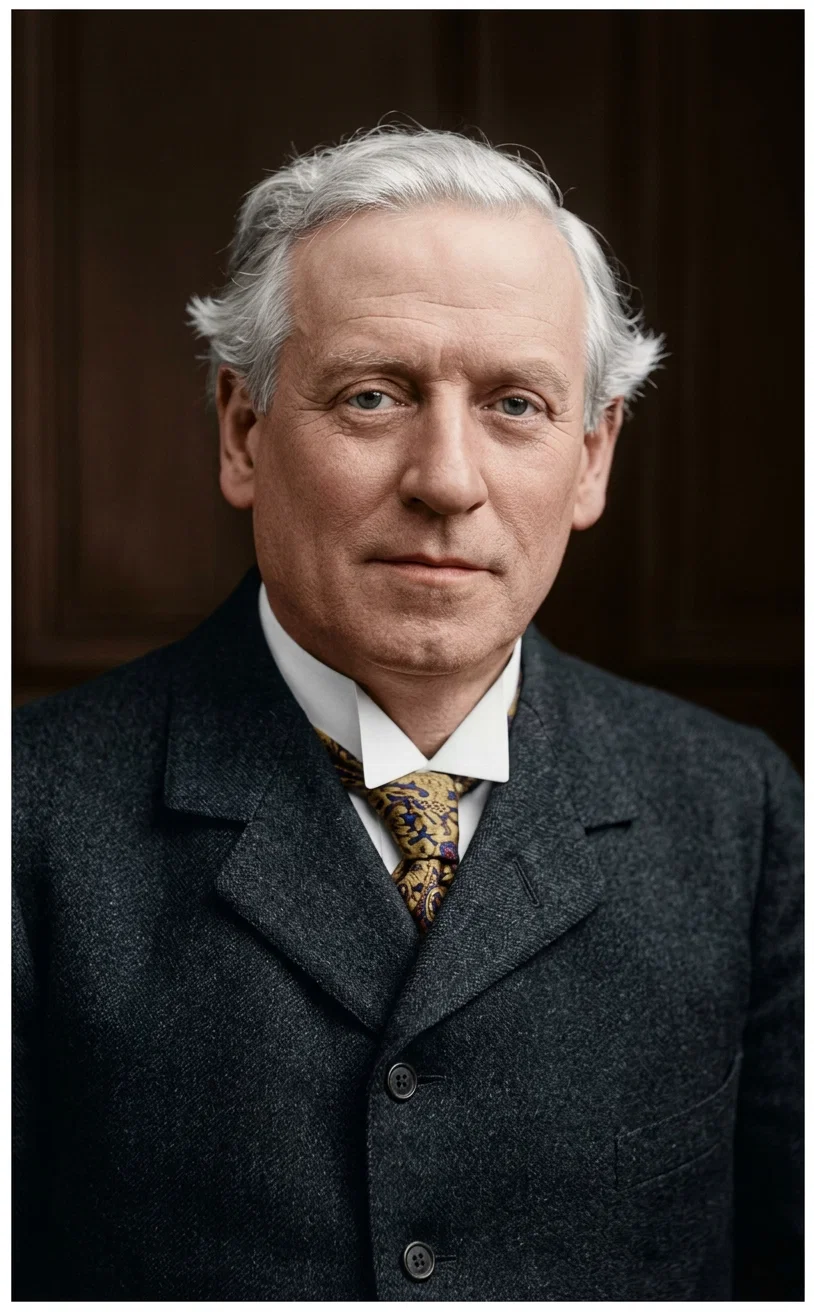
The Right Hon. H. H. Asquith, K.C., M.P., Prime Minister of England
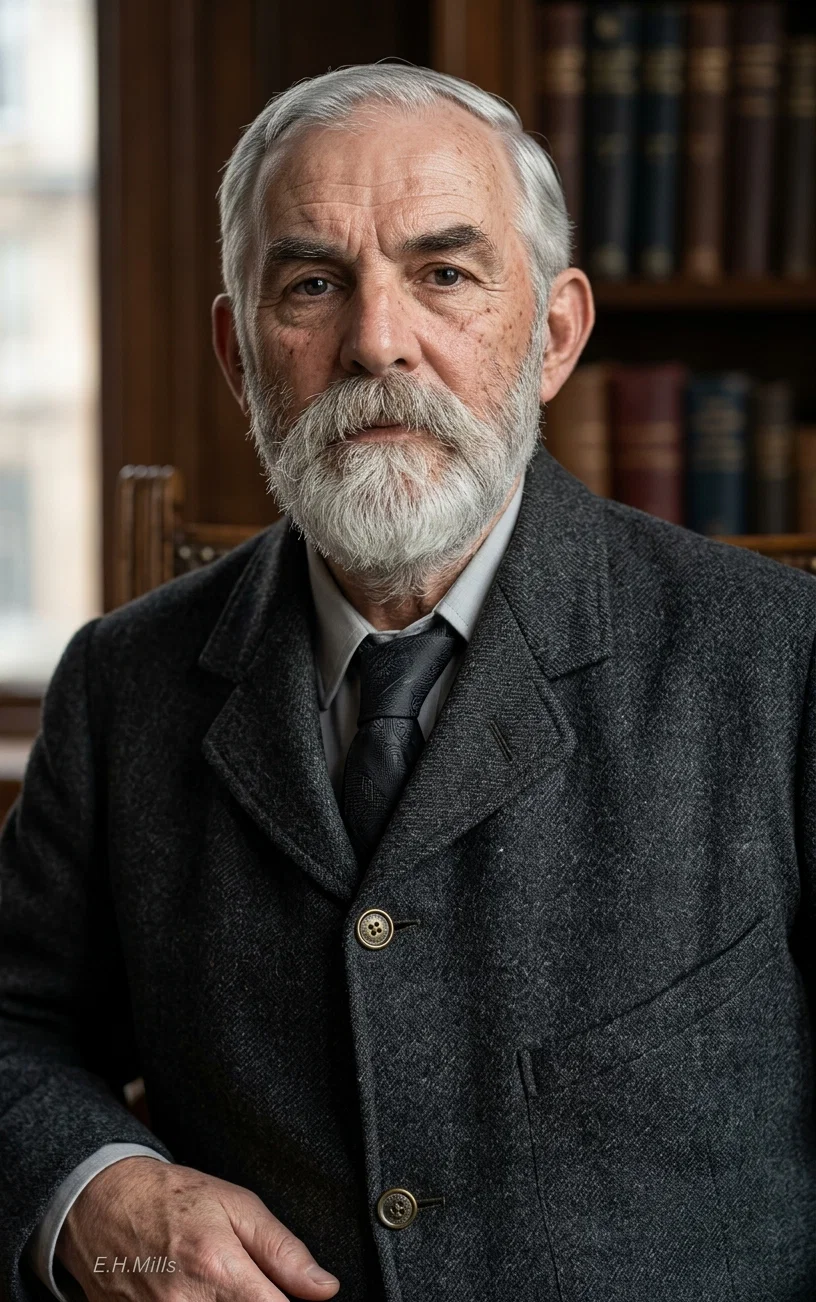
Mr. John Burns, Member of Parliament, the great Labor leader of England
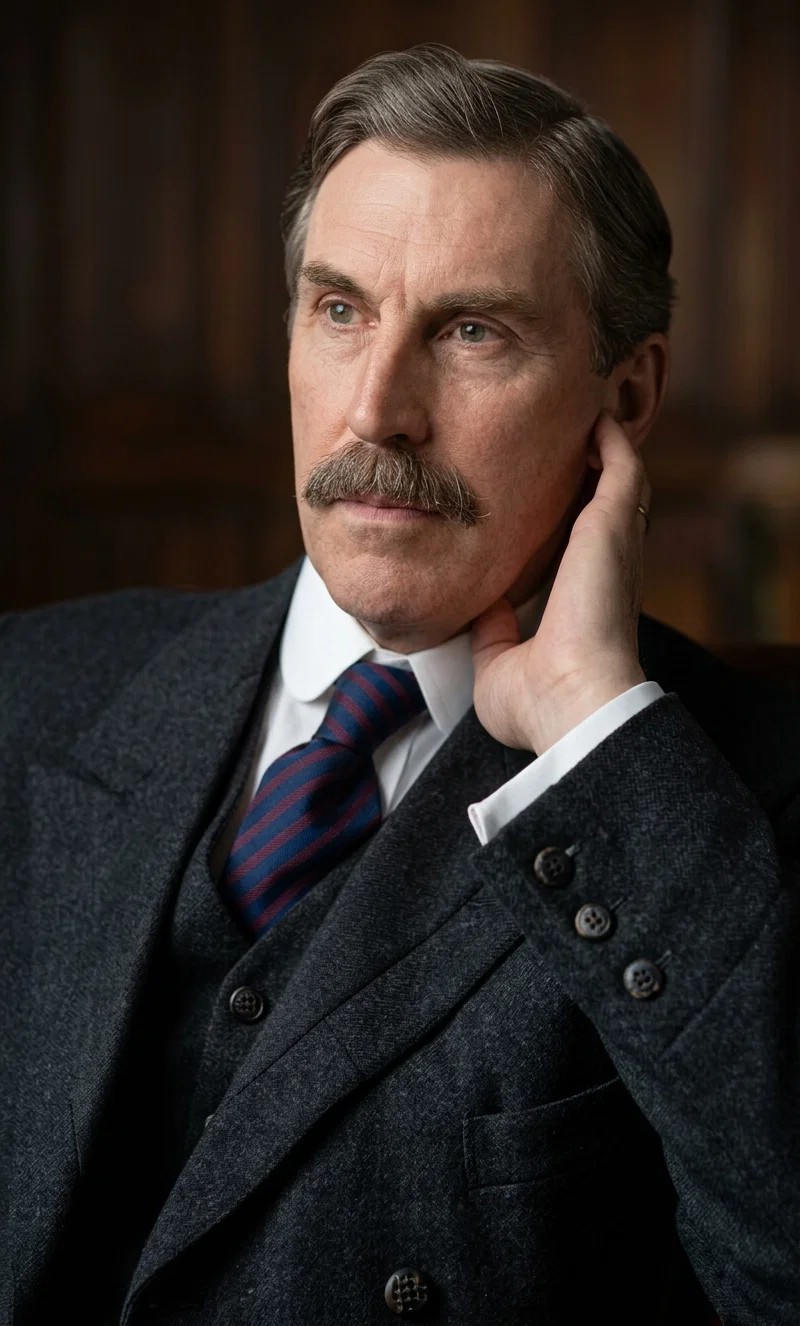
The Rev. Sylvester Horne, Member of Parliament
At the time of writing, England is in the throes of the general election. It is impossible to tell yet what the final results will be, but it begins to be clear that the Liberals and the Labor representatives on the one side will about balance the Conservatives on the other, and that the Irish Nationalist party will hold the balance of power. This will mean that the main issues on which the appeal was made to the country, will be decided in favor of the late government; for on these points Mr. Asquith, the Liberal premier, may reckon upon the support of the Irish party.

The Liberal Policy

The policy which the Liberals laid before the electors was, first and foremost, the endorsement of the budget, which was rejected by the House of Lords, including therein the annual tax on land values and the provision for a government valuation of all landed property, with a view to further taxation. The second item on the Liberal program was the abolition of the power of veto on legislation, hitherto possessed by the House of Lords, but never exercised by them except for the destruction of Liberal measures. There are two other items to which the Liberal government stands committed; one of them is the grant of a measure of home rule for Ireland, and the other is the disestablishment of the English state church in Wales.
To all of these measures the Conservative party were decidedly opposed; and furthermore, they stand committed to a policy of tariff reform for the protection of home industries.
If, as now seems probable, the Liberals take office again, they will insist, before doing so, on the royal support in the conflict with the House of Lords. This will doubtless mean that in the event of their measure for the reform of the Upper House being vetoed by the Lords, the king will consent to the manufacture of a number of peers sufficient to swamp the Tory majority in that House and so permit the measure to be made into law. It is hard to see how the king can stand out against such a demand; for the last year’s budget is not yet passed, and the next will be due in March, so that unless the government can get about its business quickly the finances of the country will be getting badly in arrears.
The Irish party will gladly stand by the Liberal and Labor representatives in their struggle with the peers, for in the removal of the veto of the Lords lies the only chance of passing a measure for conferring home rule upon Ireland. Mr. Gladstone was able to get a home rule bill through the House of Commons, but the Lords threw it out.

Irish Self-Government

After the veto is dealt with will come the struggle over Irish self-government. The Irish members will, of course, seek to take full advantage of the strong position they will occupy in the new Parliament, and will exact the fullest possible measure of autonomy for their country. It is very likely, indeed, that they will not be satisfied with the measure which Mr. Asquith will introduce; and the duration of the new Parliament will probably depend upon whether a compromise upon this question can be arrived at.
The problem of Irish home rule is a thorny one. Three quarters of the country is peopled by Catholics; but the wealthiest and most thickly populated portion is filled with ardent Protestants, who view with dread and abhorrence the possibility of being ruled by a Roman Catholic government. When Mr. Gladstone first introduced a home rule bill, public opinion in England was decidedly opposed to the measure; and it would not be difficult to revive the prejudices that were then entertained.
Impartial students of history admit that Ireland has suffered many and grievous wrongs at the hand of England in past centuries, and that abstract justice demands that she receive the fullest compensation. In all probability this compensation would be readily granted if the facts of history were only brought home clearly to the consciousness of the English people; but the unfortunate part of the situation is that the Nationalist representatives of Ireland have permitted themselves to speak in terms of bitter enmity against England, and this has led many to fear that a grant of self-government in Ireland would mean the establishment of a hostile power, always ready to offer aid to possible enemies, in dangerous proximity to our coasts. It would not be at all surprising, therefore, if the home rule question shouldprove a rock on which the Liberal party will experience shipwreck. It is already predicted that there will be another general election before a year has passed away.

Alarms of War

One of the notable features of the election campaign was the issue by Mr. Robert Blatchford, a prominent Socialist writer, of a series of alarmist articles insisting on the grave peril in which the increased German navy was placing this country, and demanding not only a considerable increase in our ship-building program, but also the formation of a powerful land army. The reason given for this latter demand was that unless we were in a position to come to the aid of France with a powerful army, Germany would, in her next war, take permanent possession of the provinces in the north of France, and establish herself at a number of ports facing our southern coasts. Thus she would be able effectively to dispute the control of the English Channel.
To meet this peril Mr. Blatchford called for an expenditure of fifty millions on the building of additional Dreadnoughts, the raising of an army of a million men, and the institution of compulsory military service for the male population of the United Kingdom. He claims to have received letters of strong approval from Lord Roberts and Lord Charles Beresford and from many officers of the army and navy.
Mr. Blatchford has been freely denounced as a scaremonger; but such prophecies as his have the baleful power of helping to fulfil themselves, and it is certainly true that public opinion in this country is moving more or less rapidly in the direction he indicates. Another writer, Mr. J. L. Garvin, who commands the public ear to a considerable degree, is vigorously urging that our next ship-building program must provide for at least twelve or fourteen Dreadnoughts, by means of a loan of $250,000,000, and that a policy of conscription is demanded in order to make our continental alliances effective. To enforce his plea, he calls attention to the following figures, which show how the German naval expenditure is steadily doubling itself every few years, while the English expenditure remains about the same:
Germany England
1895 £4,100,000 £19,600,000
1900 7,600,000 30,000,000
1904 10,500,000 36,800,000
1905 11,400,000 33,200,000
1906 12,300,000 31,500,000
1907 13,500,000 31,400,000
1908 16,900,000 32,300,000
1909 20,100,000 35,100,000
1910 22,000,000 ..........
Vast and significant as these figures are, they are small compared with the amounts men are beginning to speak of as the price of English naval supremacy. It will be better, they say, to spend hundreds of millions in preparation rather than forfeit thousands of millions as the consequence of defeat. But others can see that there is a necessary limit to the treasure that can be poured out in the multiplication and maintenance of armaments. Lord Courtney of Penwith, an advocate of peace, but a clear-sighted observer, recently wrote:
“If the balance of physical forces must always determine the course of history, the end is certain. It may be deferred and again deferred, but it is inevitable. We know it, tho we are not bold enough to confess it to ourselves. The tides of men are governed by secular conditions which the greatest craft of statesmen can not nullify. What is the secret of the incessant agitation that besets us for universal service, for imperial defense, for a war-union of all the dominions, but a creeping sense that forces are growing around us with which we are doomed to come into passionate collision, and we are already walking in darkness and in the shadow of death, and no light is vouchsafed us? From this gloomy outlook we may escape if we are content to advance abreast of others in the march of civilization, without straining to maintain an overtopping security in physical resources which nature and time must deny us. What we have done already must forever give us distinction in the world’s history, and it may well be surpassed by the glories of the future if we do not wreck our fortunes in the pursuit of the false policy of perpetual supremacy in force.”

Clerical Parliamentarians
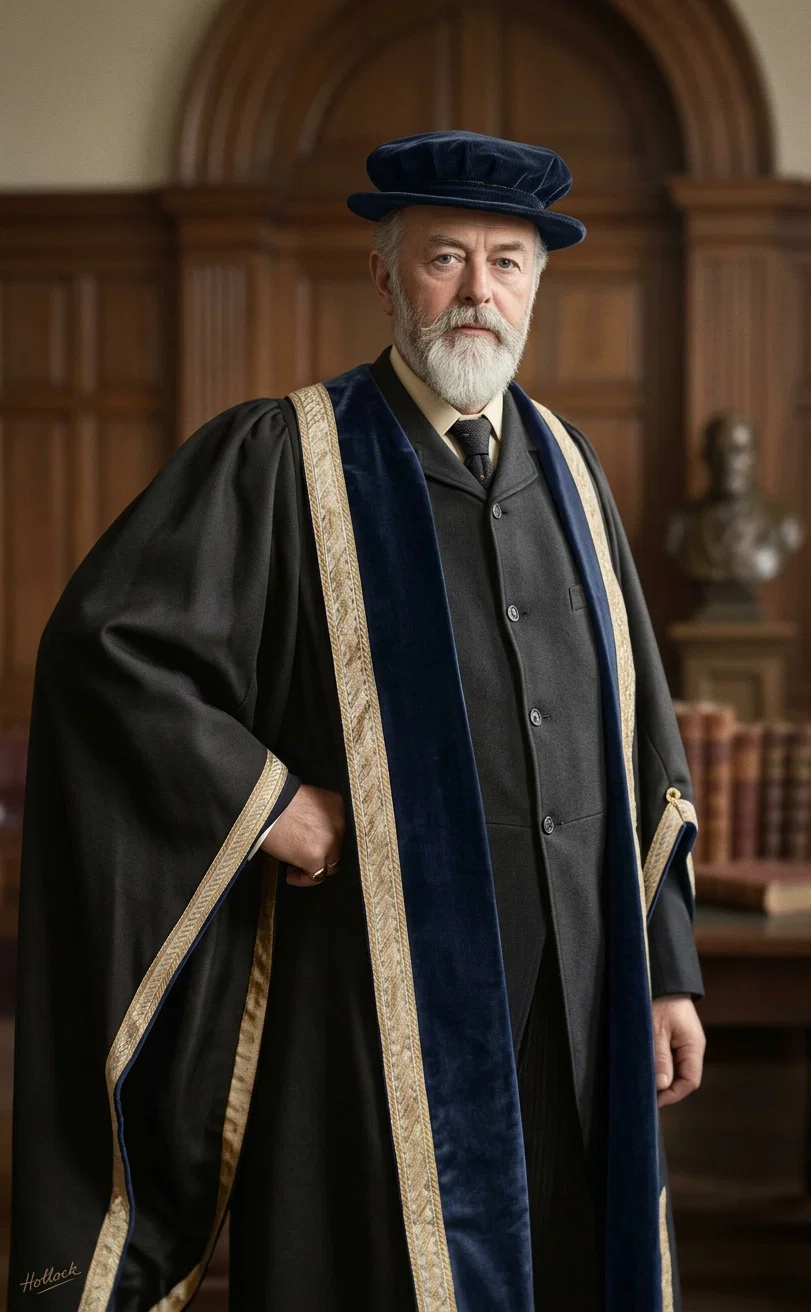
One very remarkable circumstance of the present election is the successful candidature of the Rev. Sylvester Horne, who has been returned to Parliament as a supporter of the Liberal government. Mr. Horne is one of the most popular preachers of the day; and his church, known as Whitefield’s Central Mission, situated in one of the busiest districts of London, is noted for its multitudinous activities, amply sufficient in themselves to occupy its pastor’s energies. Mr. Horne, however, has given assurance that the work of his church shall not suffer in any way by his work as a member of Parliament. If he means to do anything like justice to his parliamentary duties, in addition to his pastoral responsibilities, he will probably break down under the strain.
The noted scientist and scholar, Sir Oliver Lodge
It seems an extraordinary thing that a minister of the Gospel should step into the arena of party strife and devote himself to political warfare; but there is a growing tendency among the Free churches of England for the ministers to throw themselves heart and soul into political struggles. Their training in public speaking makes them welcome allies on the political platform; and when they once surrender themselves to its fascinating excitements, and taste the sweetness of the world’s applause, their earlier call to a sacred ministry begins to die away. Two other candidates in this election have been Free church ministers. One of them has been for years, however, a pastor without charge, having devoted himself to the writing of popular novels. He failed to win a seat in Parliament on this occasion. The other, who succeeded, was for many years a preacher in charge of an important London church. He gave up the ministry to become a public lecturer.
Turning from political questions, it would seem from many indications that the high-water mark had been reached in missionary work. The London Missionary Society, the second largest in this country, has been compelled reluctantly to adopt a policy of retrenchment. A reduction in expenditure of fifty thousand dollars has been decided upon for next year. The Moravian Missionary Society, the oldest of all, is also in trouble, and will have to withdraw from some of its missions unless special help is at once forthcoming.
Last year the Roman Catholic Church in this country sent the Rev. Dr. Herbert Vaughan to the United States to study the methods which had proved so successful there in gaining non-Catholics. Dr. Vaughan has now started a college for the training of priests in this country, where he will give the same course of studies that has been followed in the preparation of workers in the United States. The Roman Catholic bishops here have all pledged the movement their support, and the priests who receive this training will give their whole time to the conducting of missions for non-Catholics.
Another noticeable feature of the times is the number of books which have lately been published on the subject of Spiritualism. Sir Oliver Lodge, a well-known scientist, is the author of one of these; and he, after a very careful and minute examination of the phenomena of automatic writing, in the course of which he gave full consideration to every possible explanation that could be offered, states it as his final conviction that nothing but intercourse with discarnate spirits will account for the information received. It is his opinion that—
“Man’s practical outlook upon the universe is entering upon a new phase. Simultaneously with a revolutionary increase in his powers of locomotion, the power of reciprocal mental intercourse also is in process of being enlarged; for there are signs that it will some day be no longer limited to contemporary denizens of earth, but will permit a utilization of knowledge and powers superior to his own, even to the extent of ultimately obtaining trustworthy information concerning other conditions of existence.”
This conclusion may seem a very cautious one to those who have watched the course of Spiritualism and noted its claims; but it is a fact of considerable importance that men of science who have been investigating Spiritualism for many years, and seeking, with their utmost skill, to find some natural explanation of its phenomena, have now reached the point where they feel forced to admit that there is no other explanation than that which Spiritualists themselves allege,—that is, that the dead are able to communicate with the living, and that they do so communicate under suitable conditions. W. T. BARTLETT.