India in 1909

6%

Pacific Press Publishing Association · Mountain View, California · May 10, 1910

FromSigns of the Times, Vol. 37, No. 18.

Read the full edition

India in 1909

(From Our Own Correspondent)
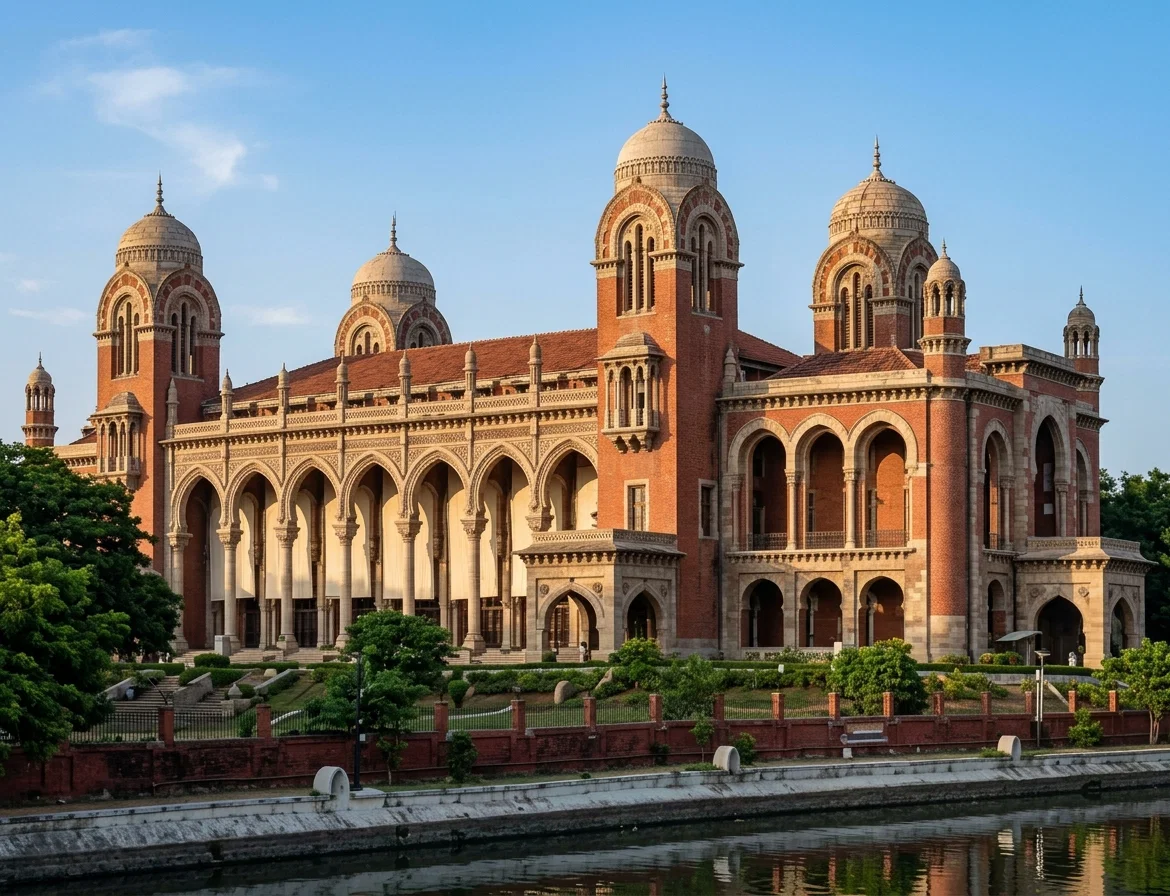
Senate House, Madras
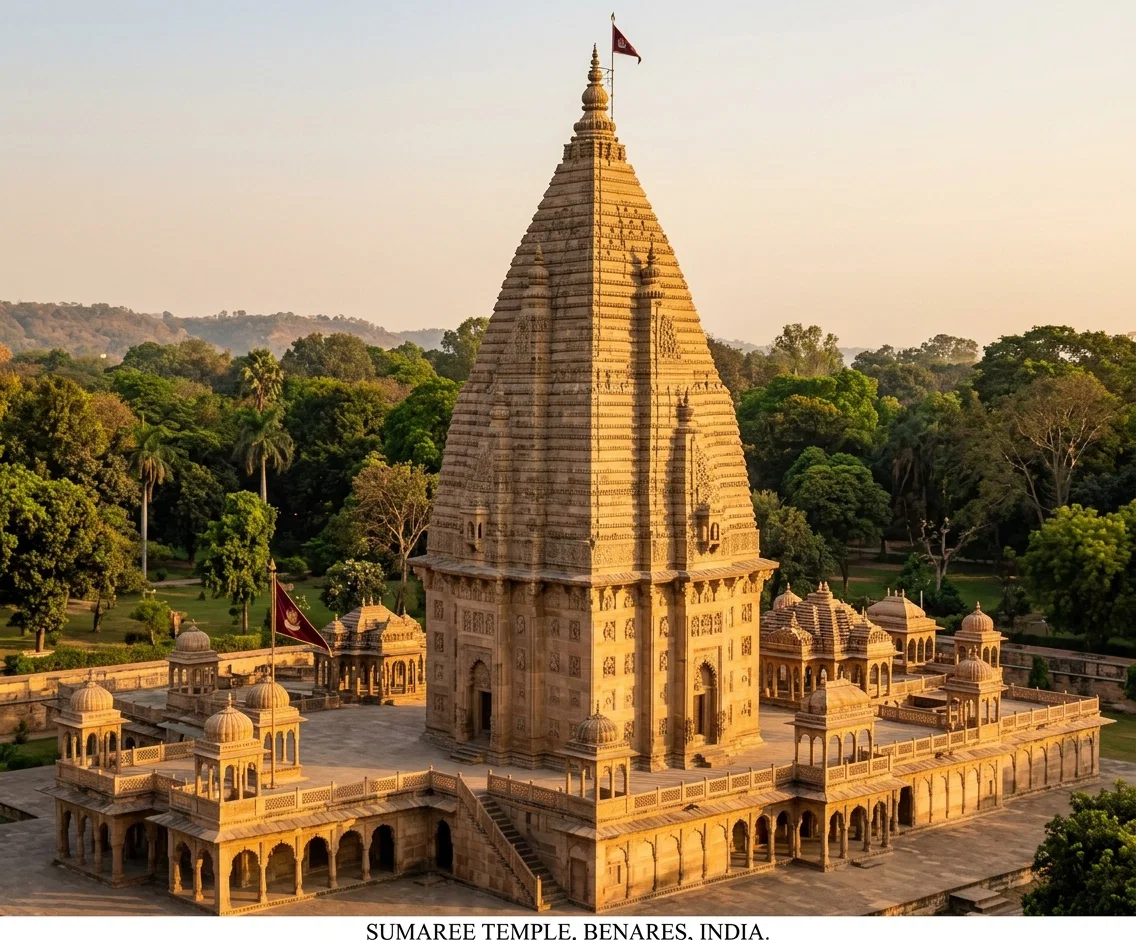
Sumaree Temple, Benares, India
(Concluded from last week)
Religion in India — The New Theology and Christians in India — Movements within Hinduism.

Religion in India During 1909

The same causes which have affected India politically have affected her religiously, only in a different and less degree. The firm hold which the political ideas of the West have taken on the educated community, has not been duplicated in regard to the religion of the West. Very few of those who have received the benefits of higher education have become Christian. Various reasons might be given for this. First, religion is a matter of the heart more than the head. Again, Hinduism, like so many great religions, is very elastic, having power to adjust itself to a great variety of religious concepts. Last but not least, the education which is now coming from the West is more agnostic than Christian. Under these circumstances it is not a thing to be wondered at that young, educated India seems rapidly drifting toward the rocks of agnosticism and atheism. Hinduism, with all its defects, was better than this, therefore the last state of educated India promises to be worse than the first.

The New Theology and Indian Christians

Saddest of all, this tendency is not confined to non-Christian India. During the last months of the year, there was great commotion among the various Christian communities, over some of the same theological questions that are agitating the West. One of the oldest and most respected missions published in a vernacular paper of theirs, circulating largely among all Christian communities, a series of articles which followed the latest brand of “Higher Criticism” imported direct from New England, such as denying the veracity of much in both the Old and the New Testament records, the virgin birth, the miracles of our Lord, and even His resurrection. To their credit it must be said that the Christian community itself seems intensely loyal to the old landmarks, well-nigh rebelling against these teachers of new doctrines, tho they be men of kindly lives and great influence.
In India there are great defects in the operation of missions, which are becoming more apparent as the years pass. The questions of self-support and self-propagation are pressing to the front.
One movement toward unity and — perhaps more properly speaking — confederation, has been to the front during the entire year. In South India more success has attended this movement than elsewhere. The United Church of South India has been launched, consisting largely of an organic union of various Presbyterian and Congregational churches of America and England. Great effort is being made to bring all the Protestant churches into such relationship. It is true that the differences between many sects of the West which have arisen largely from historical reasons, find no response in the heart of the Indian. The doctrinal differences do not have the tendency to make themselves felt in the Indian churches. The one feature of this movement to confederate that is to be deprecated is the tendency to parcel out the territory, and speak of it as tho it were all under private control. This attitude is sure to cause trouble in the future.
The year 1909 was not marked by great accessions from Hinduism. The so-called “mass” movements of a few years back seem to have nearly ceased. Those taking part in these movements were from among the depressed classes who have been kept in a servile condition for centuries, who had nothing to lose and everything to gain by becoming Christians. It has often turned out that these so-called converts have considered their baptismal day as the height of perfection. Such an attitude makes the after life anything but satisfactory, and brings in its train a multitude of troubles for the missionary. Some missions whose financial policy is largely dependent on the report of great accessions annually are in hard straits for the money necessary to operate their work. Those enthusiastic men who predict that India is soon to become Christian have neither the proper understanding of the Word of God nor the sense of facts.

Movements within Hinduism

The Arya, Brahmo, and Prathna Samaj’s, and theosophy, are all movements among educated Hindus which show the ability of Hinduism to dispossess itself of its grosser forms of idolatry and superstition and adapt itself to the new situation. Mrs. Besant, with quite a following of educated Hindus, has recently inaugurated a scheme for a great university at Benares which the founders hope will be modeled after Eastern ideals rather than those of the West.
The forces from beneath are fanning the flames of dissatisfaction and unrest as in other parts of the world, and India will doubtless add her quota to the scenes of strife and confusion of the last days. When Christianity has failed to CONVERT even a majority of the people of the West, it is surely evident that our hope is not that of converting India, but rather that of saving as many as possible from the dreadful wreck which lies just before us. GEO. F. ENOCH