SHALL we cultivate the habit of using extensively this little word of three letters for ourselves, and encourage the same in our children? If so, why? and if not, why not?
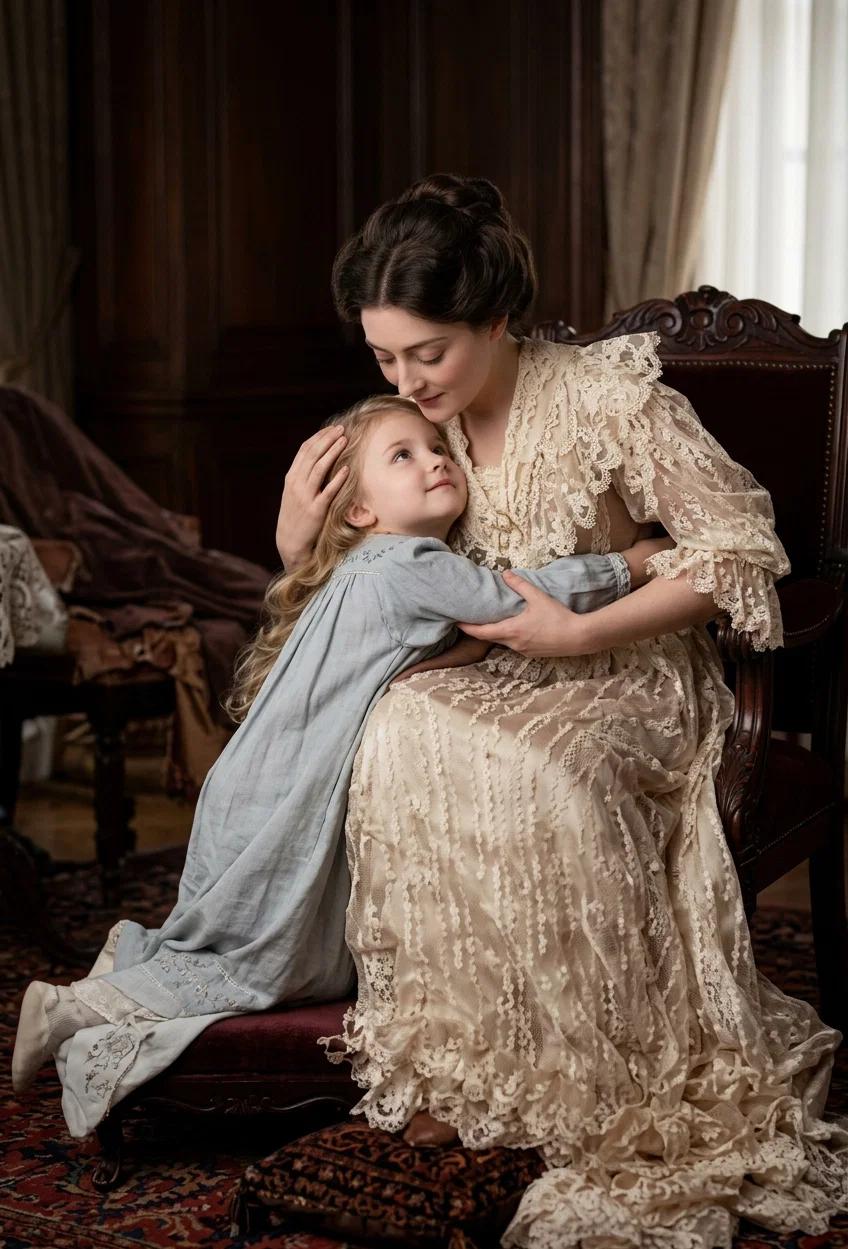
To the latter portion of the first query, methinks I hear many a tired parent, so burdened and pressed each day with a multiplicity of family cares and duties, say emphatically, “No.” But stay, dear weary, overworked mother or father, this question is worthy of a moment’s reconsideration. Here is another “why.” Why did God make of every normal child a veritable interrogation point from the time he begins to lisp his first words? How many parents or older companions would ever take the pains to explain to him those common events and conditions of daily occurrence so apparent and simple to them, but deeply mysterious to the child mind, or would even think to do so were it not for that inevitable “why” from his lips as revelation after revelation unfolds itself to his understanding? O, let us not suppress this natural inquiring tendency; but while we foster it, let us direct it in the right channels. By patiently, cheerfully and correctly answering all the answerable questions of these young truth-seekers, we not only aid in the development of their mental activities, but we win their confidence and love, thus placing ourselves in a position to promote their moral and spiritual growth.
Whenever this spirit of inquiry will lead to obtaining useful knowledge and precious truth, let us continue to ask “why?”
Nature many times presents problems to us, the solution of which there seems little hope of ever obtaining, but let us continue to ask, Why is this rose pink, and that one red, and still another white or yellow, when all are planted in the selfsame soil, and drink in of the same life-giving moisture? Why does that subtle something called electricity sometimes make its presence known in destructive flashes and thunder tones, while far away in the Northlands it displays itself in the varied tints and fantastic forms of the silent harmless aurora borealis? Each “why” of this nature leads us into a deeper wonder and admiration of the love, power, and wisdom of the One who has seen fit to manifest these attributes in so many beautiful and sublime phenomena.
But there is a realm, where the questioner must tread softly, in which we must not be too insistent with our “whys.” It is in the pale of God’s providences.
Suffice it to know that He who withheld not His own Son, “but delivered Him up for us all,” will “with Him also freely give us all things,” and in the loom of life He is able and willing to bring out of our checkered career a beautiful harmonious pattern. Then let us not question why He permits this or sends that. Here we need not understand why afflictions and sorrows, apparently more than their due, fall to the lot of some, while prosperity and happiness are the heritage of many seemingly less worthy. He knoweth best and some day His purposes and plans will be clearly revealed to our everlasting joy and His eternal praise and glory.
There is another instance in which children should be taught to refrain from the use of “why.” If they are made to understand that their parents make no demand upon them but that which is just, reasonable and for their highest good, they can be taught to yield prompt, cheerful, implicit obedience without asking “why?” What a blessing this training will prove to be in after years when they enlist in the army of the Lord. Then it will be easier to stand as faithful soldiers, “theirs not to reason why, theirs but to do and” not “die,” but live eternally; for Jesus said, “If thou wilt enter into life, keep the commandments.”