Our Route and Company

3%

Pacific Press Publishing Association · Mountain View, California · Jun 2, 1909

FromSigns of the Times, Vol. 36, No. 22.

Read the full edition

Our Route and Company

From Ocean to Ocean

FROM the wild, stirring, and Golden West to the thrifty, steadier, busy East. From orange-laden groves where the golden fruit hangs rich in green settings to trees scarcely in full leaf. From blossoms fallen to blossoms coming. From an atmosphere where has hung for weeks the sweet scent of new-mown hay to meadows where springing grass still pleads for more of the genial sun, and in clear nights the feel of frost is in the air. So was to swing our special car from California over the Sunset Route to our General Conference at Washington, over a railway line which on the map extends like a great prostrate bow, or an old-fashioned rocker, one end in the Golden City of the West, the other in the capital city of the nation, in round numbers a distance of 3,000 miles.
Little did our fathers of a generation ago dream of sending a single car across the mighty continent over a single railroad or single system of railways. In fact, the colossal undertaking of boring the gigantic mountains and spanning its great rivers and rocky chasms by a single line was not completed till just a half-century ago (May 10, 1869), and then the time over mountain and desert stretched from ten to twelve days of dreary, dusty uncertainty.

Our Route and Company

Now several well-equipped lines stretch from points in the middle West, like Chicago or Omaha, to the Pacific Coast, making time in fast limited trains from the coast to Chicago in three and four days. But one railway sends its trains specially conducted, three times a week, from San Francisco to Washington without change. This is the Sunset Route of the Southern Pacific, the greatest aggregation of railways in the world.
Twenty-four delegates and visitors to the General Conference elected to go that way. These were as follows: Ministers H. W. Cottrell, H. Shultz, W. M. Healey, W. M. Adams, E. E. Andross, J. M. Cole, J. A. Burden, A. O. Tait, and M. C. Wilcox; J. R. Leadsworth, M.D.; Professors H. G. Lucas and I. C. Colcord; Messrs. C. H. Jones, E. G. Fulton, J. J. Ireland, A. H. Downs, and Olin Tait; Mistresses H. W. Cottrell, A. J. Crocker, and S. F. Woodell; Misses Lenora Lacey, Helen Graham, Kathrina Wilcox, and Alice Sanderson. There was also a little boy in the company; and we were joined in Texas by Prof. G. W. Caviness, of Mexico City. Mr. C. H. Jones, of the Pacific Press, Mountain View, was the organizer and director of the party.
These were representative of all branches of the work from British Columbia on the north to Mexico on the south, but chiefly of California. There were presidents of union and state conferences, representatives of publishing houses, sanitariums, schools, editors of papers, etc., etc.

Some of Those Who Helped

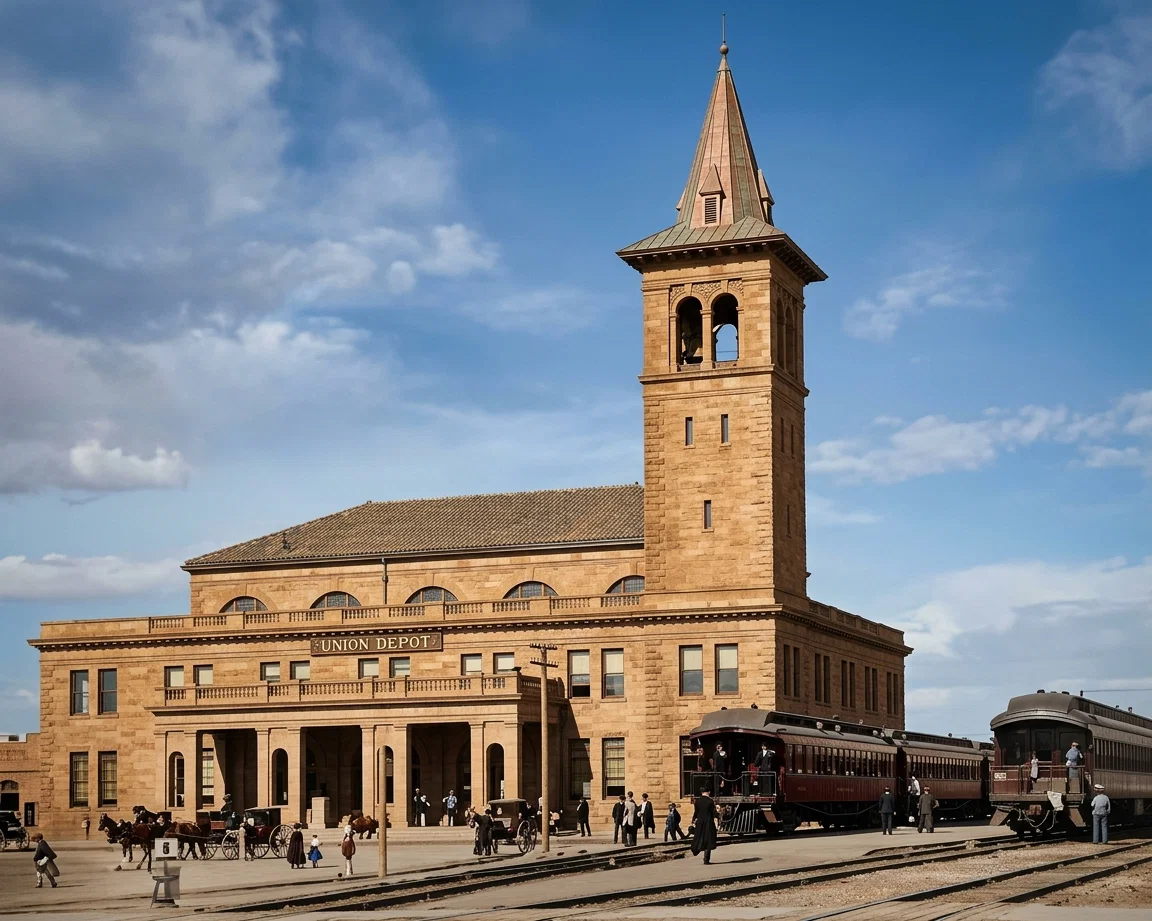
Union Depot, El Paso, Texas
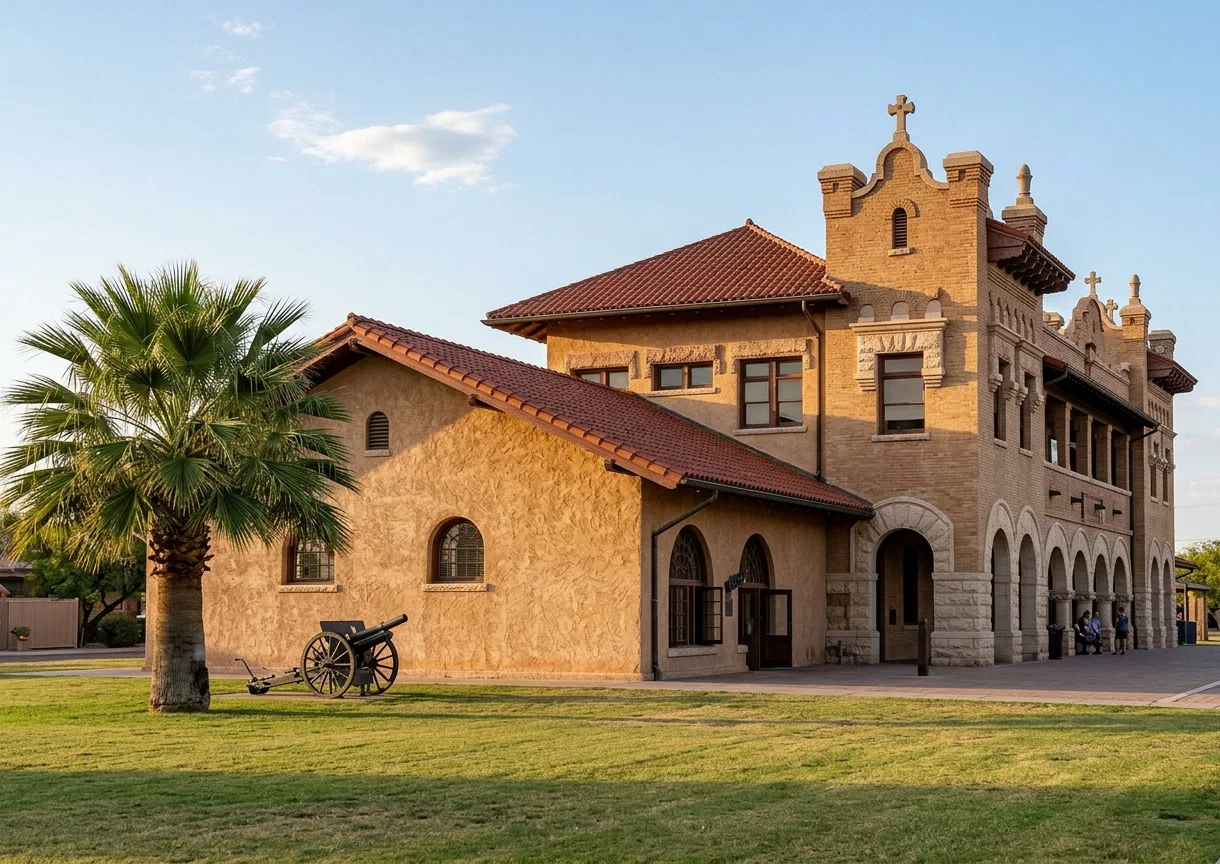
Southern Pacific Depot, Tucson, Arizona
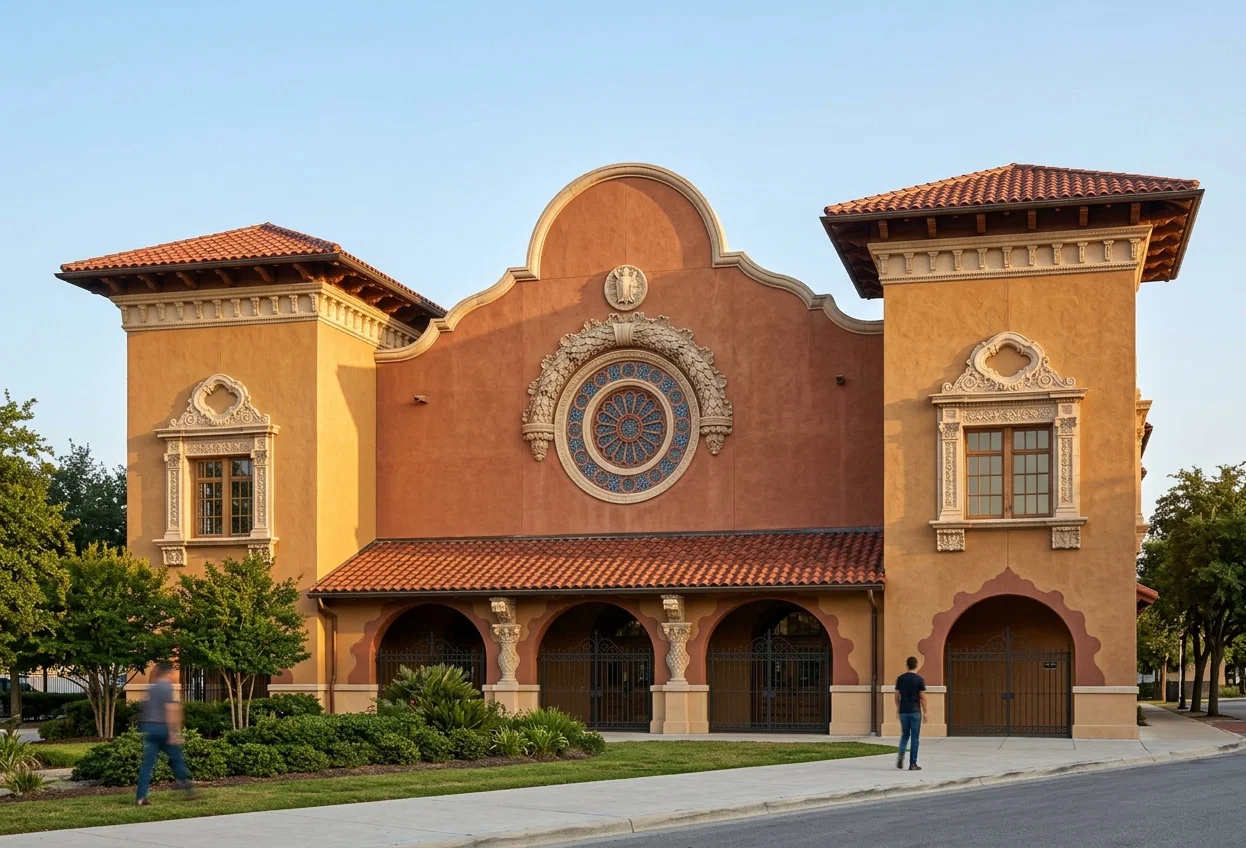
Southern Pacific Depot, San Antonio, Texas
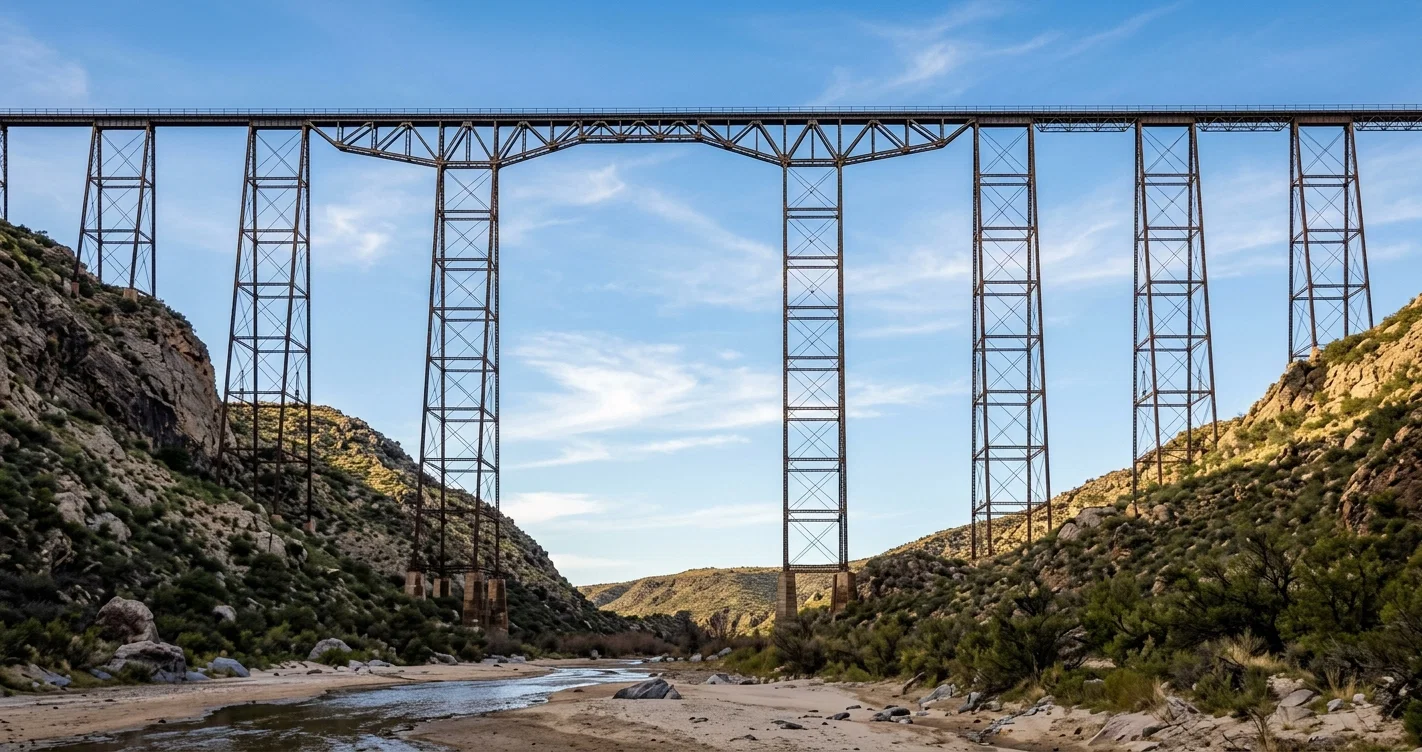
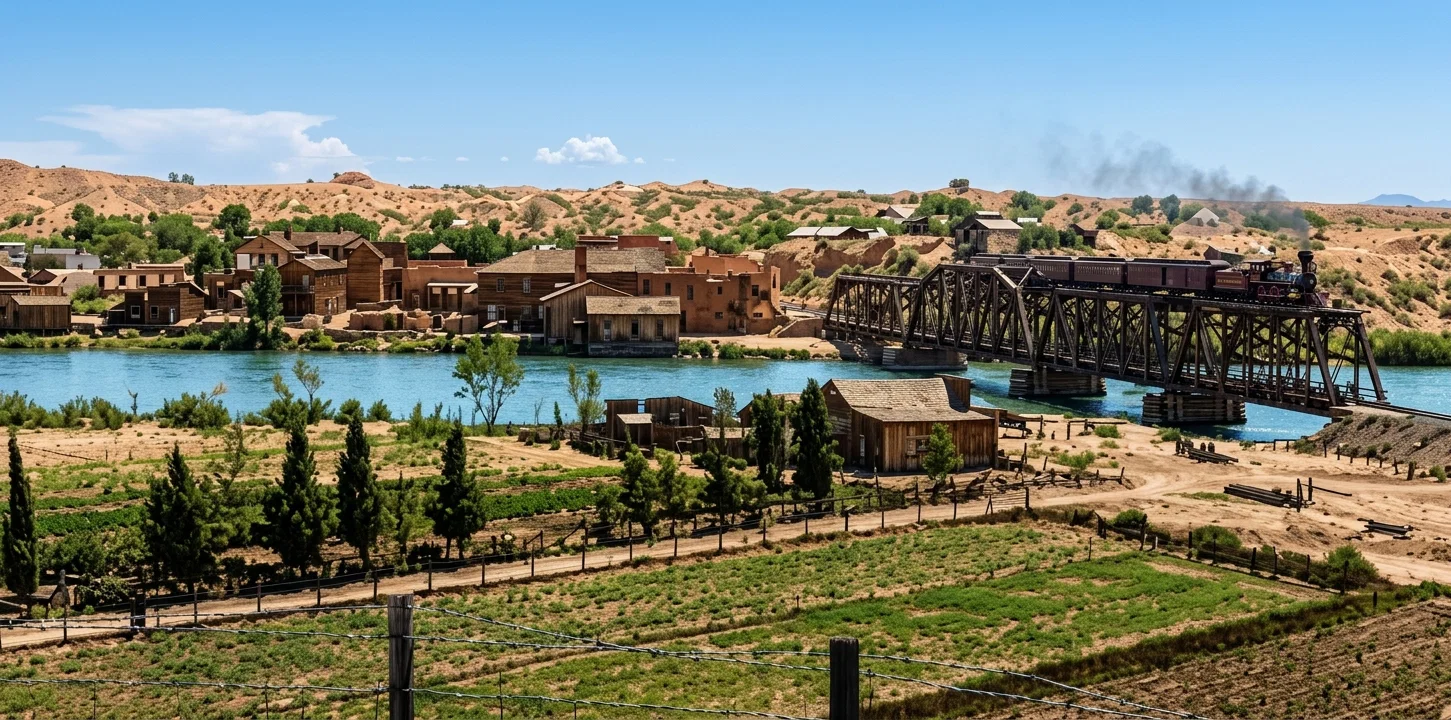
Sunset Route. High Bridge, 321 feet high, 2,180 feet long
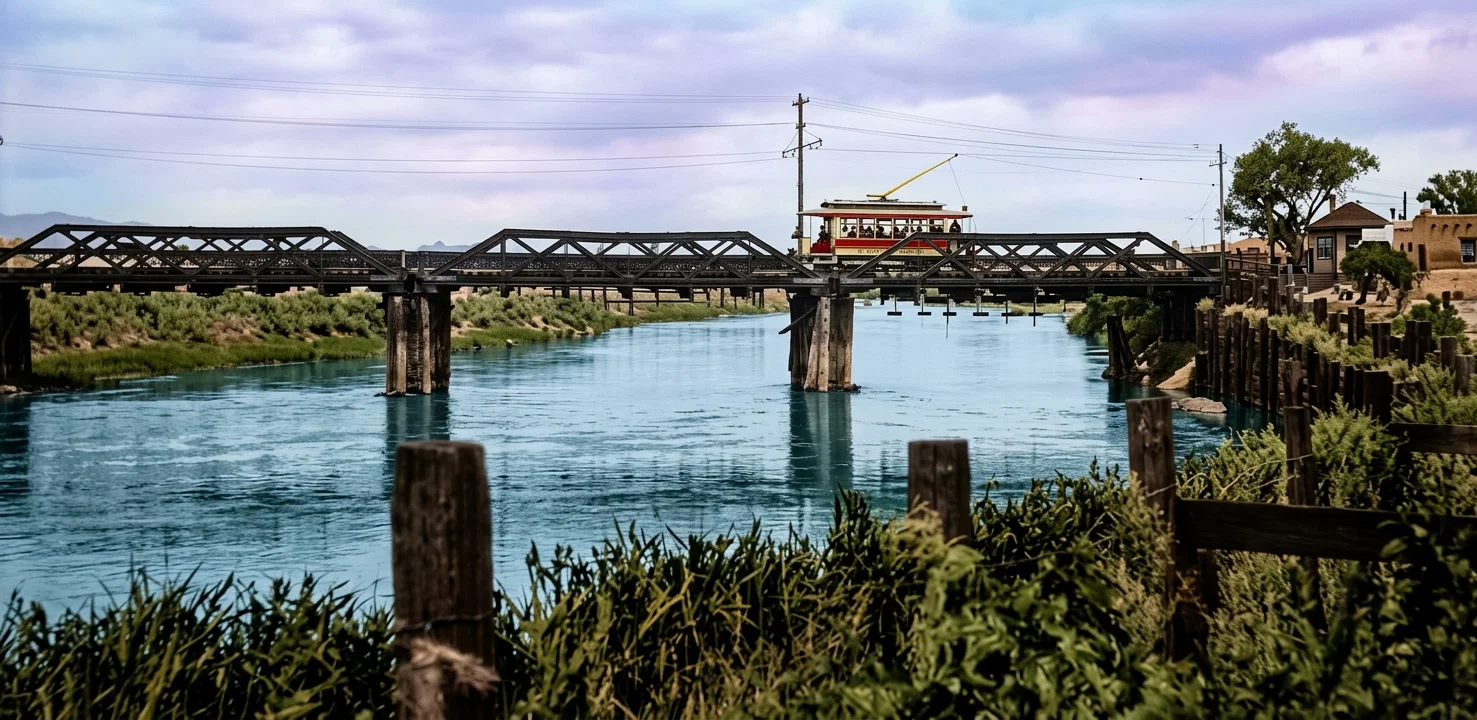
Yuma, Arizona, and Southern Pacific R. R. Bridge over the Colorado River
International Bridge between El Paso, Texas, and Ciudad Juarez, Mexico
Well, we started in good courage by the Sunset Route. The Southern Pacific Railway officials gave us a first-class tourist car, a transformed standard, with one of the best of porters, and assured us that we, leaving on the afternoon of Thursday, May 6, would reach Washington, D. C., by noon of Wednesday, May 12.
Later on, after arrangements were made, unexpectedly to all concerned, changes were made in running time of connecting trains between New Orleans and Washington that would bring our car into Washington the night of May 12. This we felt would not do, and so also concluded the railway men. They still agreed to get us through on original time if they had to route us another way. Our thanks are especially due to the following gentlemen for their energetic and effective efforts in this behalf, and in making our trip as pleasant as possible: Mr. Chas. S. Fee, Passenger Traffic Manager; Mr. Phil. K. Gordon, Asst. P. T. M.; Mr. Chisholm and Mr. Chas. W. Jennings, of San Francisco; Mr. Gill, of San Jose; Mr. Grove Ketchim, of Los Angeles; Mr. W. E. Barnes, of El Paso; Mr. Maguire, of New Orleans; Mr. Camden, of Greenville, N. C.; Mr. W. S. Marks, of Washington. These last-named gentlemen met us along the way as per instruction by wire from San Francisco and did all in their power to make it pleasant for our company. To make up the failure of connection at New Orleans, a special engine took our car alone over the 153 miles from Greenville, S. C., to Salisbury, N. C., with right of way over all trains, to catch a fast mail at the latter place. And we caught it, too. The mail train was held for us twenty minutes, but it soon made up time. Not an accident marred our whole trip, either general or local, from San Francisco to Washington. The weather, too, was delightful all the way. The dread of dusty New Mexico, Arizona, and northwestern Texas was greatly minimized by cool weather and clean, well-equipped trains.
Our trip was magnificent throughout. California is always interesting, whether skirting the ocean, past orange and lemon groves, through prosperous towns, or dipping into the Salton Valley, 200 feet below sea-level. Before the raging Colorado broke loose and poured its waters into the old volcanic depression, the station was 297 feet below sea-level. Now the salt mines and the buildings are covered with an inland sea, along which we rode for miles. The water is slowly evaporating, but it will be a long time before the body of water shrinks to its former proportion.
For hundreds of miles our route lay over barren plains, across grazing lands, over canyons, skirting the Rio Grande, with picturesque Old Mexico in plain view on our right. We crossed the Pecos River on what seemed the scantiest skeleton of a spider-legged bridge in the world, 321 feet high and over 2,000 feet long. But it is strong and sufficient, a fine piece of engineering and bridge construction.

In Texas—Olden Days

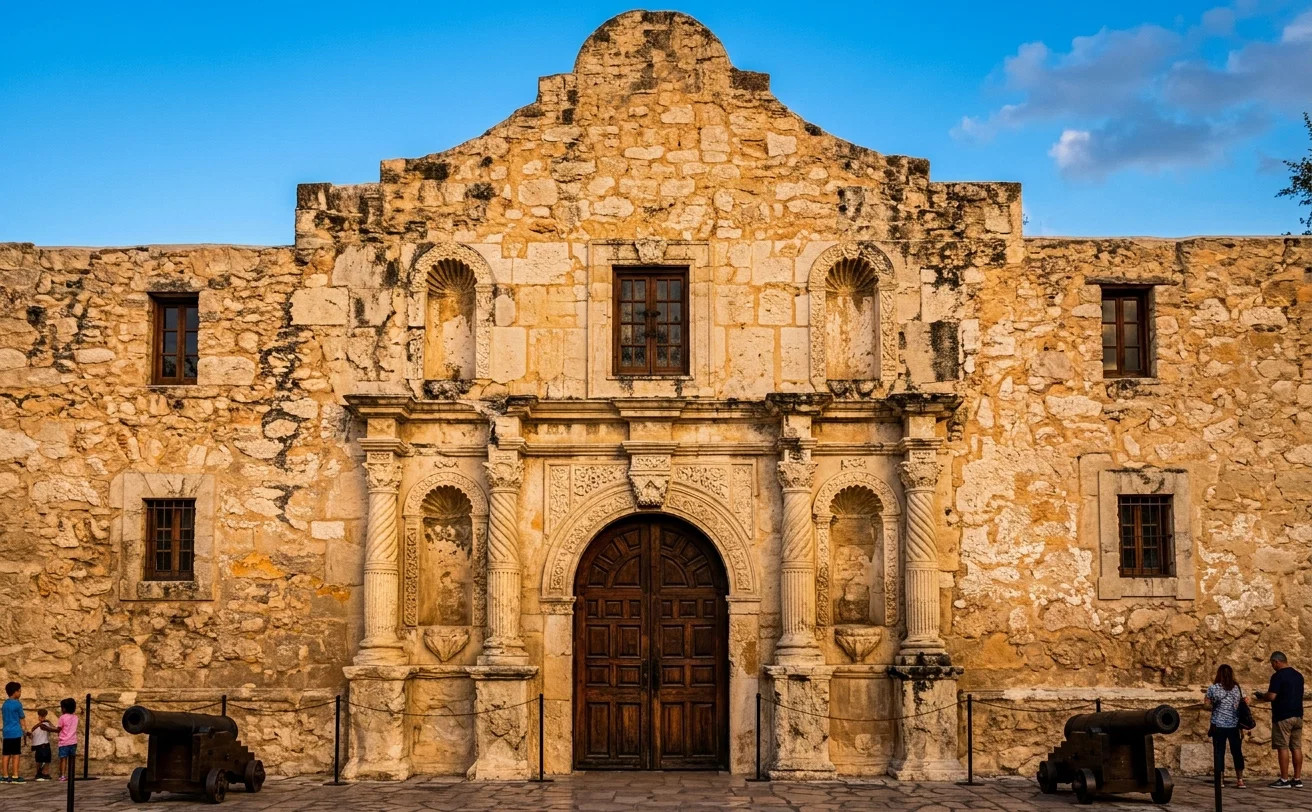
After crossing the Pecos River the green of cultivated fields increased, villages oftener appeared, the region of the cowboy was passed, and we rolled into the famed old city of San Antonio, founded by the Spaniards in 1689, and afterward the center of the fierce struggle of liberty between the American settlers and Santa Ana for freedom. Two old missions still exist near the town, but the place of chief interest is the historic Alamo, where the Americans under Colonels Travis, Crockett, Milan, and Bowie made their heroic stand for freedom against overwhelming odds in the hands of Santa Ana.
With the battle-cry of “God and Texas; Victory or Death,” the little band died to a man. For twelve days they held the old building until ammunition failed, and relief failed to reach them. Santa Ana’s cruelty was inconceivable. Then began his chase of General Sam Houston, Houston gathering strength in his retreat. Santa Ana met his decisive defeat at San Jacinto, where his army was practically destroyed by Houston’s brave band of Texans of less than half the number, with their battle-cry, “Remember the Alamo.” Then came the Republicof Texas, with Houston as its first president.
(Continued from page 9.)
The grandfather of one of our company—Elder E. E. Andross—was among those who followed Travis to death. We rightly honor those who fought for civil, human freedom. But other warfare is upon us, other battles lie before, other victories call us from sloth or lethargy. In the words of that true American poet, John G. Whittier:
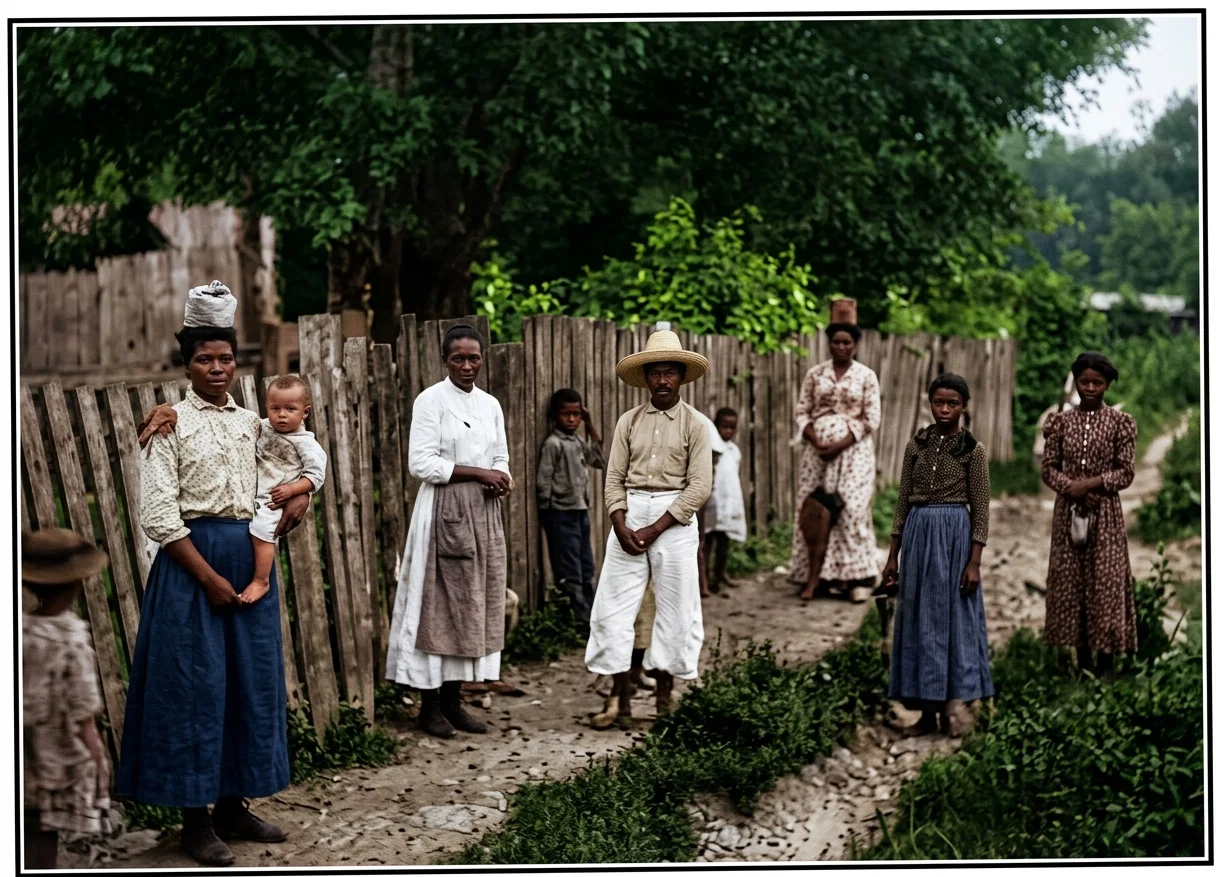
Blackberry Pickers, Alabama.
“Our fathers to their graves have gone; Their strife is past,—their victory won; But sterner trials await the race Which rises in their honored place,— A moral warfare with the crime And folly of an evil time.”
The Alamo. Built 1718. San Antonio, Texas
“So let it be. In God’s own might We gird us for the coming fight, And, strong in Him whose cause is ours, In conflict with unholy powers, We grasp the weapons He has given,— The Light, the Truth, the Law of heaven.”
Texas is a great state, and the Southern Pacific runs through 950 miles of it in its direct main line, besides its many branches. Texas is larger than many of the empiresof earth, and is capable of boundless development.
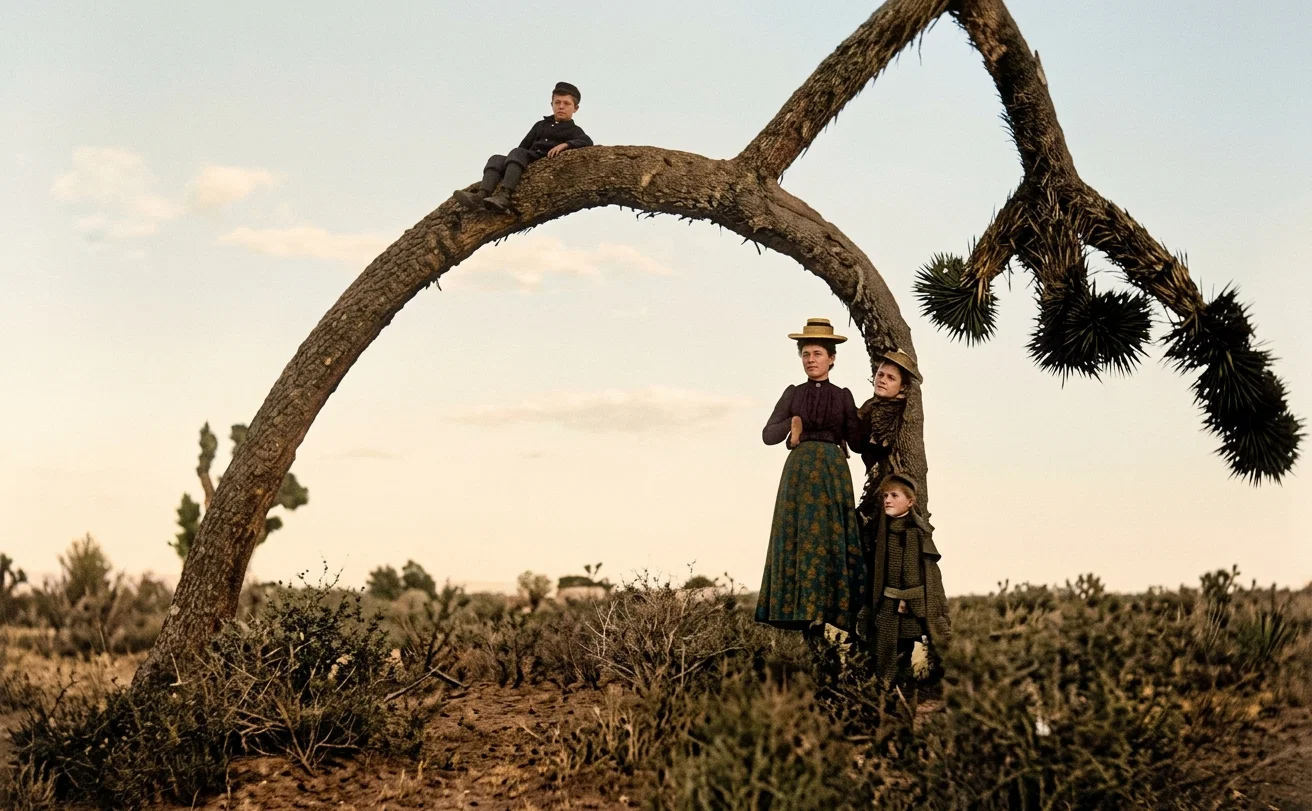
Yucca Palm, California

The South and Progress

The South throughout is beautiful by opening summer. It is prospering. It raises its cotton; it has a right to its cotton mills. Since the writer passed over the same route about ten years ago, he could see great advancement materially. We were told by Mr. Camden that between Greenville, S. C., and Salisbury, N. C., 153 miles, there are 112 cotton mills, surrounded with neat, roomy cottages for employees. This is characteristic of other sections. Several states have taken great strides in temperance. We hope that the work will be deep and thoro.
We reached Washington one hour and twenty minutes ahead of schedule time, well and of good courage.
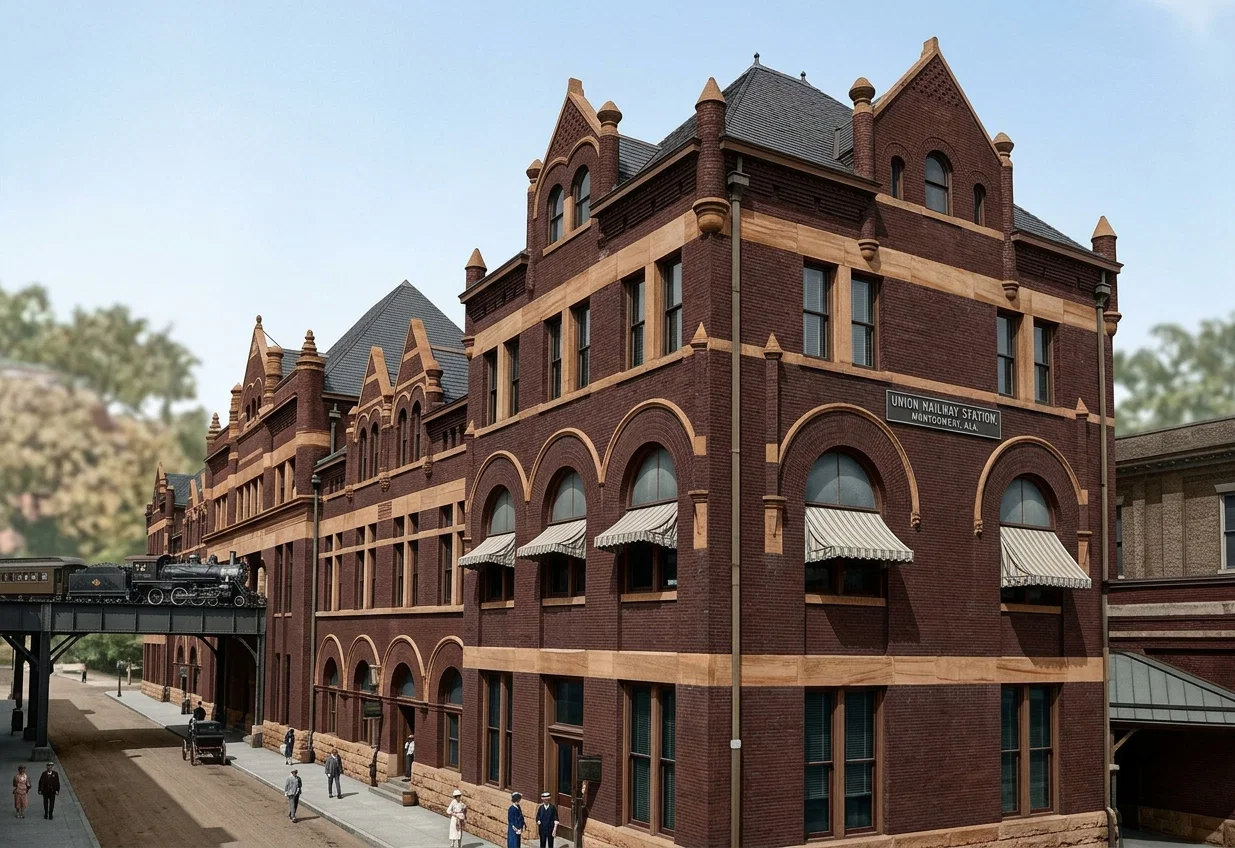
Union Railway Station, Montgomery, Ala.
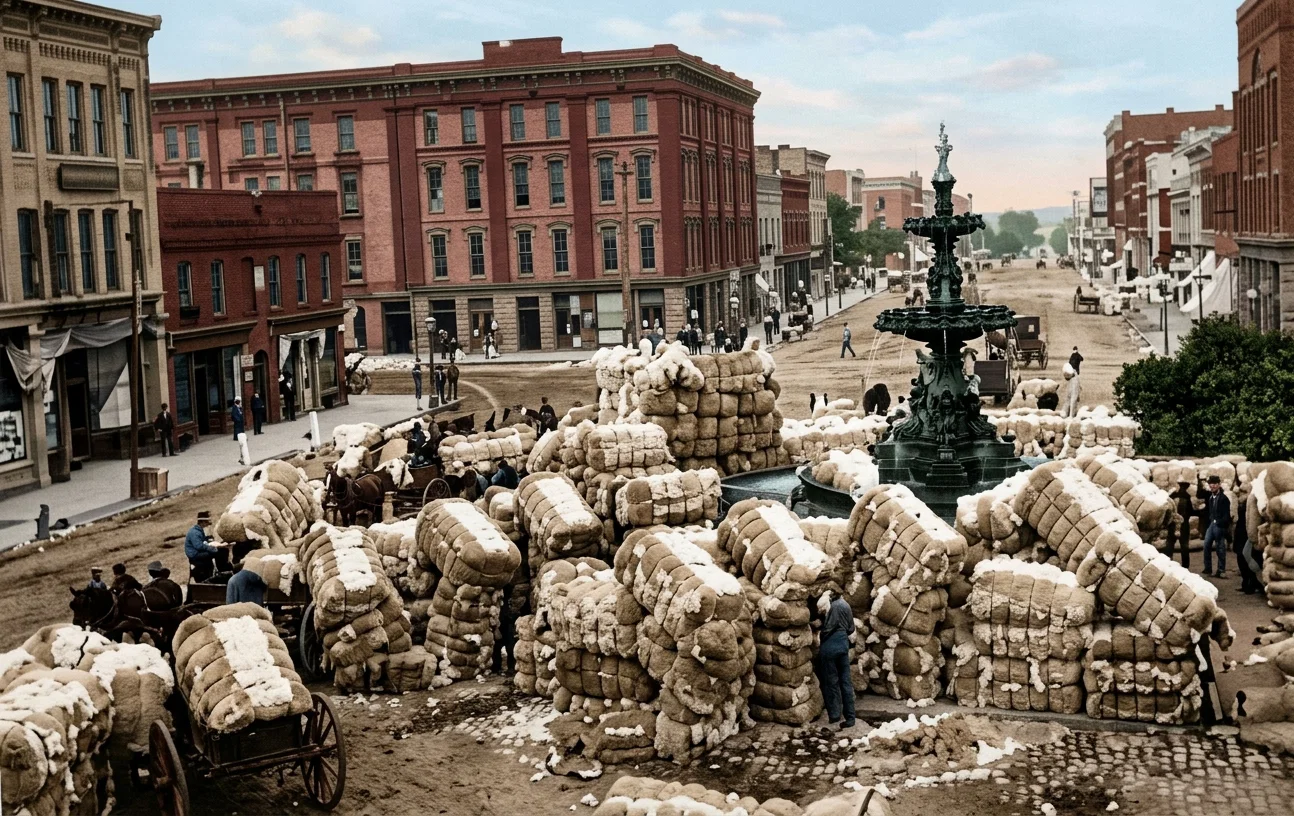
Cotton season, Montgomery, Ala.
On the Sabbath we held praise service and Sabbath-school, at which a donation of $8.56 was taken for the Chinese Press Fund. It developed that we had a goodly number of singers on board, out of which we secured a good male quartet. A praise service to our overruling God was held as we neared our journey’s end. We felt that to Him, and under His providence to railway officials, our trip was made expeditious, pleasant, and profitable.
On reaching here, we found an immense gathering already on the grounds. Trainloads, literally, were coming in from north, south, and west. One delegation from the Middle West filled three cars. Others came in groups. There is a feeling of courage, and the hopes of a blessed meeting. W.