The Bible in Greece

5%

Pacific Press Publishing Association · Mountain View, California · May 12, 1909

FromSigns of the Times, Vol. 36, No. 19.

Read the full edition

The Bible in Greece

  • (From Our Own Correspondent)*
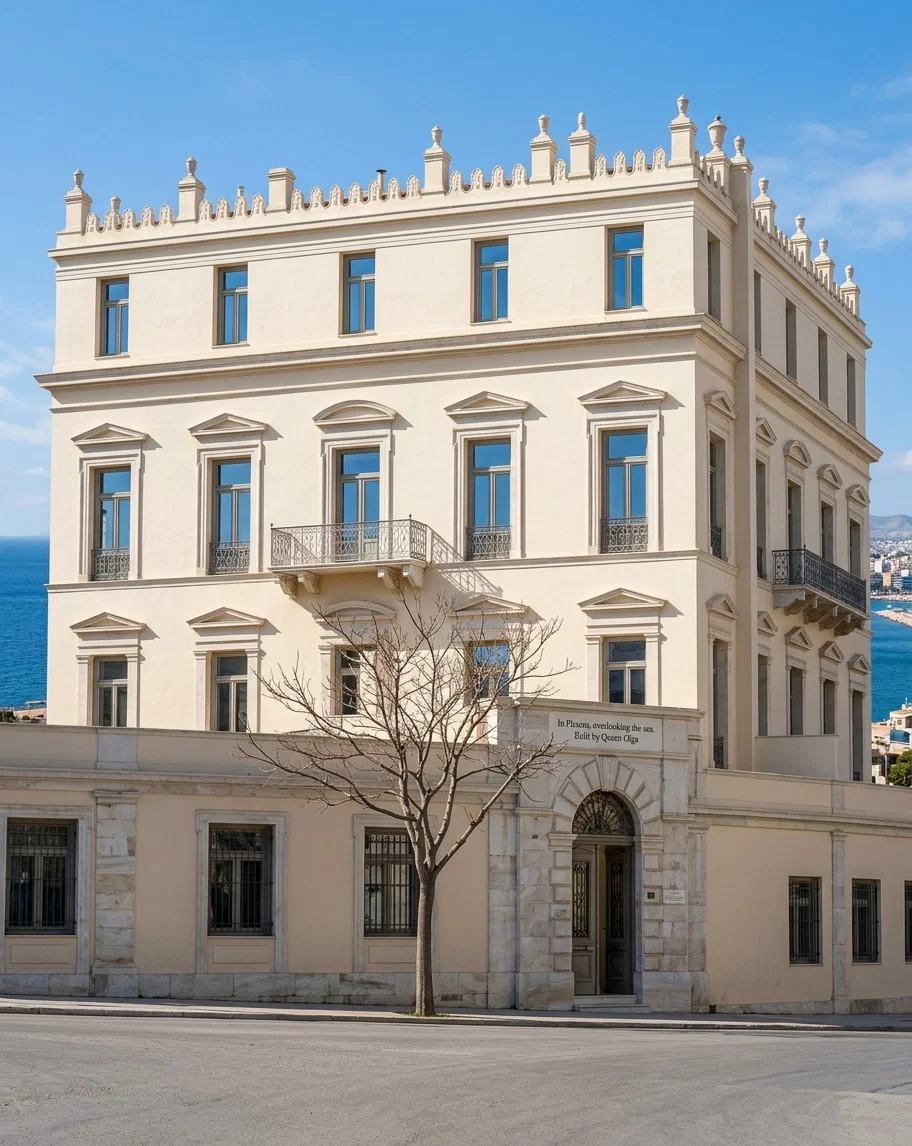
RUSSIAN HOSPITAL.
RUSSIAN HOSPITAL.
MR. TRICOUPES.
MR. TRICOUPES.
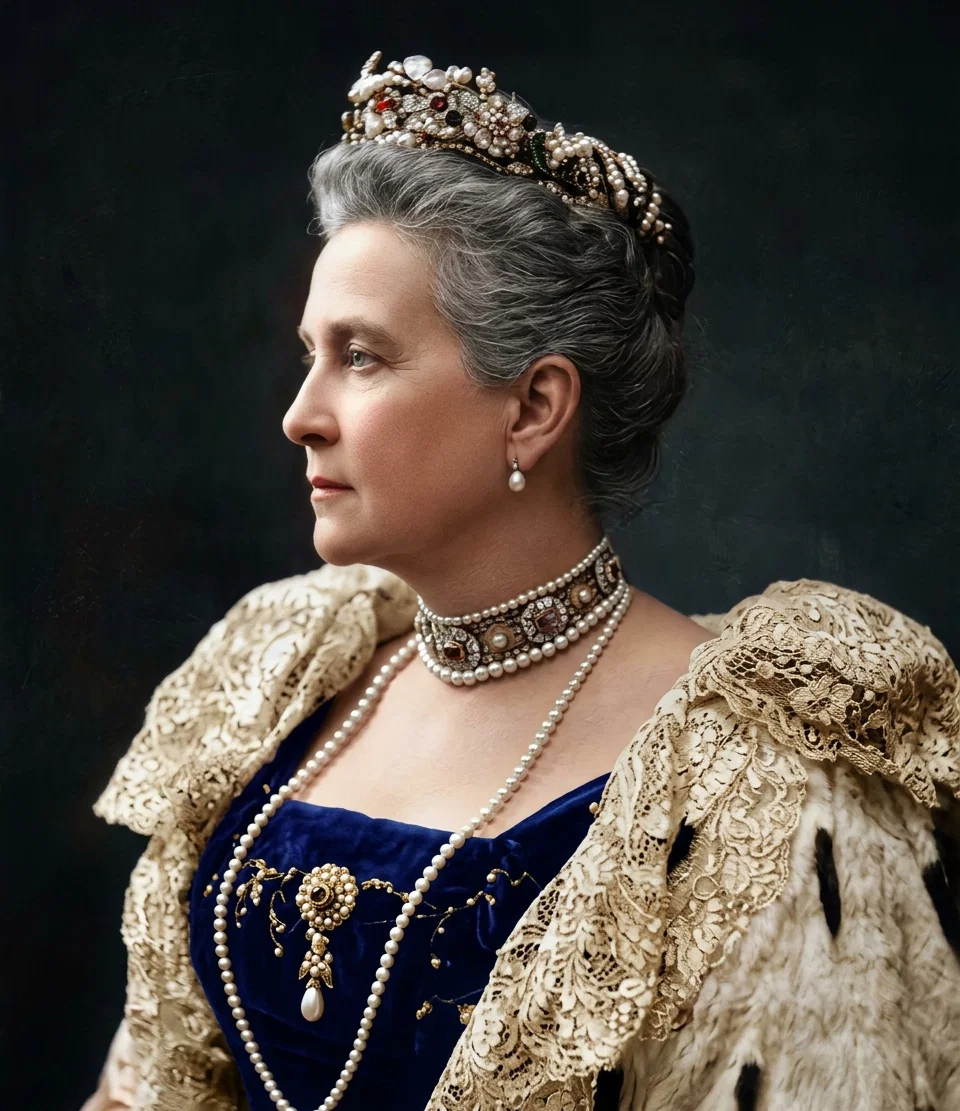
Queen Olga
Queen Olga
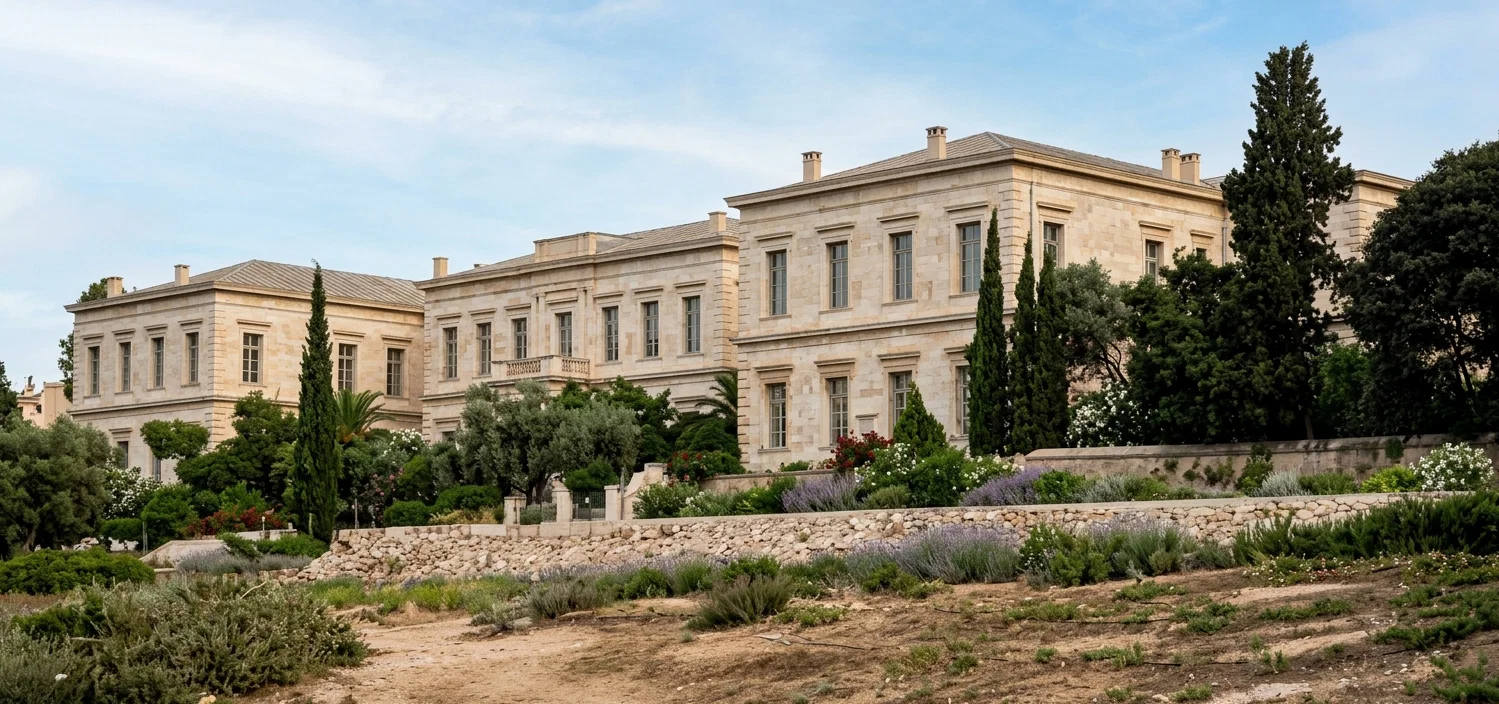
HOSPITAL ANNUNCIATION.

II. A Royal Incident

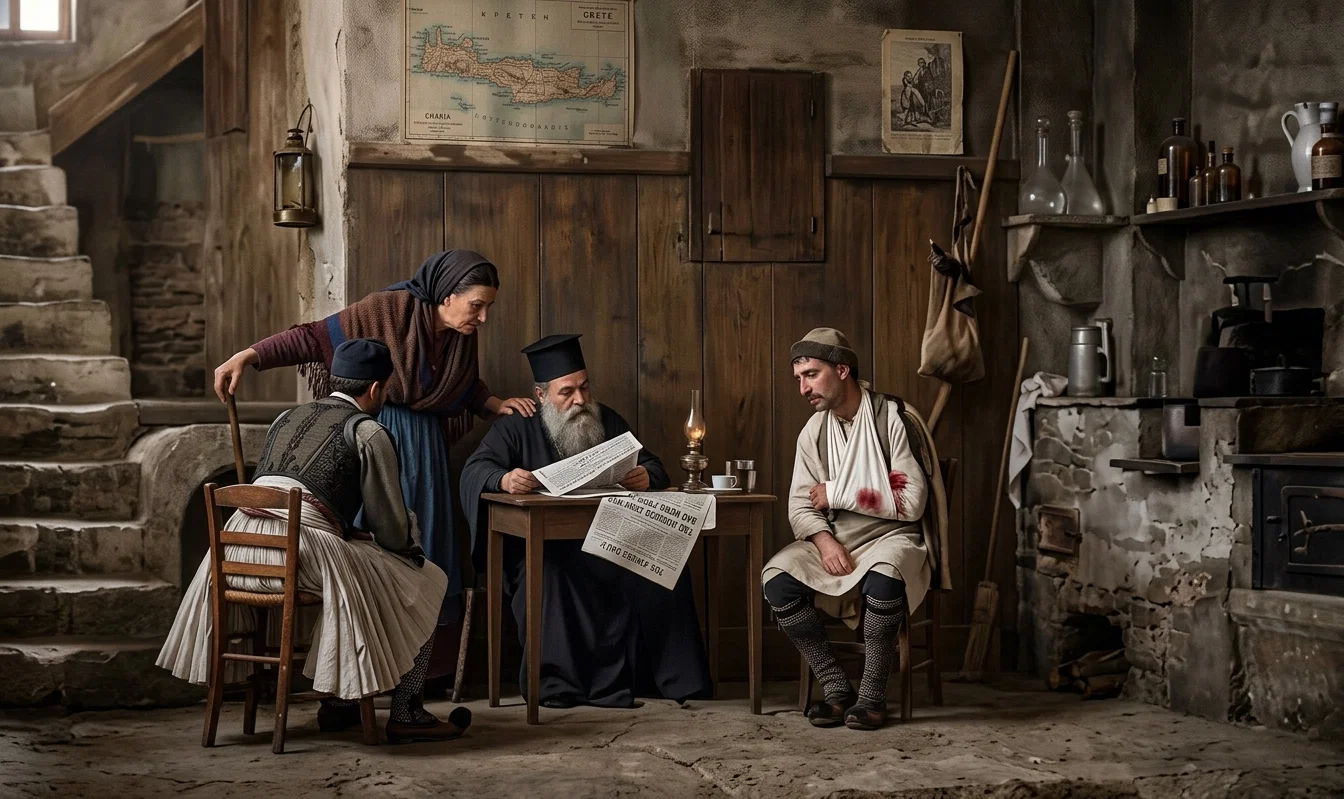
GREECE and Turkey went to war in 1897 over the question of annexing Crete to Greece. Crete was the principal battle-ground, and the war was of short duration. During its progress and at its close the more seriously wounded Greek soldiers were brought to the hospitals in Athens to be cared for. Here during their convalescence they were visited by

Queen Olga

A few words of a general nature regarding the Queen of Greece would be in place here, inasmuch as she was responsible for one measure bearing a close relation to the question of circulating a modern Greek version of the Bible in Greece.
Queen Olga is a Russian by birth, being a daughter of the present Czar's uncle, and is a Greek Catholic in religion. She was married to King George, a Protestant, with the understanding between them and the Greek people that their children should all be Greek Catholics. The reader will readily understand that it is not a difficult matter, in a religion that practises infant baptism and that is in close union with the state, for parents to choose their children's religion for them even before the birth of the latter. A recent example is that of Prince George of Greece, the queen's second son, and of course a Greek Catholic, who a little more than a year ago married Princess Marie Bonaparte of France, a Roman Catholic, with the understanding that their children should be Greek Catholics. Their little son born in Paris the other day is accordingly destined to become an adherent of the orthodox faith. In the Greek church infants are baptized at the age of three to six months. True to the arrangement at the time of her marriage, the queen's five sons and two daughters have all been baptized into the Orthodox Church of the East, as the Greek Catholics themselves designate their church.
The queen is universally reputed to be of a very religious turn of mind. This is plainly in evidence in the royal summer palace, which it was the writer's privilege to visit a short time ago. In their sleeping apartment there hangs on the wall just above the head of the bed, a bronze image of Christ on the cross. In a glass case standing in the corner near the queen's pillow is a costly representation of the Virgin Mary and the Child Jesus. A little further on hangs a painting of the Saviour on the cross. In the entire chamber, all the pictures, large and small, and there are not a few, represent with scarcely an exception, some scene in the Bible or the history of the church. The queen has built at least one church and one hospital in Greece, and is patron of several other hospitals and philanthropic institutions. The Prime Minister of Greece once bore this testimony concerning her: "She spends her time at the pillow of the sick, and devotes her life to the aiding of the unfortunate."

A Beneficent Move

Now it occurred to the queen, while visiting the wounded soldiers from the Cretan war, that it would be a desirable thing to supply the convalescents with copies of the New Testament to read while they had so much time at their command. She accordingly distributed testaments among them at her own expense. She soon learned, however, that the soldiers found difficulty in understanding what they read, as the testaments were all printed in the original Greek. It was then that she conceived the commendable idea of making a translation of the New Testament into modern Greek, that the soldiers might read and understand.

Attitude of the Holy Synod

Wishing to be loyal to her church, and to issue her translation with the approval of the highest ecclesiastical authority, she summoned the Metropolitan of Athens to inquire whether the step she was about to take would receive his indorsement or not. He replied that personally he approved the plan, but as president of the Holy Synod he could not indorse any translation or modification of the original Greek text. Subsequently the synod took formal action on the matter, addressing a letter to the queen to the effect that the synod could not place its approval on the translation, but adding that it would not constitute a sin if she chose to make it.
In the light of this decision, the queen decided to issue a translation privately. She accordingly engaged a niece of one of the university professors to do the work of translating under the supervision of her uncle. The product is said to have been a good one, and copies were distributed gratuitously under the direction of the queen. This good work was interrupted, however, by eventsthat followed a year or two later, which we have yet to narrate.

Attitude of the Government

The government and the Holy Synod are supposed to stand together on all matters ecclesiastical as well as political. The metropolitans and bishops are no mean politicians, and the government dignitaries can all but pass muster as officiators in this mongrel church-and-state religion. That the government found itself in a somewhat embarrassing position at this juncture, with one of its sovereigns leading out in a movement that has been characterized again and again, both officially and unofficially, as destructive to both the church and the state, is evident from the following record of previous official action (1882), which will explain itself:
BAD NEWS FROM THE WAR. Scene in time of Cretan War (1897). Note the wounded soldier.

“Concerning the Return of Donated Copies of the New Testament.

“Lady Robertson, English, through the Athens agency of the [British and Foreign] Bible Society, donated to the first regiment of infantry 150 copies of the New Testament, translated in 1880 from the Greek edition of 1855, to be distributed to the soldiers of the same. Since, however, the reading of this publication is prohibited, and since the Holy Synod of the church of Greece does not permit the distribution and consequently the delivery of the same, we hereby order the said regiment, as also every other military body to which there may by chance come a like gift, to return to the donor all the said copies through the same channel by which they came, expressing appropriate thanks to her for the benefaction. “Signed: Department of War, “By Tricoupes, See'y.”