Ecuador

5%

Pacific Press Publishing Association · Mountain View, California · Mar 3, 1909

FromSigns of the Times, Vol. 36, No. 9.

Read the full edition
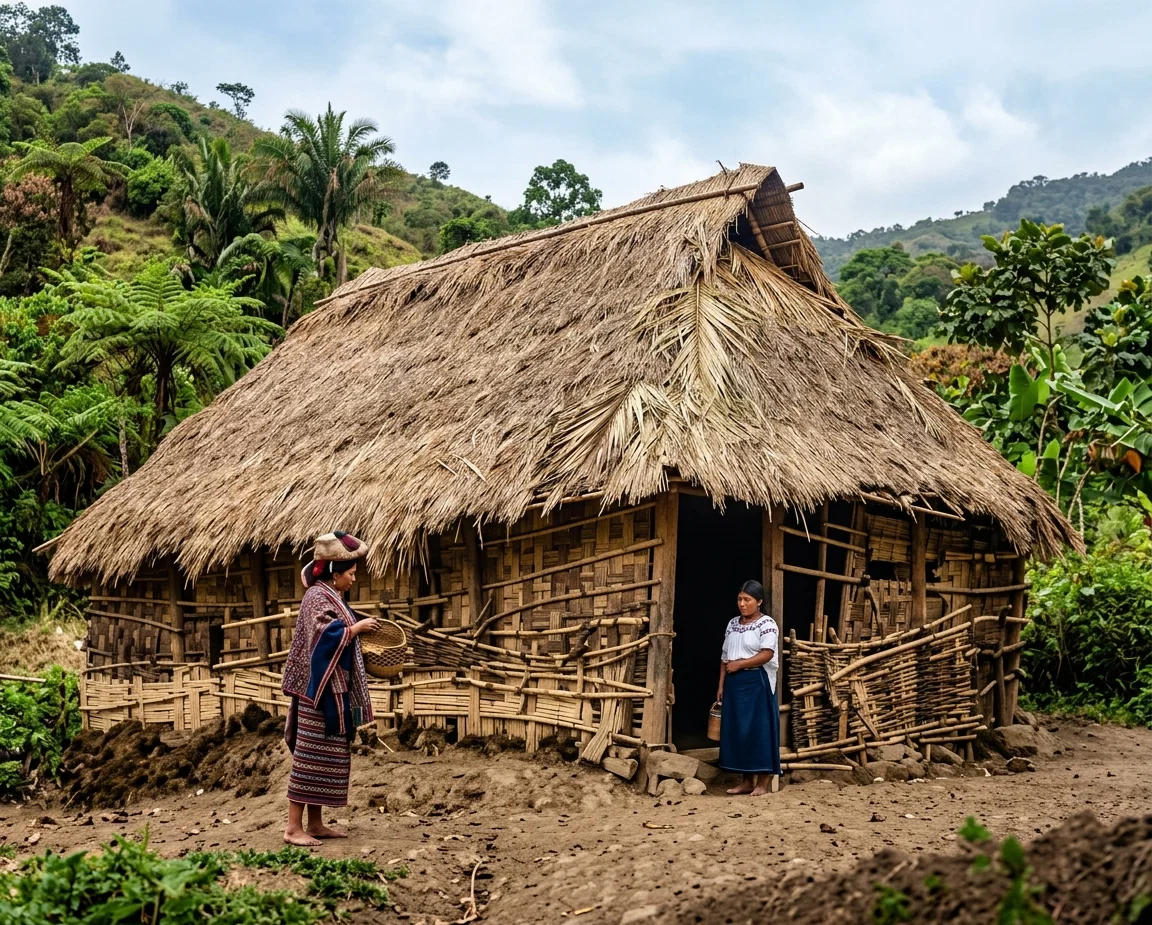
Typical House of Ecuador Indians.

Ecuador.

During the last session of the South American Union Conference, held in Argentine in the month of March, 1908, we were asked to go to Ecuador to take charge of the work there. Altho we have passed through serious trials in the work in Chile, yet we were loath to leave, as we liked the country and enjoyed working for this people. But considering the needs of the fields, we finally decided to make the change.
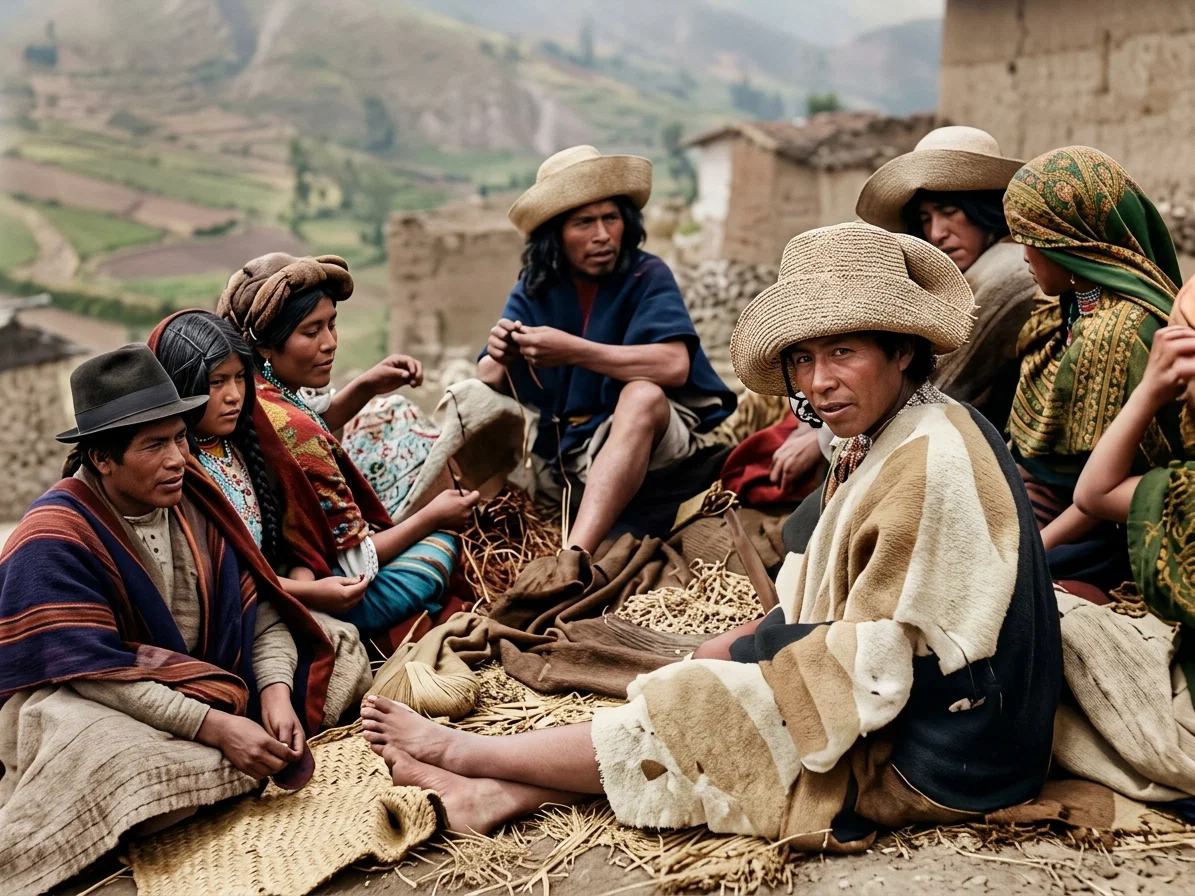
Costumes of Native Indians of Ecuador.
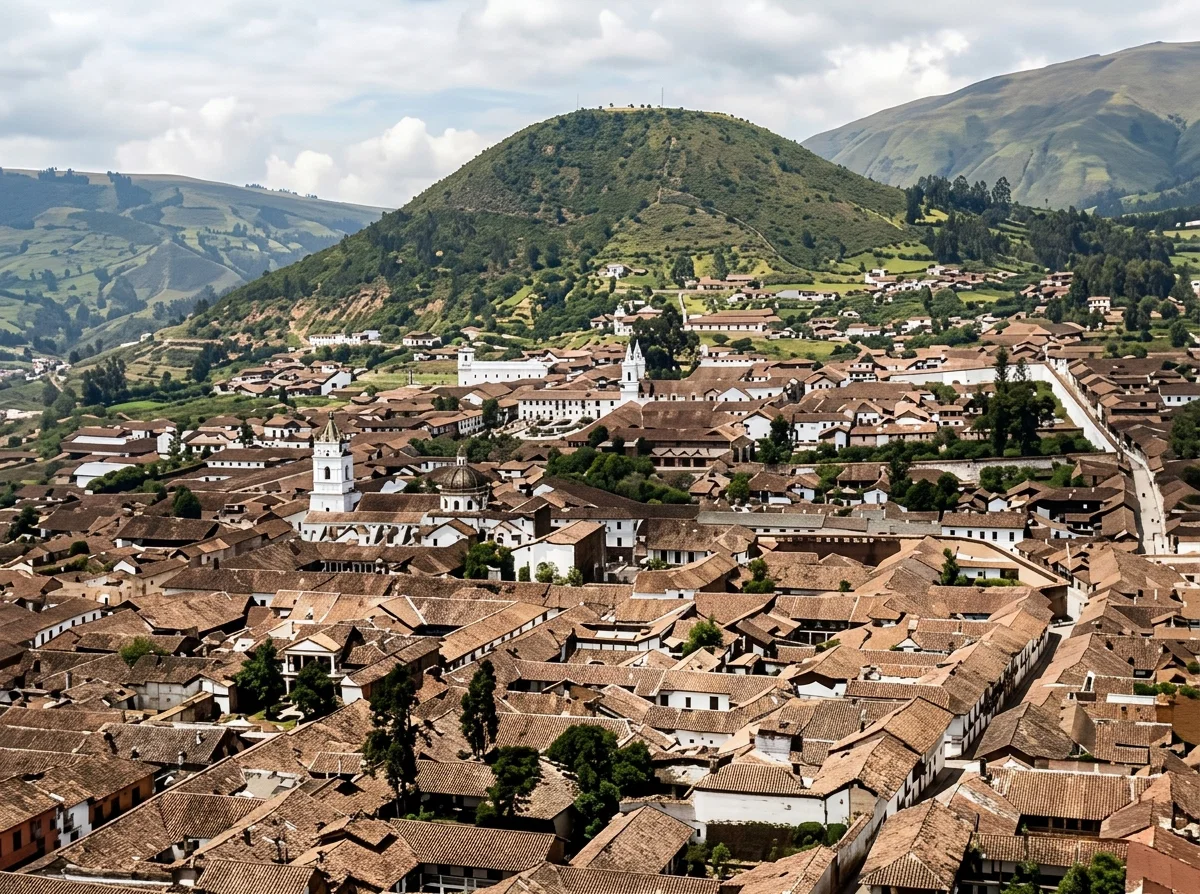
Panorama of Quito, Ecuador.
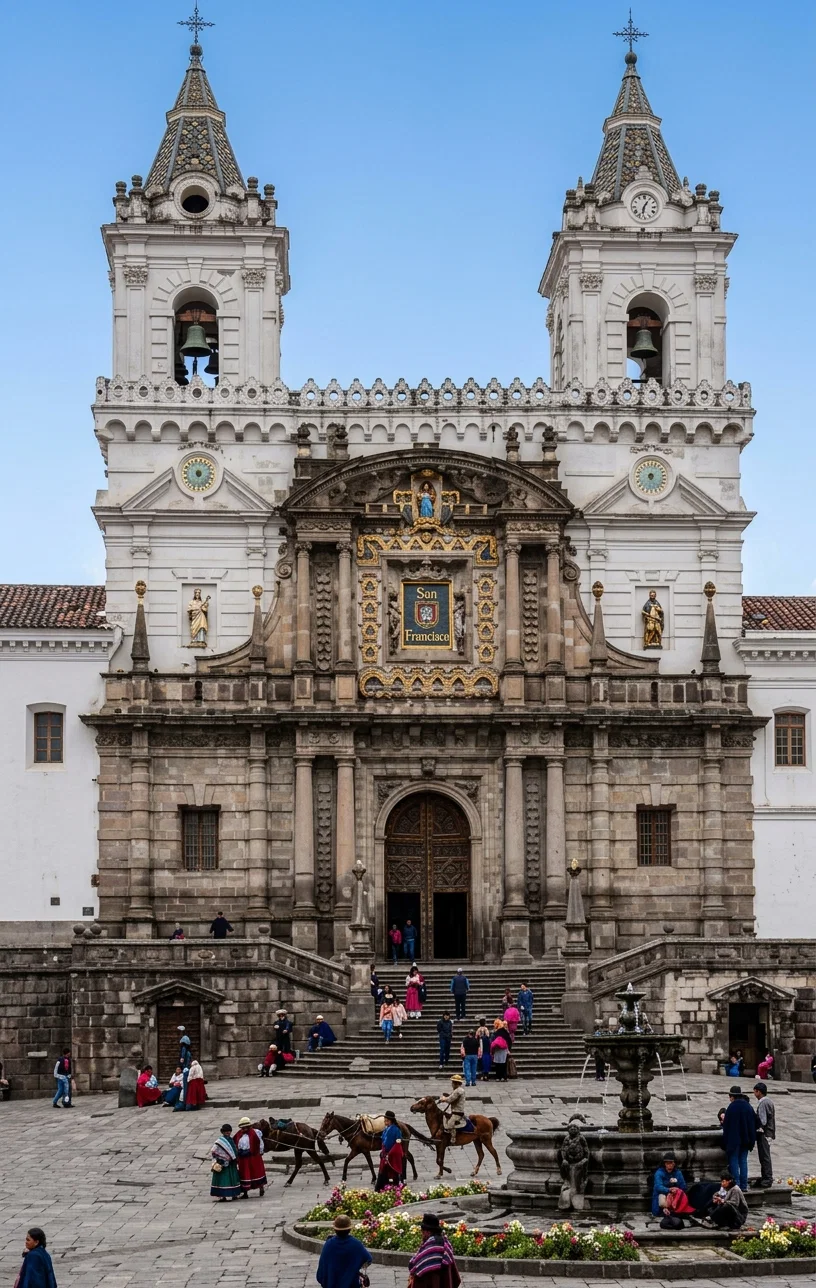
Cathedral of San Francisco, Quito, Ecuador.
We sailed from Valparaiso, May 30, and were joined at Iquique by Brother Octavio Navarrete and wife. This is the same brother of whom I wrote after the earthquake as having such marvelous success selling our paper, Las Señales de los Tiempos. Since that time he has continued in the canvassing work, selling thousands of books, papers, Bibles, and tracts.
We arrived in Callao, Peru, June 10, where we were met by Brother Perry, who has charge of the work in that field. We remained there one month.
During our stay, in company with Brethren Perry and Espinoza, we visited the interior, looking for a site to establish a mission school among the Indians. There are about 5,000,000 of these poor people in Bolivia, Peru, and Ecuador, who are nothing more than slaves to the land owners and the priests. They are the remnant of the ancient Incas, who at the time of the conquest numbered more than 40,000,000. The Incas had the best government that has ever existed in this world, except, perhaps, that of ancient Israel. The one object of the government was to better the condition of its subjects. It is true they worshiped the sun, which to them embodied life and all they possessed. But one sad day the Spaniard came seeking riches and bringing one of the greatest tyrannies that the world has ever known, church-and-state religion. The treasure-hunters took all the riches of the nation and destroyed the inhabitants by overwork in the mines. The priests took away their images of the sun and gave in their stead images of the saints and the cross; by force the poor Indians had to worship them without understanding why. Thousands who refused were put to death. Finally that proud nation, the Incas, which enjoyed a higher state of civilization than her conquerors, perished, and there remains to-day only a remnant, given to every class of debauchery.
How to give the Gospel to this poor people is one of the greatest problems with which we have to deal. Probably the best way would be by mission schools like those established for the negroes of Africa. Here a number of bright young Indians could be gathered together and taught the fundamental principles of the truth, and these in turn could carry it to their people.
We can not work among the Indians with literature because there are very few who can read. The Catholic Church still keeps them in ignorance.
July 12, we reached Guayaquil, and three days later came to Ambato, where Brother Davis has lived for about two years. The last year he has been able to do but little, having the sole care of his little children. He expects to leave soon for Chile to take charge of the canvassing work on the west coast.
As soon as possible after our arrival the three of us went to Quito, the capital, to become acquainted with the city and to do some missionary work. Brother Davis took orders for “Patriarchs and Prophets,” and Brother Navarrete and myself worked with Las Señales de los Tiempos. During the three days we worked, we took sixty yearly subscriptions, besides selling many collections and single copies. Brother Davis took more than thirty orders for “Patriarchs,” but in the Catholic strongholds many refuse to receive them on delivery because they are Protestant books and the priest has condemned them.
On our return to Ambato, we decided tohold some meetings, if possible. We hunted the town over for a room, but when the people found we wanted it for meetings, all refused to rent to us.
Through the mayor and his secretary, who are liberal, we secured the theater free for two weeks. Thus far we have held four meetings. The first night there were about 200 present. The second night, about 100. Just before the close of the meeting, a mob stoned the theater. In shutting the door, two of the brethren were struck by flying stones but were not injured. When we dismissed the meeting, the mob dispersed, but on our way home many stones were thrown at us, but thanks to the protecting care of God we escaped unharmed. Since then we have had the protection of the police.
This is one of the most difficult parts of Ecuador. If we distribute tracts or papers, the greater part of the people tear them up or burn them without reading. The priest tells them it is a mortal sin to read one. He also has threatened to excommunicate all who attend the meetings. Those who attend are chiefly young men. Last night Brother Navarrete distributed some tracts after the meeting, and the people made a bonfire of them in the street.
Yesterday, while I was distributing invitations to the meetings, one good old Catholic woman picked up a last and invited me to step into her house that she might brain me with it. She said, “We are Christians, and want nothing to do with your doctrine.”
“Pardon me,” I said, “but I doubt it very much, as true Christians do not act as you are acting.”
As a rule, the women are more fanatical than the men, being virtually slaves of the priests. If the people were not afraid of the law, which is very liberal, we would quickly be put out of existence.
We expect to continue the meetings a few nights longer, then go to the coast to work, as now is the most favorable time of the year to work there.
WILLIAM STERLE.
Apartado 3, Ambato, Ecuador.