DEVOURING INSECTS

7%

Pacific Press Publishing Company · Oakland, California · Jul 13, 1904

FromSigns of the Times, Vol. 30, No. 28.

Read the full edition

DEVOURING INSECTS.

One of the last-day evils is an increasing, and sometimes an absolutely overwhelming, number of what are frequently termed “pests,”—destructive worms, bugs, beetles, moths, locusts, etc.
Oftentimes these pests seem to be an entirely new species, but it is sooner or later discovered to be a native inhabitant of some country or section which has not been in touch with modern cultivation of the soil.
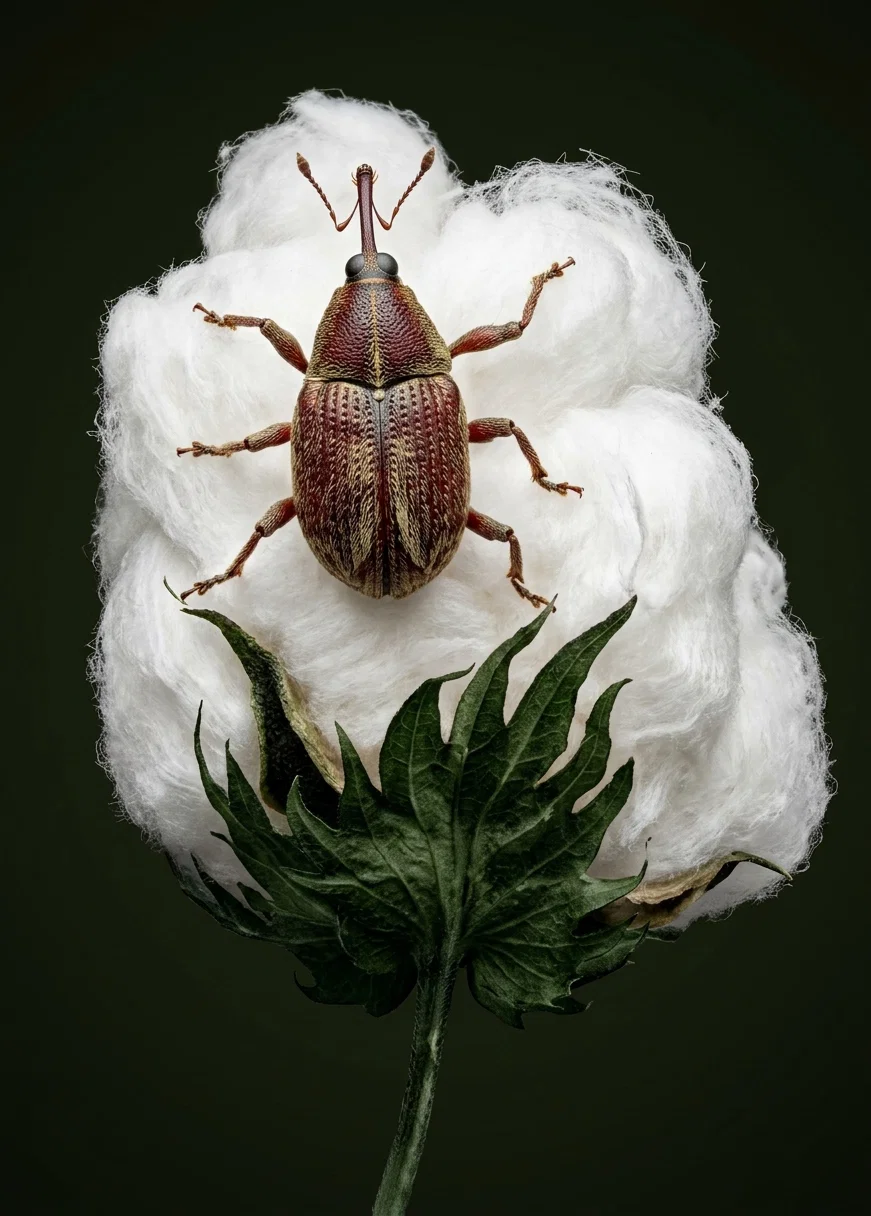
Cotton-Boll Weevil.
Cotton-Boll Weevil.
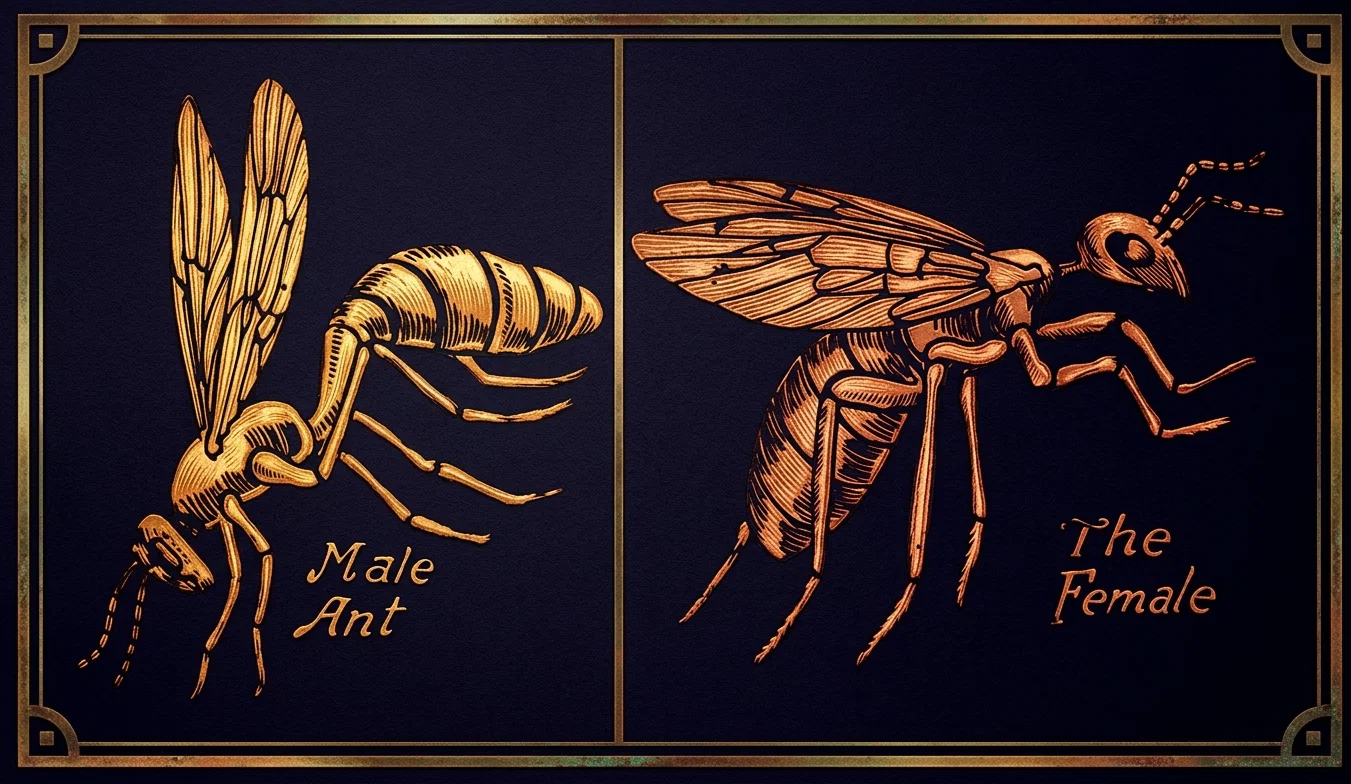
With the hedgehogs, woodchucks, coons, crows, and squirrels, the early agriculturist had a hard fight. But worse than all these, not excepting California’s and New Zealand’s plagues of rabbits, are the multitudinous insects. Untold millions of damage has been wrought by the locust, the grasshopper, the codlin moth, the phylloxera, the Gypsy moth, the wheat weevil, the rust, the Texas fly upon cattle, and other pests. Among the latest is the cotton-boll weevil, which threatens the entire cotton crop of America. The loss to Texas alone in 1902 from the ravages of this insect amounts to $15,000,000; in 1903 it is estimated at $25,000,000; and the total loss to date in the Lone Star State is placed at $125,000,000. A red ant has just been discovered in Panama which may sometime prove a check to this beetle. About the only hope now seems to be to plant early a cotton plant which develops quickly; and by thorough cultivation a two-thirds crop may be secured. Mr. M. J. Munn, assistant Topographer of the United States Geological Survey, who writes in the Independent, of February 18, on the “Cotton-boll Weevil Invasion,” presents a discouraging outlook to the careless, “routine” farmer, such as most of the small cotton growers are. For the sake of the cotton growers, it is hoped that the red ant will prove a success.
But these numerous “pests,” which multiply with such astonishing rapidity, and spread over the cultivated fields of civilization with such celerity, are predicted by the prophet of old as among the manifest tokens and plagues of the last days. These destructive insects are set forth in the prophecy of Joel under four different types, as among the evils which shall usher in the great day of the Lord:—
“Hear this, ye old men, and give ear, all ye inhabitants of the land. Hath this been in your days, or even in the days of your fathers? Tell ye your children of it, and let your children tell their children, and their children another generation. That which the palmer-worm hath left hath the locust eaten; and that which the locust hath left hath the canker-worm eaten; and that which the canker-worm hath left hath the caterpillar eaten.
Awake, ye drunkards, and weep; and wail, all ye drinkers of wine, because of the sweet wine; for it is cut off from your mouth. For a nation is come up upon my land, strong, and without number; his teeth are the teeth of a lion, and he hath the jaw-teeth of a lioness. He hath laid my vine waste, and barked my fig tree; he hath made it clean bare, and cast it away; the branches thereof are made white.
The field is laid waste, the land mourneth; for the grain is destroyed, the new wine is dried up, the oil languisheth. Be ye ashamed, O ye husbandmen; howl, O ye vinedressers, for the wheat and for the barley; for the harvest of the field is perished. The vine is withered, and the fig tree languisheth; the pomegranate tree, the palm tree also, and the apple tree, even all the trees of the field are withered; for joy is withered away from the sons of men.” Joel 1:2–7.
The original word from which “palmer-worm” is rendered means “devourer.” The predatory habits of the locust and its capacity to devastate and blight and consume is as well known in some parts of America as in Palestine. “Canker-worm” comes from a Hebrew word meaning “to lick up,” denoting how utterly it devours, licking up the remainder with appetite unsated. The Hebrew word from which “caterpillar” is rendered means “a ravager.” We are aware that some think these all refer to locusts or their larvae, but this is not necessarily the meaning of the terms. The name is expressive of the character rather than the kind, and they well typify the devouring insects of the last days, which, when they come in desolating swarms, in clouds, in numbers so vast as to be incomputable, are worse than any army of invasion. Vine and fig tree, pomegranate and palm and apple trees, wheat and barley, all devoured, till the land that was like the garden of God before them is like a fire-burned heath after they have passed over.
The world has forgotten God; God withdraws His restraining hand that man may know his utter powerlessness before the little insect which he crushes under his feet without knowing it. It is a time when the world, and especially God’s own people, should turn unto Him with all their heart, and with fasting and weeping and mourning, beseeching His mercy.
For all these latter-day pests, bad and troublesome as they are, are of minor importance compared with the numerous sins and iniquities prevalent on every hand, which are devastating churches, devouring character, ravaging the heart fields of Christendom, and which God’s people seem to be loath to put away.
Those who will heed God’s voice, who turn to Him, have the promise, not only of deliverance, but of restoration in all they have lost. To those who thus seek, He gives this cheering assurance: “Be glad then, ye children of Zion, and rejoice in Jehovah your God; for He giveth you the former rain for righteousness, and He causeth to come down for you the rain, the former rain and the latter rain, as at the first.” Joel 2:23, margin. In the midst of calamity, God remembers mercy.