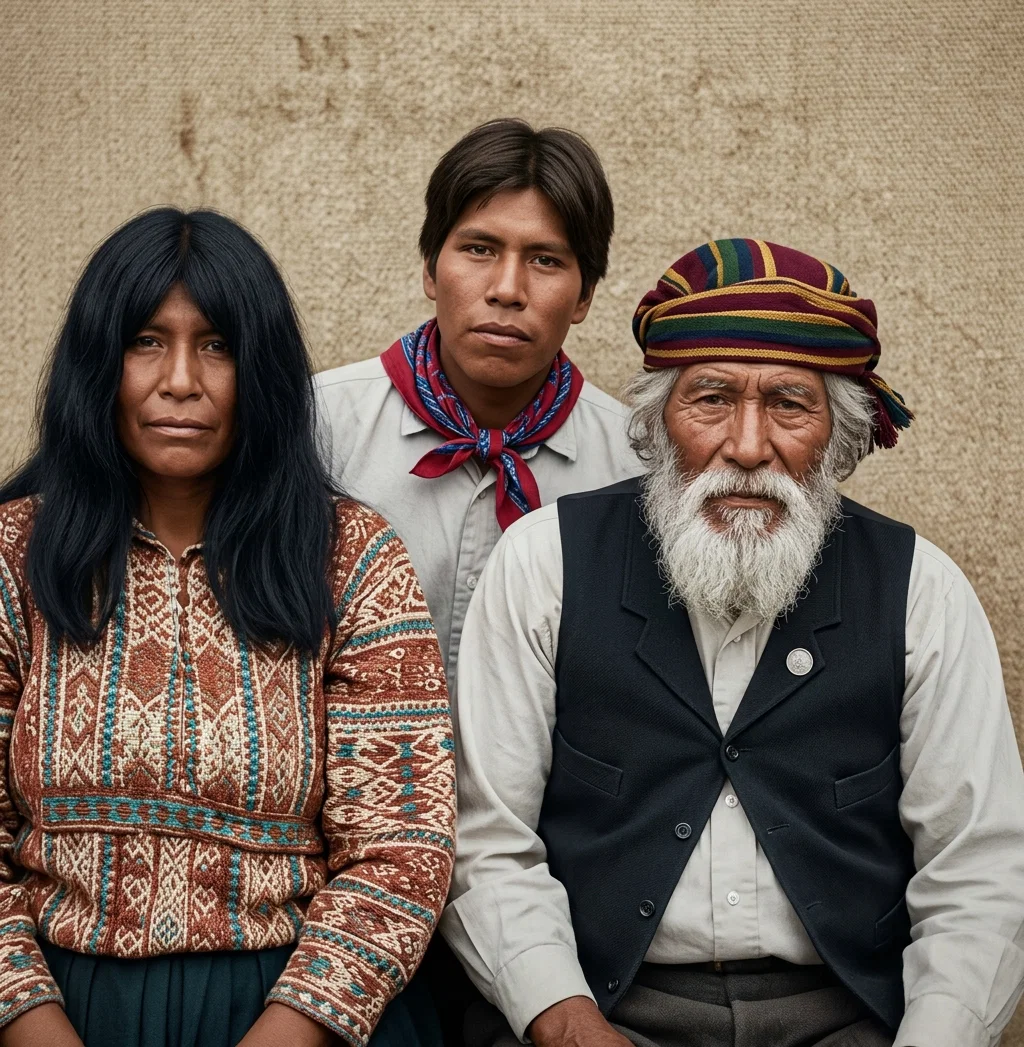
Of the ten tribes of Indians in Arizona (roughly estimated at 40,000), the Pimas are the most advanced in civilization. Being an agricultural people and permanently settled in their homes, they have been more accessible to the missionary and the schools than other tribes. They number over 4,000 and live on the Gila and Salt Rivers, in the southern part of the territory. These Indians live in the winter in low hovels, made of poles, brush, and earth, in shape resembling an old-fashioned bee-hive, or a bird’s nest inverted. There is a small aperture at the ground which serves for a door, window, chimney, and ventilation. To enter, one must get down on his knees, and if there is a fire, he can not stand erect for the smoke. Now the Pimas are making much better houses, some even aspiring to glass windows and shingle roofs. For seven or eight months in the year, so warm is the climate, the tribe lives under brush arbors, and while harvesting their grain, largely under trees in their fields.
The Pimas formerly practised polygamy, or free-love, but do not now tolerate either. They do not intermarry with the whites, as do the tribes in the Indian Territory. Their religion before conversion is hard to discover. They seemed to reverence the sun, but also prayed to the darkness. There was some indefinite kind of belief in a Great Spirit, but they seemed to stand in greater fear of their “medicine-men” than of anything else. That they had a vague belief in a future life is seen from the manner of burying their dead. I have seen them place food, lanterns, and many other things in the graves, even sacks of flour, valises of clothing, sewing-machines and beds. I asked an Indian once:—
“Where do your people, who are not Christians, believe they go to when they die?”
“Go East,” he said. That is all they know.
The Pimas have made wonderful progress since the Gospel reached them, but they are hardly abreast of the five civilized tribes of the Indian Territory, except in morals. Drunkenness and gambling have decreased. A great transformation is taking place in the manners and customs of these people. A few years ago, the women went about with nothing save a width of calico wrapped about their loins, for a dress. Now, almost every one has a well-fitted dress, made on sewing-machines of their own. The men no longer wear blankets, but come to church in civilized clothing. Nearly all have cut off their long hair, and, when converted, they ask for new names. Many of them ride to town in buggies of their own.
The Pimas still have their chiefs. Formerly, they were hereditary, but now on the Salt River Reservation, they elect a chief every four years. They have also adopted a constitution, which provides for a council of twelve members, a roadmaster, and a watermaster. Like many other tribes, the Pimas are reckless of their health, and the mortality, especially among the children, is very great. A few years ago, one would always know when a Pima died by the loud weeping of the relatives, which could sometimes be heard for a mile. Now, however, since many of them have embraced Christianity, their lamentations for their departed friends have almost ceased, while they comfort one another with thoughts of the resurrection, heaven, and eternal life through Christ.