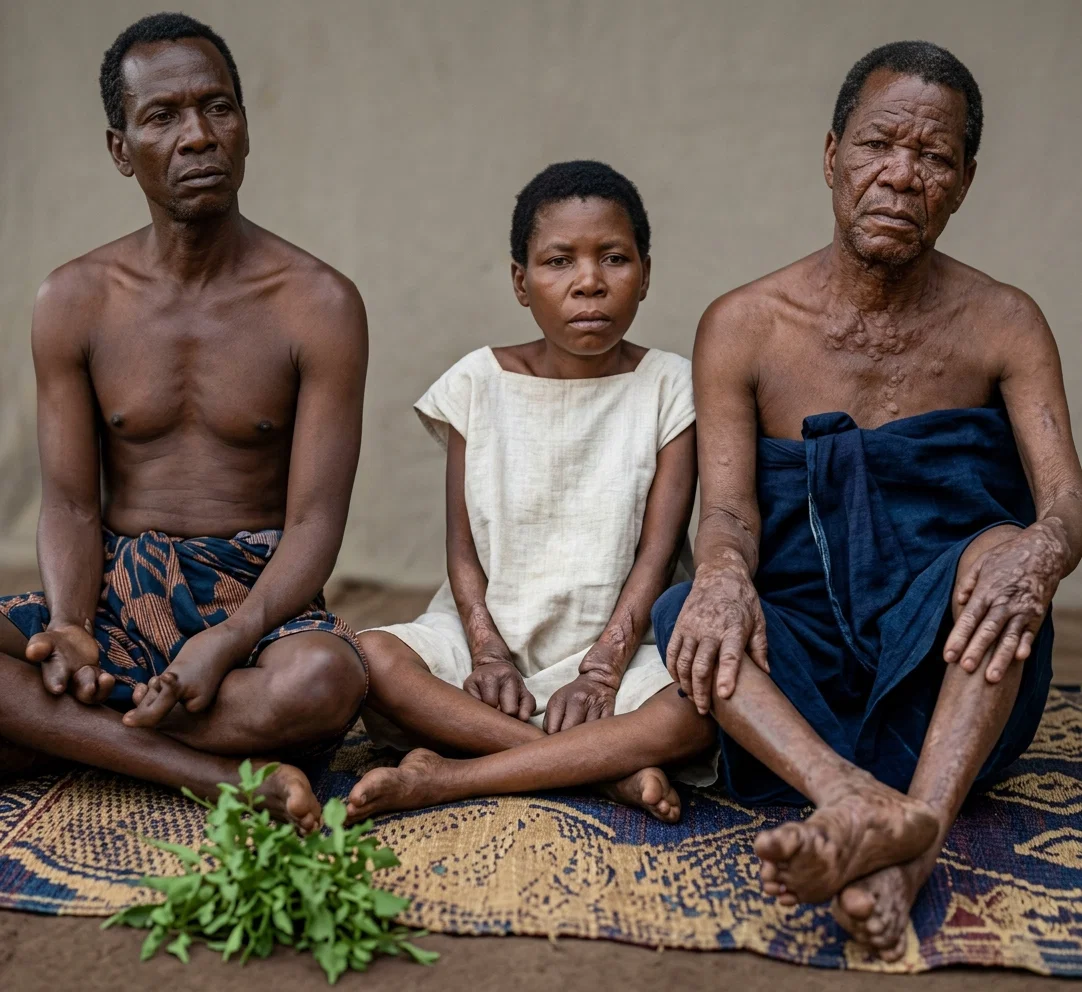
My work among the lepers of Jerusalem began in 1897, the year in which I left New York for the Orient, feeling called of God to go thither and labor for Him there. Miss Dunn, superintendent of the mission where I presented my letter of introduction, took me with her to a Bible-reading in the leper colony, near the village of Siloam. The colony numbers about forty-six. There were some twenty at the meeting, who gathered around us, sitting on the ground. They began to make such a clamor that the reading could not be heard. I asked the meaning of their cries. “They are saying that they are hungry, and that they have no meat,” answered Miss Dunn. The government provides shelter, bread, and water; but they were pleading for meat to make soup. “How much will it cost,” I asked, “to give them meat for soup once a week?” “Half a m'zheda” (about forty-one cents), I was told. “To whom among you shall I bring that money?” I asked through an interpreter. They named Saalam, a Greek, whom they recognized as their leader. Every week I visited them, carrying the money for the meat. They became better listeners to the Bible reading. I got crutches, and clothes, and medicines for them, according to their need and as best I could.
Victims of the Leprosy.
The lepers live in most abject poverty. Some dwell in huts; the colony of forty-six referred to are housed in a long, low building of thirteen rooms provided by the government. They had no possessions, except their bedding and rags, a few rude cooking utensils, and the round, black bowls from which they eat their food. One thing which bears hard upon them is the scarcity of water around Jerusalem. In supplying them with “bread and water,” simple as that may sound, the government performs a not inexpensive act of grace.
I was particularly interested in the case of Alyah Hassan, a leper who had lived in this leper colony five years. One of her hands was nearly gone when I met her; she had no fingers or thumbs. About that time she left the colony, and took to living in caves and rocks. I had her come to my house in the village of Siloam during the day, and I washed and treated her sores, and I prayed for and with her. Alyah, a convert from Mohammedanism, was full of faith. But one day she told me, weeping, that it had rained on her bed in the cave. Her brother, who owned three huts near the village, said she might have a room in one of them, if the government doctor would consent. It was then I brought her before a Hebrew doctor there, the Greek physician in charge of the Turkish hospital, and the city physician, an Armenian. All of these saw that her disease had been arrested. The city physician gave the certificate permitting her to live in her brother's house. “That she is free from leprosy, however,” he said, “no one can declare, unless her blood is analyzed.” I heard that a prominent American physician was visiting Jerusalem, so went to his hotel and told Alyah's story.
I have his letter, showing the result of the analysis, and stating Alyah to be absolutely free from leprosy. I attribute her cure to God's goodness in answering the prayer of faith and blessing the means used in His name. Another woman besides Alyah has been restored to her home and kindred, but I have not in my hands such evidence of her cure as in Alyah's case.
If any people in the world need the comfort of the Gospel and the ministry of Christian kindness, it is they.