CHRISTIANITY IN JAPAN

7%

Pacific Press Publishing Company · Oakland, California · Jun 18, 1902

FromSigns of the Times, Vol. 28, No. 25.

Read the full edition
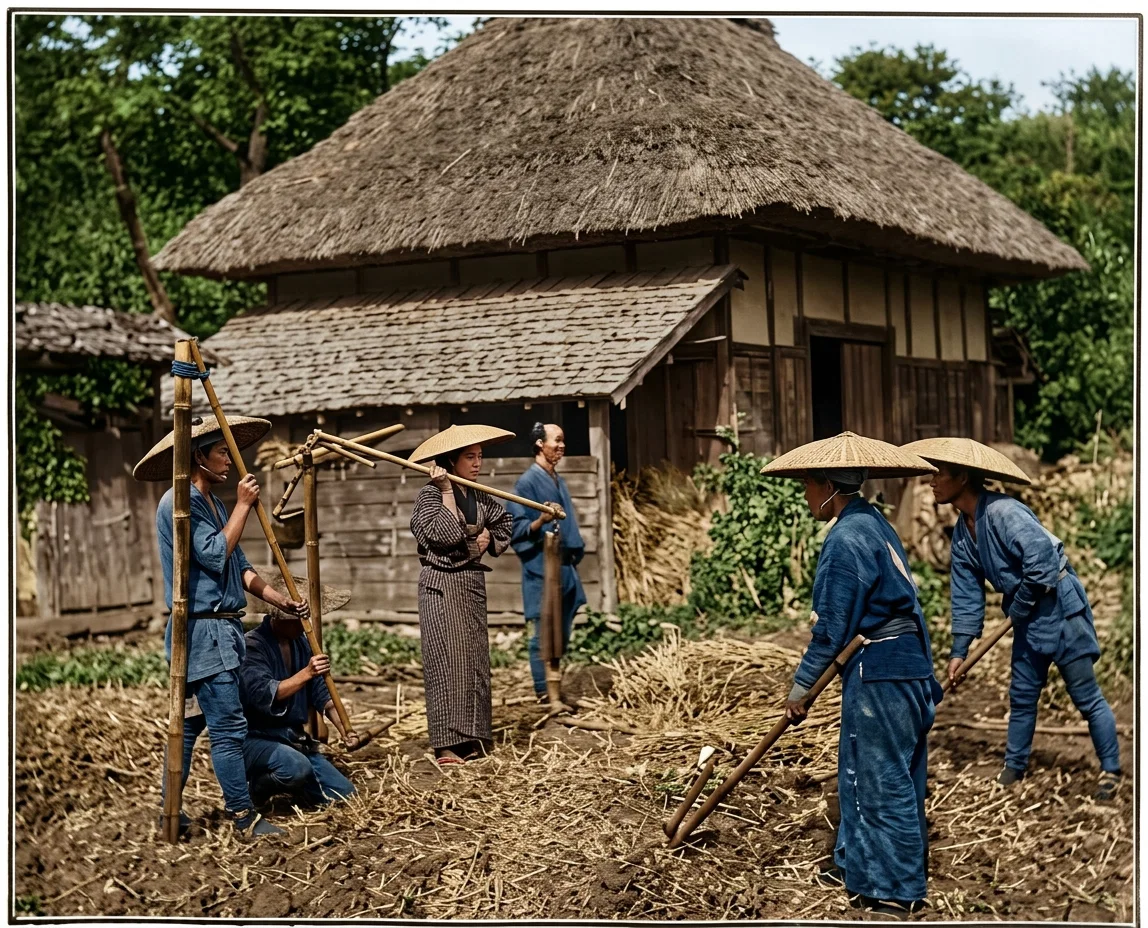
Thrashing Grain, Wheat or Barley.

CHRISTIANITY IN JAPAN.

(Concluded.)
AS I have already stated, Japanese civilization came in by adoption; and its progress was gradual from the higher class to the lower. Whatever is not adopted and favored by the higher class, can not easily find access to the common people and the lower class. But it is a lamentable fact that the highest class of Japanese society are spiritually dead, being entirely given up to Epicurean banqueting and the worship of mammon. The Japanese were a very clean people, and in feudal times were taught to despise money. The gospel of mammon is the gift of modern civilization.
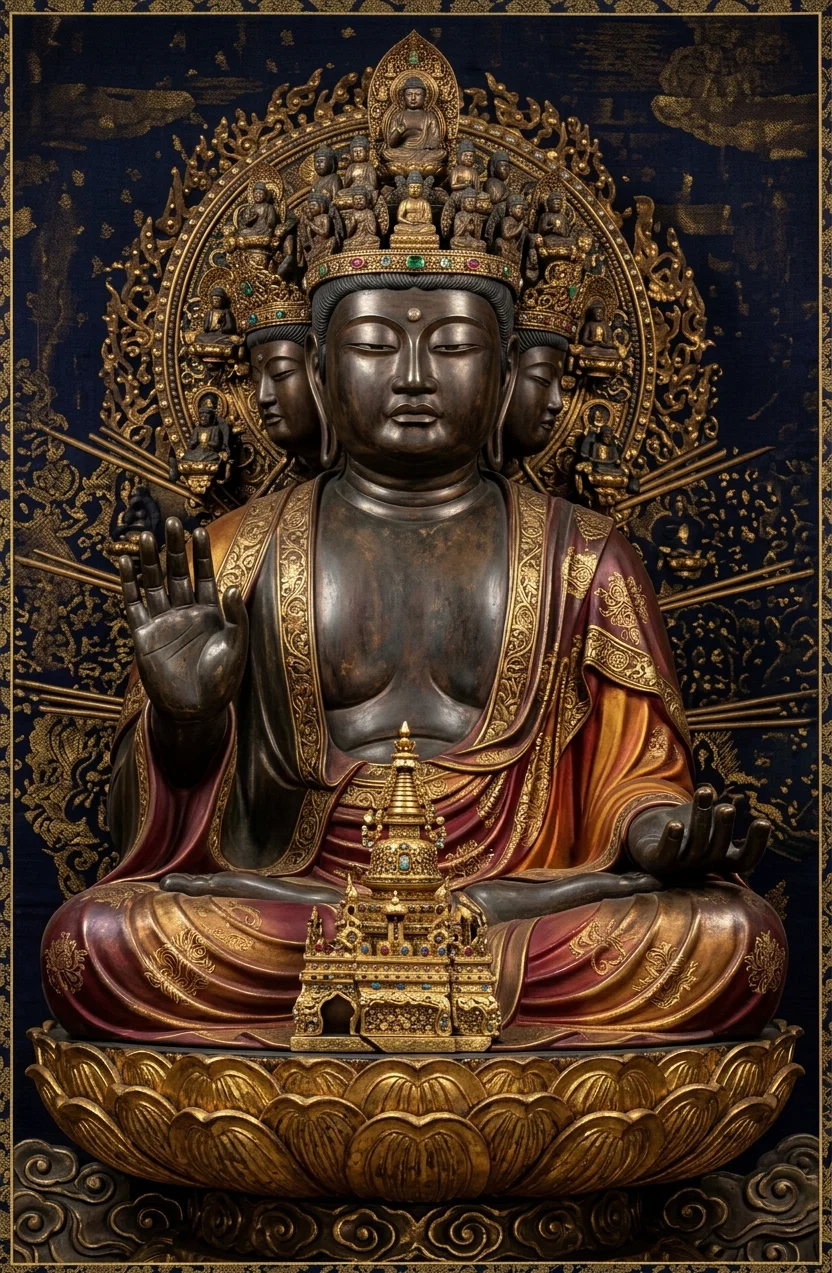
Buddhist God.
Buddhist God.
“Isles of blest Japan! Should your yamato spirit Strangers seek to scan, Say—scenting morn’s sun-lit air— Blows the cherry, wild and fair?”
The wild cherry flower is the emblem of the Japanese heart. It is not gorgeous; it has no appearance of vanity; it does not fade on its twig; but it is simple, fair, and passes away, a living flower, at the call of the breeze. It is a symbol of many virtues; but in the worship of mammon there is nothing kind, nothing noble, and nothing true; but its entire influence is corrupting and deadly. In former times, when one man would borrow money from another, nothing like a pledge was needed; a simple note that if he failed to fulfil his promise, he would consent to be laughed at to his face, was a sufficient security. To be laughed at for an unfulfilled duty was not to be endured then; but what credit could one give to such a note in our days?
In the parable of the man from whom the devil went out only to return with seven other spirits, Christ rebuked the Jews, saying, “Even so shall it be also unto this wicked generation.” In many respects this saying can be applied to the present condition of Japan. The old condition, with its bad and good, is vanishing away, and the new, with the vices of material civilization, has come in. Some years ago, a Japanese prince, returning from a tour through Europe, said, “I think civilization is barbarism well dressed up.” And Japan, making no pretension to fear God, is displaying it nakedly.
“Society has degenerated and the hearts of men are corrupt,” is the cry taken up by statesmen, newspapers, and the people. “Who shall deliver Japan?” is the question of every sincere heart. As conscience awakens, the way is opening for the truth to spread, and erelong vast fields will be ready for reaping. Buddha teaches of hell and paradise; and now many believe there are no such places, but that they are taught as a means to correct people, and keep them in the right path. And they look upon the destruction of the wicked and the establishment of the heavenly kingdom, as taught in the Christian religion, in the same way. The Japanese have not much idea of eternal life, and the young men are worshipers of fame. This idea is often sung in military songs. The tendency of these religious views is to make it hard to appreciate the need of salvation for each soul. Tho the young men may be made to know God, and tho their hearts may seek after Him for the sake of doing right, they are prone to deny Christ’s resurrection and divinity, and by false leaders they are soon led away to intellectuality and rationalism. This is a very sad fact.
Young men who to some extent believe in Christianity, but do not feel much need of salvation, will flock into churches, if prominent politicians speak of Christian experience or some phase of Bible truth; but they do not care to have pastors preach Christ crucified. It is well that by any means they are brought to the gate of Christianity; the time may come when they will enter in, and be saved. But how shall they be taught? As it is now, they go into rationalism; or, if as students they profess Christianity, when they plunge into social life they are soon lost in worldly corruption, as bubbles in the water. To work among students, and get the new generation to see the truth, is very important, and this Christian teachers have readily seen. But unless the converts are built up, and become strong in Christian character, they can not bear the tests that will come, their environments are so bad.
Now our work in Tokyo is to teach the truth to students who come largely for the purpose of acquiring an English education. They are all attending schools where infidelity is much taught. My experience is that our work among them is not very effective; for tho they may hear the truth a little, they are surrounded by an atmosphere of skepticism, and are fully under the influence of worldly ambition. But with our present means we can not find a better method. A Christian industrial school is greatly needed, where students can be taken away from the secular influence, and their characters built up till they are ready to meet the world. It will take more money to do this; but if economy means, not a greater or less outlay of money, but money used to the best effect, then this is the truest economy. If plans are well laid, I believe it will be little expense to carry on a school after it is once established. And I believe our brethren and sisters in America will be liberal to help in this work.
I will now tell how the truth is finding its way toward the common people. Tho the higher class—the rich and the educated—are in a degraded state morally, there is much spiritual life in the middle class. For those who are sunk in gross idolatry, Christianity is hard to understand. But the majority of those who worship Buddha in good faith, and are devoted to the honor of ancestors, if they would turn to Christianity, and become as firmly established in it as they are now in their present faith, would put many European and American Christians to shame. Hitherto they have had a strong antipathy to Christianity, and have been unwilling to listen to it; but their minds are now becoming changed.
To express the general idea in words, I think it would be something like this: “Yes; I believe Christianity is a very good religion. Christ is just as good as Buddha. Buddhism and Christianity are different in form; but I believe they are the same thing in the end. They are two different ways of reaching the same goal, and I do not see that it is important to change my faith.”
I have attended several Buddhist meetings, and to my great astonishment have found that its intelligent preachers quote from the Bible occasionally, saying, “Christ said so and so, too,” to impress the minds of the audience. They even tell their hearers that they misunderstand Christianity; that it is not a bad religion. I think the Buddhist preachers know now that it would be to their disadvantage to oppose Christianity; that the only way to keep people firm in the Buddhist faith is to appear very liberal-minded, and to lead them to think that the priests have investigated Christianity, and found Buddhism superior. For in one way and another the idea that Christianity is hateful is passing away, and there is a growing disposition to hear it.
All Christian denominations are represented here; and people regard them as they do denominations of Buddhism. They think those that have many churches and schools are right, and that the others are the behind-the-times denominations. The denominations did a joint work last year to arouse a general interest, and the result was seemingly very good. This is the time to do active work, and I have tried to reach the families of the common people with the truth; but it is hard for them to appreciate our words, unless there is something tangible to show them. We can not and would not do as many other churches do here; but means are needed in order to do an effectual work. And I hope that our work here will always be remembered in your prayers, and that there will be shown an increasing interest in Japan. S. HASEGAWA.