Christianity in Japan

4%

Pacific Press Publishing Company · Oakland, California · Jun 4, 1902

FromSigns of the Times, Vol. 28, No. 23.

Read the full edition
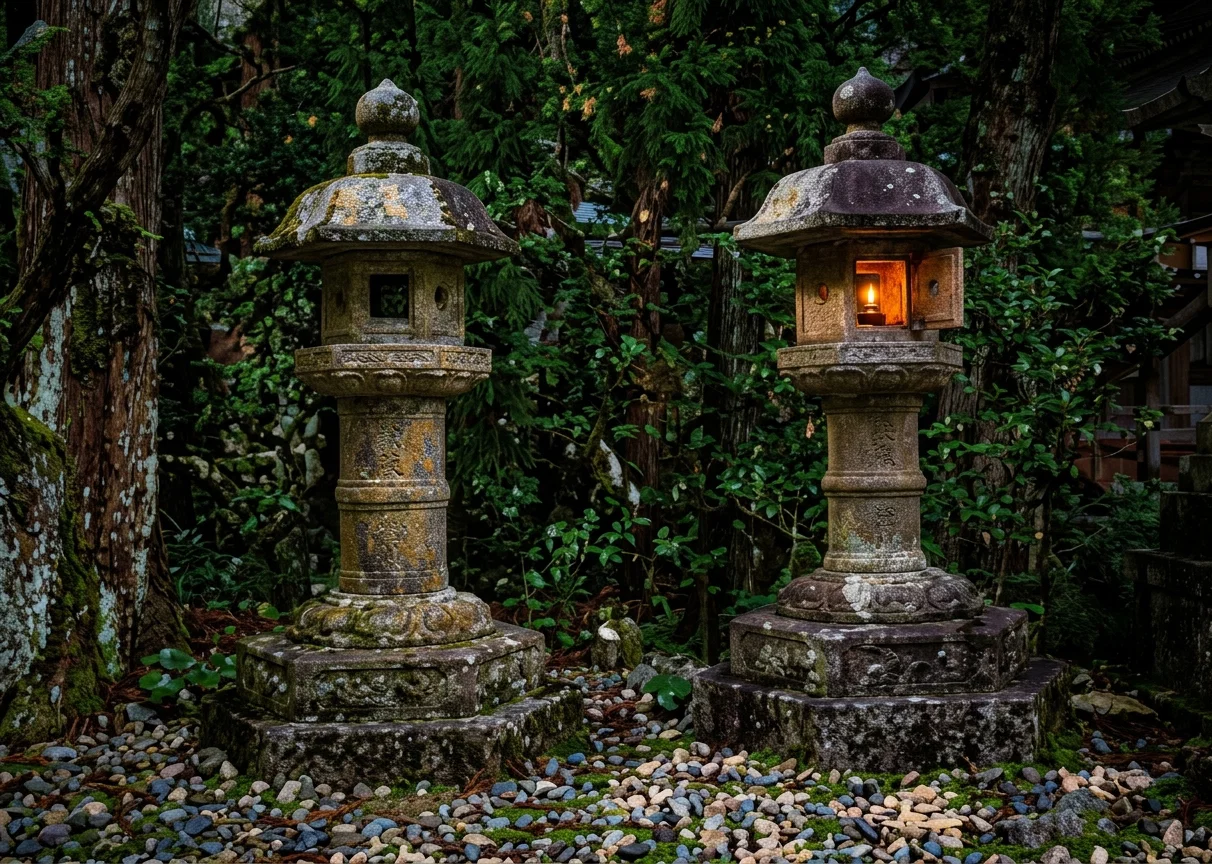
Stone Lanterns or Towers About Eight Feet High, Seen on Buddhist Grounds in Great Numbers. Formerly Used for Holding Lights.

Christianity in Japan.

(Continued.)
When Japan fought with China, and conquered, civilized nations claimed that each victory was stained with some act of barbarity or brutality on the part of the Japanese soldiers. Japan was much chagrined, and watched for an opportunity to clear away all blame. And the opportunity came in the war to suppress the Chinese rebellion. The Japanese soldiers fought side by side with European soldiers, and everywhere they stood in the front rank. They showed excellent discipline and noble behavior in the sight of the civilized nations, while the soldiers of some nations that blamed Japan most in the Chino-Japanese war committed abominations unspeakable. “What are Christian nations, after all?” Perhaps this is the question that arose in every Japanese mind.
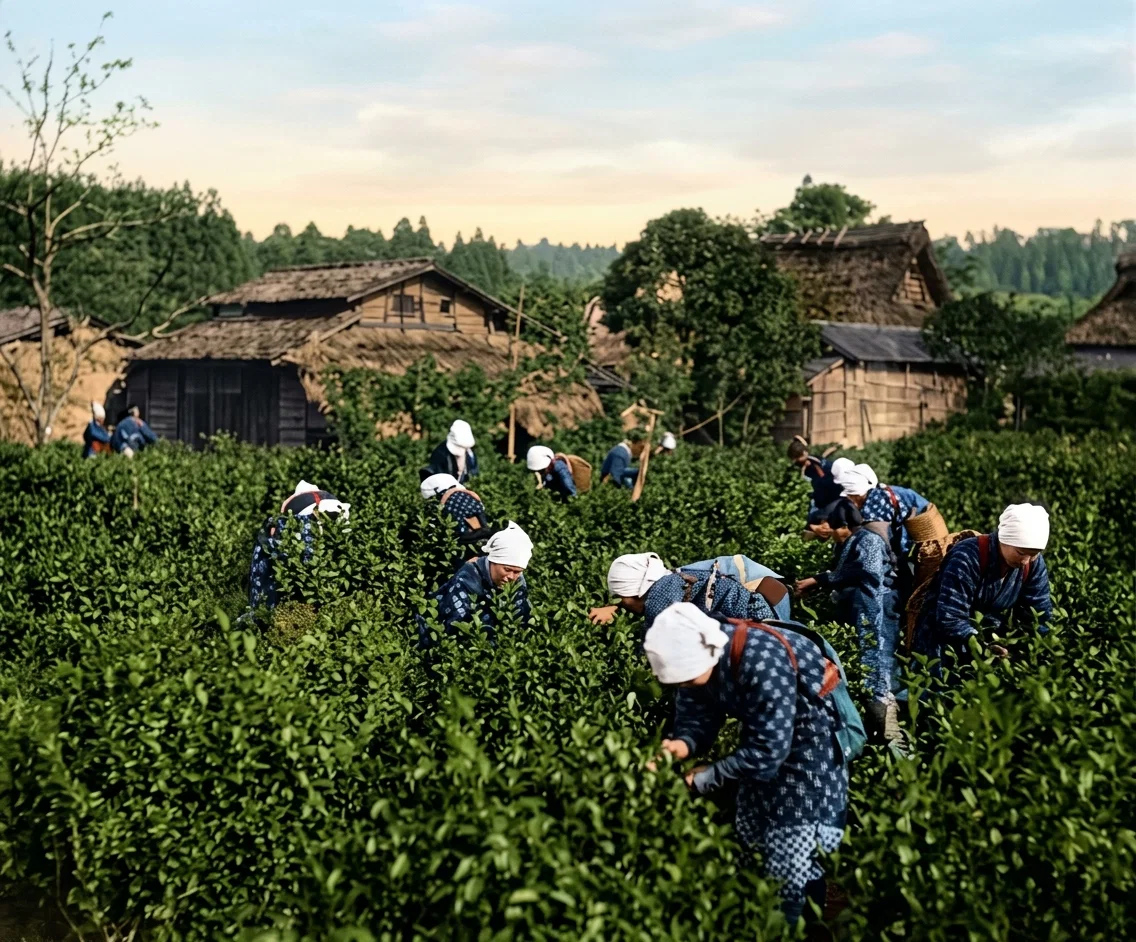
Gathering Tea.
Gathering Tea.

A Buddhist View of Christianity.

Some months ago I happened to pass by a Buddhist temple when a priest was preaching. Pausing to listen, I heard him say:—
Do you like to know what Christianity is, my friends? I have here its book, called the Bible, and I will show you what Christ says, for He is the foundation of that religion: “Think not that I am come to send peace on earth; I came not to send peace, but a sword.” Are you astonished? But this is what He really says. I am not accusing Him. I acknowledge that He was a very great man, and taught many good things, as Buddha did. I do not take His word in a shallow sense. I just show you that His religion is very different from that of Buddha. He intended to spread His doctrines with the power of the sword.
Look at the nations taught and influenced by His religion. Christian England took India and Hongkong, and now she is waging war with the small Boer republic, intending to make that country her own. But the liberty-loving Boers will not yield till they are all dead. Christian Germany snatched a portion of Chinese territory in redress for the killing of two missionaries, who ventured too far into the interior, against the advice of the government officials. Christian America occupied the Philippine Islands under pretense of delivering the people from oppression.
Another object-lesson is before our eyes. What did the soldiers of these Christian nations do in China, in the late war? Houses were pillaged, and women were violated; and the Chinese fled from those who came to save them. But how our soldiers were welcomed. Women and children hailed them everywhere with small Japanese flags in their hands and with tears of joy and gratitude. You all know this. Then we might well boast of our Buddhist country. “The tree is known by its fruit,” Christ said. What these nations do is in accordance with what Christ said. Christianity may be well adapted to the spirit of our age; but Buddha taught mercy, not to kill even an insect, for there is a soul struggling for a higher life. I prefer to live and die a Buddhist.
“Aye, aye,” was the response of some in the audience. I admired the priest’s shrewd eloquence, and felt ashamed that there are so many things in nations and individuals called “Christian” to cast a stumbling-block in the way of the truth.

Japanese Loyalty.

The Japanese are very loyal to the throne. Their reverence for the emperor and faithfulness to him can not be comprehended by other nations.
“A thousand years of happy reign be thine. Rule on, my lord, till what are pebbles now, By age united, to mighty rocks shall grow, Whose venerable sides the moss doth line.”
This is the national song, and it is sung by the school children with great heartiness. The government looks upon Christianity as a very good religion in itself; but as it is [thought to be] a product of other nations, it is feared that it will alienate the Japanese heart and destroy the spirit of loyalty; and so the policy of keeping religion out of education has been adopted. Students and scholars sent abroad by the government, come back with skeptical sciences and learned infidelity; and these take part in the educational work. So education is carried on without the fear of God. The president of one of our schools took pains to ascertain what ideas his teachers entertained of Christianity. One said that he would dismiss his students if they went to a Christian church; another said he would discourage their going; and the third said he would leave them alone in this matter. Perhaps this instance will illustrate the general idea of teachers.
I will here state briefly what the Japanese loyalty is, for it occupies the Japanese mind more than does religion. The relations between the emperor and his subjects have grown, as do those between parents and sons. While other nations have had long fights with their kings to free themselves from oppression and to secure their rights, and the history of their parliaments is one of much bloodshed, the present Japanese emperor proclaimed that “all should be done by public discussion” when the people themselves did not know their rights; and the revolution which in other nations has been accomplished by blood and fire, in Japan has been brought about peaceably. This is why the relations between the emperor and his subjects are so different from those between other rulers and their people.

The Emperor and His People.

An emperor in the ancient times ascended his tower one day, and saw that no cheerful smoke curled up from the houses of his subjects. He judged that their hearts were desolate, and his heart was touched. He released his subjects from taxes for three years, and then again ascended his tower. Everywhere cheerful smoke curled up from the houses, telling of prosperity and happiness. Exultantly he turned to his queen, who had followed him, and said, “I am rich; I am happy now.” The queen, wondering, replied, “Our garments are torn, and our palace is leaking; and how can you call us rich?” With pride and joy he pointed to the houses of the people, and said, “See my people. Are they not rich and happy? and are they not our own?” And his feelings found expression in a burst of song which every Japanese remembers with grateful heart.
As an example of a loyal subject, there lived a famous warrior, Masasige, and his son Masatsura, who were martyrs to the cause of loyalty. When Masasige was going to battle, determined to die, he gave instruction to his little boy, encouraging him to grow up brave and to succeed to his father’s spirit. This instruction, sung by the school-children, is the inspiration of their lives.
Masasige died, and when Masatsura, his son, received the news, he was so sorrow-stricken that he intended to commit suicide. But his mother snatched the sword away, and encouraged him to be brave. He was brought up by his wise mother, and died a loyal soldier, as renowned as his father had been. When I was a boy and read the mother’s words, “Was it your father’s will, my son, that you should kill yourself? Was it not rather that you should kill the enemy?” and heard them explained by the teacher, my heart was very much moved, and I cried, “O Masatsura, Masatsura,” and I could not refrain from tears.
Loyalty is the life of the Japanese, and at one word from the emperor any Japanese will plunge into fire or water. This loyal spirit is not antagonistic to Christianity; but, on the contrary, it will make very good Christians when the hearts of the people are fully turned to the Maker of all, and God and the emperor each has his proper place. It is a great pity that the idea still prevails that Christianity is inconsistent with the spirit of loyalty.
S. HASEGAWA.
(To be continued.)