A GLIMPSE OF TIBET

9%

Pacific Press Publishing Company · Oakland, California · May 21, 1902

FromSigns of the Times, Vol. 28, No. 21.

Read the full edition
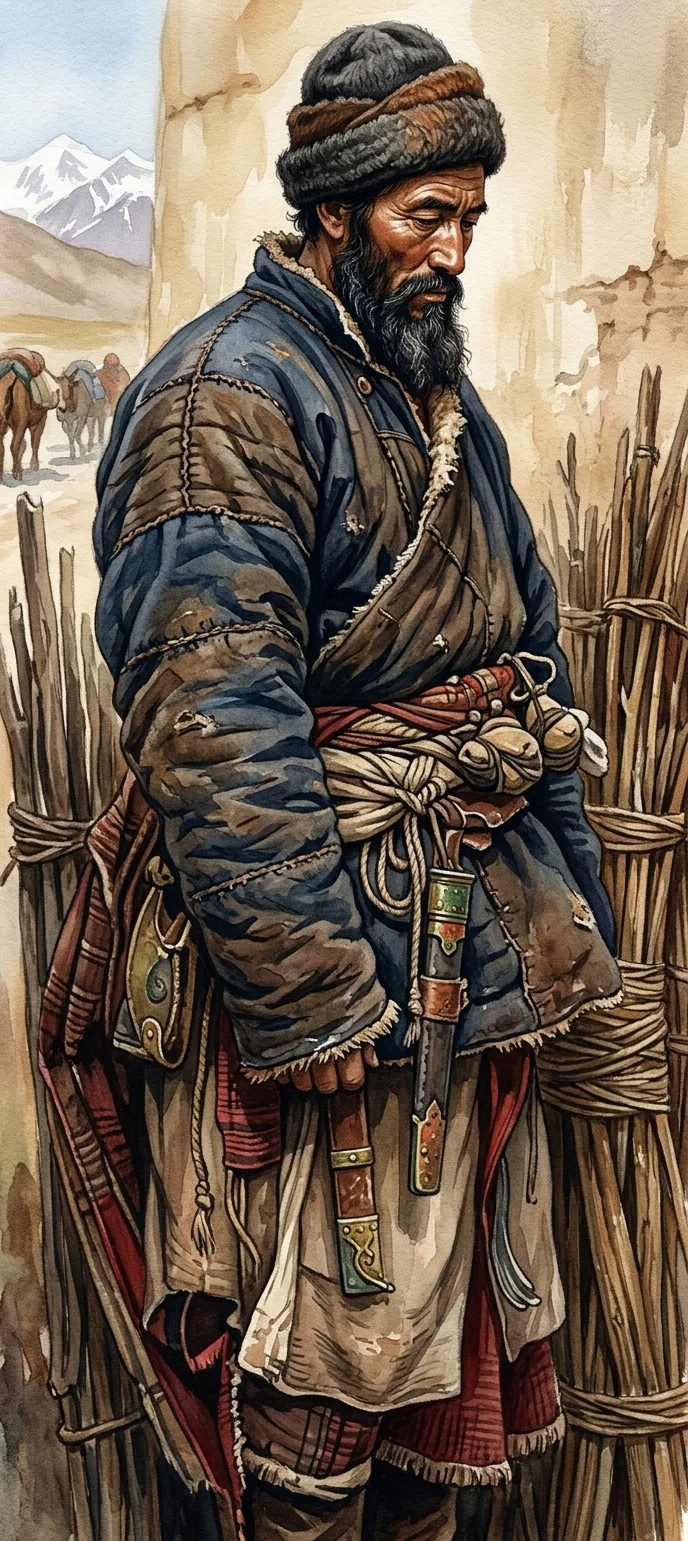
A Tibetan.
A Tibetan.

A GLIMPSE OF TIBET.

TIBET is a part of the Chinese empire. It is a land of mountains and tablelands, of plains and valleys, of rocks and ravines. Owing to the inaccessibility of the region and the suspicions which the inhabitants have entertained of all foreigners, the country was until recently almost a terra incognita. But within a few years travelers have to some extent explored this inhospitable land, and missionaries have entered its borders with the story of the cross.
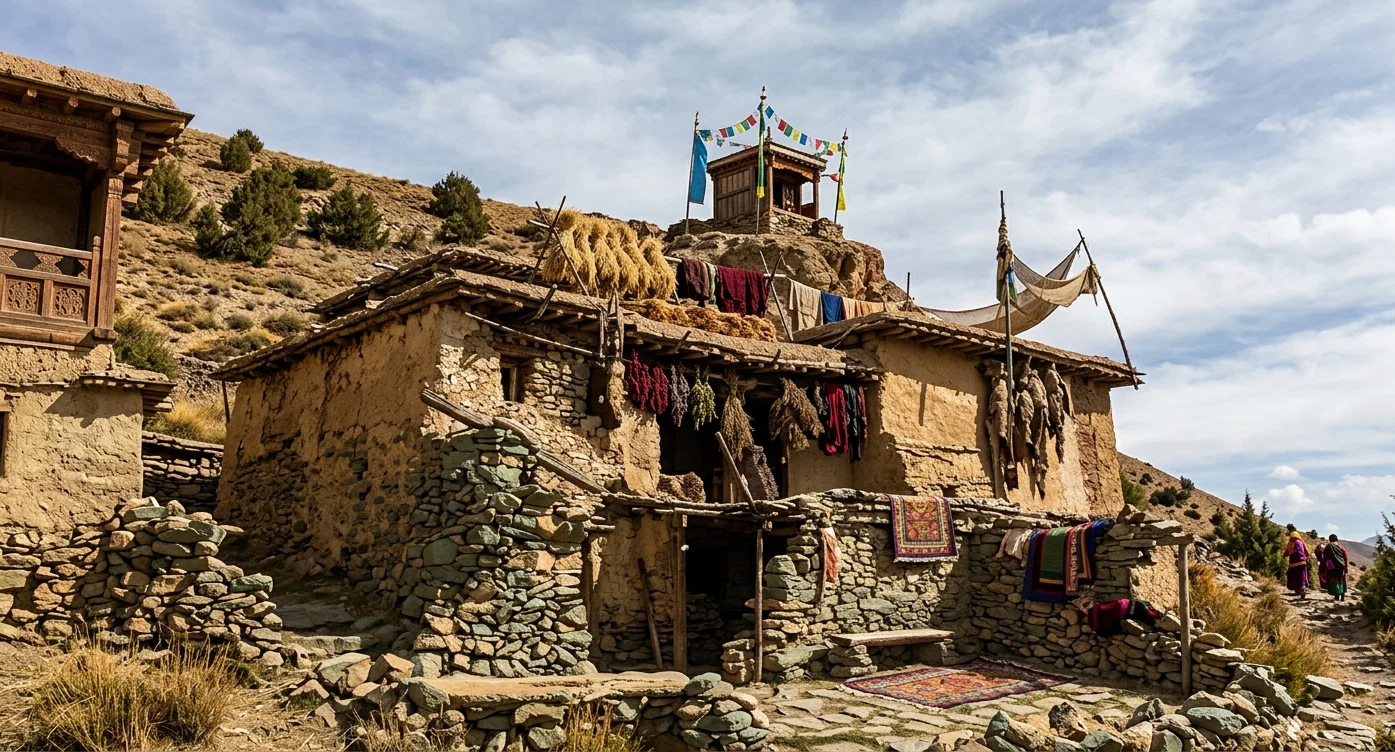
A House at Sere Sounds, Tibet.
In 1895 Mr. Petrus Rijnhart, a Dutch missionary, accompanied by his American wife, Mrs. Susie Carson Rijnhart, M. D., entered the northeastern border of Tibet, by way of China. For four years these devoted missionaries did good work for the Master in ministering to the sick and the sinful. Then one day, as they were traveling, Mr. Rijnhart went for aid to a camp of nomad Tibetans, and never returned; his fate has since remained an impenetrable mystery. Left alone among treacherous strangers, Mrs. Rijnhart made her way through many perils to civilizationand safety. Since her return to America, she has told the story of her Tibetan experiences in a book entitled, “With the Tibetans in Tent and Temple.” She thus describes her entrance into the country:—
Westward from Sining [on the border between China and Tibet] the road leads through a highly cultivated plateau; the farms are watered by a perfect system of artificial irrigation, bearing evidence of the industry and skill of the peasants. The houses in the villages are all built of mud and have flat roofs.
On the road one meets groups of merchants, partly Chinese, but bearing a strong resemblance to the Turk, and distinguished by a headdress which seems to be a cross between a Chinese cap and a Moslem turban. These are Mohammedans going down to trade in Sining. Next comes creeping along a small caravan of camel-mounted Mongolians or Tibetans, clad in their ugly sheepskin gowns and big fur caps, on their way to see the Amban [Chinese official] of Sining, or perhaps going to eastern Mongolia or Peking; or one may meet a procession of swarthy-faced Tibetan pilgrims returning single file, with slow and stately tread, from some act of worship at Kumbum, to their homes in the valleys north of Sining. This region, so far as its inhabitants are concerned, marks the transition between a purely Chinese population and a foreign people, the Chinese predominating in the larger centers.
Of her first experience in medical work Mrs. Rijnhart says:—
As soon as the people found out that we were prepared to treat their ailments and dispense medicines, they came to us quite freely. The Chinese were the first to approach us; but soon the Tibetans came, even the lamas [priests], and it was not long before we had as much medical and resultant guest-room work as we could attend to. As it is impossible to get a crowd of Tibetans to listen to a discourse, our evangelistic work consisted chiefly in conversing on Christianity with the people who came to see us, and from the very beginning we were able to interest them in the teachings of the New Testament.
The Tibetans themselves having no medical science worthy the name, the treatment given by the native doctors generally means an increase of agony to the sufferer. For headache large sticking plasters are applied to the patient's head and forehead; for rheumatism often a needle is buried in the arm or shoulder; a tooth is extracted by tying a rope to it and jerking it out, sometimes bringing out a part of the jaw at the same time; a sufferer with stomach-ache may be subjected to a good pounding, or to the application of a piece of wick soaked in burning butter grease. If medicine is to be taken internally, it will consist, probably, of a piece of paper on which a prayer is written, rolled up into the form of a pellet; and if this fails to produce the desired effect, another pellet is administered, composed of the bones of some pious priest.
Mrs. Rijnhart adds: “Altho the natives appear to have great faith in the native doctors, yet they were quick to bestow their patronage upon us.”