The Situation in China

6%

Pacific Press Publishing Company · Oakland, California · Aug 14, 1901

FromSigns of the Times, Vol. 27, No. 33.

Read the full edition

The Situation in China.

It has been the lot of China to pass through a serious crisis. It is to be hoped that the storm has now spent its fury; but its effects continue, and will continue for many a day. In fact, the causes that led to the Boxer uprising remain; and the feelings that incited it have been embittered and intensified by the struggle through which the country has passed.
What are the characteristics of the people that led to this uprising? One of their number, a Christian missionary named Hu Ging Ung, says of them:—
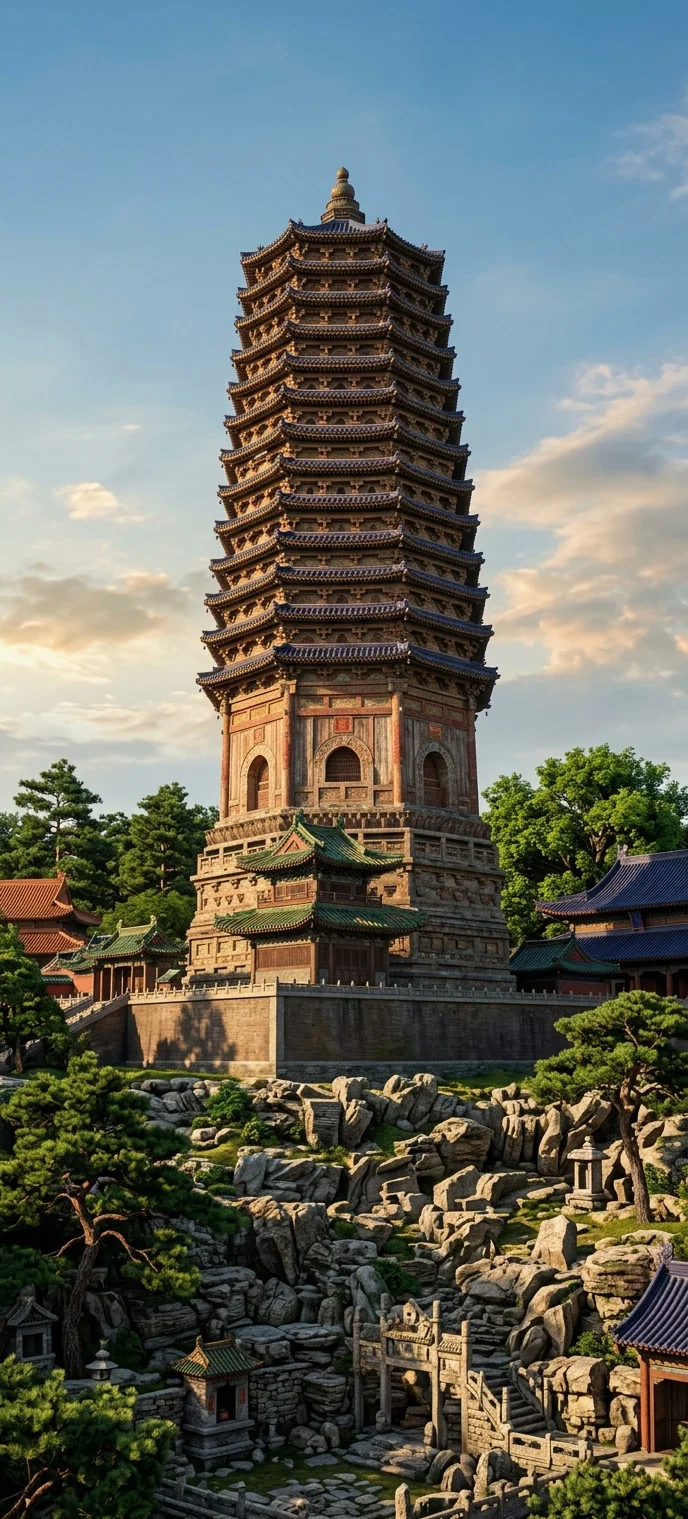
A Chinese Temple.
A Chinese Temple.
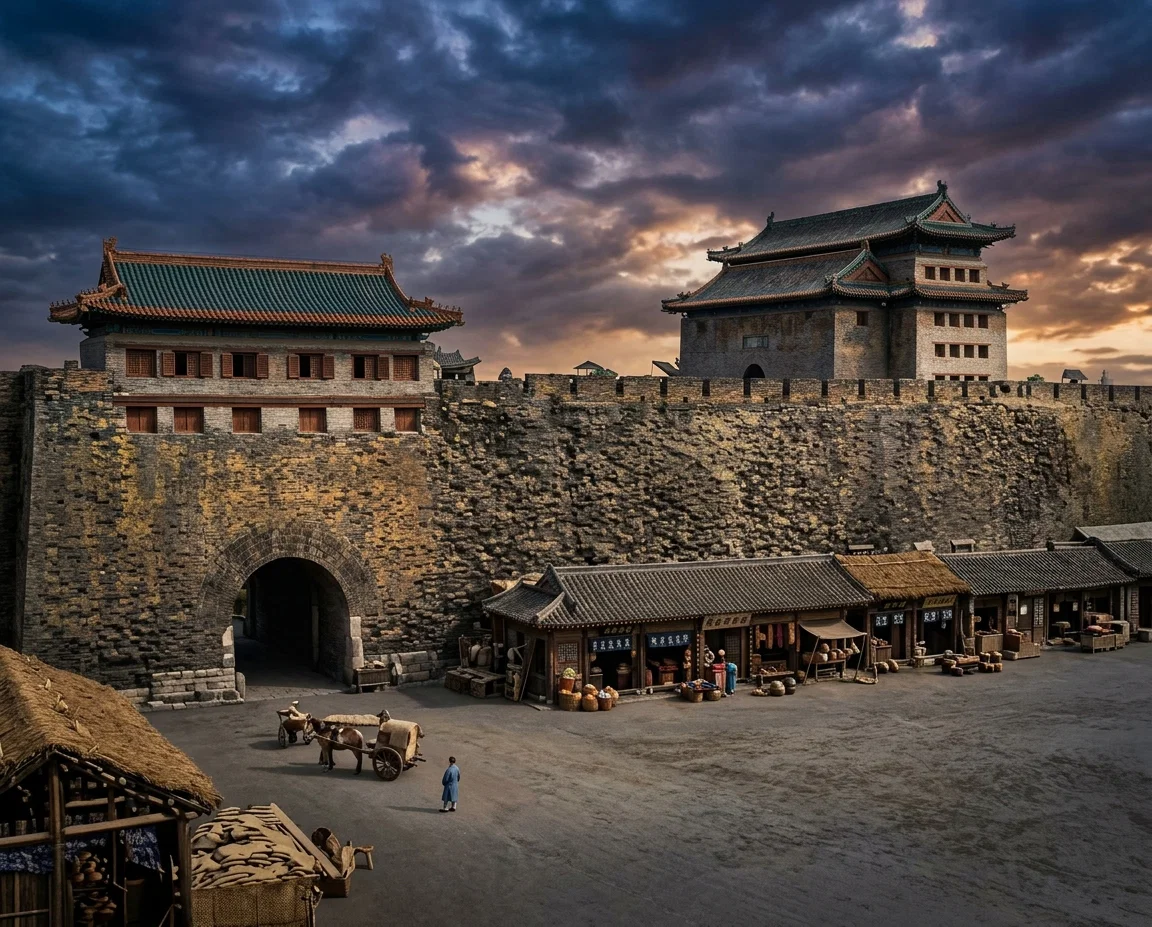
A Glimpse of City Wall, Peking.
They are so proud of the antiquity of their nation that they have no desire for improvement over preceding generations nor of receiving any newer civilization; they are so faithful to the national traditions that they even do not inquire into their origin, but exactly imitate their heathen ancestors; they are so content with their knowledge that no new ideas will be welcomed, but will be strongly resisted. . . . This is the real cause of the weakness of China, and her gradual decline for several hundred years. Here, also, we find the most difficult work of reform which no mere teaching nor direct legislation can reach to much effect.
There are many superstitious customs in our country which have been handed down from our ancestors. Geomancy, or selecting a lucky site, is considered a most important business for the legacy of the succeeding generations. The funeral rites are very seriously kept. The employment of Buddhist and Taoist priests and the extravagant burials are regarded, not only for the sake of the dead, but as the glory and pride of the living. Women are not in the same rank with men, and poor girls are sold as slaves. Higher class girls prefer to suffer with “golden lilies” rather than to have broad feet “in disgrace,” as they call it. Suicide is practised, and sometimes is commended as virtuous. On festival occasions, as birthday or marriage, the people are very particular in their manner of entertainment to follow the speech and ceremony of gross superstition. Besides images in temples, there are domestic spirits, such as ancestral tablets, the two guardian kings of ghosts, the kitchen god, the goddess of mercy, and many others which involve selfishness and fear. Many of the higher class of people set most selfish examples, so that injustice and dishonesty are treated as common matters. It is impossible to name all the degrading wickedness and superstition that bind the hearts of the people, but we can imagine their great influence over them.
In the same line, M. Piton says in Le Missionnaire, as condensed in the Missionary Review:—
There are three parties now to be met with in the Chinese empire. First, that of the literati. This is the most intensely Chinese of all; it is also the most consistent with the principles on which the whole history of China has rested until this day. Hatred of the stranger, absolute, fierce, and implacable—this is its word of command, or, still more exactly, it is its ground of being. . . .
Then there is a middle class—the class of business men, of working-men, and petty annuitants. These, it is true, do not in the least love the foreigner, but then they do love money. To gain this, they think it will not do to bring the Europeans and Americans down upon them too hard. Discoveries and civilization, they believe, procure indisputable advantages to those who know how to avail themselves of them. Let us then, they reason, take care not to break openly with them; let them settle among us, and let us turn their energies to our account.
Unhappily, these foreigners reason the same way, in reverse order. They detest the Chinese; they despise them with all their heart; but they ask nothing better than to make use of them and of the riches of their country in order to heap up handsome profits. For this they find railroads indispensable, and these involve two inevitable consequences—among themselves, competitions which sometimes result in scandal; among the people, profanations which lead to the worst excesses.
Then, too, the railway lines can not but cross and overthrow many tombs. These are encountered everywhere. There are no burying grounds in the Celestial empire—at least, in the parts occupied by our missionaries. Take any landscape whatever, toward whatever quarter you may look you are very probably surrounded by tombs. The reverence felt in every country toward these is, in China, multiplied tenfold by the force of ancestor-worship. To destroy a tomb, is to attack a whole family, to violate the reverence due to ancestors, to commit a sacrilege, and to render one’s self guilty of a blasphemy. Moreover, the lay of the land brings out the well-known sign of the green dragon or of the red tiger. This, also, is sacred. Would you drive a railroad through these venerated lines, behind which there lie entrenched whole ages of superstitions?
Here the third class, the common people, take the field, and stretch out the hand to the literati. Little do they care for the progress of civilization. Ignorant and violent, they are easily influenced by the higher class, and willingly lend them their arms in hunting down the foreigner, or else, confounding all the rich in a common hatred, they form themselves into rebel bands, into corporations of bandits. Among them the secret societies find their most dangerous and sometimes their most numerous members. We find them, for instance, in their famous Trias, an association of the partisans of the Tong dynasty, a body whose emblem consists of three points, mysteriously disposed in the letter expressing the dynasty. They are genuine Chinese Free Masons! Sometimes these partisans fight with one another; often they will fire upon the regular soldiers; but above all are they ready to turn their blows against the strangers, and are wild with eagerness to burn their possessions. Assassins ready for everything, they may become terrible instruments in the hands of the literati. Officially they are disavowed when their murders become a little too compromising; but underhand they are encouraged, and their work is thought worthy of every Chinese that loves his country.
When the character of the people is considered, in connection with the encroachments of foreigners on their territory and the open discussions relative to the partition of China, and “spheres of influence,” together with the interference of foreign ministers in the internal affairs of the country, and the greed of foreign syndicates, it is not strange that the crisis occurred; nor is it strange that China, utterly unable to cope with the powers that were arrayed against her, should come out of the melee crushed and humiliated. It is natural to sympathize with the weaker and wronged party; but to the Christian the first consideration is, How will these things affect missionary work in this great heathen empire?
The Christian converts in China have shown that they were sincere and faithful. J. R. Hykes, D.D., in the American Bible Society’s Report for 1904, says of them:—
Chinese Christians have proved that they have the martyr spirit, and all the qualities of heroes. Proclamations were posted, offering them their lives if they would recant; but tens of thousands preferred death to dishonoring their Saviour, and even children fearlessly faced the executioner rather than deny their faith in God. The Christian church has been tried and not found wanting. It has passed through the fire, and has come out as gold tried in a furnace.
Preachers and colporters have sown the land with Bibles; and the seeds of truth are immortal, and can not be killed out by fire and sword, and they will no doubt bring forth a rich harvest of souls in the land of Sinim. But it will not be done through political aid. As Mr. Hykes justly remarks, “The ‘weapons of our warfare are spiritual, not carnal,’ and they are sufficiently powerful to meet all the ‘opposing forces of the powers of darkness.’”