SILOAM

8%

Pacific Press Publishing Company · Oakland, California · May 22, 1901

FromSigns of the Times, Vol. 27, No. 21.

Read the full edition

SILOAM

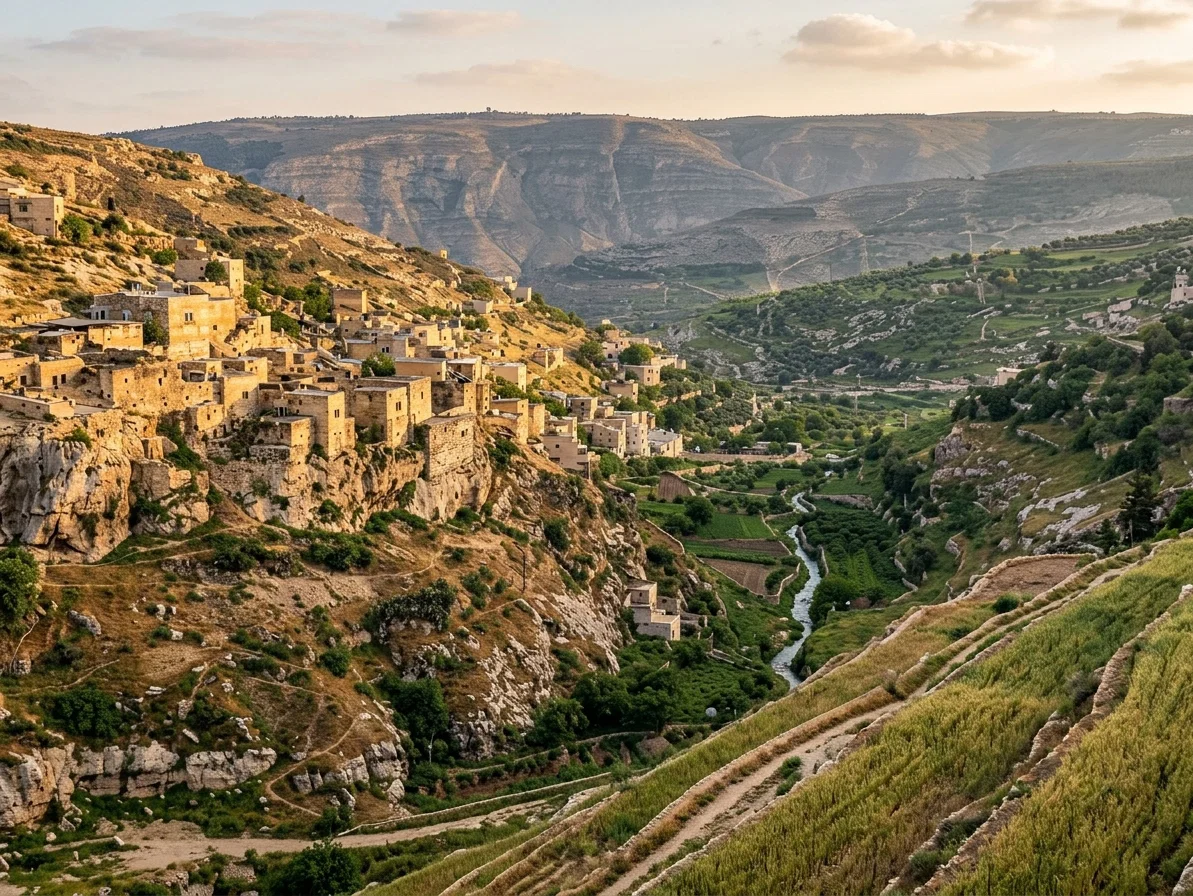
THE Pool of Siloam, or as it is sometimes rendered, Shiloah or Silwan, is southeast of Jerusalem near or within the Tyropœon Valley. A small stream issues from the fountain, and finds its way thru the king’s gardens, the ancient “royal paradise.” This is the “cool Siloam’s shady rill” of the poet, and “the waters of Shiloah that go softly” of Isa. 8:6. The waters still “go softly,” and they are blessing-laden. Vegetable gardens, olive-groves, plantations of figs and pomegranates, vineyards, and fields of waving grain, flourish in their track, making the vale a “little paradise,” “the greenest spot about the Holy City.” The farmers that cultivate this fertile land live in a near-by village that bears the same variously spelled name as the pool.
Village of Silwan.
Village of Silwan.
It was from the Pool of Siloam that a Levite brought water in a golden pitcher for the service of “the last day, that great day of the feast,” when the water that flowed from the rock in the wilderness was commemorated. And “it was to this Siloam water that the Lord pointed when He stood in the temple that day, and cried, ‘If any man thirst, let him come unto Me, and drink.’”
THE Pool of Siloam was the scene of an interesting and remarkable miracle,—the healing of a man who had been “blind from his birth.” It was not remarkable that Jesus gave this man sight. He “took our infirmities and bare our sicknesses;” for He came to destroy sin with all its effects, physical as well as moral. But it was the Sabbath when Jesus anointed the eyes of the blind man, and sent him to wash in the Pool of Siloam. And so in this miracle a double purpose of mercy was fulfilled. The blind eyes were opened, and a rebuke was administered to the Pharisees, whose superstitious exactions had made God’s holy day a burden, when He meant it to be, not only “the holy of the Lord, honorable,” but a “delight.” It could not be expected that the Pharisees would accept with patience this reproof of their traditions. The incident served to intensify their already bitter hatred of Jesus, and the persecution aroused by their malice was directed not only against Jesus, but any who should “confess that He was Christ.” This bitter persecuting spirit on the part of the Jews gave the man that had been blind an opportunity to show unusual faith and courage. He was brought before the haughty priests and rulers who composed the Sanhedrin; but this august council could not overawe him. “One thing I know,” he declared, “that, whereas I was blind, now I see.” He was equally certain that, “if this man were not of God, He could do nothing.” Firmly believing that he was on the side of God andtruth, he could defy the authority of the Sanhedrin and brave their sentence of excommunication.
CAREFUL examination has shown that the Pool of Siloam is connected with the fountain that, when the temple was standing, supplied water for its service. These waters and the country east and southeast of Jerusalem, are an object-lesson in a striking allegory given in Ezekiel 47. The waters of this mystic river “issued out from under the threshold of the house eastward.” Of this Thomson says:—
Tho the waters first appeared issuing from under the altar, yet we need not suppose that the fountain-head was there, but farther back, under the holy of holies, beneath the ark and mercy-seat, where abode the Shekinah of God’s presence, intimating that the true fountain-head of the river of life is in the heart of Infinite Love, but, on its way out and down to ruined man, it must pass under the altar of divine justice. There is therefore no other place in the universe whence these emblematic waters could flow forth so appropriately as from under the altar.—The Land and the Book.
“These waters issue out toward the east country, and go down into the desert, and go into the sea.” In other words, passing thru the Wilderness of Judea, the river empties its waters into the Dead Sea. Note the effects:—
“Being brought forth into the sea, the waters shall be healed. And it shall come to pass, that everything that liveth, which moveth, whithersoever the rivers shall come, shall live; and there shall be a very great multitude of fish; because these waters shall come thither. . . . And by the river upon the bank thereof, on this side and on that side, shall grow all trees for meat, whose leaf shall not fade, neither shall the fruit thereof be consumed; . . . because their waters they issue out of the sanctuary.” Eze. 47:8-12.
“Everything shall live whither the river cometh.” On its banks grow “all manner of trees for meat.” What a contrast to the present banks of the Kidron—a horrid wilderness, with nothing to relieve its frightful desolation. But where the river from under the sanctuary comes, the desert blossoms; the banks are shaded with trees and vocal with the music of birds. And more wonderful still,—the river “being brought forth into the sea, the waters thereof shall be healed.” Now, this Sea of Sodom is so intolerably bitter that altho the Jordan, the Arnon, and many other streams have been pouring into it their vast contributions of sweet water for thousands of years, it continues as nauseous and deadly as ever. Nothing lives in it; neither fish, nor reptile, nor even animalcule can abide its desperate malignity. But these waters from the sanctuary heal it. When they come thither, the shores are robed in green, and its bosom teems with all manner of fish.—Thomson, “The Land and the Book.”
WATER is used as a symbol of cleansing from sin. Eph. 5:26; Titus 3:5. Christ Himself makes it the symbol of the indwelling Spirit. John 7:38, 39. In Ezekiel there seems to be a direct reference to that “pure river of water of life, clear as crystal,” that proceeds “out of the throne of God and of the Lamb.” “On either side” of this “river was there the tree of life,” whose leaves were “for the healing of the nations.” Rev. 22:1, 2.
The river of Ezekiel’s vision is therefore the stream of God’s redemptive love and mercy. Sin has made the earth a desert as compared with its Eden state, and it has desolated the human heart; but both will be healed wherever “the river cometh.” “The desert shall rejoice and blossom as the rose.” “And the ransomed of the Lord shall return, and come to Zion with songs and everlasting joy upon their heads; they shall obtain joy and gladness, and sorrow and sighing shall flee away.” E. J. BURNHAM.