GOD REMEMBERED

9%

Pacific Press Publishing Company · Oakland, California · Feb 6, 1901

FromSigns of the Times, Vol. 27, No. 6.

Read the full edition

“GOD REMEMBERED.”

It is a fearful thing to forget God; for upon the heads of those who do so rests the responsibility for the sin and misery of the world. It would be a fearful thing if God should forget men; for their lives would fade as quickly as the summer dew at the breath of morn. In all the heart wanderings of Israel the arm of God was reaching out after them, the heart of the Infinite was yearning for them. God can not forget the creatures of His hand.
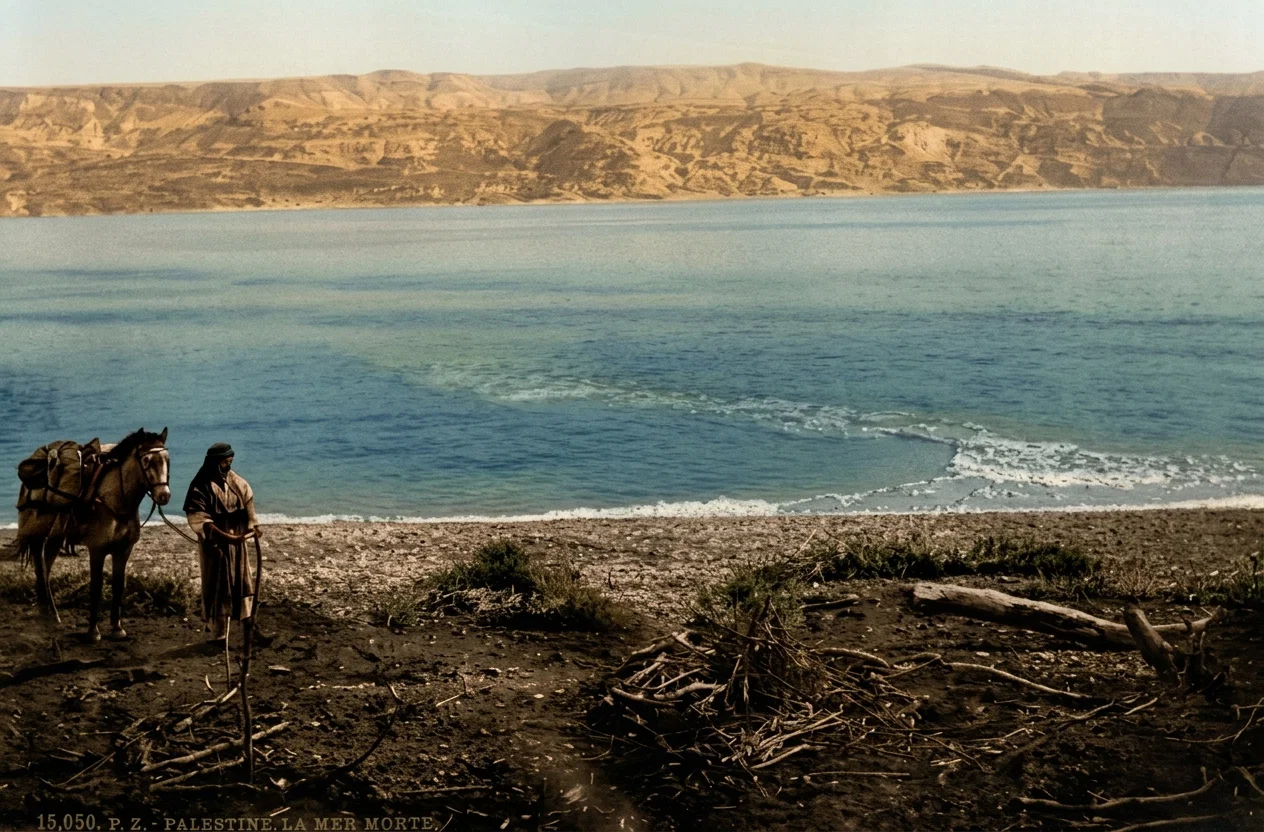
THE DEAD SEA.
THE DEAD SEA.
AGAIN and again God, like the pitying Father that He is, has been compelled to chastise man for man’s good, and the history of these chastenings is graven for all time upon the face of the earth. The thorn and the thistle are with us yet, sad reminders of sinless Eden. The flood has written the record of its ravages upon every portion of the globe and in the legends of all the children of the earth. The ruins of the great cities of old bear witness to God’s effectual denunciation of their wickedness; and the sulphur-steeped hills and vales of Sodom and Gomorrah are voicing perpetual evidence of God’s warnings against sin, and His purpose to sweep it from the earth.
HARDLY had the human race been fairly started in the world when “God saw that the wickedness of man was great in the earth, and that every imagination of the thoughts of his heart was only evil continually.” And the Lord declared to Noah, “Behold, I, even I, do bring a flood of waters upon the earth, to destroy all flesh, wherein is the breath of life, from under heaven; and everything that is in the earth shall die.” God had seen that “all flesh had corrupted his way upon the earth,” and that “the earth was filled with violence.” God would not make a complete end, for Noah had “found grace in the eyes of the Lord;” and thru him God patiently warned the world of the destruction which He would bring upon it. He would make an example of the sinful world which then was, that they who should live after might remember His displeasure with sin. That race, wholly given to sin, must perish, or failure be written over God’s purpose concerning the world.
THE flood came; and the waters of the great deep muffled for once the cry of sin, the revelings of vice, which the drunken earth had poured so long into the ear of Heaven. But there was one speck afloat upon that turbid tide which God could not forget; one speck upon that rolling sea of punishment more precious than all the world beside; one tossing speck upon a shoreless, storm-lashed deep, for whose safety heaven would have emptied itself. In that speck was bound up the perpetuation of God’s purpose in the earth. The Record tells us that “God remembered Noah,” and all that was with him in the ark. And because God did remember Noah, man is living on the earth to-day.
NOTWITHSTANDING the terrible example God had made of sin, we find that in the ninth generation from Noah sin was again rife in the land; Terah, the father of Abraham, was bowing to his idols, and Sodom and Gomorrah were filling up their cup of iniquity, and ripening for the sickle of destruction. The Record tells us, “The men of Sodomwere wicked and sinners before the Lord exceedingly;” that the cry of Sodom and Gomorrah was great, and their sin grievous. Gen. 18:20. They had forgotten God. In fact, so far had men wandered away from God that they “did not like to retain God in their knowledge.” They “changed the truth of God into a lie, and worshiped and served the creature more than the Creator.” They “changed the glory of the uncorruptible God into an image made like to corruptible man, and to birds, and fourfooted beasts, and creeping things.” So deep was their crime against all that was good and true and pure that the sins of Sodom and her sister have become a byword in the earth.
WHAT remained, then, for a just and righteous God but to make an end of this shameless festering spectacle crying to Heaven from one of earth’s most beautiful valleys? God must again lay upon man His chastening hand, that the race should not perish and His purpose fail. Not until man has identified himself with sin, does the order for his execution go forth; for “I have no pleasure in the death of him that dieth, saith the Lord God: wherefore turn yourselves, and live ye.” Eze. 18:32. God would have spared Sodom if ten righteous persons had been found within its gates; but the king of sin had full dominion there; and only Lot, a sojourner, the subject of another realm, was found in that city loyal to the will of God. Therefore, “the same day that Lot went out of Sodom it rained fire and brimstone from heaven, and destroyed them all.” Luke 17:29. The work of this destroying agent is seen to-day around the Dead Sea and along the valley of the Jordan. Here, where all had once been fertility, with luxuriant vegetation, so that Sodom had “fulness of bread and abundance of idleness,” and Lot could look with almost covetous eyes upon its grazing land (Gen. 13:10), now only barren ground and desolate wastes are seen. Where Sodom once stood, the soil is composed of sulphur, bitumen, and calcined sand. One explorer declares, “The whole appearance points to a shower of hot sulphur, and an eruption of bitumen upon it.” The “slime pits” of bitumen are still in existence, and the sand still emits the fumes of sulphur when thrown upon the fire. The same writer states that “if there be any physical evidence left of the catastrophe which destroyed Sodom and Gomorrah, we have it here.” The fire which licked up the earth where those cities had been, and which Abraham saw going up “as the smoke of a furnace,” has left its record for a warning to “those that after should live ungodly.” But in the midst of that terrible judgment “God remembered Abraham, and sent Lot out of the midst of the overthrow.” Gen. 19:29.
AND now the Dead Sea, with desolation camped around and the memory of wicked cities rising with its bitter breath, stands as another reminder of the eternal truth that God can not compromise with sin. Look upon its pictured waste, and remember that yet once again will God’s destroying agents sweep down upon the earth—not this time as an “ensample unto those that after should live ungodly;” for the very root and germ of sin shall perish in the burnings of that day. “For, behold, the day cometh, that shall burn as an oven; and all the proud, yea, and all that do wickedly, shall be stubble; and the day that cometh shall burn them up, saith the Lord of hosts, that it shall leave them neither root nor branch.” Mal. 4:1. That will be the final “day of vengeance of our God.” That will be “the day of judgment and perdition of ungodly men.”
WHO, then, shall be able to stand? God, who remembered Noah afloat upon the flood; who remembered Abram and Lot in the overthrow of the cities of sin, will not forget His faithful children when for the last time He stretches forth His hand in punishment of sin. The plagues will fall (Revelation 16), the pestilence walk in darkness, and destruction waste at noonday; but God’s promise to His children is, “It shall not come nigh thee.” “Only with thine eyes shalt thou behold and see the reward of the wicked.” “He shall cover thee with His feathers, and under His wings shalt thou trust.” Psalm 91. He will look upon the company of His followers and say, “Here are they that keep the commandments of God, and the faith of Jesus.” Rev. 14:12. In that day God will wrap this home of sin in a robe of fire; but to that righteous nation that follows Him will He give the garments of praise and the robe of righteousness. Forget not God, and He will remember you in the day when He shall make an end of sin. C. M. SNOW.