From the historical standpoint, the bay of Nicomedia is an interesting place. At its entrance from the Sea of Marmora and the Bosporus are several fine islands, where many of the better classes of Constantinople reside. From these islands the bay extends almost directly east, and is about forty miles long and from five to ten miles wide. The country on both sides is quite mountainous, and contains numerous villages, some Greek, some Armenian, some Turkish, and some Tscherkess. As a rule, these various nationalities rarely intermarry, and live each by themselves, so that, altho living in the same district for centuries, their nationality is kept distinct.
At the head of the bay, on the south side, was one of Constantine’s treasure-houses, and a few miles to the east is Sabandje, known as the village of the mother of Constantine. On the north side of the bay, at the head, on slopes rising at an angle of 45°, is Nicomedia, once the capital of the eastern division of the Roman Empire. Under Diocletian, Nicomedia soon reached great splendor, and in population was the fourth city of the world. It was in this city that in 303, at the instigation of Galerius and consent of Diocletian, the last and one of the most bitter persecutions of Christians by pagans broke out, and continued nearly ten years.
Fifteen centuries have left no traces of the former beauty of Nicomedia; a few sections of the old wall are still standing, and a hedge of scrubby shrubs and thorns marks the outline of the entire wall. The present city occupies less than half the space of the ancient city, and contains about ten thousand inhabitants, composed of Turks, Greeks, and Armenians.
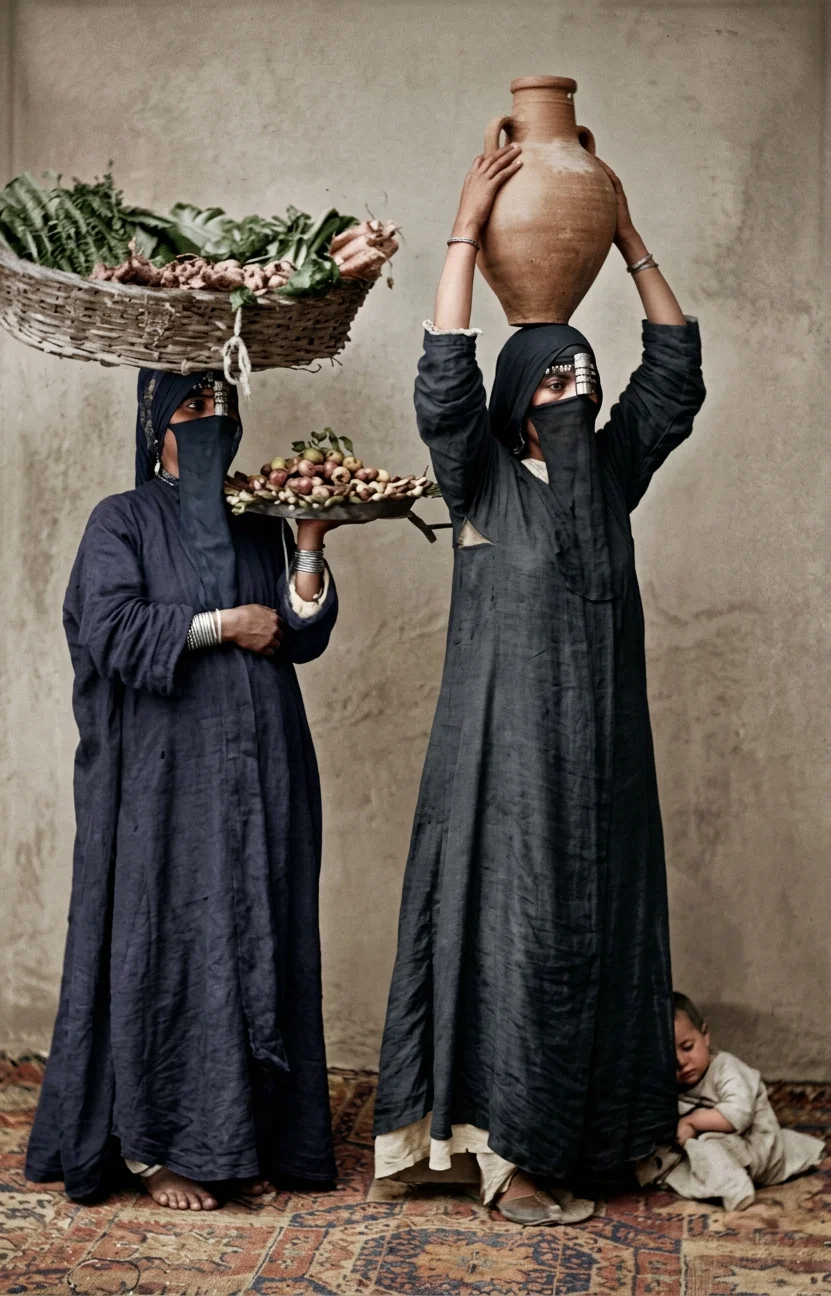
TYPICAL TURKISH WOMEN OF THE WORKING CLASS.
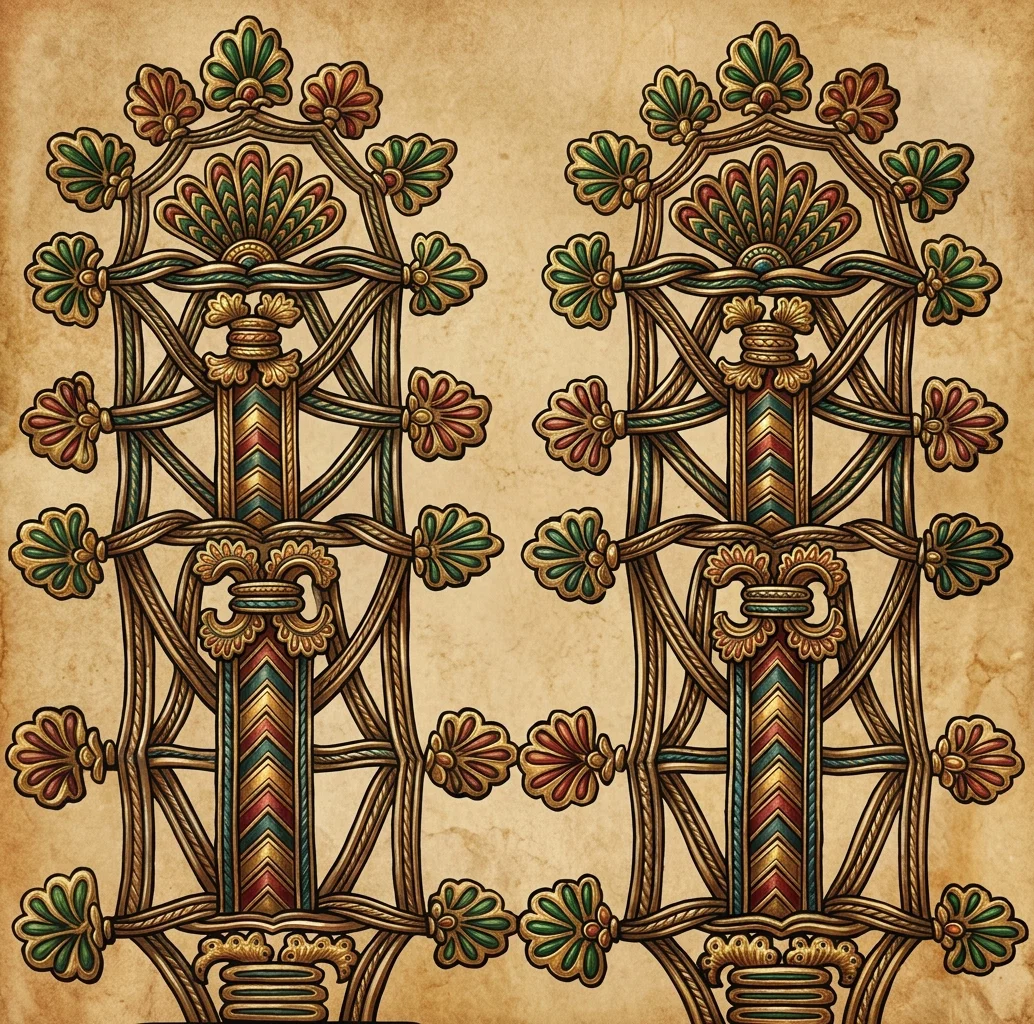
Asheres, or “Groves,” an image, probably set up in groves, to represent the goddess Astarte, the female divinity of sun-worship. Its worship “was simply licentiousness under the guise of religion.” —Schaff.
In traveling from village to village in these regions, we were surprised to find that each village has its “high place,” usually the most prominent point about the village, to which the people resort, to burn incense, to pay vows, and, in some cases, on saints’ days to feast. Some of these places are covered with trees; thus they answer to the “high places” and “groves” of the ancient heathen, which were so often a snare to Israel; and, together with the day of the sun, bear witness to the fact that heathen forms and customs still live in the Christian church.
But as in the days of Josiah, so now all heathen elements must be eliminated, all relics of sun-worship put down, and the true worship established. And in these villages, as the Word of God is held forth as the only standard, some accept it, and at once drop all else. The sign by which these are known is the Sabbath. And it has become generally known among unbelievers and nominal Christians that to accept the Sabbath means a marked reform. As soon as one decides in his own mind to keep the Sabbath, he ceases the use of wine and tobacco, as he understands that the Sabbath is a sign that God sanctifies.
The deep-seated dishonesty which reigned in these fields in Paul’s day, and which led a certain poet to exclaim, “The Cretians are always liars,” has not materially decreased. But it is generally understood that when one keeps the Sabbath, he is honest and can be trusted.
In some regions this fact has already become proverbial. While waiting for our horses in one village, Brother Baharian stepped into a store where he was unknown to make a purchase. While waiting his turn, the dealer was weighing out nails and the purchaser took the liberty to throw in a few extra nails to make heavy down weight. Upon this the dealer retorted, “If you were a Sabbath-keeper, you would not do that.”
In another village, so much given to wine that few old people are found, as nearly all die young, one of the worst drunkards embraced the truth. But his relatives were opposed and persecuted him so much that he turned back to his old ways, but he grew worse and became a terror to the village, and so unendurable to his relatives that they cried out, “Let the Sabbath-keepers have him if they will only reform him!” After much labor he was reclaimed, and today is still a faithful witness to the saving power of the truth.
In the province of Nicomedia, there are Sabbath-keepers in seven villages, including Nicomedia. In one of them, Bardizag, situated just across the bay from Nicomedia, is a high school of the American Board. As a result of this school’s work, quite a number in these regions know some English, and some of them are readers of the SIGNS OF THE TIMES.
At present, the truth is making encouraging advancement in this vicinity, and a number of young people are devoting themselves to the work; on account of political conditions, it is not easy for Armenians to move about, but the truth is not bound. Indeed, where there are so many obstacles and sin is so deep-rooted, the victories of the Gospel shine the brighter.