In his teachings Christ interpreted the spiritual character of the law, showing that to hate was to commit murder, to think impurely was to commit adultery, to covet was to be an idolater; and his life was so completely in harmony with the sacred precepts as interpreted by him, that he could challenge those who were constantly seeking something against him with the inquiry, “Which of you convinceth me of sin?” And he “who did no sin” wrought out this life of perfect righteousness, not for himself, but for us, that the image of God might be again revealed in our lives. The law was within the heart of Christ, and he came to do the will of God, in order that the same law might be written in our hearts, that we might be restored to the blessedness of doing God’s will, and that the form might become the reality in us. This is accomplished for each individual by his acceptance, through faith in the word of God, of the work of Christ for him. He thus opens the door of his heart to Christ, that Christ may become the very life of his life, that so he may be “saved by His life.” This is righteousness by faith. This is being “found7in him, not having mine own righteousness, which is of the law, but that which is through the faith of Christ, the righteousness which is of God by faith.”
Thus we see that the law first gives knowledge of sin. It sets up a perfect standard of righteousness, and so defines the righteousness required; but it can not confer that righteousness. It does not make one a sinner; it simply reveals the fact that he is a sinner. It can not give righteousness; it simply shows the need of righteousness. But God, who requires the righteousness of the law in our characters, has made provision that this righteousness shall be brought to us in Christ, who is the center of the Gospel. The standard of character which is defined by the law is represented to us in Christ, in the Gospel. So we read: “But now the righteousness of God without the law is manifested, being witnessed by the law and the prophets; even the righteousness of God which is by faith of Jesus Christ unto all and upon all them that believe; for there is no difference; for all have sinned, and come short of the glory [character] of God; being justified freely by his grace through the redemption that is in Christ Jesus; whom God hath set forth to be a propitiation through faith in his blood, to declare his righteousness for the remission of sins that are past, through the forbearance of God; to declare, I say, at this time his righteousness; that he might be just, and the justifier of him which believeth in Jesus.” By the law, sin is revealed; in the Gospel, righteousness is revealed. By the law, the disease is made known; in the Gospel of Christ, the cure is found. This is the first step in the relation between the law and the Gospel.
Form versus Life—Establishing the Law.
But after we have come to Christ and are “justified by faith without the deeds of the law,” after we have become “the children of God by faith in Christ Jesus,” having received him who is righteousness and the living law, what, then, is our relation to the law? This will perhaps best appear by considering the results of genuine faith in Christ. To believe on Christ is to receive Christ; not to assent to a creed, but to accept a life; not to strive for the maintenance of certain outward forms, but to become “partakers of the divine nature.” Creeds and forms can not save people from their sins. Terrible is the catalog of the sins of those “having a form of godliness, but denying the power thereof.”
A new life must be imparted before man can “live unto God.” “Except a man be born anew, he can not see the kingdom of God.” “For neither is circumcision anything, nor uncircumcision, but a new creature.” This experience depends upon the faith which each one exercises for himself, and “it is of faith, that it might be by grace.”
To all who sincerely pray the prayer, “Create in me a clean heart,” the reply comes, “Believe ye that I am able to do this? . . . According to your faith be it unto you.” “And this is the victory that overcometh the world, even our faith,” but faith for victory is the “faith which worketh by love.” “Do we then make void the law through faith? God forbid; yea, we establish the law.” “This is the victory which overcometh the world, even our faith”—Christ made present with all his glorious power—but this is the Christ in whose heart is the law of God, who said of himself, “I have kept my Father’s commandments,” who was and is the law of God in life, so that when the prayer is answered, “that Christ may dwell in your hearts by faith,” the law in Christ is “written not with ink, but with the Spirit of the living God; not in tables of stone, but in fleshly tables of the heart.” And thus do we establish the law.
“Where there is not only belief in God’s word, but a submission of the will to him, where the heart is yielded to him, the affections fixed upon him, there is faith,—faith that works by love and purifies the soul. Through this faith the heart is renewed in the image of God. And the heart that in its renewed state is not subject to the law of God, neither indeed can be, now delights in its holy precepts.” “God is love;” his law is an expression of his love; and Christ is that law of love expressed in life; so when we receive Christ into our hearts, then love, the fruit of the Spirit, is received into our hearts; and “when the principle of love is implanted in the heart, . . . the new covenant promise is fulfilled. ‘I will put my laws into their mind, and write them in their hearts;’” for “love is the fulfilling of the law.” And thus do “we establish the law” by faith.
A Divine Witness.
But after the law is thus by faith established in the heart by abiding in Christ, and having him, who is the living law, abide in us, then the fruit of such a union with Christ will appear in the life. “He that abideth in me, and I in him, the same bringeth forth much fruit,” and thus are we “filled with the fruits of righteousness.” And now the law, which revealed sin, but could not confer righteousness, witnesses to the character of the righteousness which we have received through faith in Christ. “But now the righteousness of God without the law is manifested, being witnessed by the law and the prophets.” The law reveals sin by defining righteousness, by showing us the character of God. The Gospel reveals righteousness. “Therein is the righteousness of God revealed.” We receive this righteousness as the free gift of God, in receiving Jesus Christ. The law can not give us what we need. It urges us to Christ, where we receive what it demands but can not bestow. Then we return to the same law, and it bears witness to the fact that the righteousness we have received in Jesus Christ is the very righteousness which it demands but can not impart. This was God’s plan for those who would believe in Christ. “God offered them in his Son the perfect righteousness of the law. If they would open their hearts fully to receive Christ, then the very life of God, his love, would dwell in them, transforming them into his own image; and thus through God’s free gift they would possess the righteousness which the law requires.”
What Did Christ Abolish?
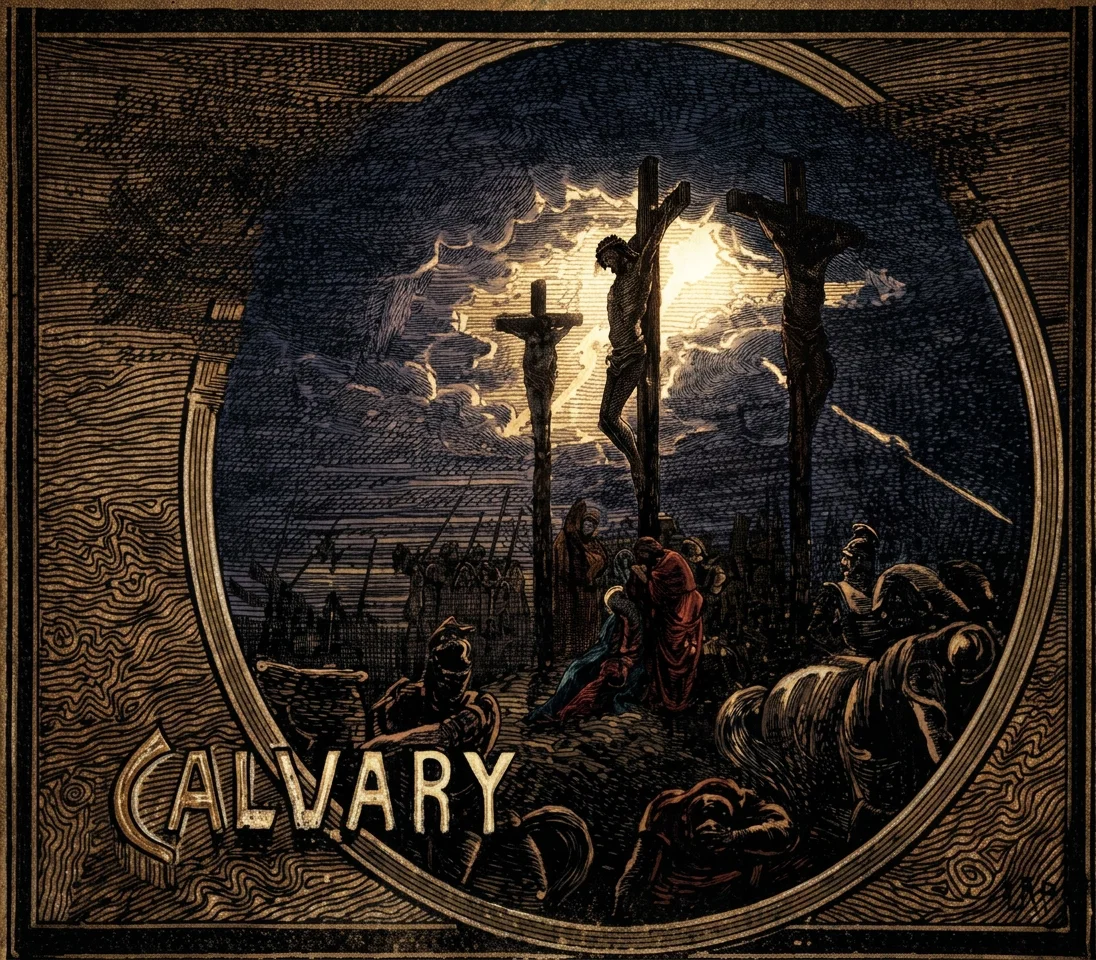
The words “abolish,” “take away,” “destroy,” and “change,” have been so persistently connected with the law by some public teachers, that there exists in the minds of many people the honest conviction that all which is expressed by these words was done to the law by Christ. It is true that he came to “abolish” something, and to “take away” something, and to “destroy” something, and to “change” something; but it is important that we should know just what it was that he abolished, and what it was that he took away, and what it was that he destroyed, and what it was that he intended to change by his work in behalf of man. This we can easily learn from the Scripture. It is said of our Saviour, Jesus Christ, that he “hath abolished death, and brought life and immortality to light through the Gospel.” Death is the result of sin. “Sin, when it is finished, bringeth forth death.” But “sin is the transgression of the law.” Christ came to abolish that which is the result of being out of harmony with the law, and he440did it, not by abolishing the law, but by bringing us into harmony with the law.
We read that Christ “was manifested to take away our sins.” He is the sin bearer, “who his own self carried up our sins in his body to the tree, that we, having died unto sins, might live unto righteousness.” Sin is lawlessness, and Christ was manifested to take away, not the law, but lawlessness.
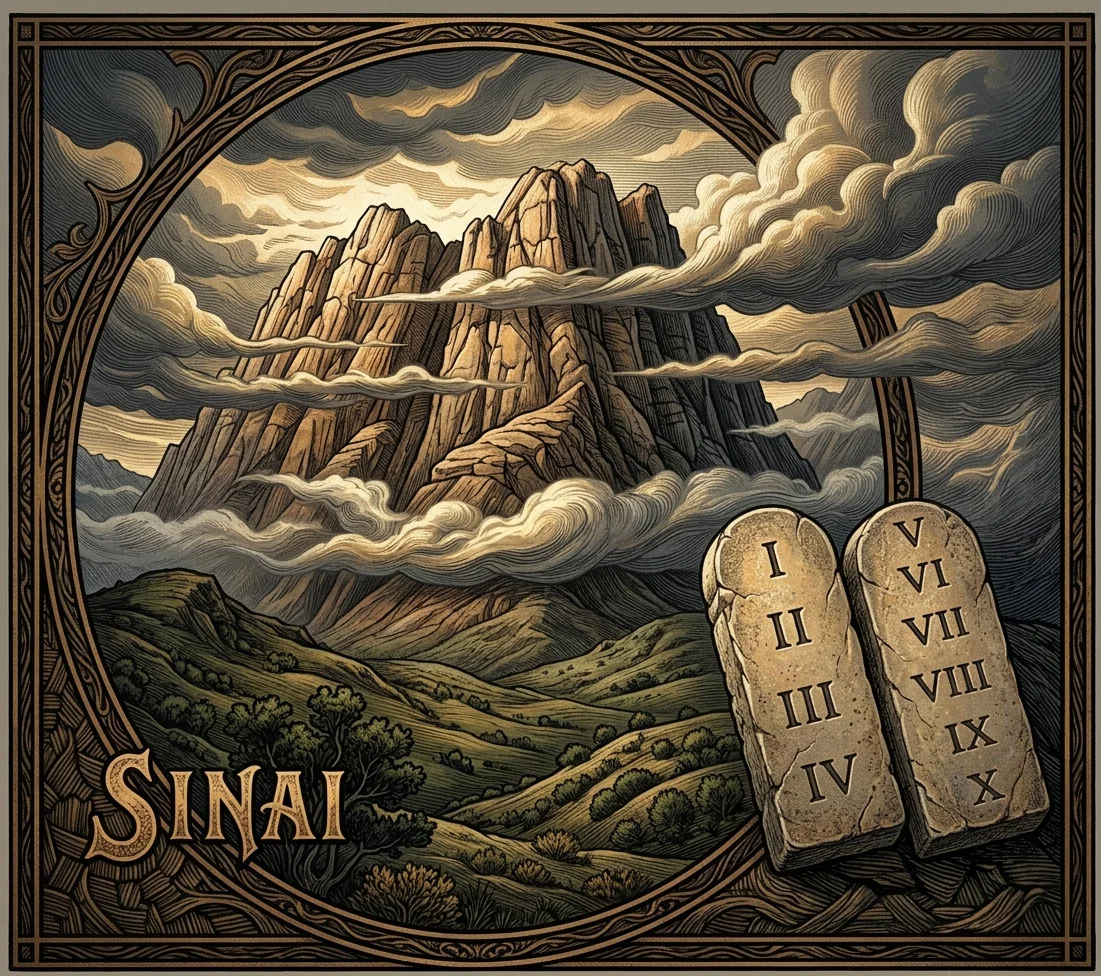
The attitude of Christ toward the law is set forth in the prophecy which says, “He will magnify the law, and make it honorable.” In his sermon on the mount, which is itself but the interpretation of the principles contained in the words spoken from Mount Sinai, Christ said, “Think not that I am come to destroy the law, or the prophets; I am not come to destroy, but to fulfil.” He “came to explain the relation of the law of God to man, and to illustrate its precepts by his own example of obedience.” But we are taught that “for this purpose the Son of God was manifested, that he might destroy the works of the devil.” The works of the devil are those which are contrary to God’s law. “The devil sinneth from the beginning,” and in every case “sin is the transgression of the law.” Furthermore, Christ came to destroy the devil himself. Satan had introduced into this world rebellion against God and his law, and Christ’s mission and work were to put an end to that rebellion and the instigator of it. In order to do that, he took our flesh, “that through death he might destroy him that had the power of death, that is, the devil.”
What Did Christ Change?
It is a blessed thing to know what a change was wrought by Christ in giving himself for man. There was certainly need that a change should be made. Men were far from righteousness, “being alienated from the life of God through the ignorance that is in them,” “having no hope, and without God in the world.” “But God, who is rich in mercy, . . . hath quickened us together with Christ, . . . and hath raised us up together, and made us sit together in heavenly places in Christ Jesus.” And thus “we all . . . are changed into the same image from glory to glory.” But more even than a change of character has been provided for us, for “we look for the Saviour, the Lord Jesus Christ; who shall change our vile body, that it may be fashioned like unto his glorious body.” “We shall not all sleep, but we shall all be changed, in a moment, in the twinkling of an eye, at the last trump.” Glorious change! A renewed character and a renewed body! This is the fulness of the salvation provided for us in Jesus Christ.
It thus becomes evident from the teaching of the Scriptures that Christ came to abolish, not the law, but death; to take away, not the law, but our sins; to destroy, not the law, but the devil and his works; to change, not the law, but us. He did all this “by the sacrifice of himself.” If the law could have been changed or abolished, Christ need not have died.
In different ways God teaches that sin is transient, while the law is eternal. While Jesus was teaching on one occasion, “the scribes and Pharisees brought unto him a woman taken in adultery,” and asked what should be done in such a case, not because they desired to be instructed, but “tempting him, that they might have to accuse him.” After her accusers had made their charge, “Jesus stooped down, and with his finger wrote on the ground.” “Although doing this without apparent design, Jesus was tracing on the ground, in legible characters, the particular sins of which the woman’s accusers were guilty.” Thus Jesus wrote the record of sins in the sand. How easily could this record be obliterated! A gust of wind or a dash of water, and it is gone! But God wrote his law with his finger upon tables of stone,—an unchangeable and imperishable record of his own character. This same law he writes in the heart of the believer, there to remain to all eternity; for “he that doeth the will of God abideth forever.” Sin, and death, the result of sin, may be taken away; for “the blood of Jesus Christ his Son cleanseth us from all sin,” and “death is swallowed up in victory;” but “all thy commandments are righteousness,” and “thy righteousness is an everlasting righteousness.” “Hearken unto me, ye that know righteousness, the people in whose heart is my law;” “my salvation shall be forever, and my righteousness shall not be abolished.” “Jesus Christ is the same yesterday and to-day, yea and forever.”
The very charge made against God by Satan was that his plan of government was defective, and his law imperfect; and the whole controversy between Christ and Satan has been waged over this point: Shall God’s rule be acknowledged and his law respected in this world, or shall the rebellion succeed and the kingdom of Satan be established here? Is it not clear, therefore, that every one who to-day takes the position that God’s law has been changed or abolished is really putting himself on the side of the “god of this world” and in opposition to “the God and Father of our Lord Jesus Christ”? But God will show to the satisfaction of the universe, even in the very face of Satan’s work, that his law is perfect, and his government just. “Who shall not fear thee, O Lord, and glorify thy name? for thou only art holy; for all nations shall come and worship before thee; for thy judgments are made manifest.”