LOVING OUR NEIGHBOR

3%

Pacific Press Publishing Company · OAKLAND, CALIFORNIA · Jun 7, 1899

FromSigns of the Times, Vol. 25, No. 23.

Read the full edition

LOVING OUR NEIGHBOR.

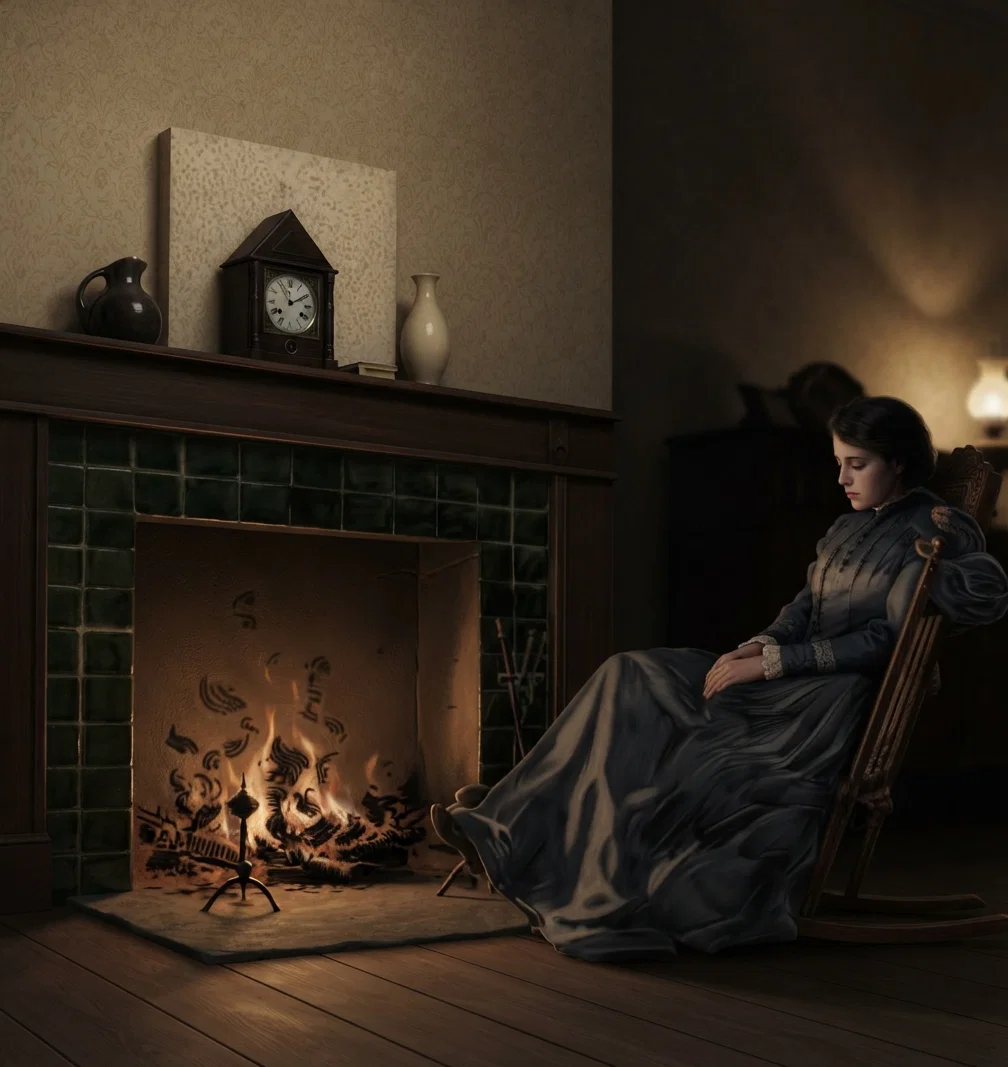
DOROTHY DEEN sat before the old-fashioned fireplace, lost in deep thought. The clock on the mantle chimed eleven, and still she sat gazing absently at the smoldering embers. How quiet the old house seemed, —not a sound save the monotonous tick of the clock and the moan of the wind in the treetops without. Suddenly Dorothy arose and walked rapidly toward the piano, which stood in one corner of the room. She ran her fingers over the keys, and strains of sweet, sad music filled the room; but the loneliness seemed too intense even for music, and she buried her face in her hands and began to sob.
Poor Dorothy! life seemed dark to her just then. She remembered how, two years before, her dear mama had told her husband and children that soon she would leave them, and, telling them to meet her when the earth should be made new, had gone peacefully to sleep. She remembered the sweet face the last time she had looked upon it, beneath the coffin lid. But she and her sister Dealia, altho they missed their mother's loving voice and soothing presence, had soon learned to manage the household duties, and then what good times they had together! How tenderly each cared for the wants of the other, and tried to make home happy for the sorrowing father! and as time went on they grew still dearer to each other, until the strong bands bound them together in perfect love. Then, Dealia, her darling sister, began to fade,—slowly, but O, so surely!—and she too was laid to rest.
Six long, lonely weeks had passed since then, and the father had stayed down town so long of late, and then returned with the odor of liquor upon his breath. All of these things came before Dorothy so forcibly to-night, and then she remembered what Dealia had said just before she closed her eyes in death, "Dorothy, little sister, God knows what is best; be brave, dear, 'twill not be for long;" and, with a whispered "good-by" for father and sister, she passed away.
The old clock on the mantle chimed twelve, still Mr. Deen did not return to his waiting child. It seemed to Dorothy that she could bear the awful silence no longer. She took her Bible and opened it. The first verse she saw was this, "Lo, I am with you alway."
A soft, sweet voice seemed to have spoken the words to her, and with thanksgiving she lifted her heart in prayer. Soon she heard the sound of footsteps, and then her father's voice saying:—
"Why, Dorothy! you up yet?"
"Yes, father; I could not sleep while you were away."
"Well, well," said her father, not unkindly, "I do not think it is best for you to be up so late."
Dorothy Deen sat before the old-fashioned fireplace, lost in deep thought,
Dorothy rose early the next morning and looked out of her window upon a world of snowy whiteness. "How pure!" thought she. "O that my life might be as pure and spotless as is the scene before me!" She turned from the window, took her Bible, and read, "Thou shalt love thy neighbor as thyself." How many times Dorothy had read this verse, and yet as she read it now it seemed almost as if she had never heard it before. "Thou shalt love thy neighbor as thyself." "Have I been doing this?" mused Dorothy, "No; there is Grandma Finly, to whom Dealia used to read a chapter each week; because grandma's eyes are no longer bright, and she loves the Word so much. How lonesome she must have been all of these weeks, and how much she must have longed for some one to read to her.
Then there's little crippled Grace, that Dealia used to sing to and cheer her dreary life; and O, so many more that I might have visited, and so helped to fill Dealia's place, and served my Master better by so doing. Then there's papa,—have I done all I could for him? Have I not been selfish in my sorrow, and failed to remember that mama and Dealia were his as well as mine,—and thought him unsympathetic when his heart was filled with grief? How selfish I have been! God being my helper, I mean to follow Christ's command."
Then, asking the Lord for His help and guidance, she hurried down-stairs. Her father was just coming to the stairway to call her. She met him with a smile and cheery "good-morning," and noticed with a pang of remorse the look of surprise and gladness which stole into his eyes. Dorothy chatted as merrily as possible during the breakfast hour, and was amply repaid when her father stooped and kissed her, and said, "Good-by, Dorothy dear, be a good girl."
Ruth Wiley rushed into the sitting-room,where her mother sat making aprons for Esther's school wear.
"Mr. Deen is the meanest man I ever saw!"
Mrs. Wiley glanced up from her work and said, "Softly, Ruth, softly."
"Well, I don't care," said Ruth. "There Dorothy has had so much sorrow of late, and Ed. Turner said that he went to the saloon at twelve o'clock last night, to look for old Mr. Addison, and Mr. Deen was there playing cards."
"Did you say Dorothy told you this?" asked Mrs. Wiley.
"O no!" said Ruth, "She always tries to make you believe that her father is the best man that ever lived."
"Then, dear, do you think that if you loved your neighbor as yourself, you would wound Dorothy's feelings by repeating these things you have just heard concerning her father?"
The thought was new to Ruth, and she did not answer immediately
"Suppose," her mother continued, "that it was your father, Ruth; would you like Dorothy to tell that he was there at that time of night, playing cards?"
"Well, but my father would not do such a thing," said Ruth, proudly.
"Ah, my child," replied her mother, "we do not know what papa might do under the same circumstances. Mr. Deen has always had a good name, and if the same sorrow were sent upon papa, and his trust was not stayed on God, he might fall in the same way. Another thing, dear; when we repeat anything of that sort about our neighbors, we do it with a spirit of 'I am better than thou,' and you know that our great Example once said, 'Why callest thou Me good? there is none good but One.' And if He said that, should we not be very careful what we say or repeat about others? Of course I do not think, Ruth, that you would repeat these things outside of the family, but I do not think it best to repeat them even here; because if each one that heard it would do this, then a good many families would hear it, and soon, in some way, the news would be carried among all of their acquaintances, and would be pretty well known by that time. I think, Ruth, you had better go over and see Dorothy, and see if you can not cheer her some."
"I shall, mama," said Ruth. "I had never thought of what you have said, and I shall try not to repeat ill of others any more."
"That is right, daughter."
Ruth ran up-stairs to her room. "I am thankful I have a mother," she said, addressing a vase of roses which stood on the window-sill; "because," she continued, "she teaches me more good lessons than any preacher could, I'm sure."
When Mr. Deen came home to dinner that day, Dorothy told him of all the pleasant things that had happened during the morning. "This afternoon, papa, I think I shall go to see Grandma Finly, and some other people, too," she said, as her father was leaving for his work.
"Very well," replied her father. "I think it will do you good to get away from home a while."
AVA ELTHYN BARNES.
(Concluded next week.)