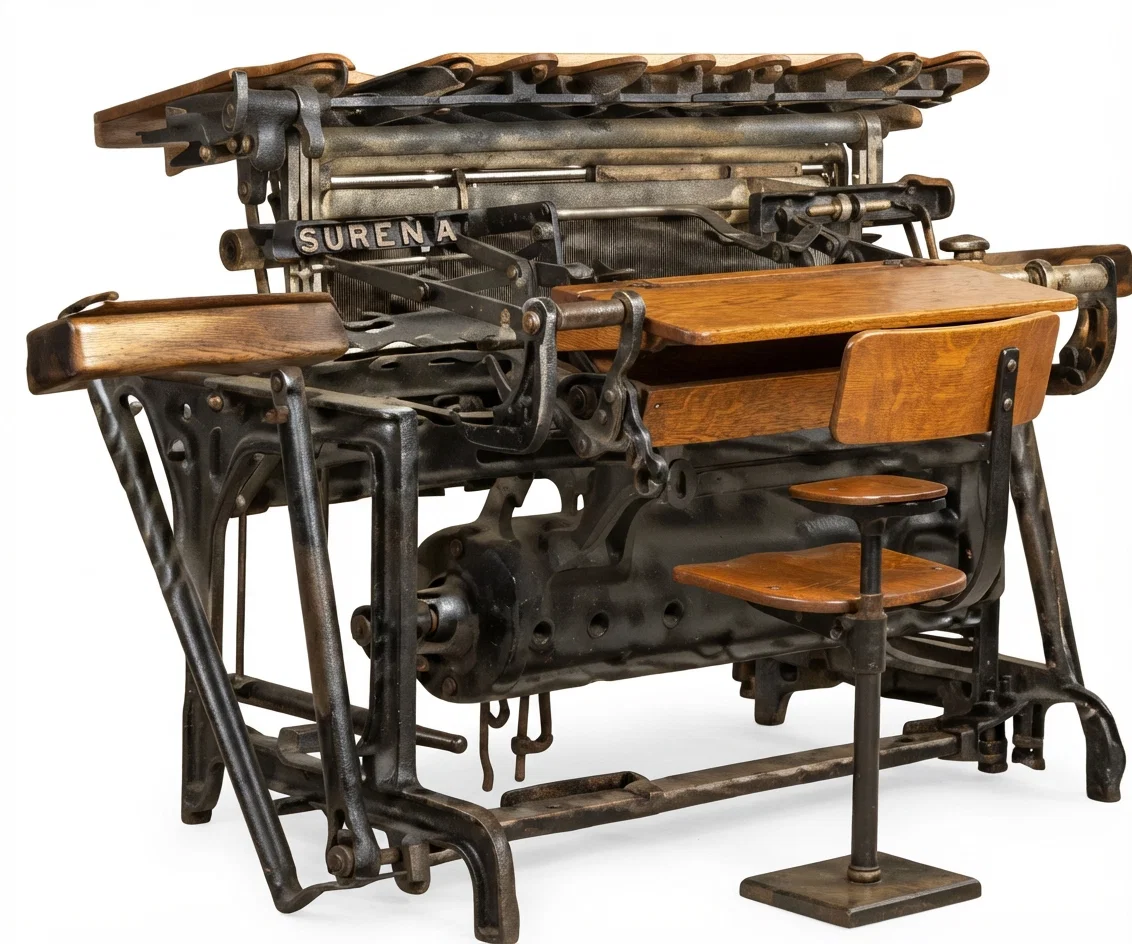
A CORRECT attitude in sitting requires proper height and width of seat, a desk or a table of the proper height, when desk work is required, and care upon the part of the pupil to sit upon his seat in a proper position. The height of the seat should be such that the feet may rest squarely upon the floor without undue pressure upon the large nerves and blood-vessels at the bend of the knee. A high seat not only produces undue pressure upon the nerves and vessels, thus causing cold feet, numbness, and other unpleasant symptoms, and possibly also a deficient development of the legs, but has the effect to drag the trunk forward, thus creating a tendency to relaxation of the muscles of the trunk and posterior curvature.
The seat should be of such width that the hips can touch the back of the seat while the soles of the feet are still resting squarely upon the floor.
The relation of the person to the seat should be such that while the hips and shoulders touch the back of the seat (the back of the chair should be of sufficient height to reach the shoulders), the center of the back remains free from the seat, owing to its concavity. The center of the back can not touch the back of the seat without relaxation of the muscles and resulting flatness of the chest and waist, unless, of course, the seat back has a forward curvature. —J. H. Kellogg, M.D., in Good Health.