The Chinese Revolution

3%

Pacific Press Publishing Association · Mountain View, California · Dec 19, 1911

FromSigns of the Times, Vol. 38, No. 50.

Read the full edition
GUAN YU
GUAN YU

The Chinese Revolution

By Our Own Correspondent
LITTLE did we think a week ago that to-day we would be writing this article under the protection of the rebel government, that rebel soldiers would be pacing the streets in front of our house, and all the shops would be emblazoned with the red and white flags, emblems of the new China, the "PEOPLE'S KINGDOM," as it is now called. Yet such is the case; and during the last few days, momentous events have followed one another in such rapid succession that it is practically impossible to realize to the full extent the meaning and significance of all of them.
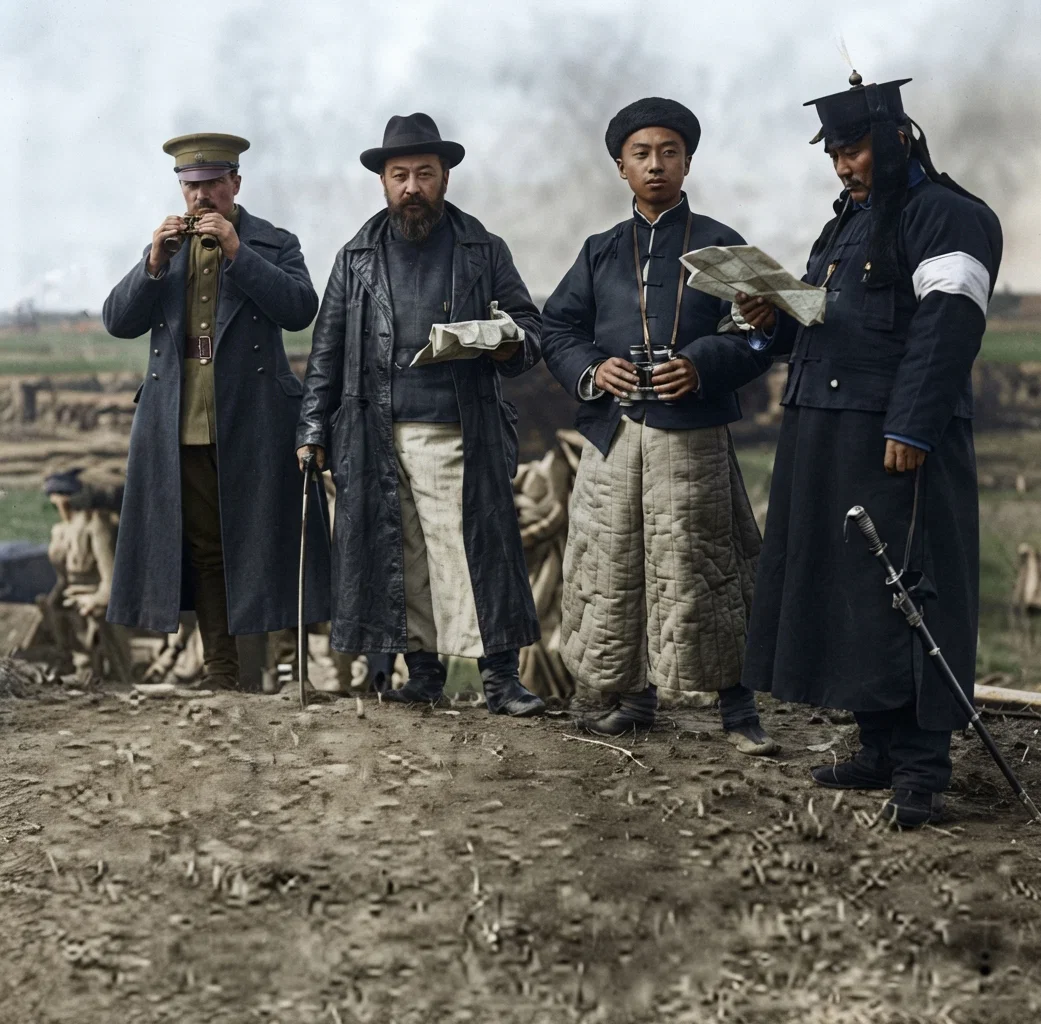
General Li, the rebel commander, and his staff on the battle-field at Hankow, directing operations. Note the white band on his sleeve - the revolutionary mark.
The attack on Shanghai was systematically planned and well carried out, and to-day the rebel flag flies from every gate of the native city, and the Chapei constabulary, the Kiangnan dock and arsenal, the Shanghai-Nanking railway station, and the Woosung fort are all in their hands, while soldiers with loaded guns and the customary rebel mark, the white band on the arm, are guarding all the principal street corners.
From the proclamation issued by the "Republic of the Han" the following is selected:
Our aim is not anti-foreign nor even anti-Manchu, and not more than to turn out a tyrannical, cruel, insane, and unconscious Manchu Dynasty, whose reign has been a source of great suffering to the people.
You have our solemn assurances that as far as we can control, every single foreigner will receive our best protection, we will respect all treaties entered into before the proclamation of the republic, undertake payment of indemnities and loans and all
lawful obligations, and any damage done will be sufficiently and reasonably remunerated.
We aim at a reconstruction of the government, to lead China into a strong power, which is the key-note of the world's peace. Under the new régime foreigners will no longer be limited to treaty ports to carry on business operations.
The identical program seems to be carried out in every place. Some "unknown" person suddenly fires the yamen; the revolutionary leaders promptly take steps to extinguish the fire as soon as they see that the yamen is in ruins, and thus take credit to themselves for protecting property from damage, and urge the incident as confirmation of their promise that they come not to destroy but to build up. Incidentally, however, the burning of the yamen serves, in the very characteristic Chinese fashion, to emphasize their contempt for the powers that be by destroying the place from whose portals that power was exercised.
Through the courtesy of a Chinese friend, I was permitted to-day to visit the headquarters of Li Ping Shu, the Shanghai rebel leader, at his place in the native city. I was treated very courteously, and while not permitted to enter the private office, we were escorted around the grounds by a guard.
Soldiers were drilling on one side, and on the other side were several hundred raw recruits waiting to be enlisted. Messengers were running here and there with an air of expectancy and tensity which impressed one with the idea of a determination to do or die. Directly in the center of the compound were three large pools of blood, where only a short time before three men had been beheaded. There is no trifling with the new government. They govern at present by military force, and while not favoring bloodshed, yet they do not hesitate to execute summarily all offenders.
Eclipsing all these things in interest is the proclamation from the emperor to the people on October 30, which grants a constitution at once, the resignation of the whole imperial cabinet, and the appointment of Yuan Shi Kai to be prime minister.
The yielding to the assembly in the matter of cashiering Sheng King Pao opened the way for further demands upon the throne, but no one was prepared to hear of such demands as were immediately presented, and much less prepared to hear that they had been granted.
The demand for a constitution came from the officers and troops stationed at Lwangchow, in Chili Province, who drew up a circular addressed to the government, demanding many important reforms, and threatened to march on Peking 25,000 strong if their demands were not granted.
It has been suggested that Yuan Shi Kai is back of all these movements, and that now that he is in power once more, he is playing a deep game with the government. Whoever is playing the game is certainly playing to win; because the next day all the extraordinary demands were granted with one exception, and in addition to that the emperor makes the most humbling proclamation that has ever been recorded in Chinese history. Some of the most striking features of the proclamation are the following:
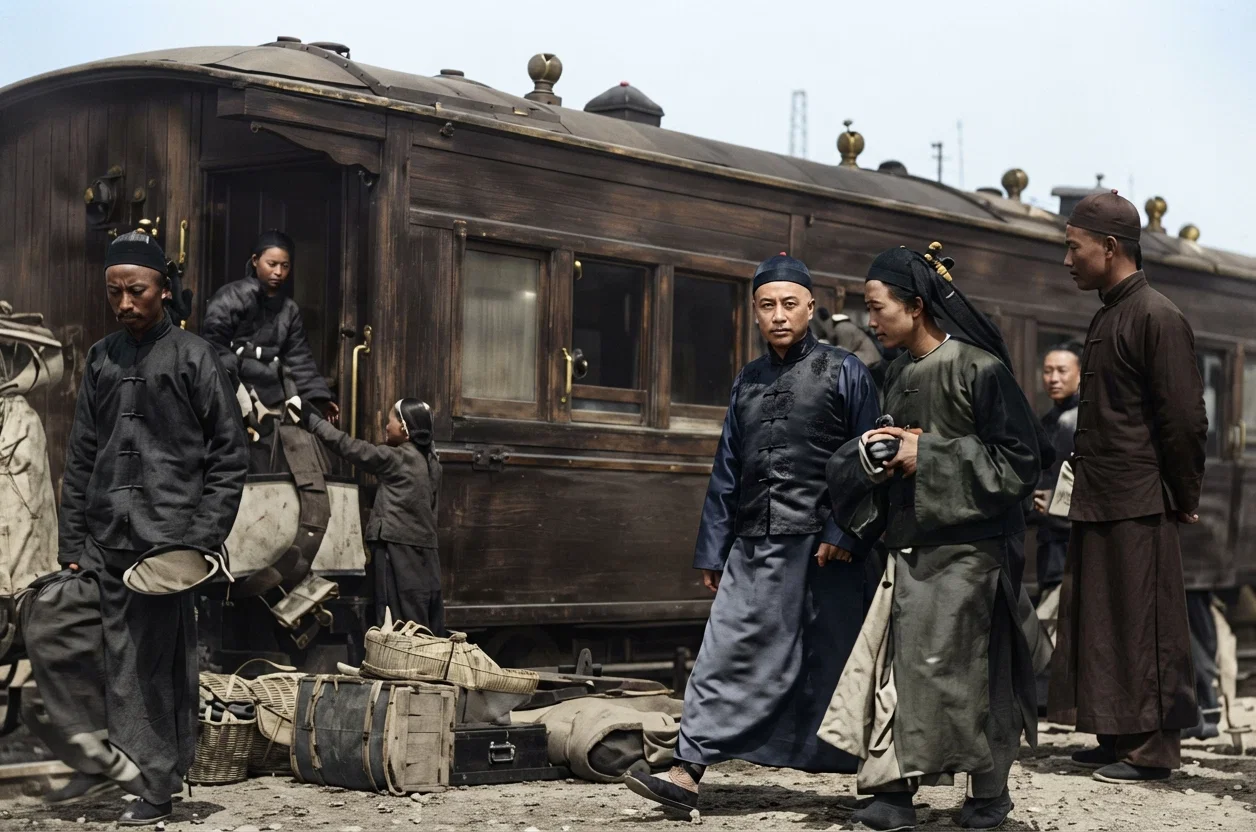
Prominent Chinese official of Soochow, the capital of Kiang-su Province, about to board a train for Shanghai
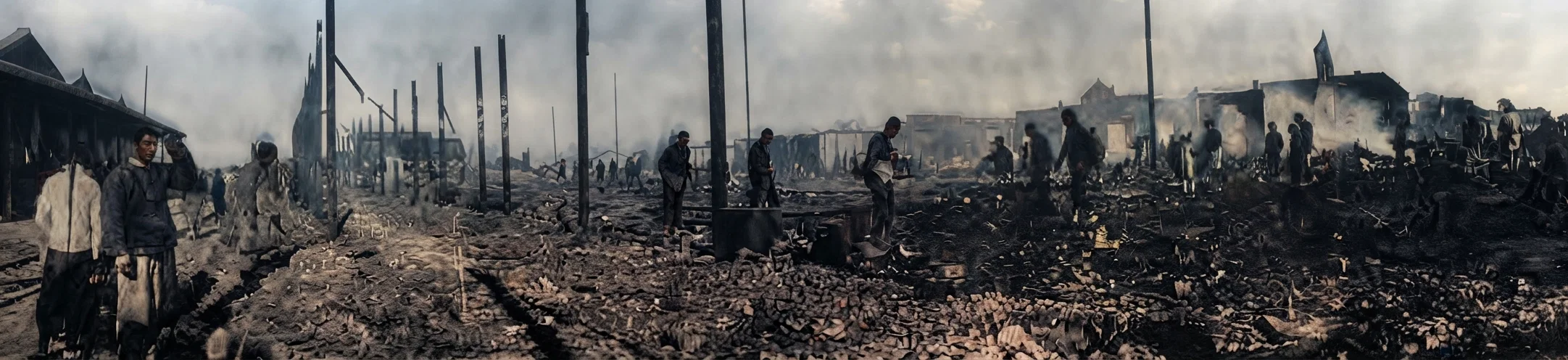
Back of the foreign concessions in Hankow, fired by the imperialists — blocks and blocks of ruins
I have reigned for three years, and have always acted conscientiously in the interests of the people. But I have not employed men properly, not having political skill. I have employed too many nobles in political positions, an act which has contravened constitutionalism.
When I urge reform, officials and gentry seize the opportunity to embezzle. When old laws are abolished, high officials serve their own ends. Much of the people's money has been taken, but nothing to benefit the people has been achieved. On several occasions edicts have promulgated laws, but none have been obeyed. The people are grumbling, yet I do not know of it. Disasters loom ahead, but I do not see them.
The whole empire is seething, the minds of the people are perturbed, and the spirits of our nine late emperors are not able properly to enjoy the sacrifices made to them, while it is feared that the people will suffer grievously.
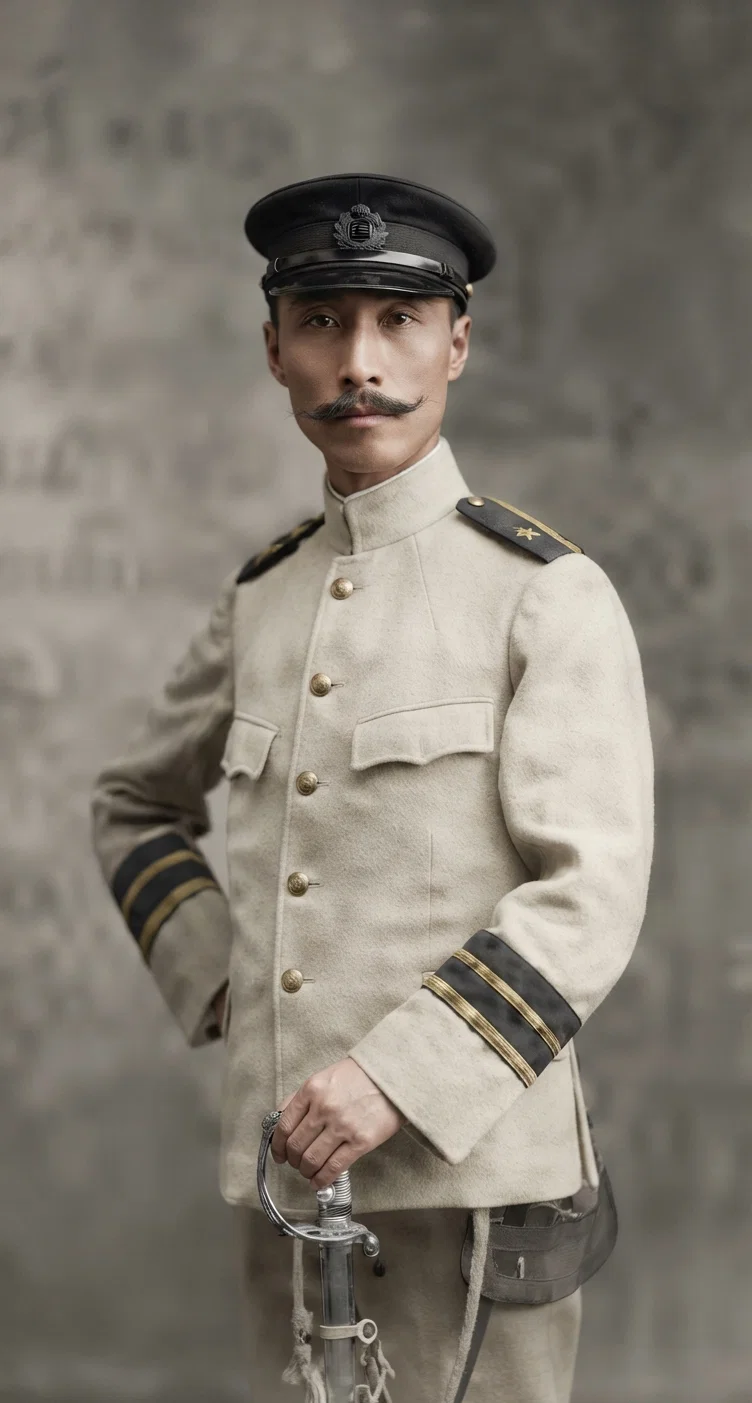
Yin Chang, minister of War, as commander-in-chief of government troops
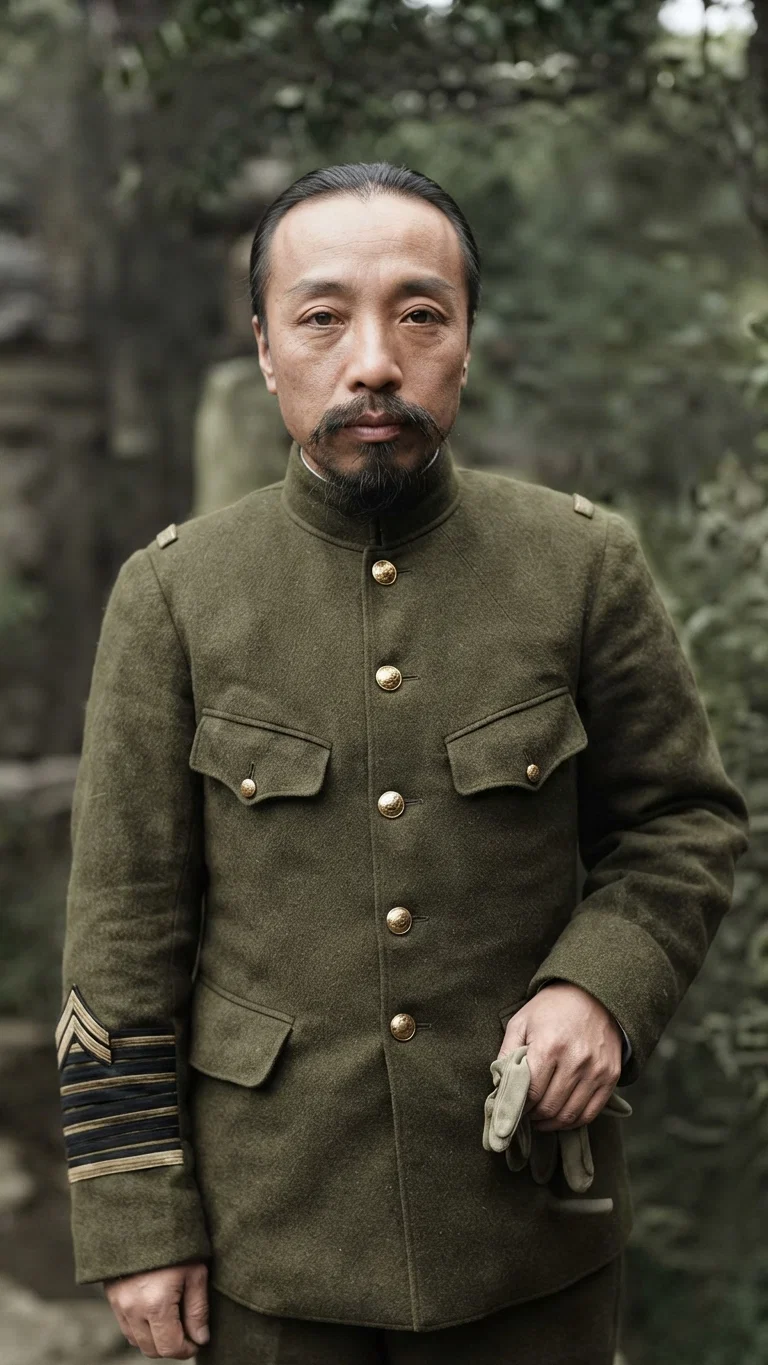
Jui Chung, the viceroy of Wuchang, who fled to Japan. Both sides have a price upon his head.
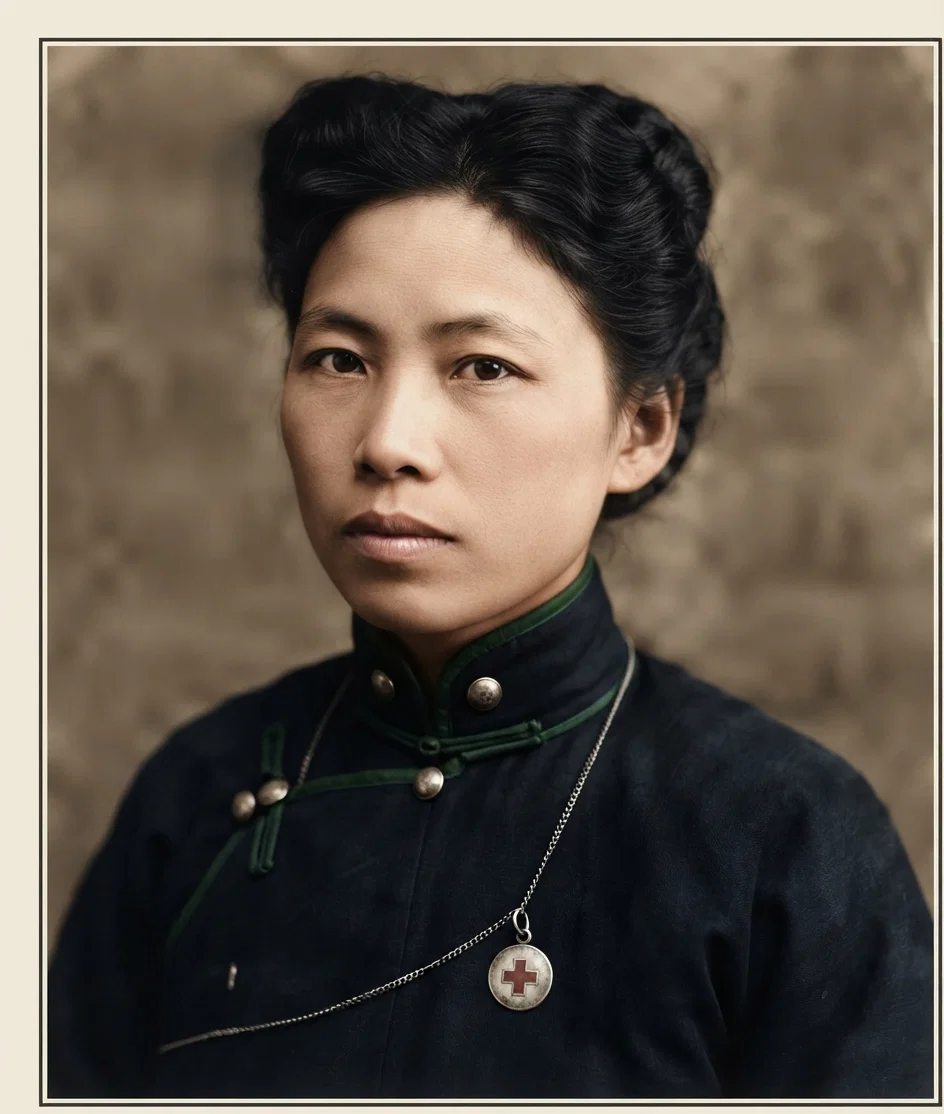
Dr. Chang Chu Chun, head of Red Cross volunteers in Shanghai
All these things are my own fault. Hereby I announce to the world that I swear to reform, and with our soldiers and people to carry out the constitution faithfully, modifying legislation, developing the interests of the people, and abolishing their hardships, all in accordance with the wishes and interests of the people.
Being a very small person standing at the head of my subjects, I see that my heritage is nearly falling to the ground.
Now finances and diplomacy have reached bedrock. Even if all unite, there is still fear of falling. But if the empire's subjects will not regard nor honor the State, and are easily misled by outlaws, then the future of China is unthinkable. I am most anxious by day and night. I only hope my subjects will thoroly understand.
Immediately following this move, comes the resignation of the whole imperial cabinet, and the appointment of Yuan Shi Kai as the premier, with power to select his own cabinet.
Will these wholesale concessions satisfy the people? A month ago they would have more than satisfied them. Now very likely it is too late. Nothing will satisfy the people now but the downfall of the Manchu Dynasty and the establishment of the new Chinese republic, the kingdom by the people for the people. F. E. STAFFORD.