DECEMBER 5, 1911, at just 4:30 P.M., on schedule time, arrived the first train over the Nefasit-Asmara Railway. It meant an end of many previous hardships endured in travel, as well as saving of time and means.
This railway has been many years in process of construction, and reflects much credit to the Italian government. Its starting-point is Massawah, the seaport, said to be one of the three hottest places of earth. Here a continuous sweat bath is forced upon every traveler, free of charge. The road passes through Ghinda, Nefasit, and finally reaches its terminus at Asmara, the capital, which is 7,000 feet above sea-level and 120 kilometers inland. A little to the southeast of Nefasit lies the "Bizen Mountain," famed for its large Abyssinian monastery. Several hundred monks spend here a solitary life. The mountain is considered holy by Abyssinians, having several restrictions, among them that no female, human or beast, is allowed about its base or to ascend its steep precipice. Railway extension is also in process through more favorable and level country to Keren, another ninety-five kilometers inland.
Thus even in Africa we see these various inventions and aids for travel, and they will do their part in speeding on the everlasting Gospel as "a witness unto all nations; and then shall the end come."
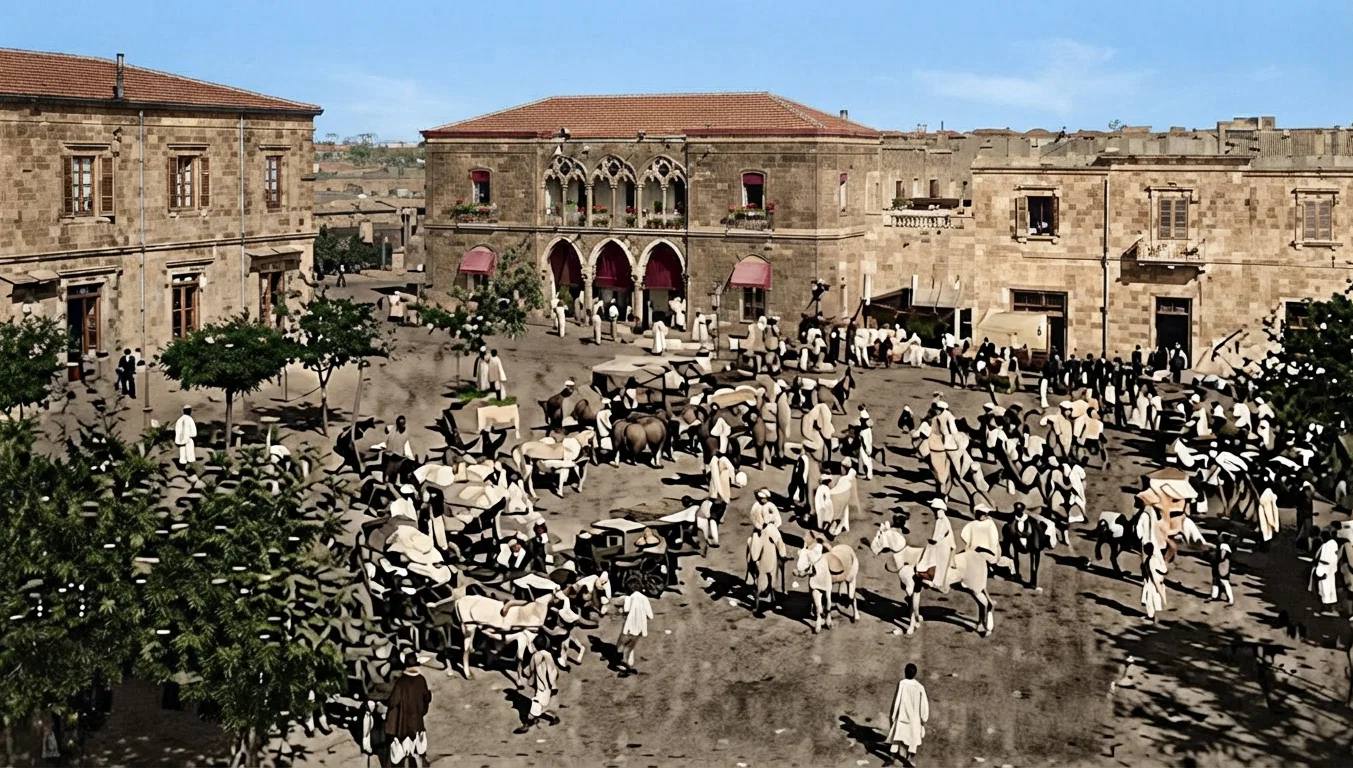
In Asmara is located the governor's palace, also other government buildings, the splendid "Baldeseras" fort, etc. The city is electric lighted, has several flour-mills with most modern machinery, a machinist's shop with latest machinery and skilled workmen. It has a well-built post-office building, colony mail arriving and departing every other day, foreign mail arriving and departing weekly. Telegram and cable service is open to all parts of the world, and a Marconi wireless is also in use at the fort of Massawah.
The merchants of Asmara are chiefly Italians, Greeks, Jews, Indians, Arabs, and Abyssinians. A large assortment of articles used by these people is for sale, often, however, at soaring prices. There being no American or English merchants, many commodities from those countries are lacking, which generally are both cheaper in price and superior in quality.
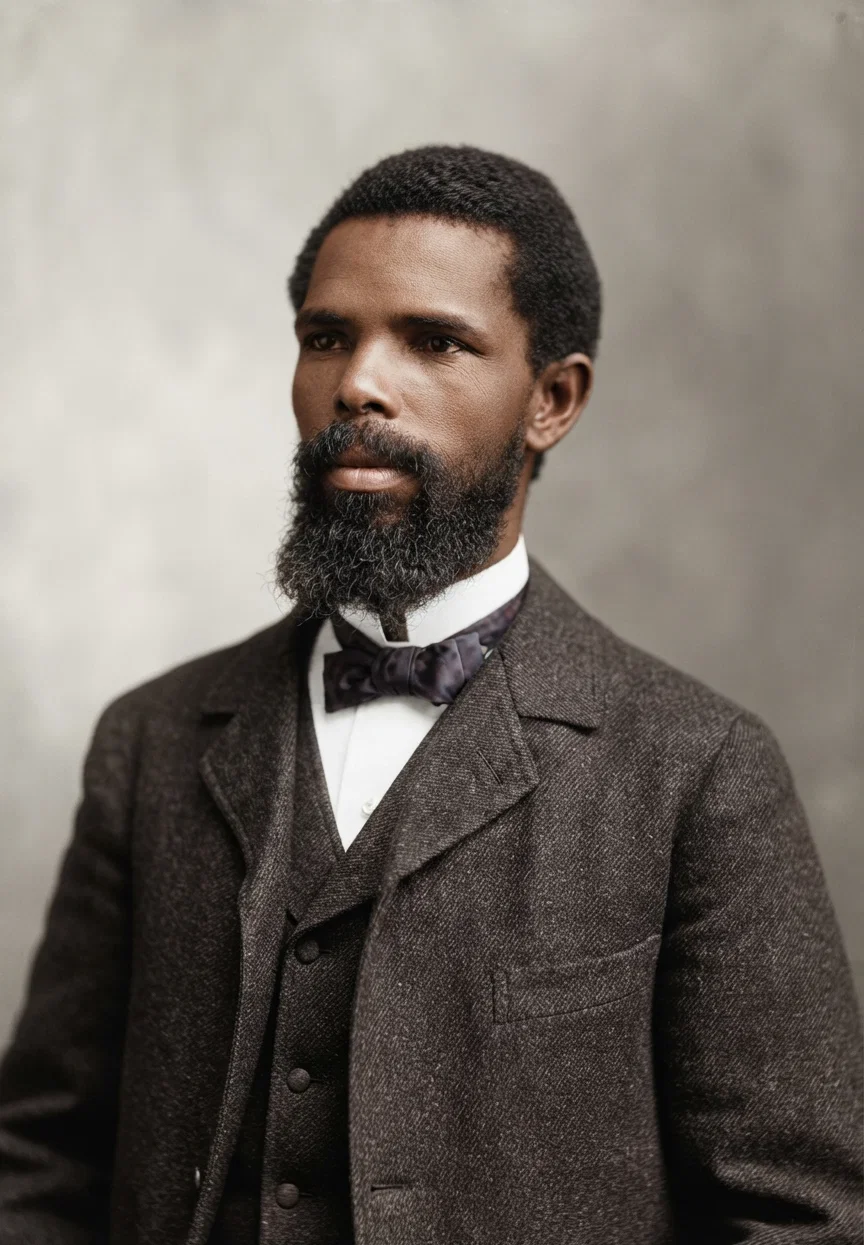
Native evangelist, Onesimus, in Galla
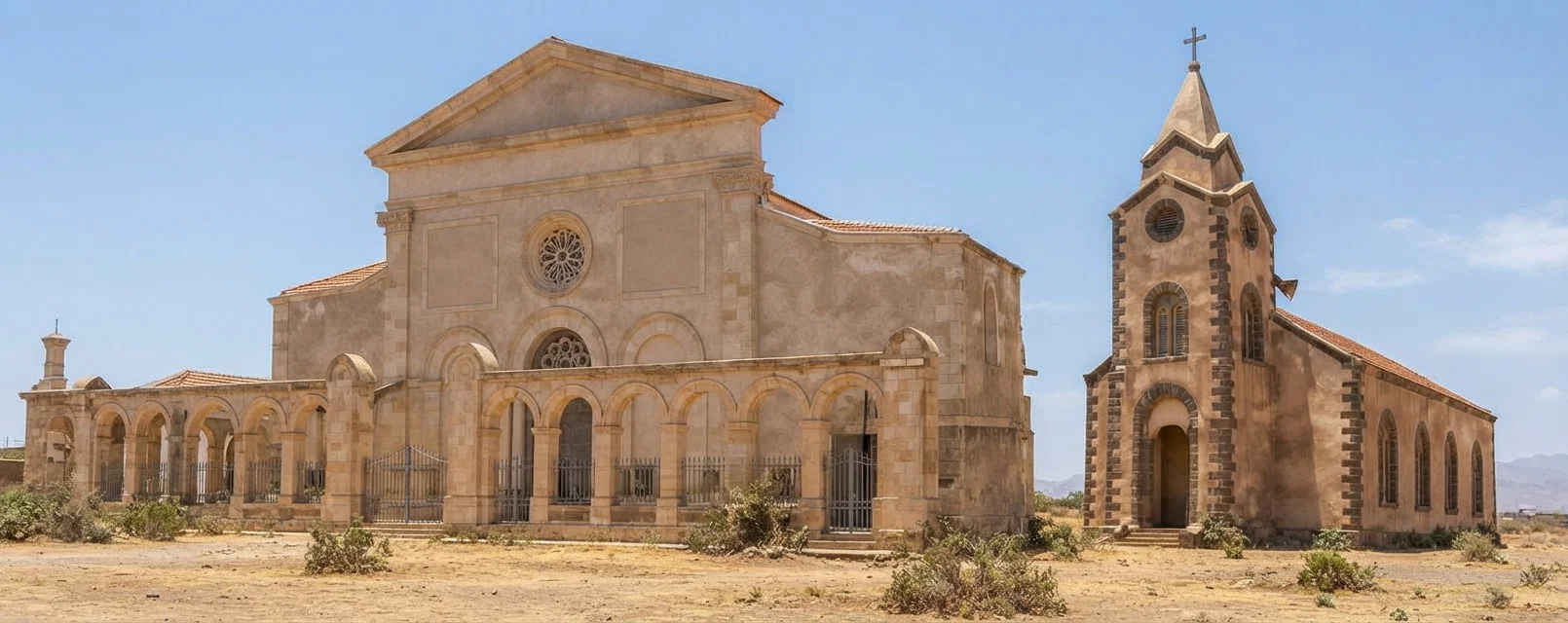
There are seven religious bodies in the city at present, the Seventh-day Adventists being the seventh (complete) in number and order. Our mission station is located a little over a mile south of Asmara. We are glad to be located thus away from the city itself.
At this writing the harvesting of the grains is nearly over. The natives still use their native method of thrashing, treading out with oxen, separating the straw and chaff by the help of the wind. The flowers (where abundantly watered) stand in bloom. Snow is never seen here. There are also enough drawbacks and discouraging things I could mention, but we try to cultivate the habit of looking chiefly on the bright side of things that have such a side, or at least a corner. Our greatest aim and desire is the promulgation of the Gospel of Jesus Christ to those that sit in heathen darkness.
Scourged to Death for Conscience' Sake
I have again to bring you stirring news of persecution from old Ethiopia. The whole country at present seems to be in a reign of terror, not only direct persecution against foreign evangelical efforts, but among the people themselves the situation is most critical and distrustful. Many places see riots and tumults, and it would be no unexpected thing to hear at any time of the outbreak of civil war. Following is a news-letter from the capital, Adis Abeba, dated September 28, 1911:
City square and principal hotel, Asmara
. . . I need only mention that the abouna [Abyssinia's Coptic pope] and the priesthood, during the time intervening between the change of government rule and the 10th of September, have worked plans to eradicate all Christian efforts within the country, and already early this spring have made out a list of all the names of the faithful in Leka and Wallega, to bring them to Adis Abeba for imprisonment.
That we have been able to carry on our school work and hold services caused the priests, however, to take a second thought. The priest Wolde Mikael, who the 21st of June came here with eight accused persons, on arrival was taken with fear, and asked for peace. [He is so ignorant that he does not know the alphabet.] As time went on, the abouna strengthened the hands of the priests, loosed the Wallega priest from his oath made in the church at the reconciliation, it being a solemn promise that he would not further trouble or lay hands on the evangelicals inside Galla territory, and further sent a high priest to Leka and Wallega to tear up all Christian efforts there. Our work there must therefore be laid down.
I mentioned that the abouna and priests long ago began to plan their attack. So one day the abouna took a stroll out in the city, and on coming near the French chapel he heard how children there were practising singing. Some French Catholics received many years ago permission of Kaiser Menelek to build in Adis Abeba a chapel in which to hold their services. Angered by the song, he demanded of the chief, Lidj Jasu, that the Catholics be imprisoned. Lidj Jasu at once called in the ministers of affairs, to discuss the question. During the discussion, a priest by the name of Admaso said that he knew a person in the city who was ten times worse than the
Catholics, for he neither worshiped Mary nor fasted. "Imprison his people also, then," said Lidj Jasu. All were unanimous that thus it should be done the coming Sunday. One person in the assembly, who secretly was a Catholic, told the Catholics what was taking place. The French minister then went down to the chapel, took people with him—all unarmed—and caught the twenty armed soldiers sent out by the authorities to imprison the Catholics. When the consul later let the men loose, with shame they went their way without doing further harm.
Jewish synagog (left), and Protestant church, Asmara
We had, however, no knowledge of their special plan, and we held our service as usual. People had come in from different places and remained over, dinner; and as we had not enough places for all at the dinner-table at one time, it was only those who went out and were found on the roads that were imprisoned. The imprisonment order read that "all coming from the place and all found near by should be imprisoned." The total number of persons thus caught was twenty-one, among them children down to seven years of age. All were immediately laid in irons.
A trial should later have taken place; but instead, all became confusion. The priests admonished the people to cry out: "They are Catholics! Kill them! They are Catholics! Kill them!" As the enraged mob were thus carrying on, the priests, minister of justice, and ruler were examining the garments worn by my servant Johannes. In the yellow-brown cotton garment they detected, as they believed, that he had the highest standing among the twenty-one; that he was very talented, and therefore very dangerous; that he had a special talent in drawing people to himself to blindfold and mislead them.
A priest who listened to this charge against him sharpened his sword to slay the "dangerous fellow" when he should near the judgment-seat. Ruler and judge at once sentenced that all should have forty "strikes" each. Lashes and belongings to strike with
were brought forth, and long, wide, coarse leather lines whizzed through the air. The minister of war definitely denied having any part in such an attack of madness. The minister of justice, who knew something about foreign affairs from European quarters, gave order that the whipping be deferred.
I spoke later with a person who has witnessed executions inside the palace. He remarked that forty "strikes" with belongings were equal to death, for even tho a strong person could survive the abuse, he would later die from blood-poisoning or the like, unless immediately taken in charge by a person skilled in bandaging and treatments of sores.
We did not wait long for material to substantiate his words. Nine men were scourged at one time, and two died under the mistreatment. The others were taken in hand by different parties. The English consul's wife, who is a trained nurse, took one to see if she could save the mistreated person from death, and possibly she may be successful.
The controversy over the scourging tried most severely the nerves, not only of those who were to pass through the awful trial, but also of us who wrestled with God and man to save these lives from the impending doom. The children's bodies would have become a lifeless, bloody mass long ere the forty "strikes" had been delivered.
That which at present makes the situation so severe is that besides the abouna's and priests' madness, the present ruler delights in the sight of people beflogged to death. He desires like executions to take place for pleasure's sake, and that people shall be truly inspired with awe and fear. He is only fifteen years of age, and does not seem to comprehend that through seeming pleasure he is playing away his crown.
After the ruler's and priests' wrath had quieted down, the smaller children and Johannes were taken out, with the help of the foreign legation. Johannes could be set free, because an agreement between the legation and the government provides that15
a European servant must not be interfered with on religious ground. Then came the trial of the others, and after five days and much trouble they were released.
That the ruler, abouna, and priests rushed ahead and took everybody in reach without question or judgment, has brought over themselves both complaints and sarcasm. They are not yet clear as to what they shall do with those who are left in the prison. Some of them come for medicine, and now they claim that we have given false reports, and have got out those we thought most of, and substituted others in their places.
A man who, unnoticed, attended the trial within the palace yard, overheard how it was planned that they invite me to themselves, showing themselves most friendly, telling me I have done their people much good, and that they were very thankful; and to show their appreciation they would loose those from prison whom I thought most of and those I most needed, if I only would let them know who they were. When they thus had received the desired information, they would take from these their land, and so severely punish my followers that the punishment for all time would be awe-inspiring for them and all who should desire to come to me for learning.
In spite of all, and during the severe days of trial, we have much to thank God for. The weakest children are freed. Johannes is free. The others bear no foot-irons, only hand-irons, and have been removed from the large fort to a smaller building nearer our place. We have some good and courageous boys, that read and have begun to see a glimpse of the heavenly home. These go errands daily between me and the imprisoned. These small messengers are, for the dozen imprisoned, rays of sunshine amid the tears of hardships.
Are these children allowed to visit the jail daily? — Yes, the Abyssinians must allow it, for they give the imprisoned neither food nor water. We must supply their life's necessities. This is also necessary in order to evade their being poisoned. The food draws on my cash, and the continual sending becomes monotonous, especially as I must personally prepare it and pack it; but I am glad the nourishing food can be sent free from poison.
Altho nothing certain can be said of future events, yet I can say that the Abyssinians themselves are out of sympathy with the present ruler, that only the priests and one other high official stand with the ruler. . . . I firmly believe that the year 1912 will be a year of joy for the friends of the Galla mission, and for Abyssinia we never have had such reasons to look forward with hope as just now.
From the foregoing is given the reader a vivid portrayal of what Abyssinia is in this year 1911. It has the deceptive name of being Christian, yet in tyranny and priest rule the people are firmly gripped. May God intercede to liberalize the priest-ridden land, and give its people free speech and liberty to act upon convictions of conscience without persecution. May the day hasten when the honest in heart from among its millions shall have heard of the Gospel message, and be prepared for a coming Saviour.