Untitled article

6%

Pacific Press Publishing Company · Oakland, California · Feb 8, 1899

FromSigns of the Times, Vol. 25, No. 6.

Read the full edition

HOW TO LIVE A CENTURY. No. 2.

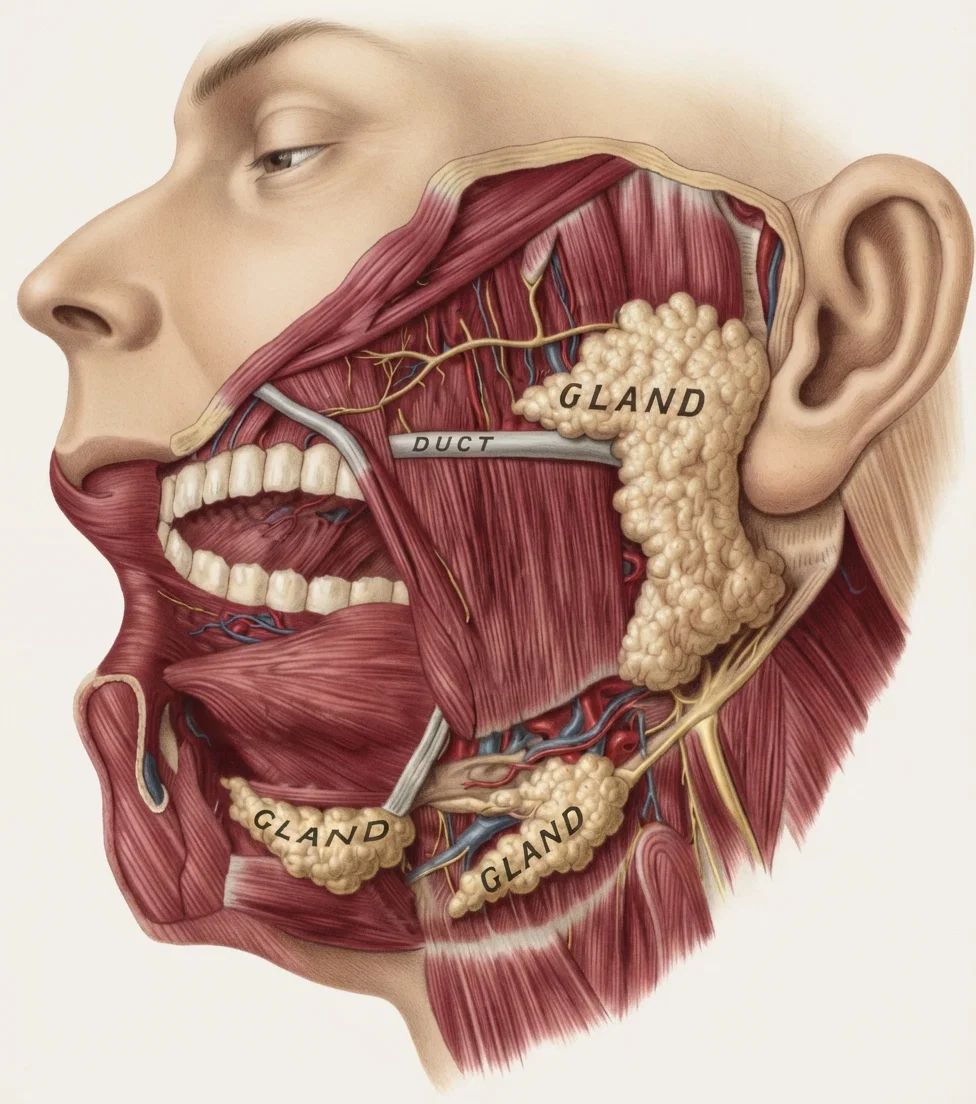
"WHY shouldest thou die before thy time?" Eccl. 7:17. This question is as appropriate for the early-dying people of this age to answer as it was for those who lived ten hundred years before the Christian era began. All persons will agree that in the short life of man to-day, with his average of twenty-nine years, and the long life of man before the flood, with his average of nine hundred twenty-six years, a most remarkable and alarming change has taken place. Anciently people took more time in eating and masticating their food; they seemed to understand that the teeth and salivary glands had an important part to act in keeping the body well and strong.
The Creator surely knew what He was doing when He placed within the mouth of each adult thirty-two teeth, each tooth to do its own peculiar work, either cutting or grinding the food; and as the grinding proceeds, the salivary glands perform their part by saturating the food with saliva; consequently, the longer food remains in the mouth, and the teeth keep grinding, the more thoroughly will the saliva penetrate the cooked starch food, and the more perfect will be the digestion.
Hasty eating should never be indulged in; it is a pernicious habit, which will, if allowed to get control, result in weakness, disease, and death, and "why shouldest thou die before thy time?" Look well to it, if you would postpone old age. When you allow coarse articles of food to pass to the stomach without being well masticated, you are sowing a crop that will spring up for you to reap, and your declining days will be filled with sorrow, pain, and misery.
There is a time to eat, and a time to drink, but both should not come together. Food should be made moist with saliva, and not with a mouthful of tea, coffee, chocolate, coco, or water, for when either of the above are used while we eat, the salivary glands do not secrete the proper amount of saliva, and the saliva that is secreted is so diluted that no strength remains in it to aid in the digestion of starch, or to influence the stomach in secreting gastric juice. We should drink about half an hour before and about two hours after each meal, then drink frequently between the times mentioned, till we have drunk from three to five pints of water in each twenty-four hours.
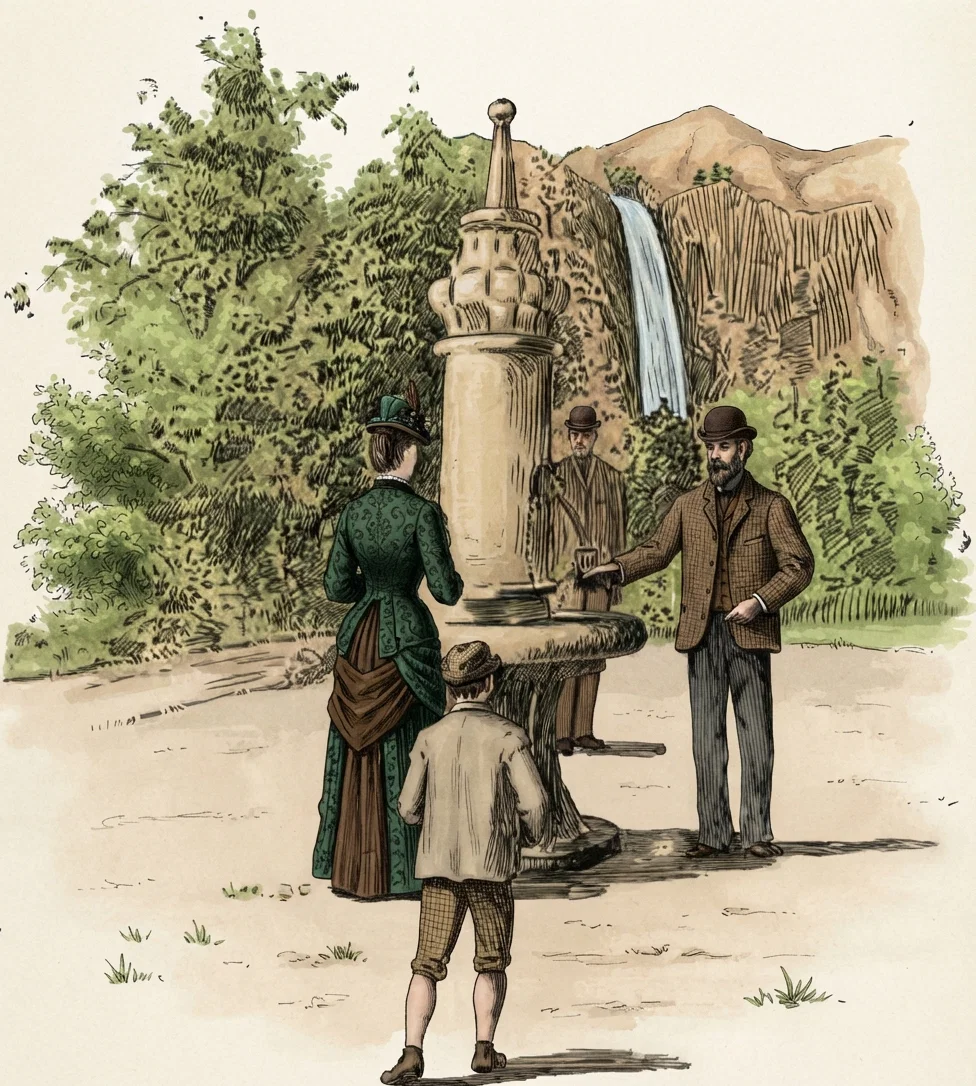
A large majority of the people do not drink water enough; when it is considered that the body is made up very largely of water, it can readily be understood how important to health is a constant supply of this pure fluid.
Many people have a notion that the drinking of water in any amount beyond that actually necessary to quench thirst is injurious, and, acting on this belief, they endeavor to drink as little as possible. The notion, however, is wide of the truth. Drinking freely of pure water is a most efficacious means not only of preserving health, but often of restoring it when failing.
All the tissues of the body need water, and water in abundance is necessary also for the proper performance of every vital function.
Cleanliness of the tissues within the body is as necessary to the health and comfort as cleanliness of the skin, and water tends to insure the one as truly as it does the other. It dissolves the waste material which would otherwise collect in the body, and removes it in the various excretions.
These waste materials are often actual poisons, and many headaches, many rheumatic pains, many sleepless nights and listless days, and many attacks of the "blues," are due solely to the circulation in the blood or deposit in the tissues of these waste materials which can not be gotten rid of because of an insufficient supply of water.
Water is accused of making fat, and people with a tendency to corpulence avoid it for that reason. But this is not strictly true. It does, undoubtedly, often increase the weight, but it does so because it improves the digestion, and therefore more of the food eaten is utilized and turned into fat and flesh. But excessive fat—that which is called corpulence—is not a sign of health but more often of faulty digestion and assimilation, and systematic water drinking is often employed as a means of reducing the surperfluous fat, which it does sometimes with astonishing rapidity.
It is impossible to recount in few words in the short space we have, all the benefits which may result from the taking of pure water in sufficient quantity.
In this day and age, when water is so contaminated with disease, and so full of calcareous substances, extra precaution should be taken in making the water pure by first boiling or distilling.
The body should be washed at least once in each twenty-four hours, then after it has received a brisk rubbing, a little pure olive oil should be applied and made to enter and entirely disappear from the surface, by rapid movements with the hands over the body.
Keep the body clean, feed it regularly on wholesome food, give it plenty of pure water to drink, and it will surely give in return perfect satisfaction, long life, and a beautiful voyage from the cradle to the grave.
B. F. RICHARDS.