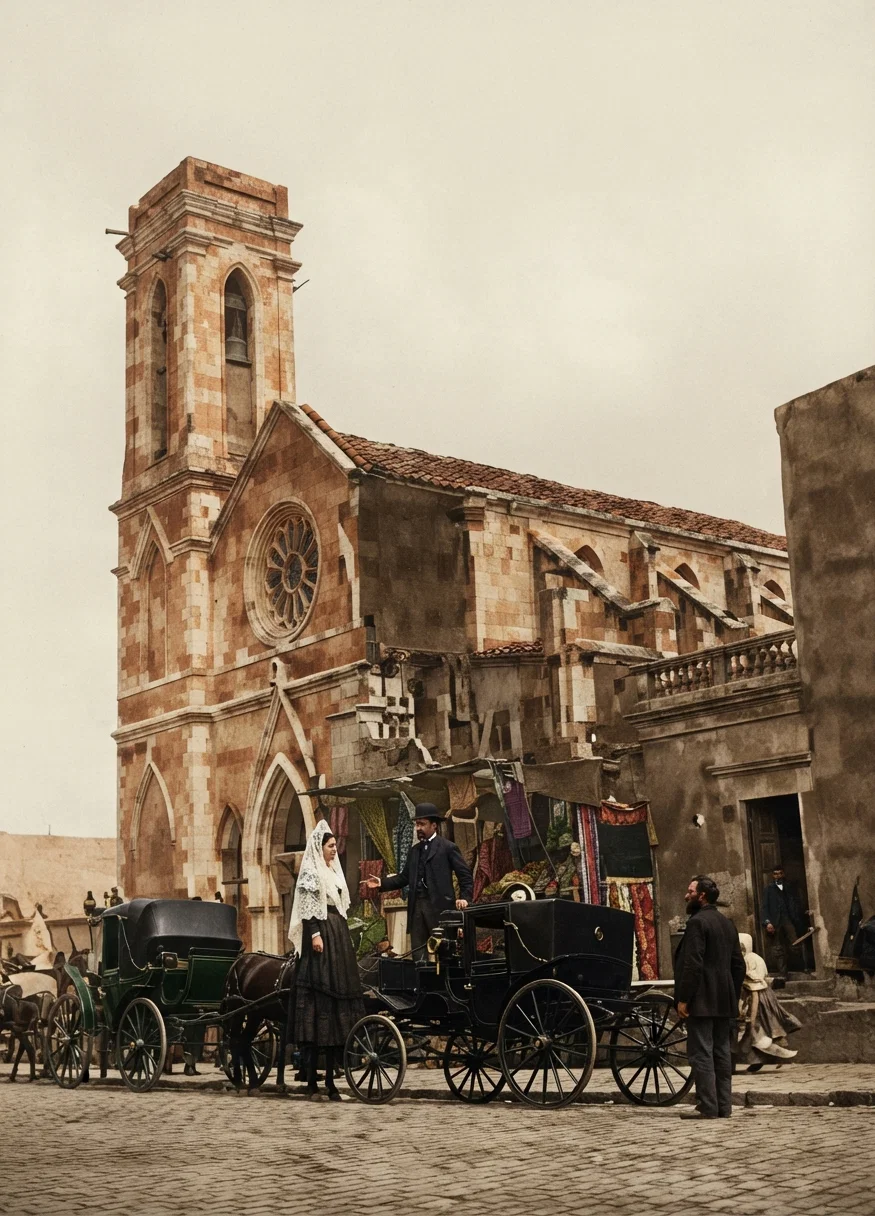
Catholic Church Sunday Afternoon Used as a Polling Booth.
INTERESTING DEVELOPMENTS IN SOUTH AMERICA.
By J. Vuilleumier
WITH great pomp, the South American archbishops have returned from the Latin-American council held in Rome. This conference is supposed to be held every twelve years in one or the other of the papal provinces of Spanish America. But as the princes of the church could not agree as to where it should be held, the pope "obliged" the presidents of all the South American republics to send the highest dignitaries of their respective national churches to Rome. This word "obliged," quoted from a safe authority, shows the subjection in which these republics are to the papal see. It also shows the cleverness of the pope in using this form of proceeding to secure for the distinguished travelers the payment of their traveling expenses by their governments. The archbishop from Buenos Ayres received for his trip the round sum of 100,000 pesos, or 40,000 dollars.
This same prelate has returned with many tangible means of grace, so called, among which are some two thousand bones extracted from the Catacomb graveyards, which are to be sold or given away as the precious relics of this, that, and the other saint. What poor substitutes for the precious Word of God!
What were the deliberations of this council? Some vital matters to the Catholic Church in South America must have been considered; but of course everything has been kept very secret. A rumor, now confirmed by a leading Chilean paper, is to the effect that since the council closed, and as a consequence of it, the pope has taken the extraordinary determination to allow the South American priests to get married. La Tribuna, of Valparaiso, gives the entire text of the papal decree. It contains three points: (1) Ecclesiastical celibacy is not of divine origin, but was ordained by the early councils on account of there being too large a number of applicants for the priesthood. (2) These applicants are nowadays very scarce. And (3) the reason of this scarcity is the celibacy of the priesthood. For these reasons the pope decides to grant to the regular clergy, in these countries, the liberty of entering matrimony. The decree is dated from Rome, July 10, 1899, and will begin to operate on the 1st of January, 1900.
It must be, indeed, that the situation for the Catholic Church here is of the most critical character, for the pope and the council to have reached such a remarkable resolution. One obvious reason for it, if it is confirmed, is the terrible state of corruption of the South American clergy, and the incessant cases of scandal in which its members are implicated. It is a fact, also, that in South America educated men are almost completely estranged from the Catholic faith, or any faith at all. Freemasons are carrying on a silent but effective negative work, which may not prepare the way for the Gospel, but is a danger to Romanism. There is a steady advance of public opinion against the hierarchy, and in favor of Protestantism, caused by the circulation of the Bible and mission work. Evidently, there are grounds on the papal side to fear that secessions en masse will occur, as is the case now in Austria and Hungary.
In Buenos Ayres there is, at present, a minister of education and worship, Dr. O. Magnasco, who is seeking to introduce the Bible into the public schools. He has read a report on the matter before the Cabinet, in which he attributed the prosperity of Protestant nations to the reading of the Holy Scriptures.
Another encouraging feature which developed recently was the complete exoneration from all duties obtained from the Buenos Ayres customs on seventy-two boxes of Bibles sent by the American Bible Society to its agent here. Little by little the colporters of both the American and the British Bible Societies and the Protestant mission halls, Methodist and others, are making themselves felt in bringing about a liberal state of mind toward the Bible and the Bible faith.
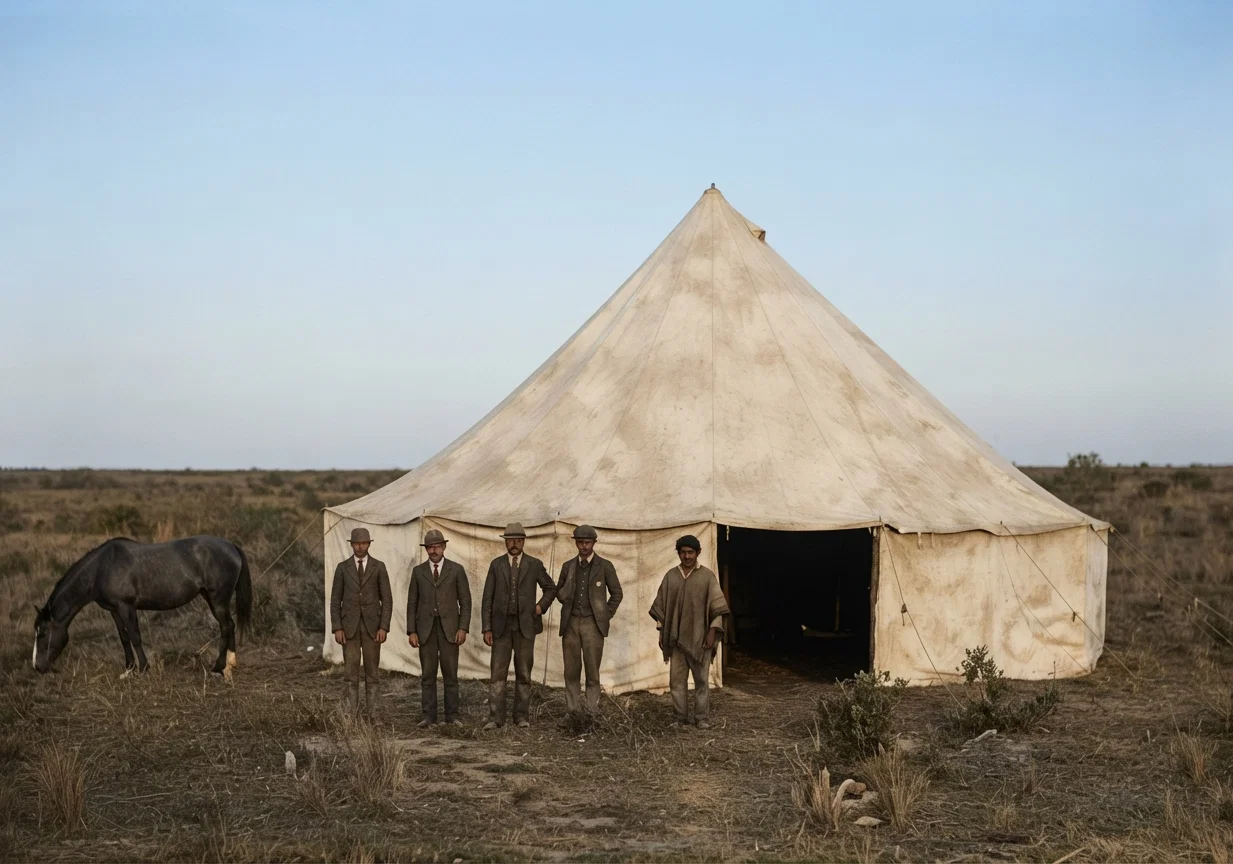
Our mission in these parts has begun to operate preaching tents. We have had one in this republic, and now we have another in the Uruguay republic, across the La Plata Bay. The introduction of this unique mode of evangelization in that republic was a success. It was pitched in three different places in the course of a few weeks. In one place the enemies of liberty and truth made a weak effort to put a stop to our meetings. The chief of police asked us in a confidential way whether we had any special privileges from the government to carry on this strange work. We told him we had none other, aside from our God-given liberty, than the constitution, and proceeded to show him the simplicity and beauty of the Gospel. He soon dismissed us, Brother Delearsy and myself. Strange to say, the constitution of Uruguay says very little about the religious rights of man. But liberty is in the air, and we thank God for it. Let us work while we may; for who knows how long that will be? J. VUILLEUMIER.
Buenos Ayres, November 8, 1899.