EVERY object has its lesson for the thoughtful. In some objects the lesson is direct and forcible; in others, the lesson is only suggestive, but it may be not the less effective.
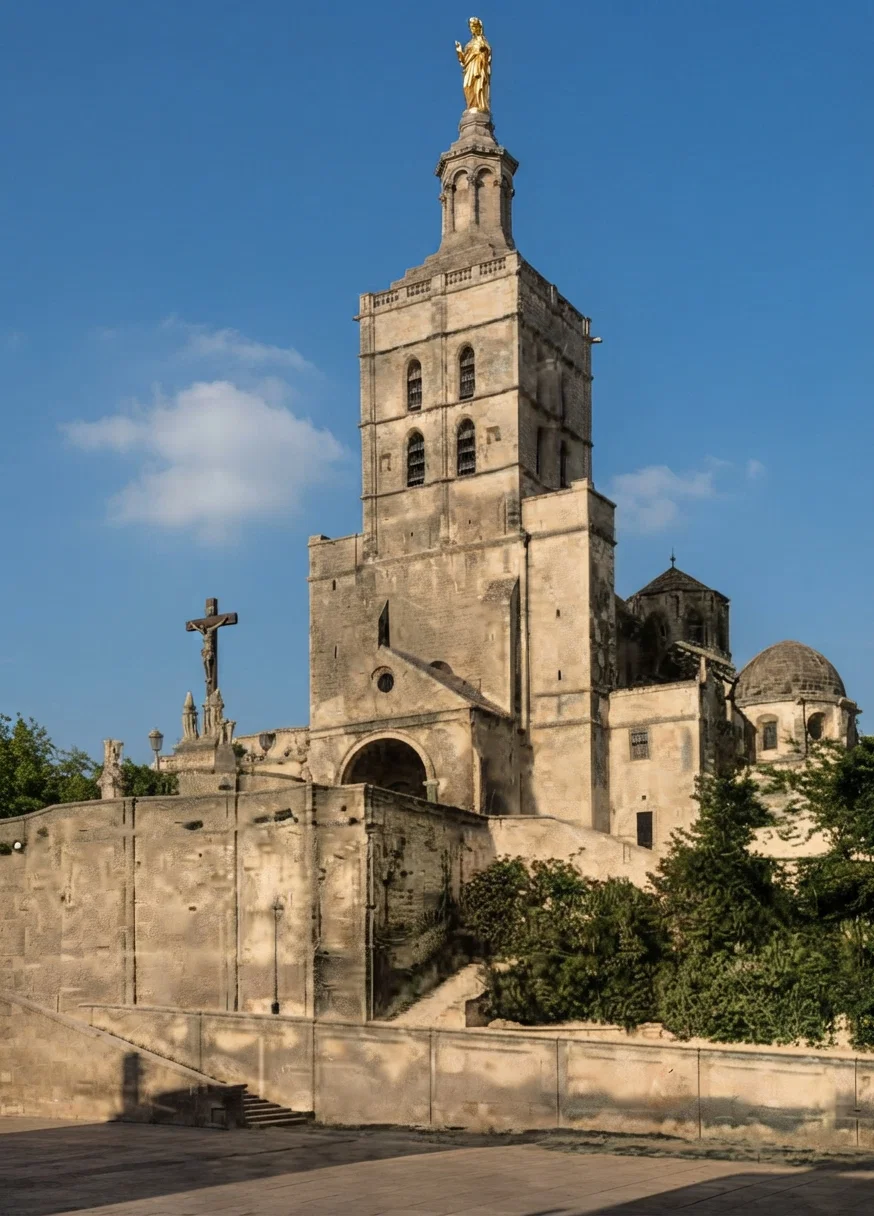
THE old cathedral illustrated on our first page is suggestive of many things. The great, massive structures, with
“their dim vaulted aisles,”
and almost oppressive sense-solemnity, which chills and cramps the free soul, carry us back to the Medieval Ages, when so many of these mighty fanes began their building, the time
“When God seemed far and men were near.”
THE name of the cathedral of our illustration is also suggestive of forgetfulness of God,—“Notre Dame,” “Our Lady,” dedicated to the Virgin Mary under this term. God demands the whole heart. “Thou shalt love the Lord thy God with all thy heart, and with all thy soul, and with all thy strength, and with all thy mind,” are the words of the Master, which set forth man’s duty to his Creator. It takes all of man to render this service. His affections, his life, his physical and mental abilities, all belong to God. Surely then if man, who recognizes this, should build a house of worship, he could do no less than dedicate it to God. To dedicate that which pre-eminently stands for man’s higher self, his spiritual nature, to any being less than God is to put that being in God’s place.
Cathedral of Notre Dame, Avignon, France.
MEN do this because they do not know God. We do not know whether Mary, the mother of our Lord, lives or not. If she does, she has been raised from the dead by Him who is “the Resurrection and the Life.” But if He has done this, the Word does not inform us. How much better it would be for those who court the influence of that truly blessed woman, to heed the words she said when we know she lived, and which God has been pleased to leave on record for our benefit:
“Whatsoever He [Christ] saith unto you, do it.” John 2:5. What He says we have before shown; it is that we should love the Lord our God with all the heart, soul, strength, and mind. He demands of us nothing less, and this excludes all creature-worship, even tho that creature be the holiest of humanity or the mightiest of angels around the throne of the Infinite.
AS BEFORE intimated, men worship and adore dead saints and heroes because they do not know God. They count Him far away, or so offended at poor mortals because they have sinned that some one of influence, some saint or martyr, must be used to intercede for the guilty, and mollify the wrath of God. How little they know Him who loves us with an everlasting love; who has been pouring out His life and goodness and mercy ever since man sinned, to win them back to Him; who gave Himself in giving Christ Jesus, His only-begotten Son, to win all who were in rebellion and save all who desired to be saved! If there is a soul in heaven or earth that truly loves us, that love is born of God. “We love, because He first loved us.” God in Christ Jesus entreats, “Come unto Me, all2ye that labor and are heavy laden, and I will give you rest.” “Who is a God like unto Thee, that pardoneth iniquity, and passeth by the transgression of the remnant of His heritage? He retaineth not His anger forever, because He delighteth in mercy.” “The Lord taketh pleasure in them that fear Him, in those that hope in His mercy.” Then come to God. All the love ever possessed by the mother of Jesus, by Peter, by Paul, or by John, or that each or all ever will possess, came from the great fount of love, the heart of the Infinite God. “Worship God.” “Thou shalt worship the Lord thy God, and Him only shalt thou serve.”
OUR illustration suggests another thought. It is a cathedral at Avignon, France. But for years—from 1305 to 1377—it was the seat of the Papacy. The last twenty-three of these years rival popes were seated here and in Rome and elsewhere. Eventually the papal see was returned to Rome, but through intrigue, crime, and bloody warfare. Politics in the church of Christ, bringing in the human, trusting to the human instead of the divine, is what led to Avignon, only one of the many disgraceful chapters of the Middle Ages. Seven popes reigned in Avignon; and Schaff tells us that “during this period, the so-called ‘Babylonian captivity’ of the popes, Avignon was one of the gayest and most corrupt cities in the world. Petrarch, who stayed there for some time, called it the third Babylon.”
AND all this came because God was forgotten or unknown, and the creature was exalted to His place. Natural man can not believe in the foundation principles of God’s working. He can not see that in the valley of humility only can man walk with God. The exaltation of the human shuts from us the divine. All the darkness and misery of the Dark Ages, all persecutions and bloodshed which took root in that darkness, all the unbelief and disunion and trouble in religious circles to-day, came because man has thrust God away and interposed his own plans, methods, ideas—himself, the creature—in the place of God, the Creator and Redeemer. O “it is time to seek the Lord, till He come and rain righteousness upon you!”
BETTER LET THE COMPASS ALONE.
MANY years ago up in the northern part of the State of New York, where there is a wide range of forest, a man set out to cross a narrow strip of woods about three miles through. It was three miles directly across this neck of forest; but another way led out into a vast wilderness. The man had a perfect compass when he left for home. A day or so passed, and he did not reach home. His friends became alarmed as to his safety; and on learning that he had set out for home a day or so previous, instituted a search for him. At last he was found under the snow, cold and stiff in death. On examining his person, it was found that he had not lost his compass, but close inspection revealed the fact that he had been tinkering with it in the vain hope of correcting the needle so as to make it point in what to him seemed the right direction for north. But, alas! the man was lost, and therefore was not prepared to correct what seemed to him to be the wayward needle. Had he believed it, and let it alone, he would have been safely guided to his home.
This man was no more under a delusion than are many other bewildered and lost ones, who, altho they possess the sure compass of God’s Revelation—the Bible—fail to believe it, even seeking to change it to read as they think it should, and in consequence lose their lives in the great wilderness of sin and unbelief.
Better let the compass alone. It points toward the celestial city, the home of God; and by carefully following its directions, whether it seems right or not, the lost ones may safely reach the Father’s house, where there are in waiting for them “many mansions.”