THE ROCK OF AGES

10%

Pacific Press Publishing Company · Oakland, California · Aug 13, 1902

FromSigns of the Times, Vol. 28, No. 33.

Read the full edition

THE ROCK OF AGES.

IN a song of many minor notes and strains, "Moses the man of God" sings triumphantly, "For their rock is not as our Rock, Even our enemies themselves being judges."
How we are reminded of this blessed truth by the ruins of the nations and peoples who have set themselves against God. Many times we know them only because of their opposition to the work of God. For more than two thousand years it was the Bible alone which told us of the bold, blasphemous king, Belshazzar. He dashed himself against the Rock of Ages, and was utterly broken. Sometimes the enemies of truth are known by the names which they have carved in stone or baked in brick; but they themselves are dead and gone. They are known only by dead works. Their only records are the boastful ones which they themselves have ordered inscribed, and which would have long since been lost had they not been carved in the rock of God's creation.
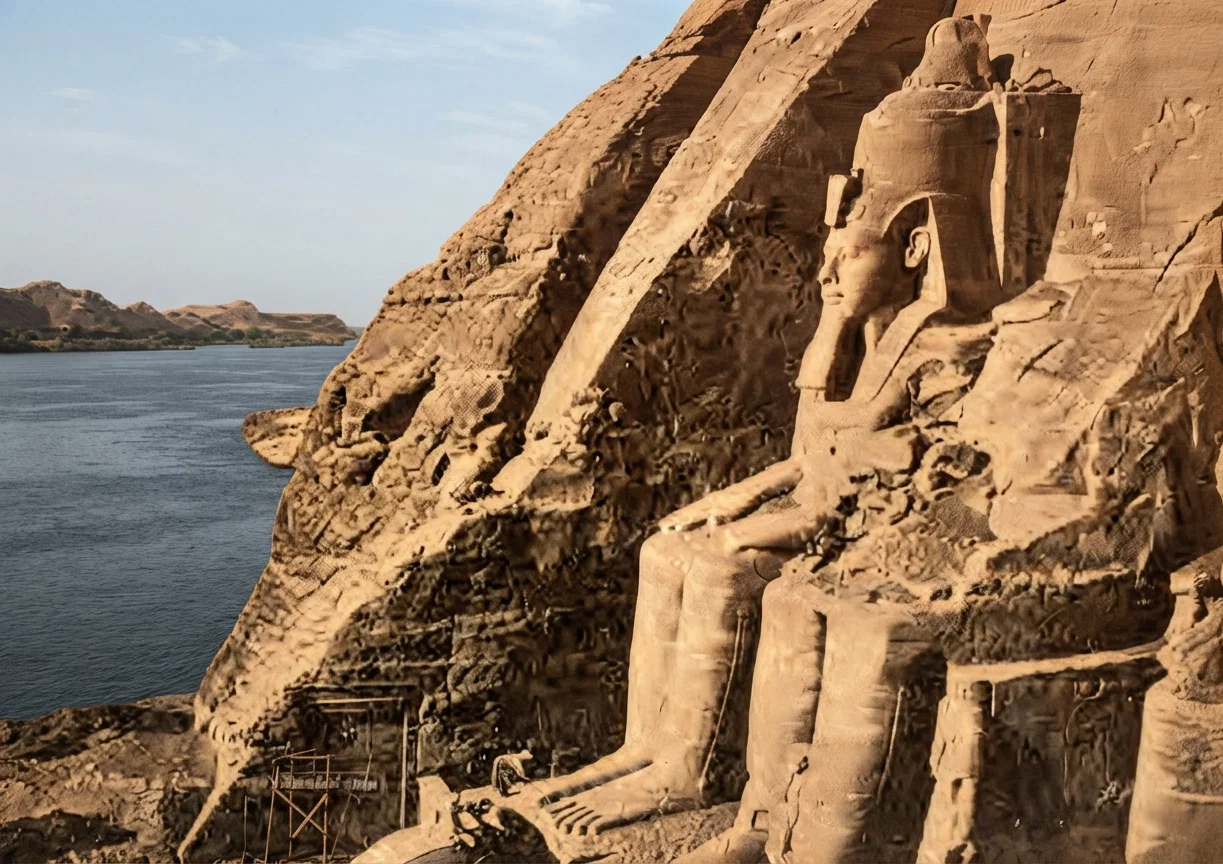
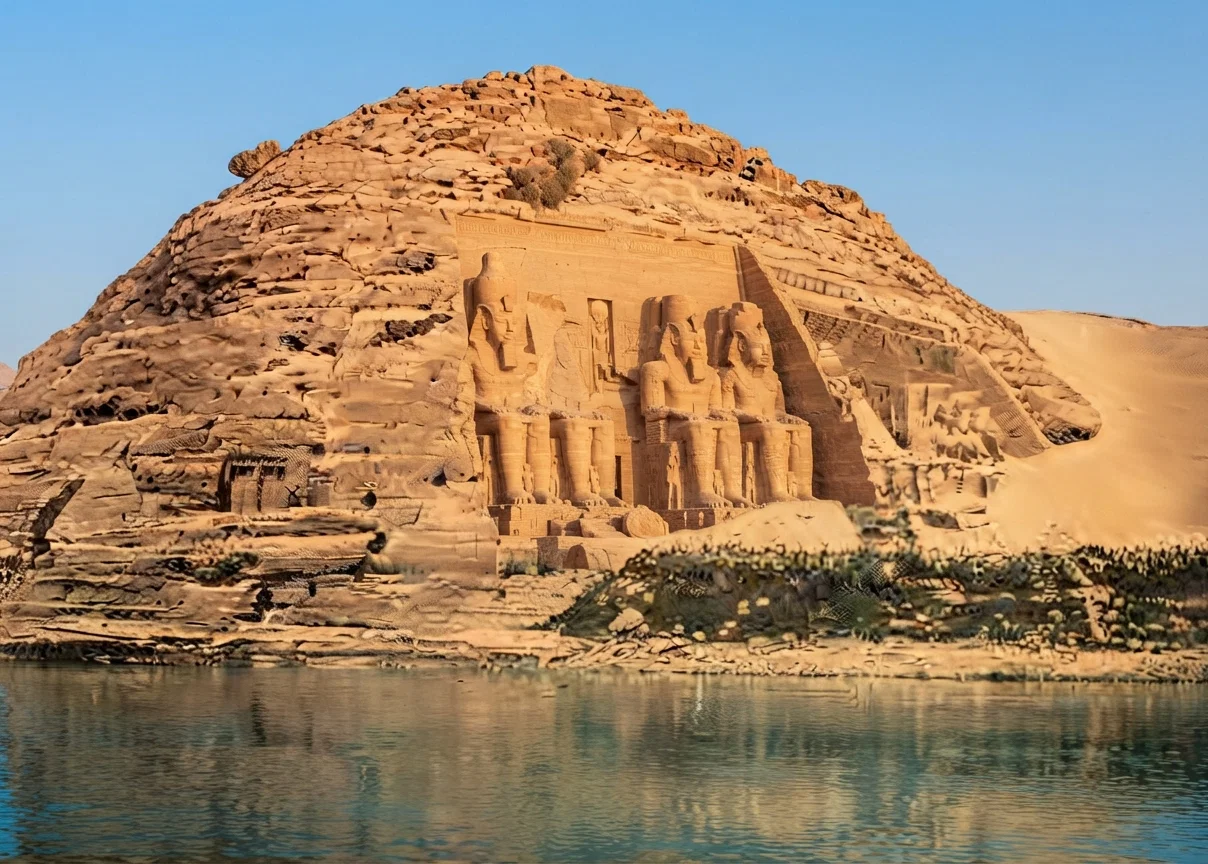
AN illustration of this is given on this page. A few miles below the second cataract of the Nile, in Nubia, or Upper Egypt, is Abu-Simbel, or Ipsambul, the ancient Abuncis. It is noted chiefly for the great rock-temple it contains, cut into the mountain by Rameses II., to the distance of 200 feet. The first chamber is a great hall in which are eight piers, before each of which is an image of Osiris seventeen feet eight inches high. Upon these piers and elsewhere are portrayed the military deeds of Rameses. Beyond this is a smaller pillared hall, then a vestibule leading to the sanctuary. Here are the figures of the Egyptian gods Amen, Ptah, Horus, and Rameses himself, placed by himself among the deities he worshiped. For the front of the temple the rock has been cut away to the extent of a hundred feet square, with a dog-headed ornamented cornice. Before the temple front are four enthroned figures of Rameses, sixty-six feet high, still quite perfect. The art of the man who preserved the old ruler's memory was more perfect and lasting than the character of the king.
Colossi of Rameses II. before the Great Rock-Temple.
THE great and wonderful temple stands as a monument of human, self-exaltation. Lucifer said, "I will exalt my throne above the stars of God; I will be like the Most High," and he fell forever. Then he came to man, whom he was persuading to sin against God, with the evil insinuation, "Ye shall not surely die; . . . ye shall be as God." And so man fell in his endeavor to exalt himself. This was the principle which moved the old Egyptian king. He exalted him-self. He could not place himself with God; but he could place his image with the images of the false gods he worshiped. And he, too, fell, as have and will all others who exalt themselves, and seek to put themselves in the place of God.
Great Rock-Temple at Ipsambul, Egypt.
RAMESES is dead. The rock-temple, perhaps his greatest monument, is only an interesting ruin. The gods he worshiped still look forth with sightless eyes upon the gloom of the rock-temple. His own images still stand or sit in the crystallization of eternal death. The great empire over which he ruled has become "the basest of kingdoms," as declared by God's prophet. And all he touched speaks only of decay, despair, darkness, and everlasting ruin.
THE Christian has a Rock-temple, even Jesus Christ. "Ascribe ye greatness unto our God, The Rock, His work is perfect; For all His ways are justice; A God of faithfulness and without iniquity, Just and right is He." He is not a dead temple carved out by human hands; He is the everlasting, living "Rock of our salvation." He is a cleft Rock; but it is not an evidence of weakness. From the cleft side flows the water of life, and into the great heart of the Eternal, the weary, the oppressed, the persecuted, may enter and find rest and contentment and safety, forevermore. "Their rock is not as our Rock, even our enemies themselves being judges." The might of Egyptian pride dashed the prow of its haughty Ship of State against this Rock, and went down to wreck and ruin. Through all the ages men, exalted in themselves, have pitted their puny efforts against the Rock of His Word, but the Rock stands; the men are not.
WHAT is the lesson?—There are many; but they may all besummed up in God's message to this generation. The gods of Egypt still exist in principle. Men still exalt themselves. Men still fear and worship men. Men are still exalted by men to the place of God. And the only remedy is God's message of life: "Fear God, and give glory to Him; for the hour of His judgment is come; and worship Him that made heaven, and earth, and the sea, and the fountains of waters." "Trust ye in Jehovah forever; for in Jehovah, even Jehovah is a rock of ages." In Him is cleansing and keeping for all who will come. "Rock of Ages cleft for me, Let me hide myself in Thee."